

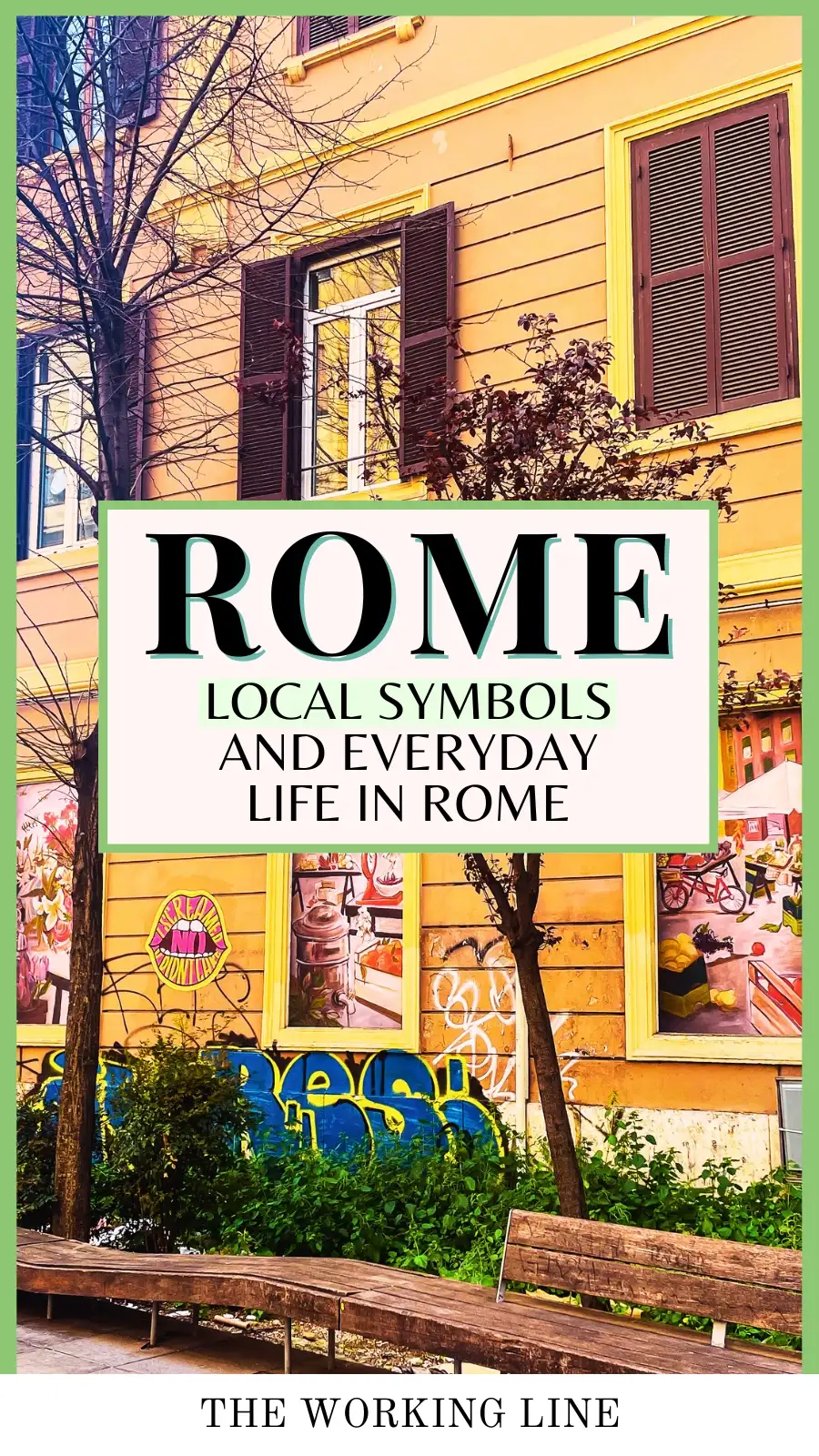
A local’s guide to the reality of living in Rome, Italy – from the bus that never comes to the Poeta della Serra street art, these are true local Roman symbols!
When I moved to Rome for the first time, I had been living in London for two years, transited via Paris for a couple of weeks, and then it was time to go.
We were in the midst of the pandemic, and borders were slowly starting to reopen.
I had never visited Rome before I moved there; then again, I had never visited Istanbul or Barcelona either, and moved to each on a whim too.
I love Rome so much that I’ve been moving to London and Paris and unequivocally back to Italy every year since 2021, and one thing I can tell you?
You think you know Rome.
Maybe you’ve walked through Trastevere, snapped photos at the Colosseum, tossed a coin in the Trevi Fountain.
But living in Rome? That’s a whole other reality.
It’s chaotic, made of overheated buses, graffiti-covered bins, and a rhythm of things that dreamy Instagram reels and other blogs will never tell you about.
Living in Rome: 10+ True Roman Symbols No Blog Talks About

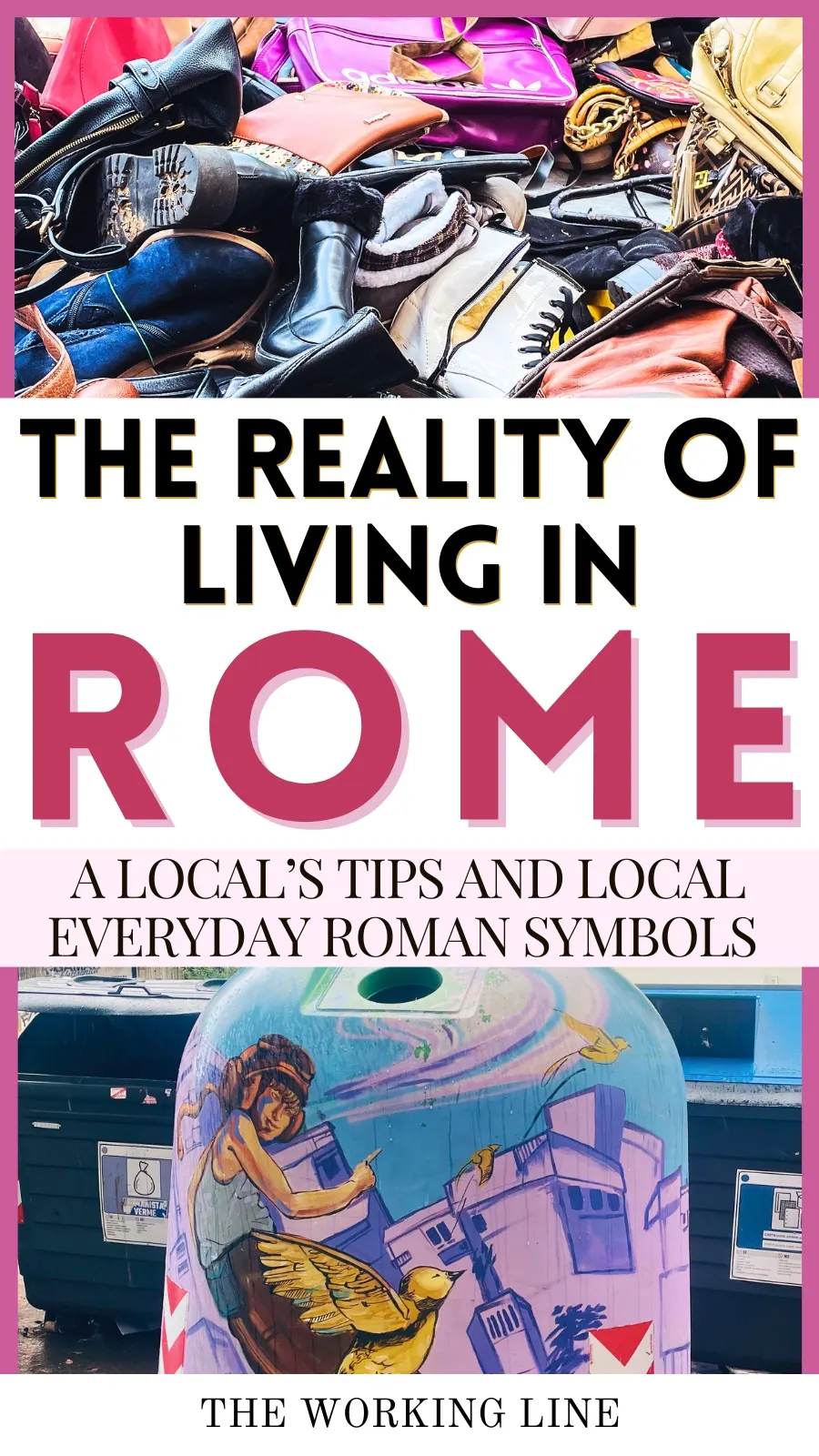
I’ve been meaning to write such a guide about living in Rome and really local Roman symbols for some time now.
Lately, I’ve shared with you some great tips to follow if it’s your first time in Rome, along with some common mistakes to avoid absolutely.

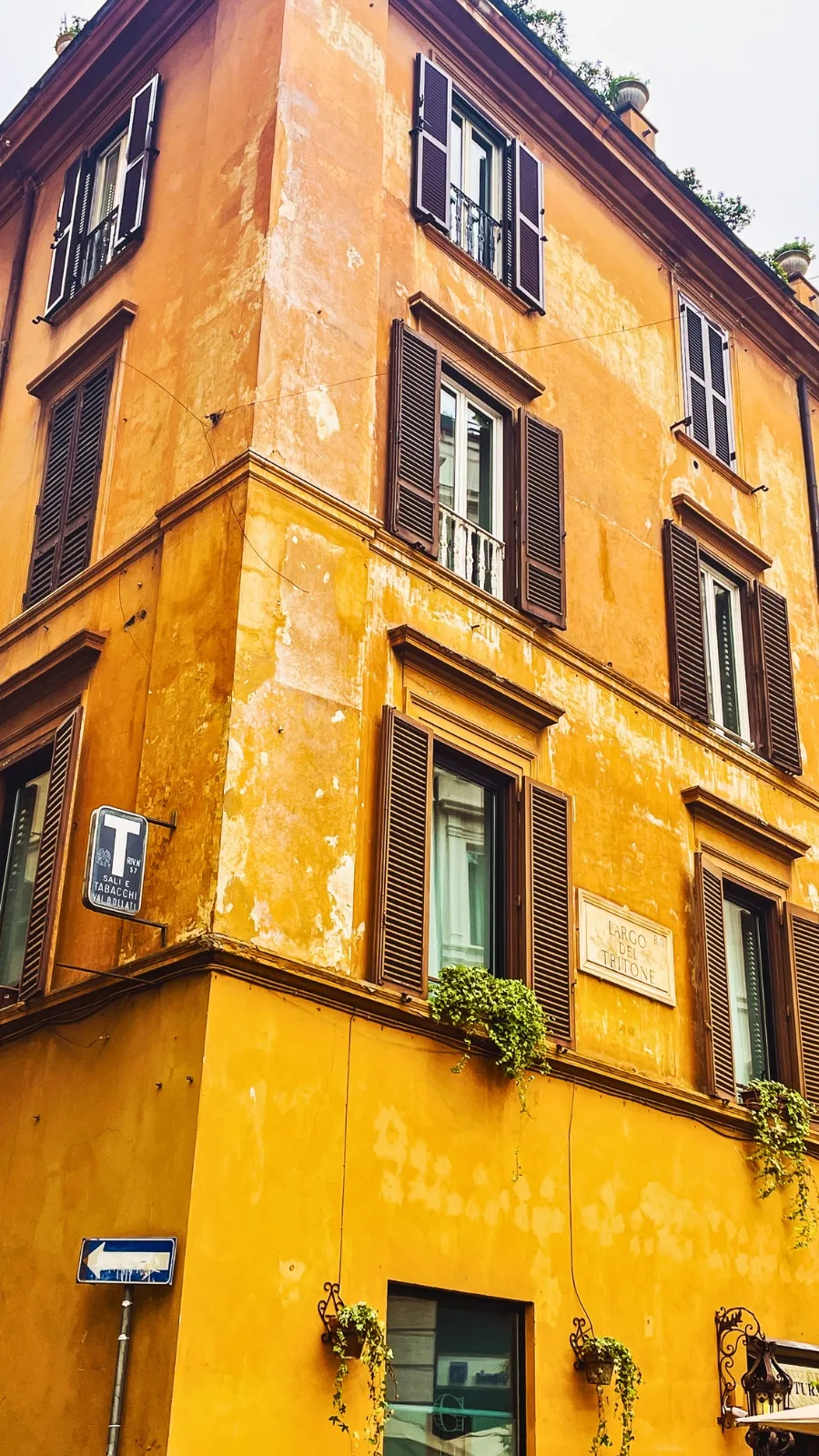
Since 2021, I’ve lived in several famous and more secret Roman neighborhoods:
- Termini – my first neighborhood, I lived in the Yellowsquare hostel for 5 months and worked on their website as a translator and freelance writer in exchange for a private room
- Pietralata – I only lived there a couple of months, and loved how not-too-far it was from Piazza Bologna, one of the prettiest neighborhoods in Rome
- Monti Tiburtini – I lived there for about six/seven months before moving to Seven Sisters, North London
- Corcolle – when I got tired of London (again) and missed Rome (again), I found a flatshare with friends in this village outside of Rome, which you access by taking a bus from Ponte Mammolo (and ride it until you turn 90, then you’ve arrived)
- Garbatella – I lived there for two/three months; loved it, it’s one of the best street art spots in Rome, with a village vibe and close to Termini, then moved to London again
- Torpignattara – After living in Barcelona, I moved to this area of east Rome and lived there for just under two years; just broke it off to spend two months living in Paris again last year, and came back
As I mentioned in some recent posts, I’m currently spending some time with family in Troyes, my hometown in France and looking for my next area of Rome.
I was considering moving back to London, but the chill yet snappy vibe that Rome has is something I miss a little too much.
I’m thinking Centocelle because there’s a mosque there and I like going to the mosque, or maybe something further out, like Ostia Lido so I avoid all the Jubilee haze and can see water anytime I want.
Read: The Most Magical Parks & Gardens in Rome
Why am I writing about the reality of living in Rome?

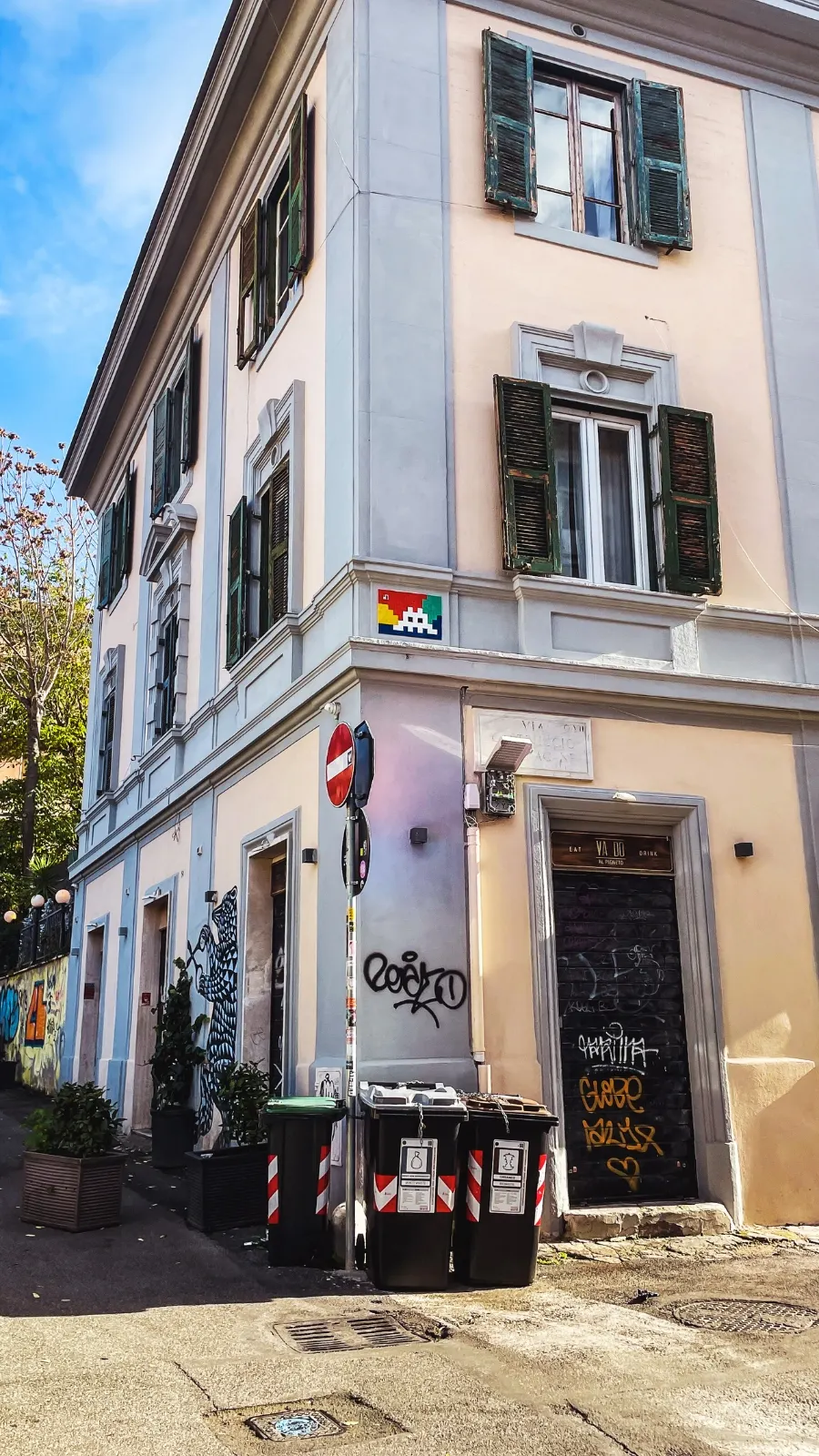
Now that I really, truly feel like a local – my accent in Italian is definitely Roman!, I thought I’d share some realities about living in Rome.
Rome is broken but it works; that’s how I see myself, and we go hand in hand.
No one really takes care of it, and on top of the famous ruins that we know of, like the Colosseum, the entire buildings are left unattended.
In some poorer parts of the city where I’ve lived, like Torpignattara, this is even more striking – nothing in common with posh areas like Prati, Parioli, Quartiere Coppedè or Trieste.
Of course, and as is often the case in neighborhoods with lesser means, those places are where you’ll find the most street art and a real community vibe.
Now, what I want to share with you today are some really local symbols of Rome that just about anyone living here knows of and doesn’t even pay attention to anymore.
It’s just part of life.
But whether you’re visiting Rome or thinking of moving here, these bits and pieces of info might come in handy.
Some of them are fun observations by yours truly, and some are more serious and will require a bit of adaptation.
Read: The Best Places to Visit in Rome for Sculptures
Local Symbols of Living in Rome: The Trenino Giallo

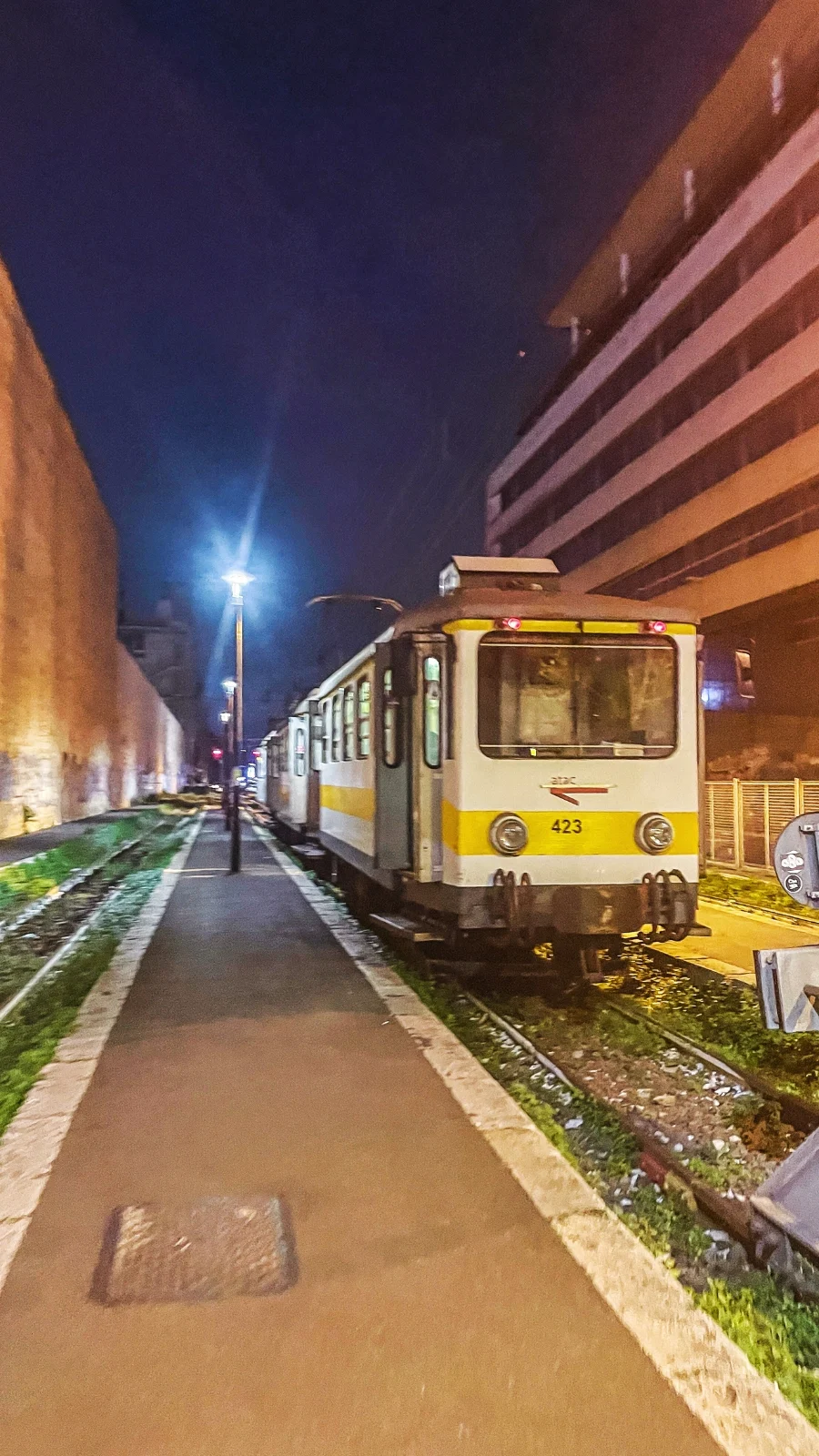
If you’re really living in Rome, you know the trenino giallo.
When I found Rometone, one of the most unique and local shops in Rome, I couldn’t believe my eyes when I saw they made prints celebrating the trenino.
Of course, I bought said print.
This small train, usually three wagons, of the Roma-Giardinetti line runs from Termini Laziali to Centocelle and beyond, mostly unknown to tourists and never mentioned in glossy brochures.
The trenino giallo is a yellow and white tram, it isn’t beautiful, and it is… somewhat efficient.
But it’s one of those odd, essential arteries of daily life, and if you live in areas like Torpignattara, it saves your life until 10, 11 pm.
It rumbles past forgotten stretches of the city, past Porta Maggiore, past the Pigneto, the walls inside covered in marker scrawls and years of frustration.
But it gets you there. This is not the metro you show off. This is the transport you endure. And that’s precisely what makes it local.
Read: The Most Beautiful Palaces in Rome
Local Symbols of Living in Rome: Picnics on Pigneto Benches


The Pigneto neighborhood is famous for its coffee shops, restaurants, nightlife and street art.
I no longer do nightlife in the way that most people see it, but I did do countless picnics on the benches on Via del Pigneto.
On the edge of the pedestrian zone, the benches become impromptu living rooms, and you’ll find many young Romans gather with takeaway, from a Chinese restaurant or some pizza al taglio.
There’s no budget, no bookings – most Romans are not that rich, let’s put it delicately, and as such, focus on moments and experiences, small, slow joys, really.
There’s just the rhythm of passing time, deep conversations, strangers join, someone sparks a discussion about the movies or makes you discover some new track they’ve discovered.
This is the real Roman life, the life that happens when you can’t really afford a full meal out but still want to feel part of something.
And in the end… It ended up being some of the best nights in Rome for me.
Read: The Best Hidden Gems and Secret Places in Rome
Local Symbols of Living in Rome: The Legendary Roman Snappiness

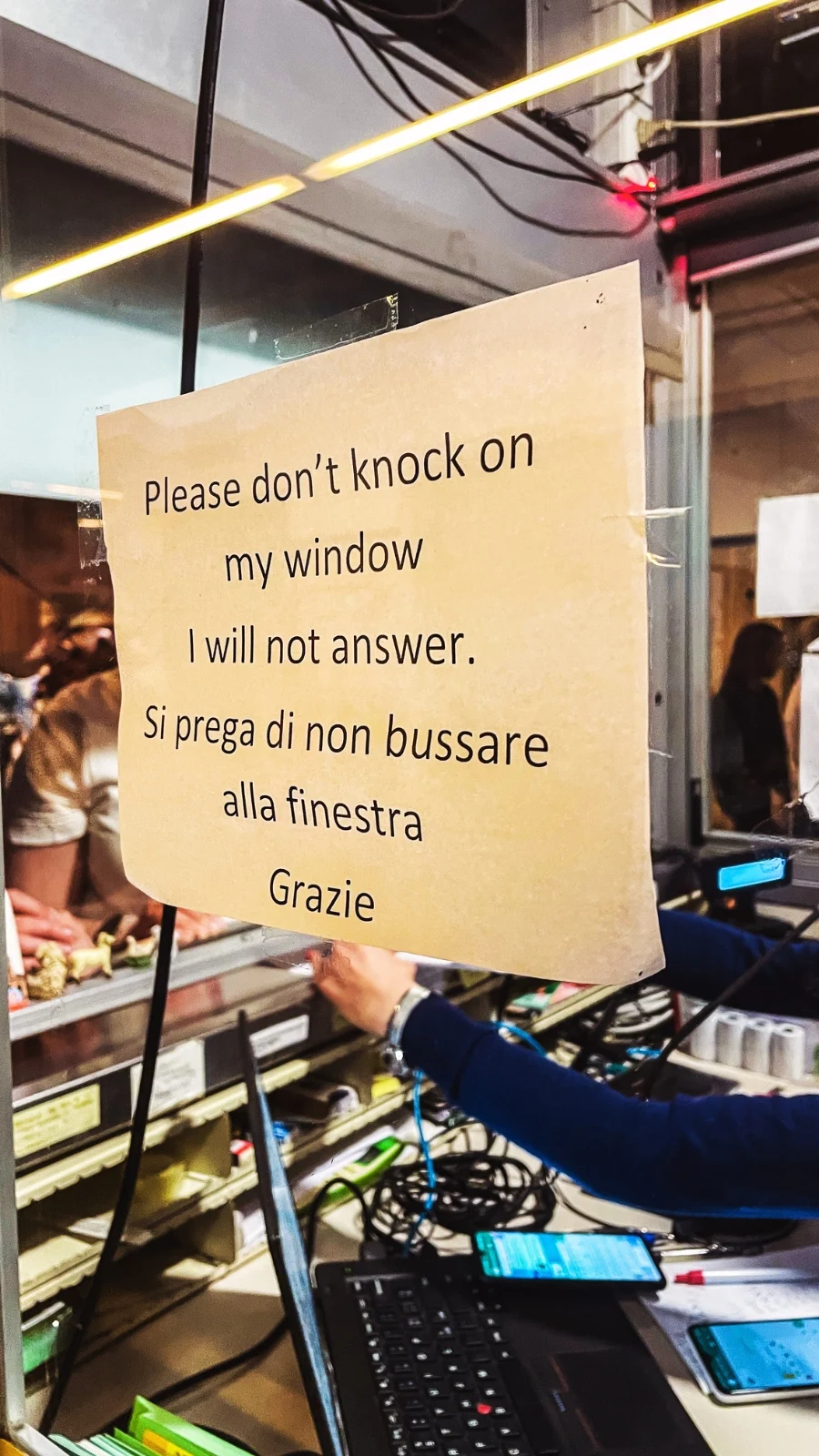
That’s something not many people will enjoy, but as a French/Moroccan person, I loved how direct and snappy Romans are.
They will usually go for the shortcut and be overly straightforward when telling you something; that’s something I miss when I live in France, and missed a lot in London as well.
I guess having been raised in the Moroccan culture, I like directness and honesty; I’m like that myself and fit right in Rome when I moved there.

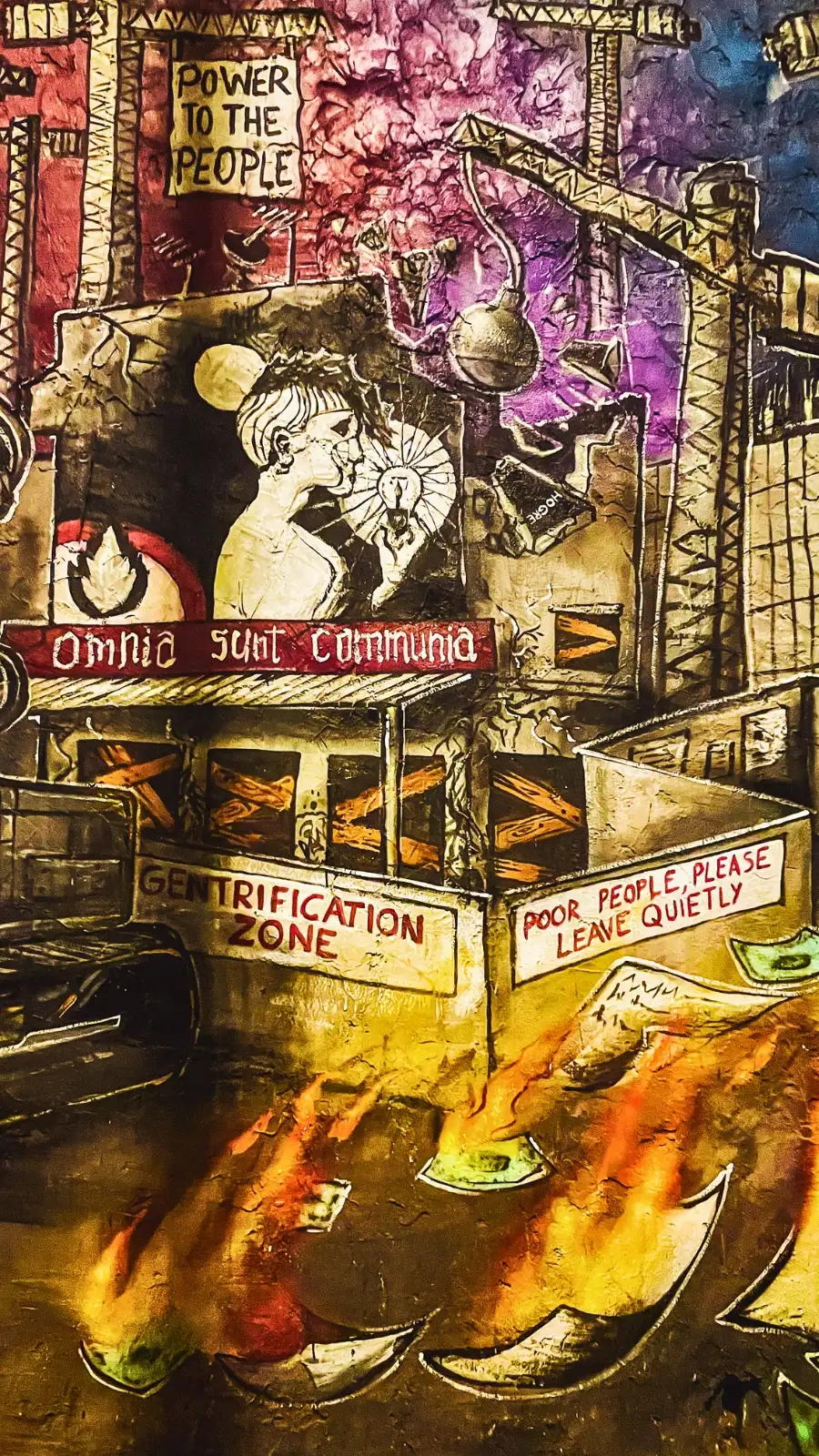
There’s also something that no one really talks about, that you know only when you start blending in: Romans, and Italian people in general, are angry.
The local youth is resistant against any kind of injustice, and that’s a recurrent theme not only in street art culture, but also in daily discussions about work, minimum wage and the government.
Most people are scraping by here, at least that’s what I’ve been told in all the areas I’ve lived in.
But I guess that had I lived in Parioli or Prati, I might still have heard the same kind of things.
That’s why you have lots of social centers here where young Roman gathers.
Travel blogs just won’t tell you that people have control over little to nothing here, and I guess that’s why the rave culture/smoking/drinking is so potent here.
Read: The Most Secret and Free Museums in Rome
Local Symbols of Living in Rome: The Bus and Trains That Never Come and Overheating Trams

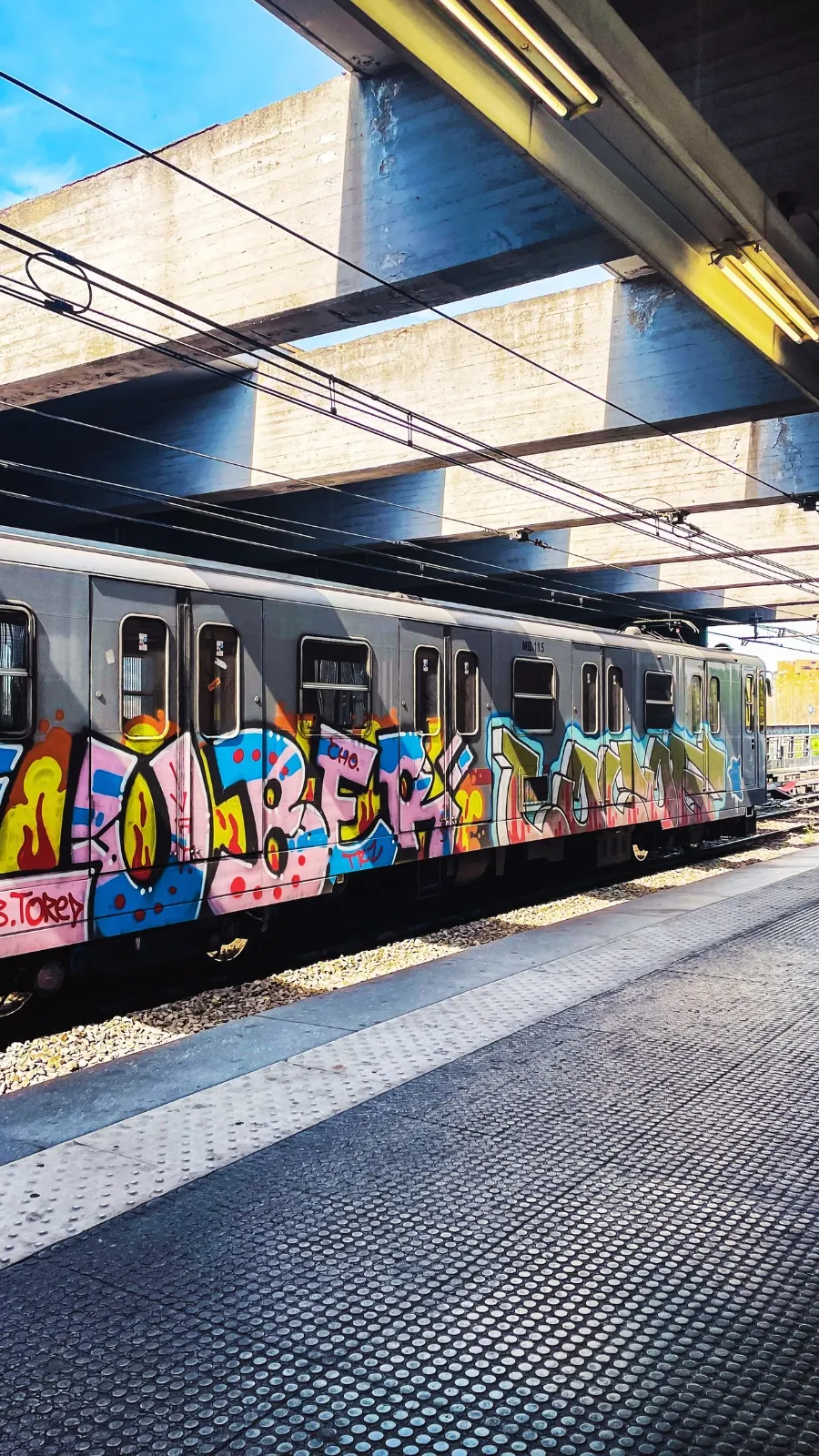
Ask anyone living in Rome what they hate most, and if the answer often is taxes or rent, that’s still not it.
It’s waiting for the bus. Like the ghostly H that takes you straight from Termini Station to the Trastevere neighborhood.
You check the ATAC app or Citymapper. It says due in 3 minutes. Then 1. Then disappears entirely.
You walk. And then, more often than not, you get overtaken by it halfway to your destination. Bruv…
And then there are the trams. Gloriously vintage, hopelessly hot in summer.
Tram 3, Tram 19, Tram 8 if you’re lucky—metal boxes that crawl and cook you alive.
But when one finally comes, when you’ve literally just about given hope, you board, happy and just tired of surviving every single time you come out to the center of Rome.
Read: How to Use Rome’s Public Transport
Local Symbols of Living in Rome: The Poeta della Serra, Er Buio, Er Foco and Er Pinto Rhymes

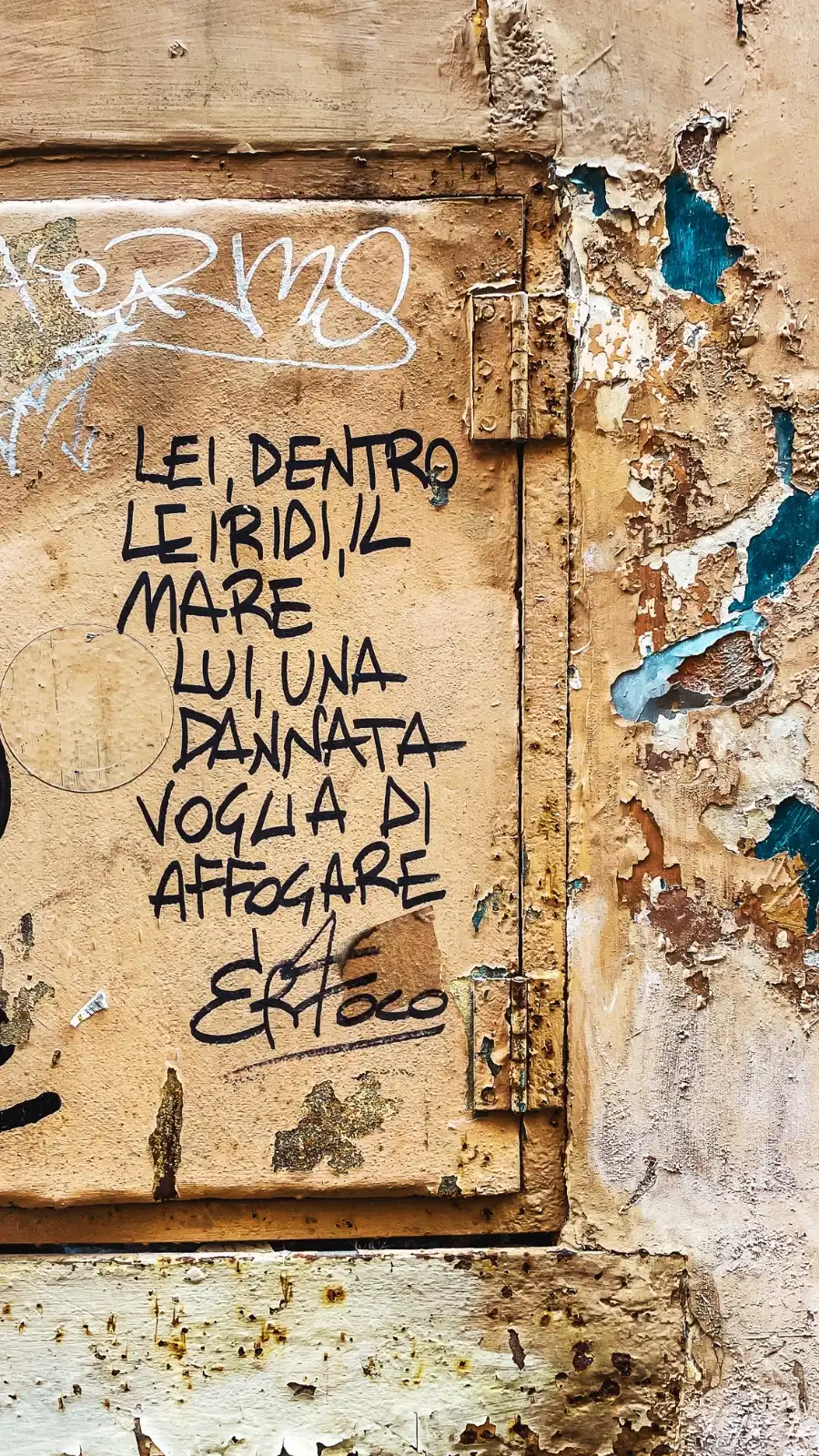
If you don’t read the walls, you miss half of what’s being said. That’s reason enough to learn Italian, to be honest.

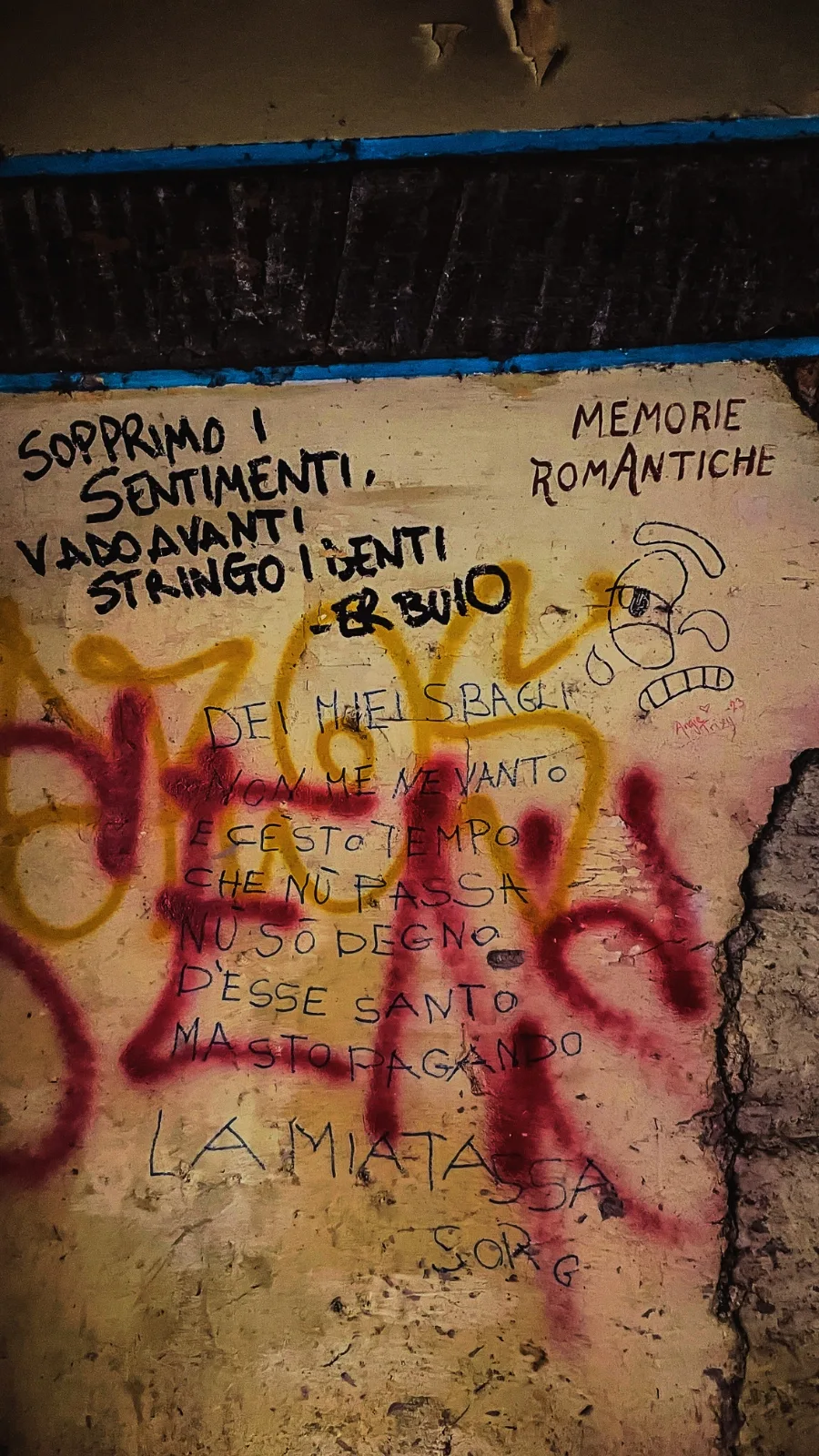
In Centocelle, in Pigneto, in Trullo, in Torpignattara, in San Lorenzo, in Testaccio and in Trastevere, verses appear on walls like confessions.

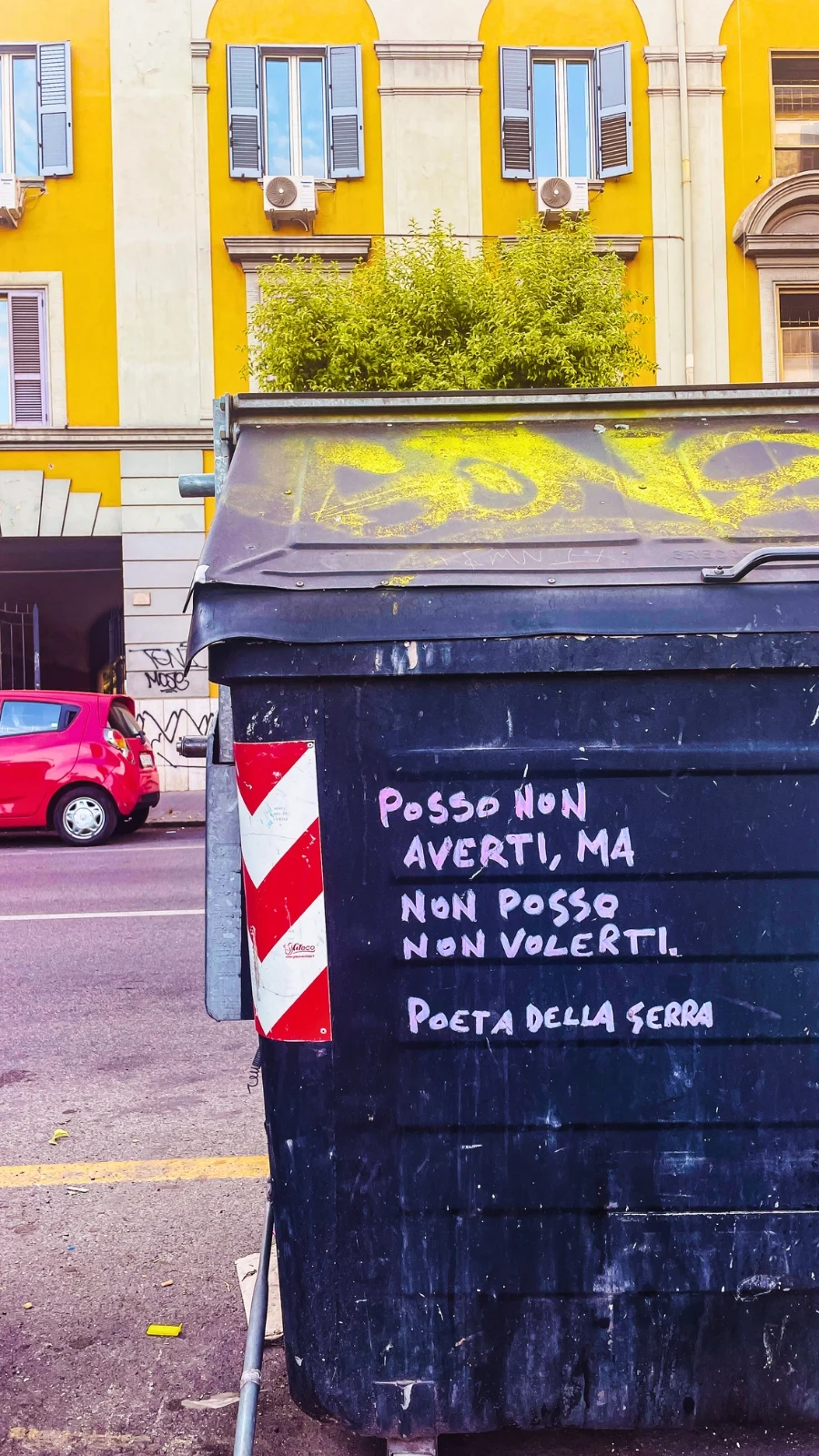
There are several Roman street artists that write short, rhyming poetry in a true melancholic romanaccio:
- Poeta della Serra
- Er Pinto
- Er Foco
- Er Buio

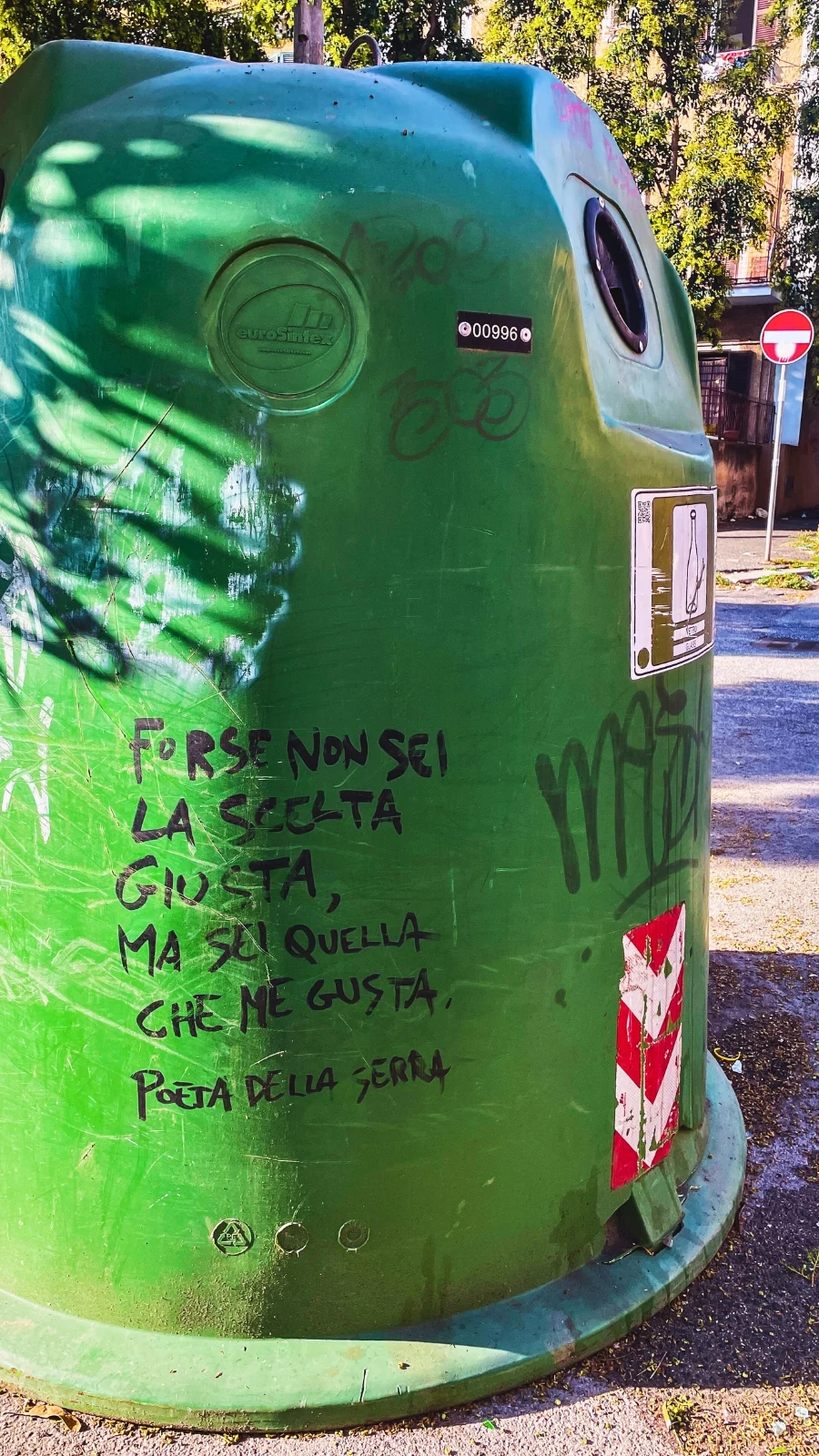
There are others, and their words cut like glass; sometimes beautiful, sometimes brutal – these aren’t your classic graffiti tours.

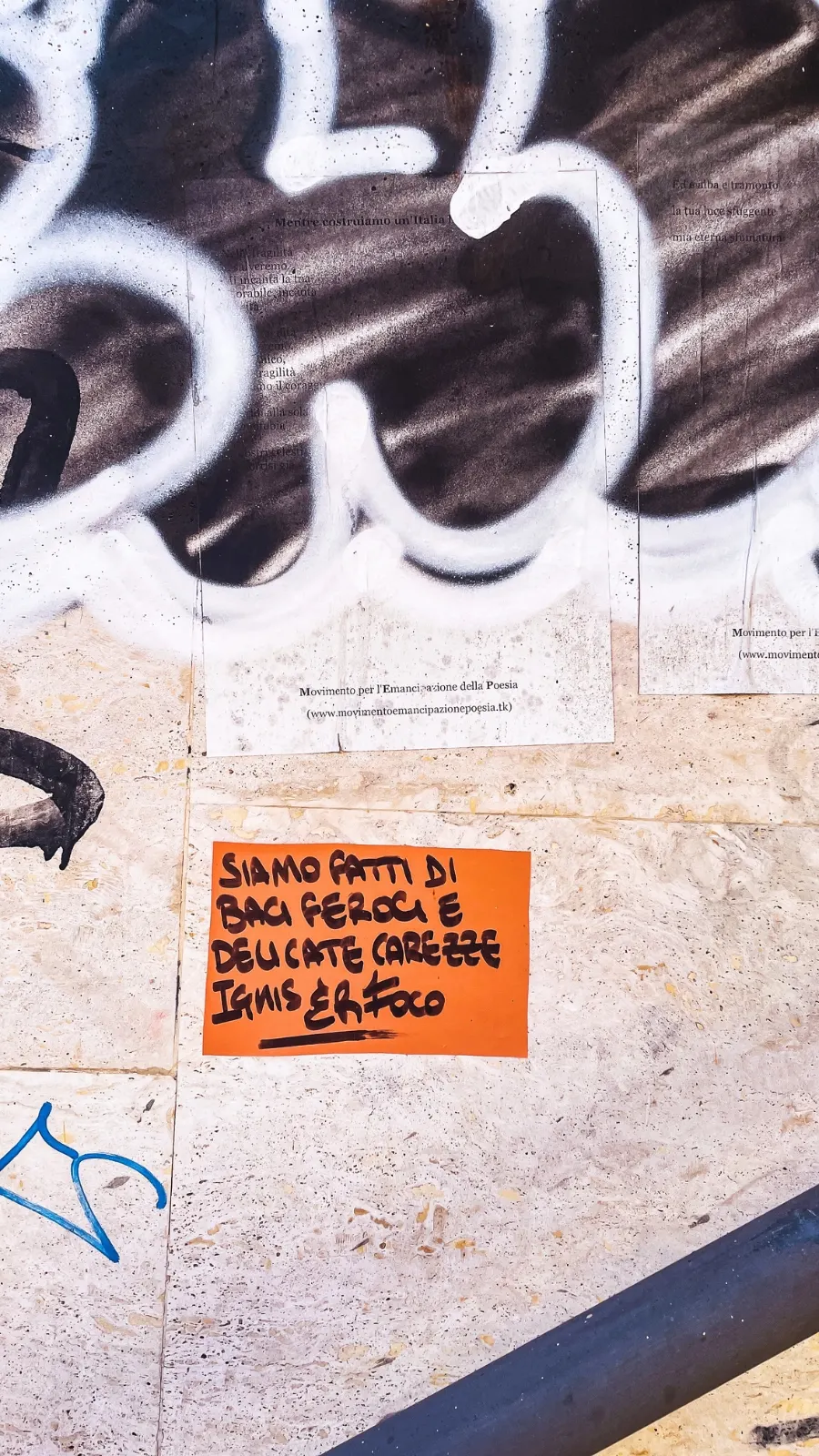
They’re notes left on the trash bins and on the walls for anyone who’s paying attention, and I have to admit this type of street art, really representative of Rome, is one of my favorite things about the city.
Read: The Most Instagrammable Places in Rome
Local Symbols of Living in Rome: The Particular Shadows on Buildings

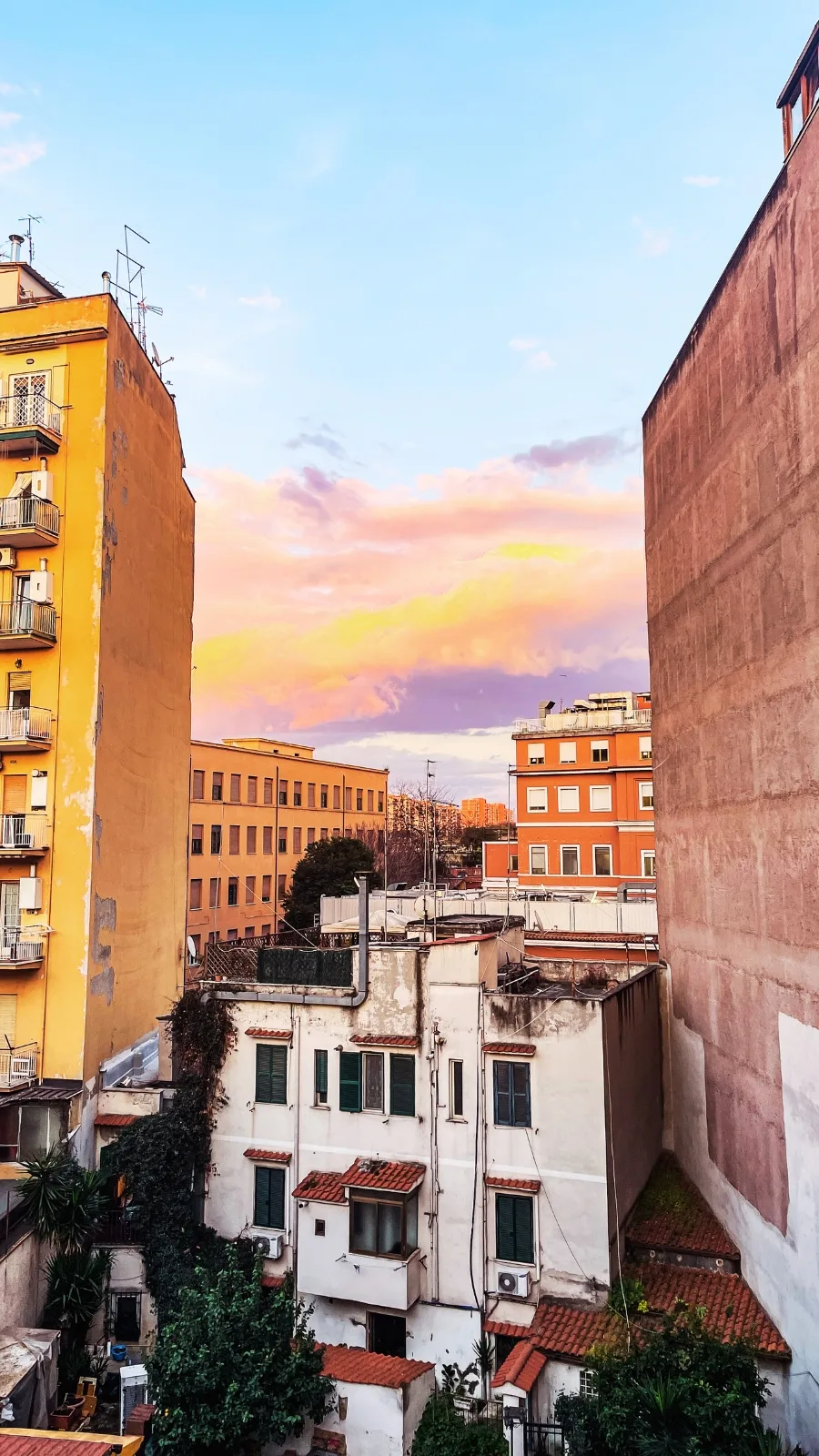
Pictured above is the view I had from my latest apartment in Torpignattara; why does no one talk about the particular way the sun sets in Rome?
I’ve always been in awe when looking at sunrises and sunsets, but in Rome, the shadows are crisp and sharp against the old buildings – it’s so poetic and might be normal for others, but to me, it’s a poetry overload.

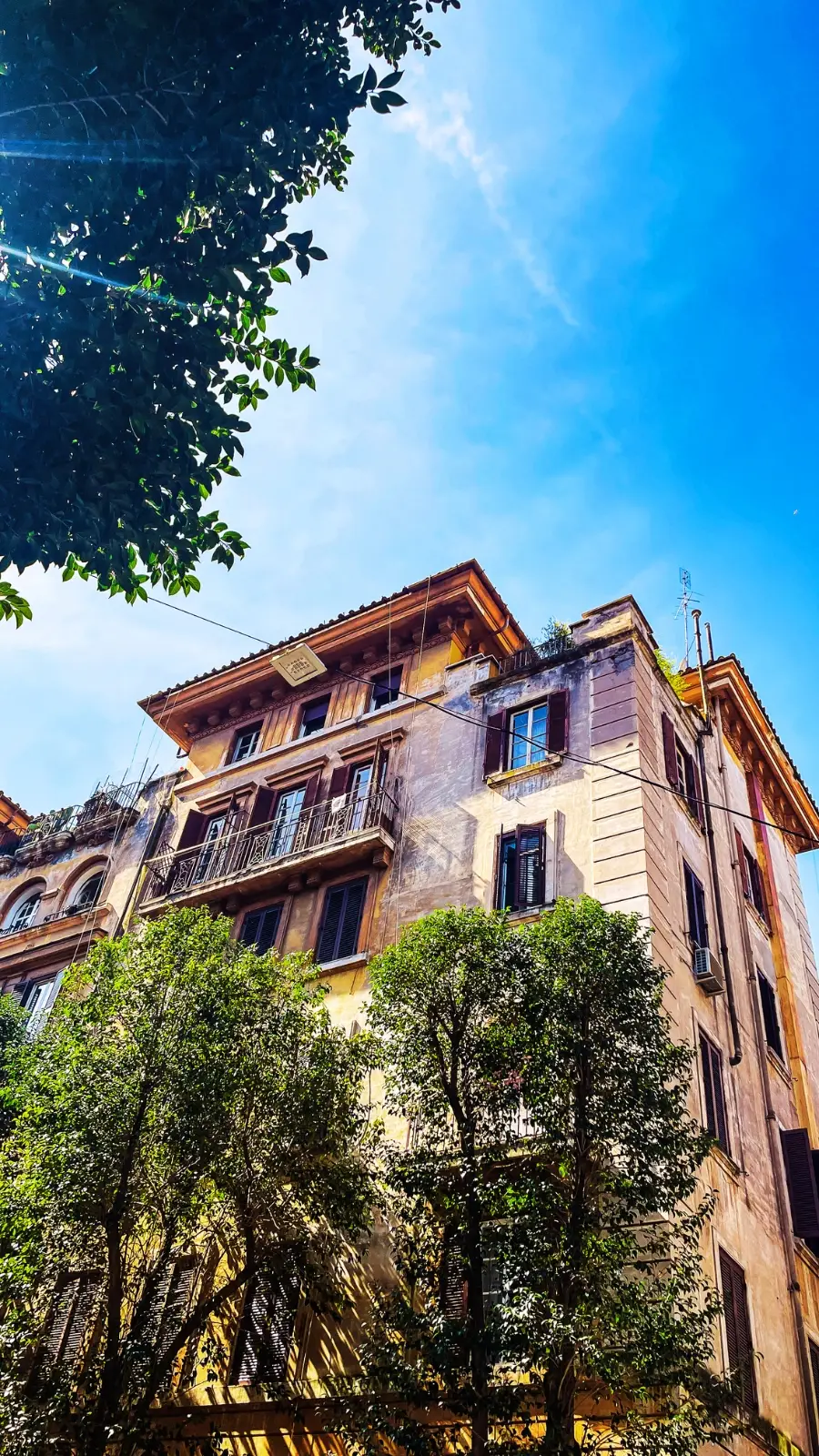
Whenever I feel sad or feel myself overthinking, I’ll just go out and wherever I am, no matter whether it’s a posh or local neighborhood, I know the shadows will lift up my mood.
Read: The Best Day Trips from Rome
Local Symbols of Living in Rome: The Quick Espresso Shot at a Cafe Counter

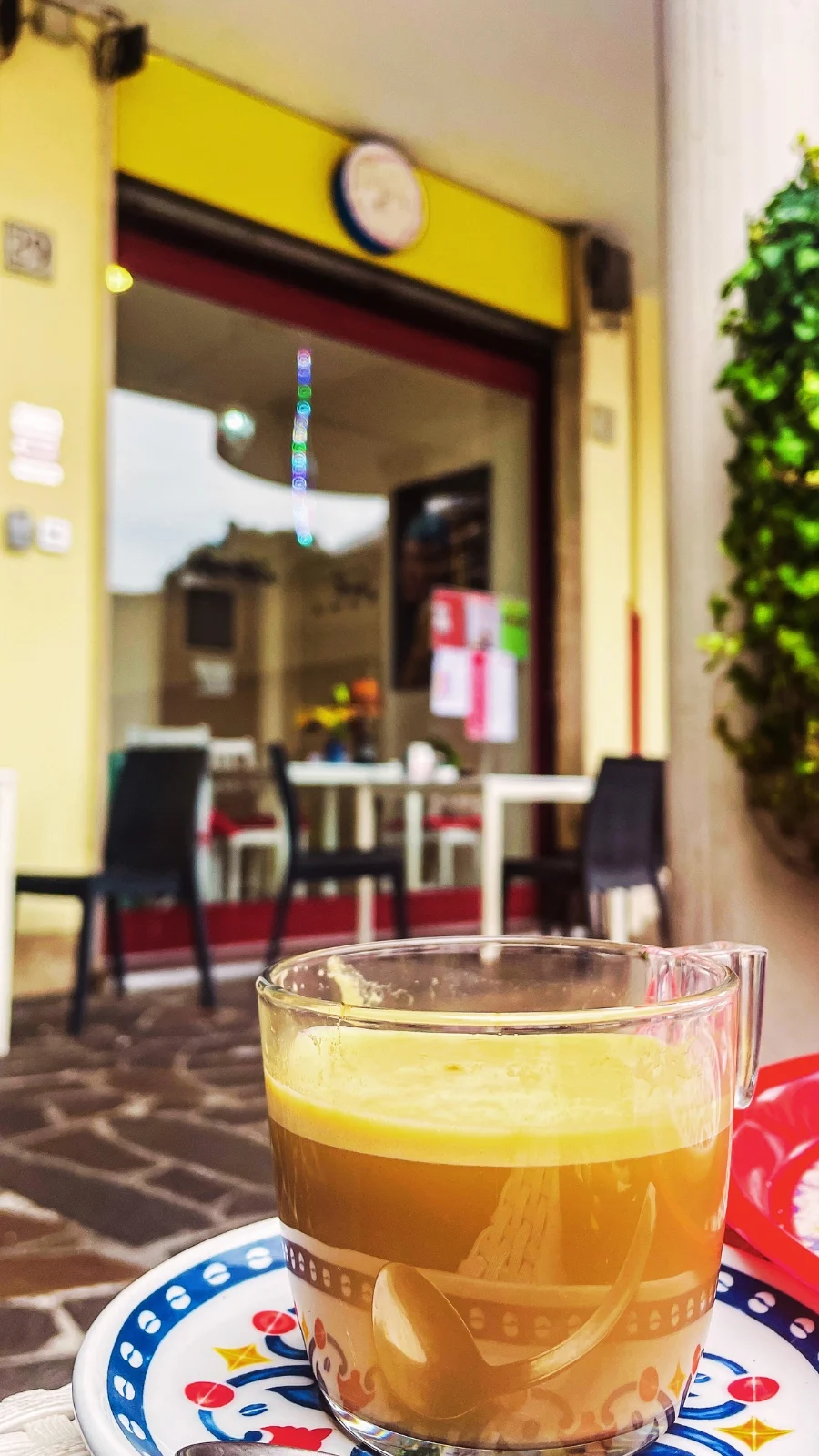
There is nothing romantic about getting your coffee from the corner bar – no lingering, staff that barely smiles.
You walk in, mutter your order, down the espresso, throw coins on the counter.
If you’re lucky, there’s a cornetto rimasto (a croissant left). If not, you move on to some crostata or a bomba alla crema.
This is not coffee culture as we know it in London or Paris; it’s a pit stop.
The regulars might know the person behind the counter by name but barely say two words.
In Rome, a cafe is not a destination per se. It’s a pause. And living here means knowing that pause by heart.
Read: The Best Cafes to Work in Rome
Local Symbols of Living in Rome: The Street Art on Trash Cans

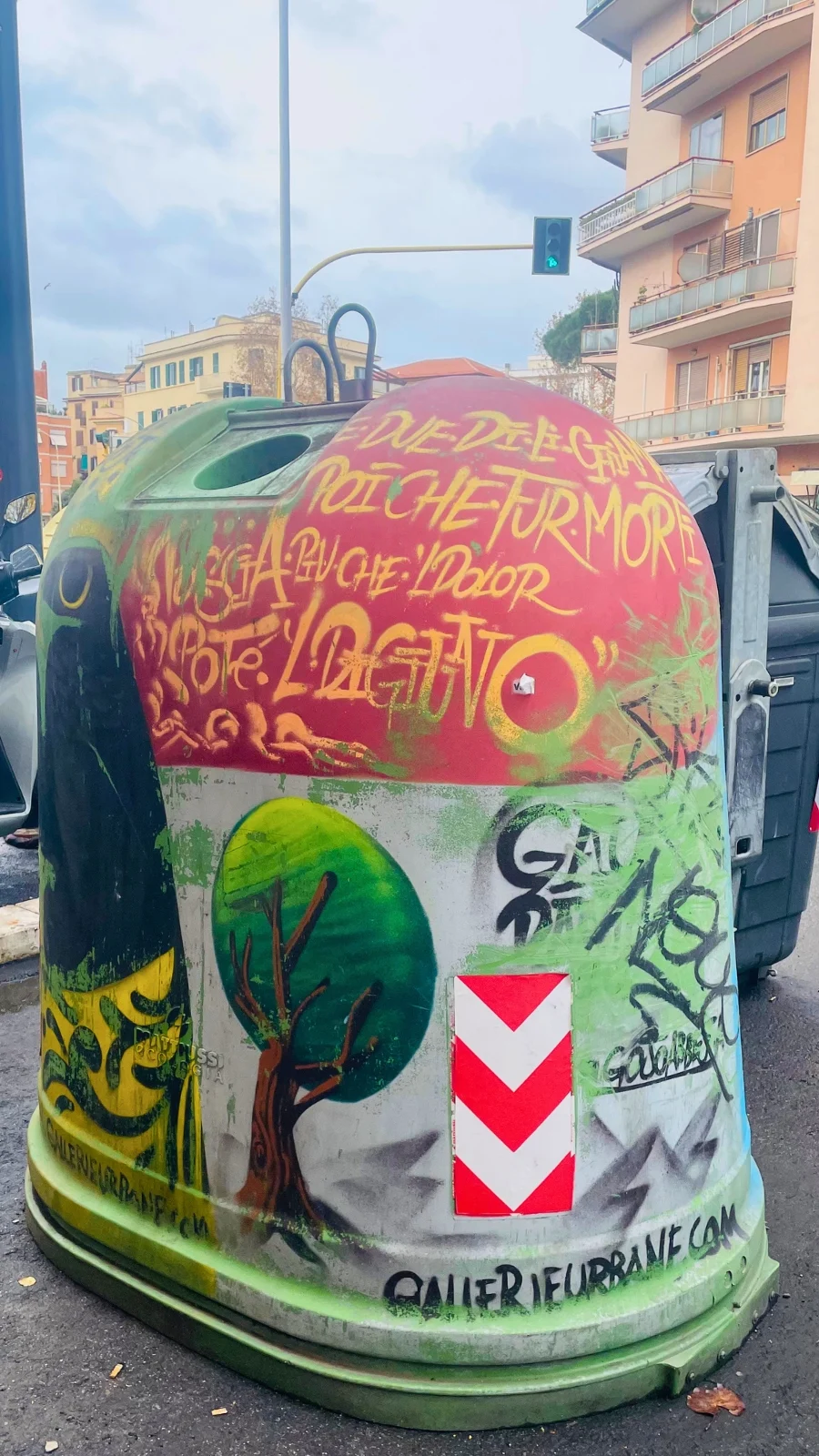
In Testaccio, in San Lorenzo, in parts of Garbatella and Marconi, and mostly in Baldo degli Ubaldi, even the bins have stories.
They wear cartoon faces, scrawled rhymes, football stickers, and tiny memorials to people you’ve never met.
A trash can might say “Ti Amo” or “Forza Lazio” or “Stop Evictions.”
Some have been painted fully by local collectives, others change every week.
In Baldo degli Ubaldi, the bins are different. Here, many carry stencil-style street art – actual layered images and intricate designs rather than rhymes or slogans.
These are not quick tags but full compositions, visual interventions on urban decay, and something to rejoice when the day feels grey.
Read: The Best Things To Do During Spring in Rome
Local Symbols of Living in Rome: The Small Used Markets Outside Stations

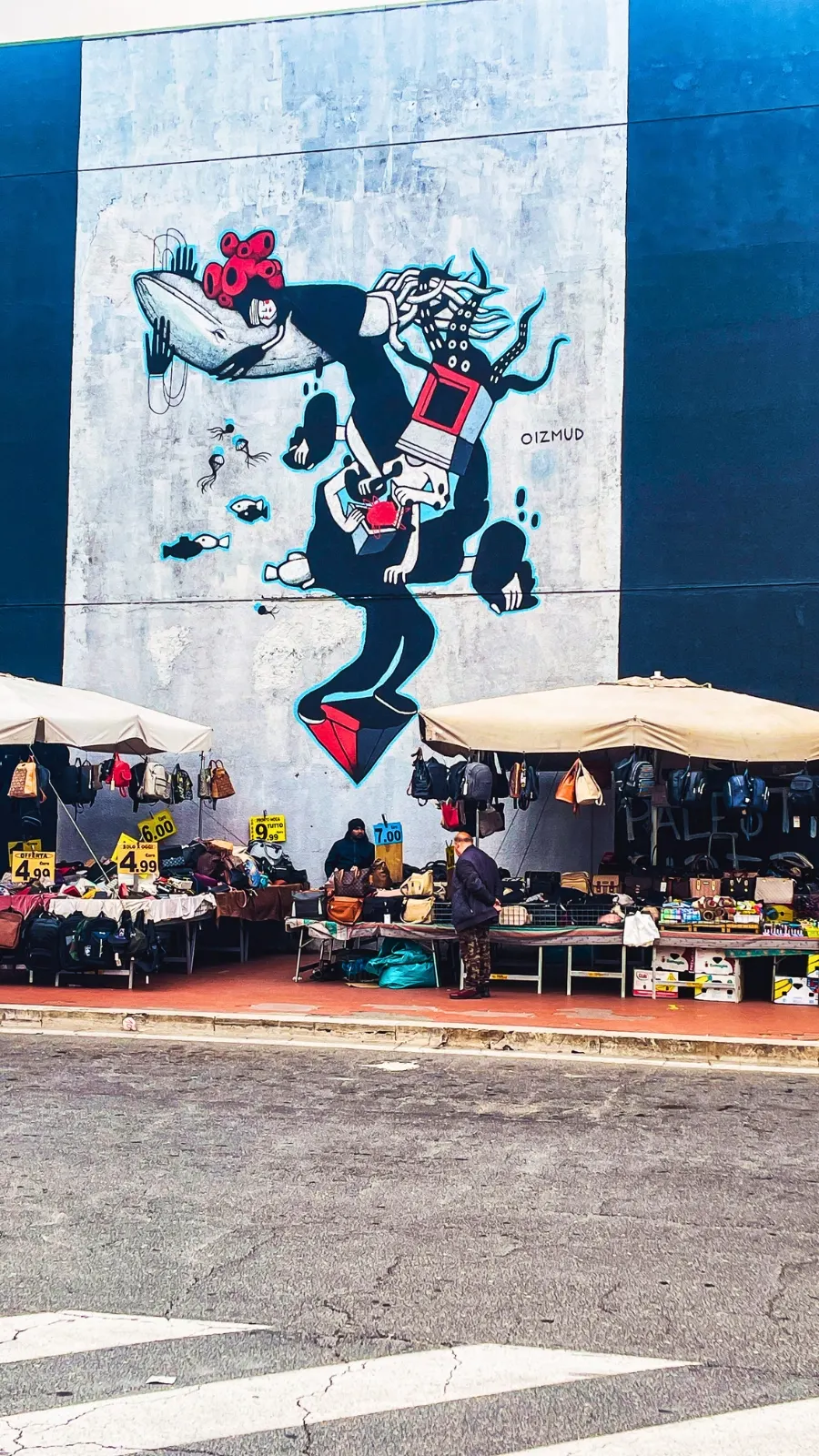
I’ve mentioned Porta Portese Market in the past, but there are many more markets around Rome filled with used clothes that retail for 50 cents, 1 euro, or a little more for stuff like leather jackets.

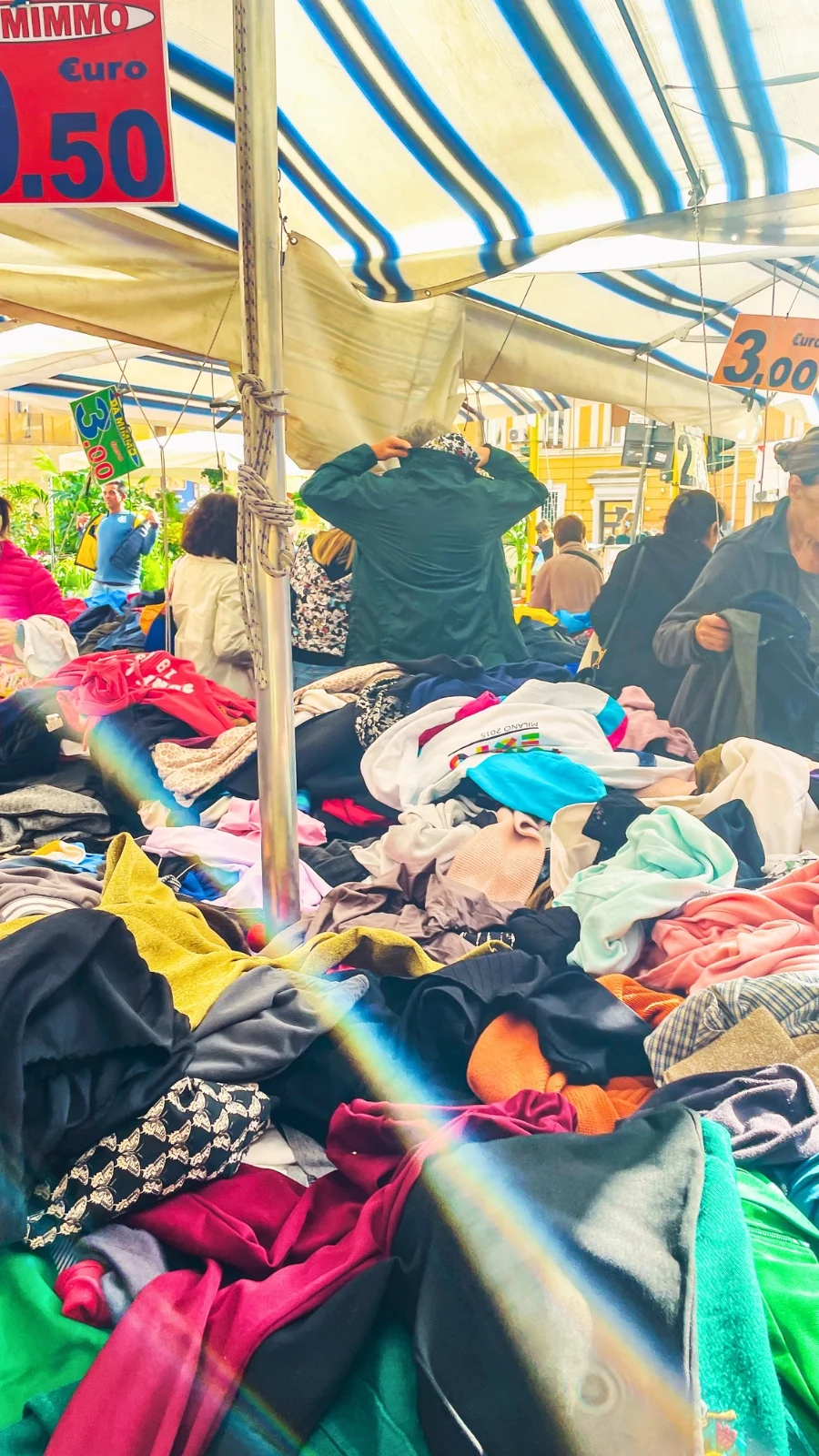
My favorites are the ones near Piramide (close to the Cimitero Acattolico) and the small one right outside Ponte Mammolo station (ATAC side, not Cotral side).
There’s also a used market at San Lorenzo, just steps away from the piazza and the church – you can find anything from real Italian food specialties to used clothes and books.
You know you’re bound to find something good when you pop by, and it’s something so local that most commuters don’t even check these markets anymore.
Read: The Best Bakeries in Rome
Local Symbols of Living in Rome: The Termini Pickpockets
The Termini pickpockets, mostly found on the platforms of the Metro B, are such a symbol of Rome that you end up amused.
You learn fast. You zip your bag. You check your phone. You scan the crowd.
Termini is a battleground of tired tourists, impatient commuters, and invisible thieves, and there are no signs to warn you.
Only the local instinct that clicks into place after one wrong move.
These pickpockets are skilled, often in pairs or groups, sometimes kids but mostly women.
Living here means knowing the layout of Termini better than your own kitchen. And knowing when to get out.
Read: The Best Ice Cream Shops in Rome
Local Symbols of Living in Rome: The Resellers of Water Bottles at the Colosseum

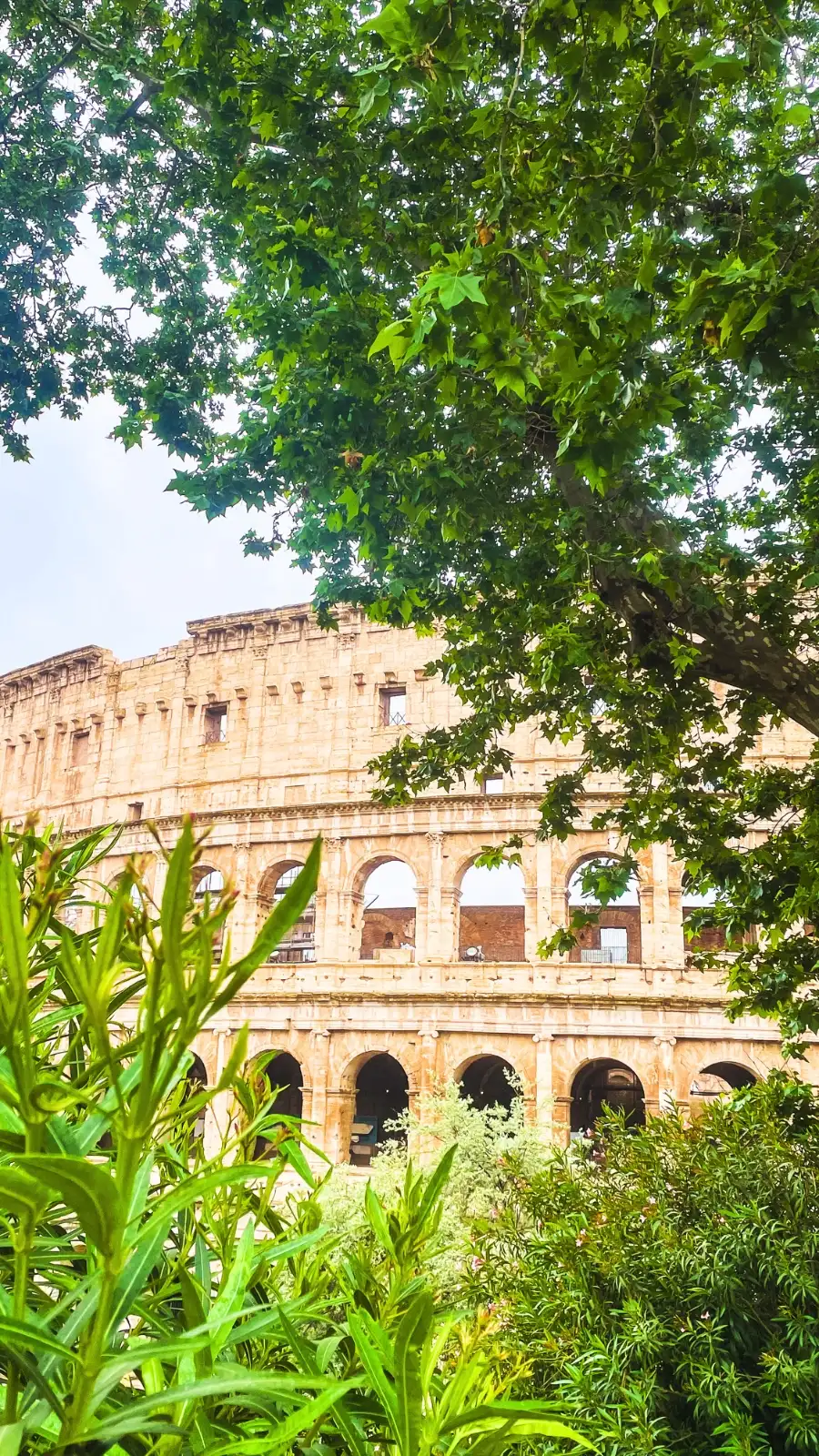
When you’re a tourist, the resellers of water bottles at the Colosseum and near famous landmarks like the Trevi Fountain can really save you.
They walk with coolers. They whisper “Acqua un’euro” a hundred times an hour.
In July, they are salvation. In December, they are ghosts.
Mostly migrants, often undocumented, most often ignored.
But they are essential to the tourist economy of Rome’s most famous monuments.
If you live here, you see them differently; they can get on your nerves when you walk past the Colosseo, and yet, they’re part of the local landscape.
Read: The Best Shopping Spots in Rome
Local Symbols of Living in Rome: The Mercatino dell’Usato, Various Locations

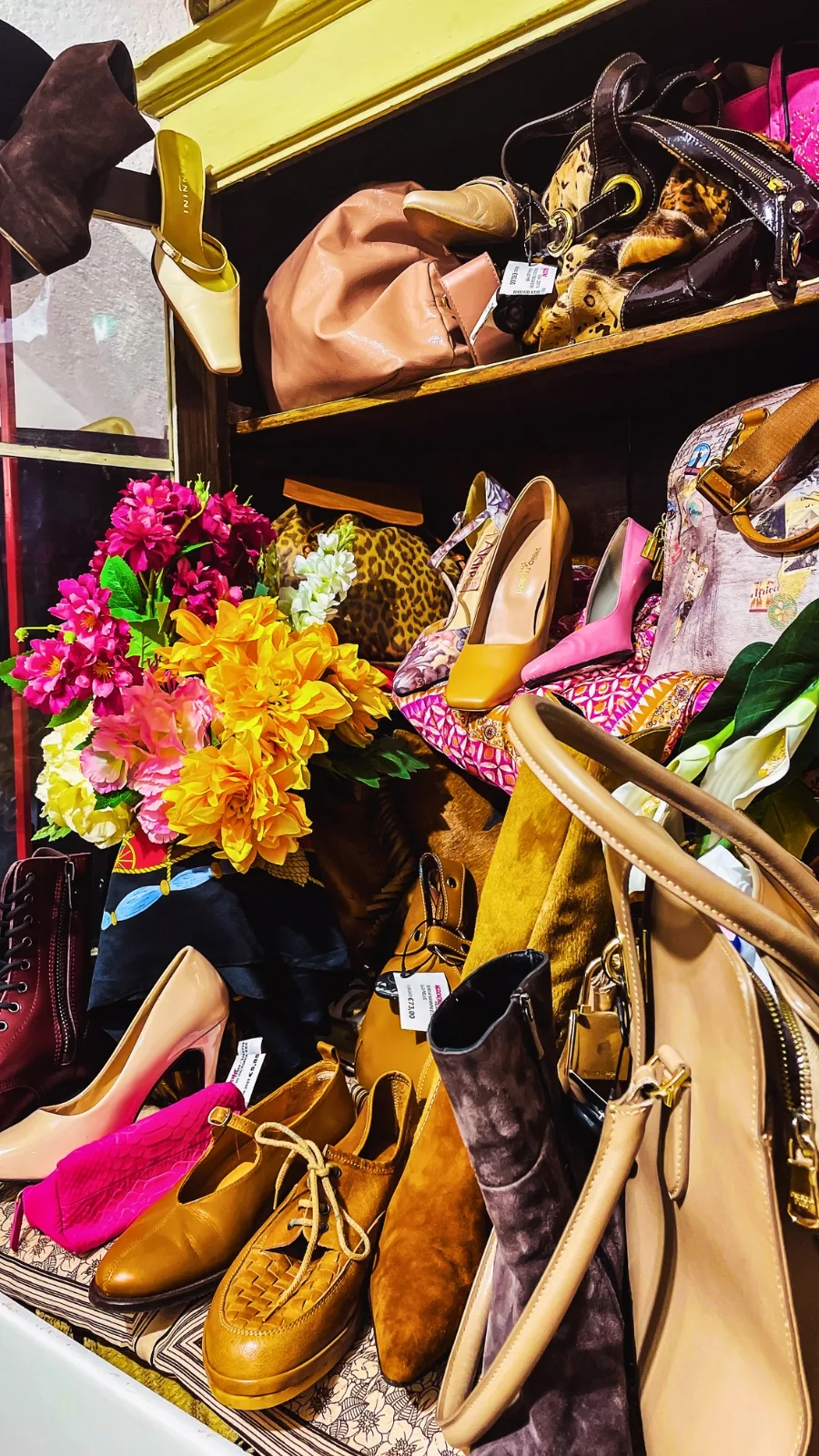
You can get some really cheap clothes and accessories in Rome if you know where to look.
One of my go-to spots is the Porta Portese Market, not too far from Trastevere, but if you want to shop the local way, then you have to know about the Mercatino dell’Usato.

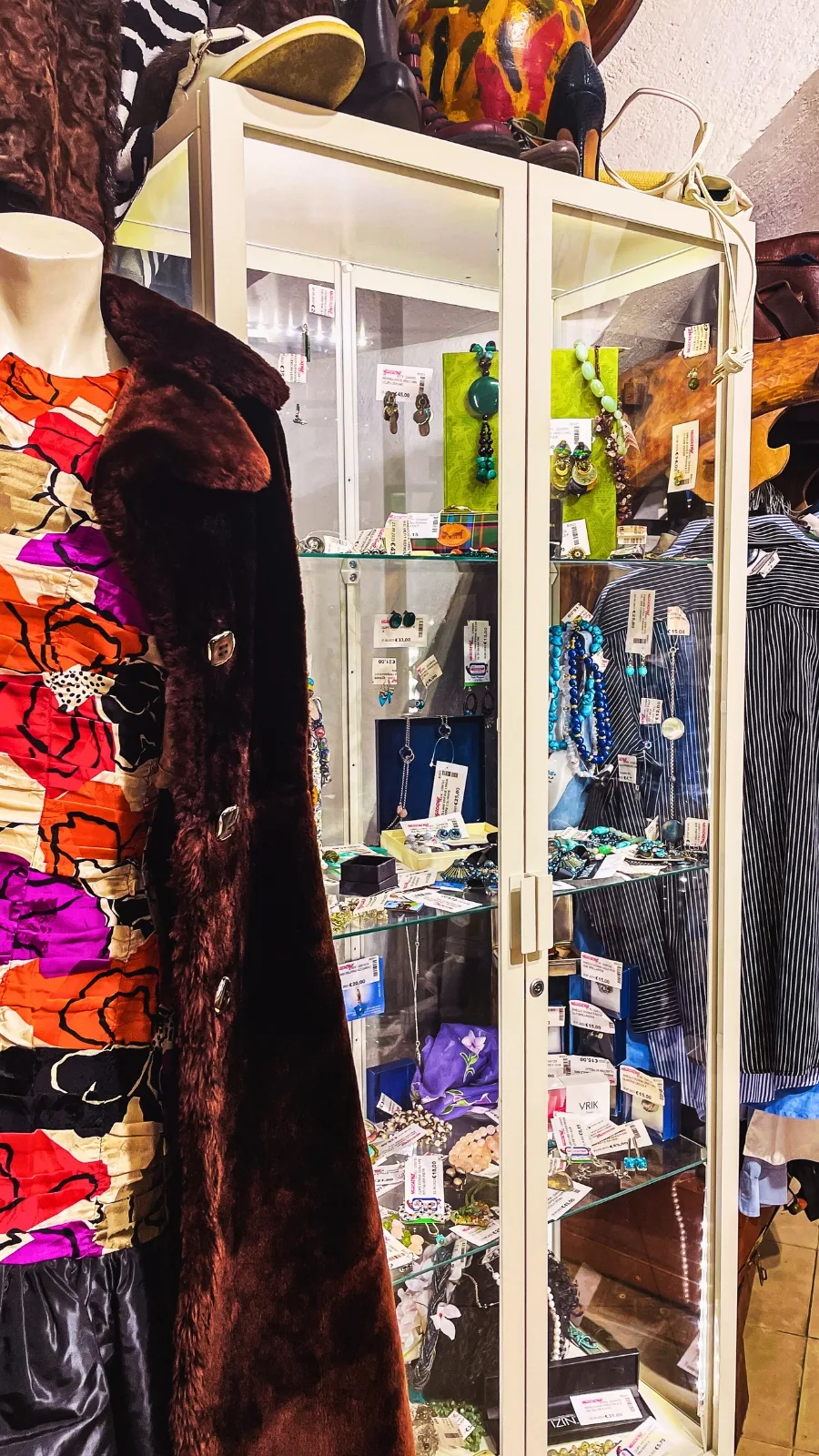
As a lover of London’s charity shops, I was curious whether Rome would have the same kind of spots – the Mercatino dell’Usato is it, and it’s wonderful for vintage and used stuff.
There’s one or two in lots of parts of Rome; my favorites are the ones near Torpignattara and the one at Porta Maggiore, walking distance from San Lorenzo.

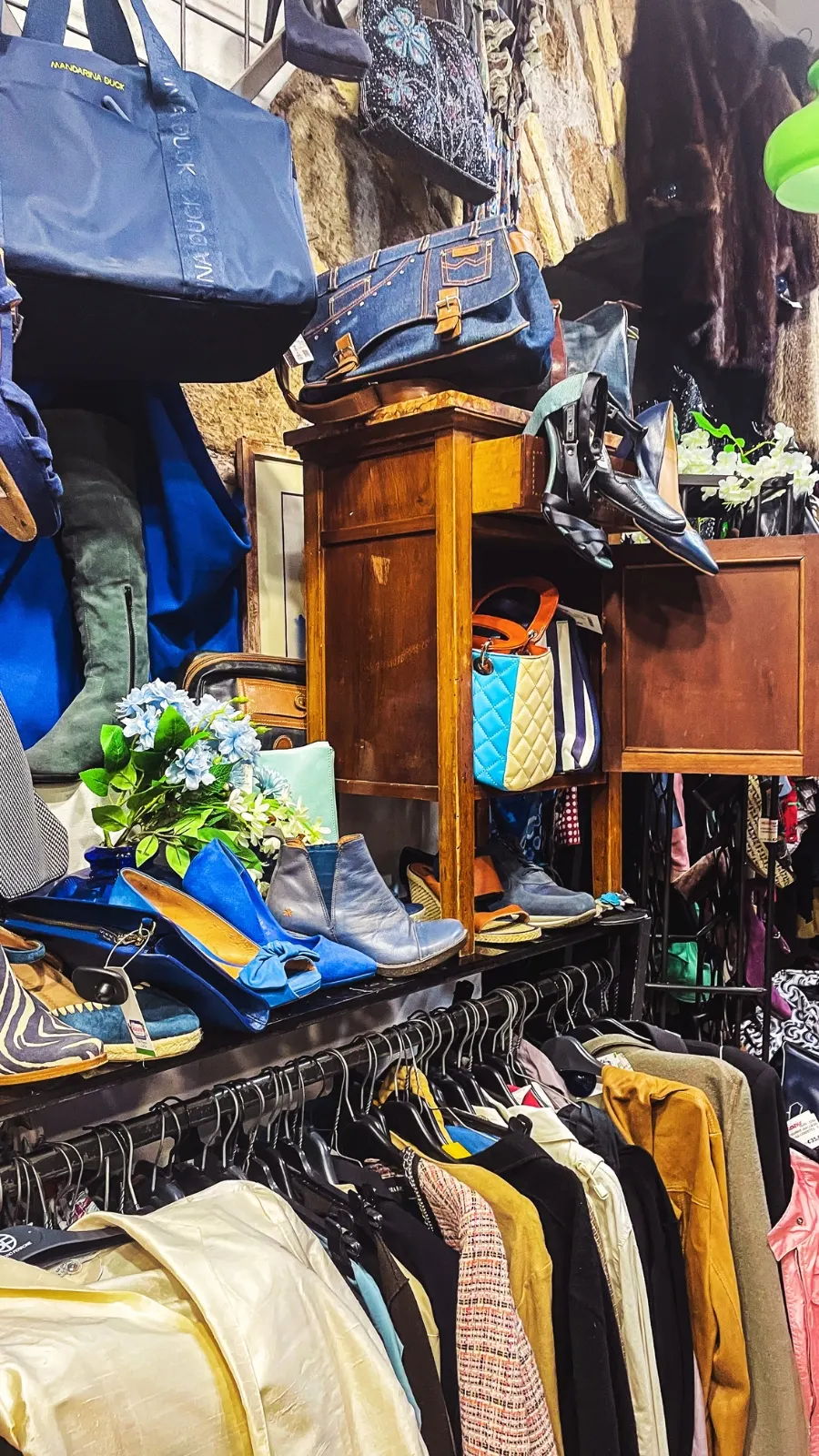
These feel like flea markets built on leftover decades, look like junkyards and yet, function like oral histories.
Rotary phones, rows upon rows of shoes and handbags, vintage coats, books and old cameras – I guess the only thing you can’t buy there is happiness.
It smells like basements and old plastic in there, you go in for a coat, you leave with a mini sculpture and three books.

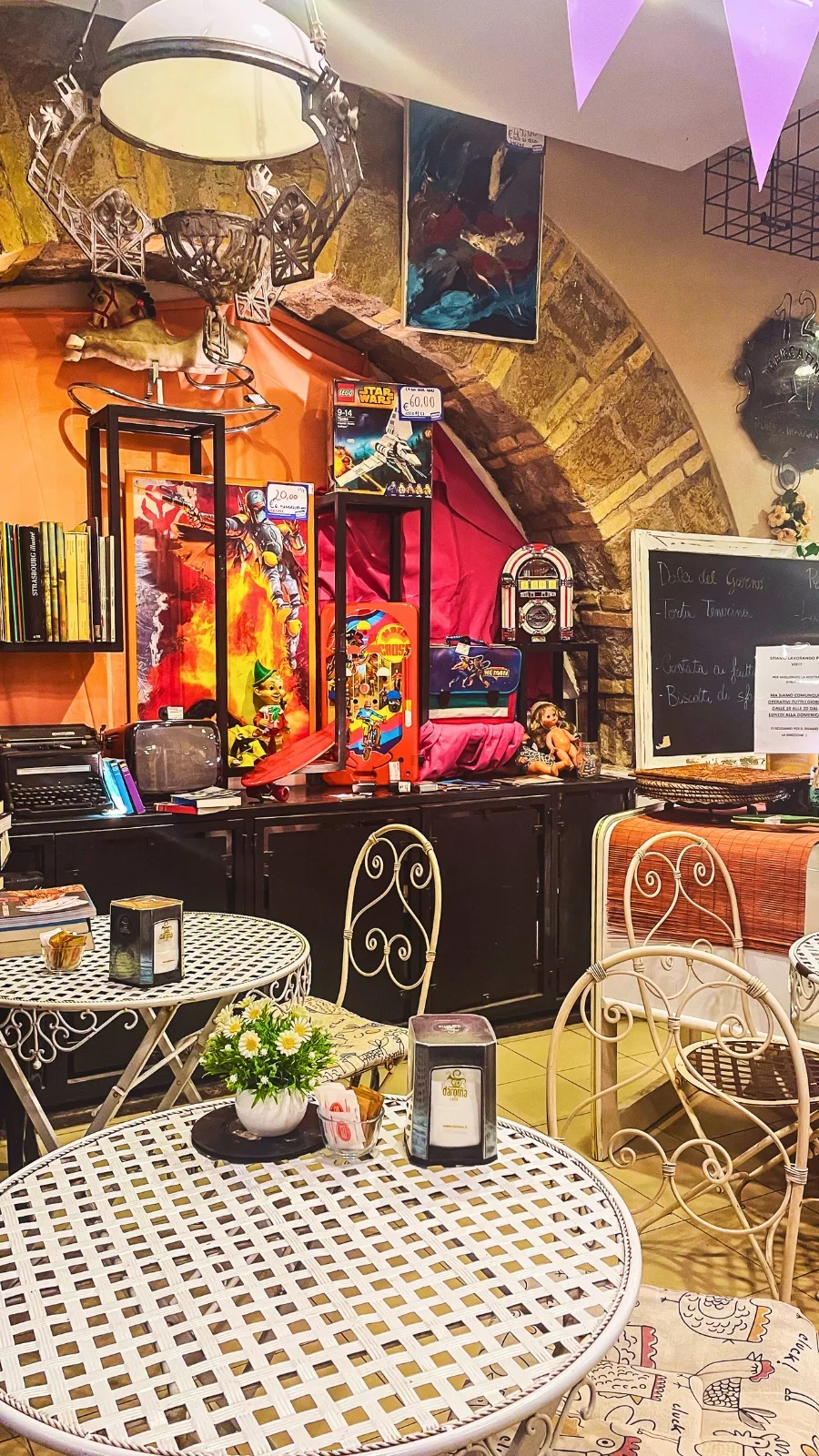
In the Mercatino dell’Usato at Porta Maggiore, there’s even a small coffee shop inside; I’m unsure when the cafe is actually open.
Can’t do more secret if you’re looking for secret spots for breakfast in Rome, though.
I can’t even tell you where to find the best items – the whole mercatini are the best items.
It’s not just vintage boutiques; it’s warehouses of Rome’s discarded decades, and it is a shopper’s dream.
Read: The Best Vegan Restaurants in Rome
Local Symbols of Living in Rome: Zion Beach
Zion Beach is not a metaphor; it is a real coastal stretch along Via Litoranea between Ostia and Anzio, near Torvaianica.
Known mostly by locals, it’s where Roman summer escapes unfold away from organized lidos and paid beaches at Ostia that most blogs mention.
There are no reservations, just towels, voices, sea breeze, and music coming from somewhere.
The sand is wild, the access informal, the atmosphere constant; Zion Beach is a place where young Romans come to gather and spend the day, and part or the entire night there.
Read: The Best Halal Restaurants in Rome
Local Symbols of Living in Rome: Tor Marancia, Trullo and Other Secret Neighborhoods

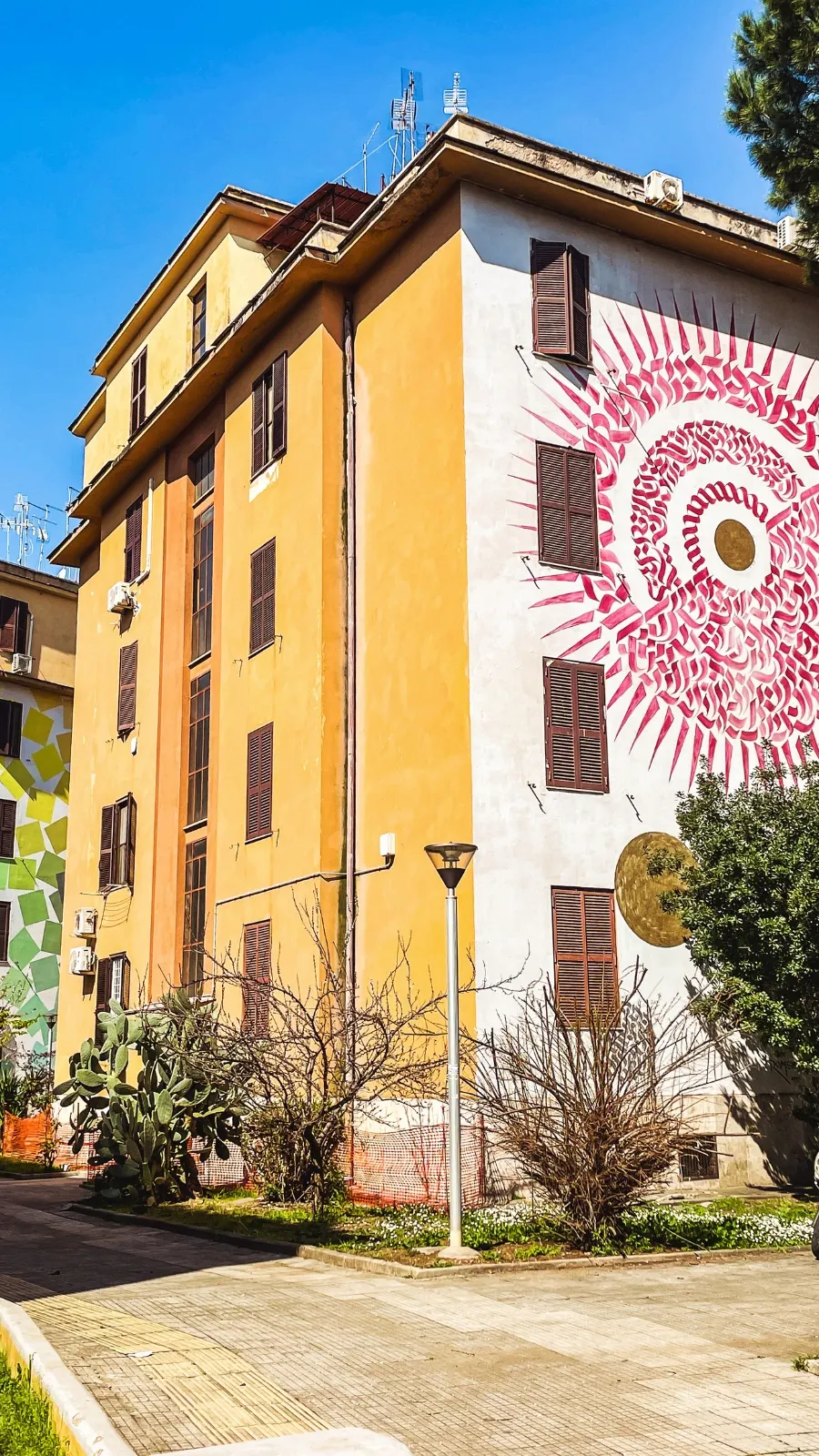
If you’ve never seen the murals at Tor Marancia, you’ve never seen Rome speak in color.
A ballerina hovers ten stories high. A child peers through a painted curtain.
Via del Trullo and Viale Ventimiglia are also filled with poetry and portraits stenciled on every wall.
Garbatella hums with political memory and modern resistance from the local youth.

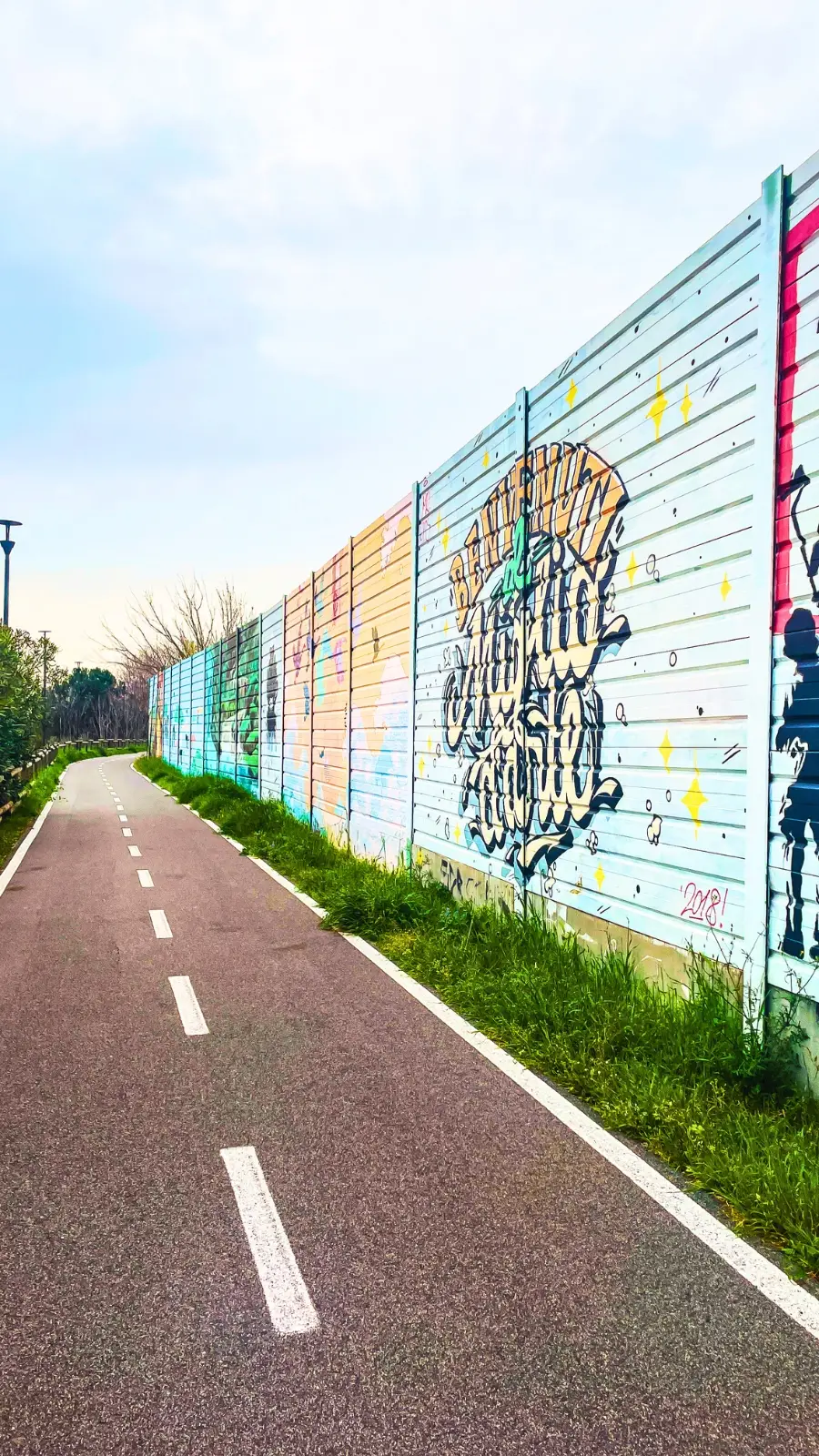
Other secret neighborhoods like Via dei Quintili or Il Miglio d’Arte in San Basilio offer lifesize pieces, all wonderfully colorful.
Living in Rome means learning these places by name, not just by map.
They are not “outside the centre.” They are the centre of what matters.
Read: The Most Instagrammable Cafes in Rome
Local Symbols of Living in Rome: The Nasoni, Rome’s Fountains

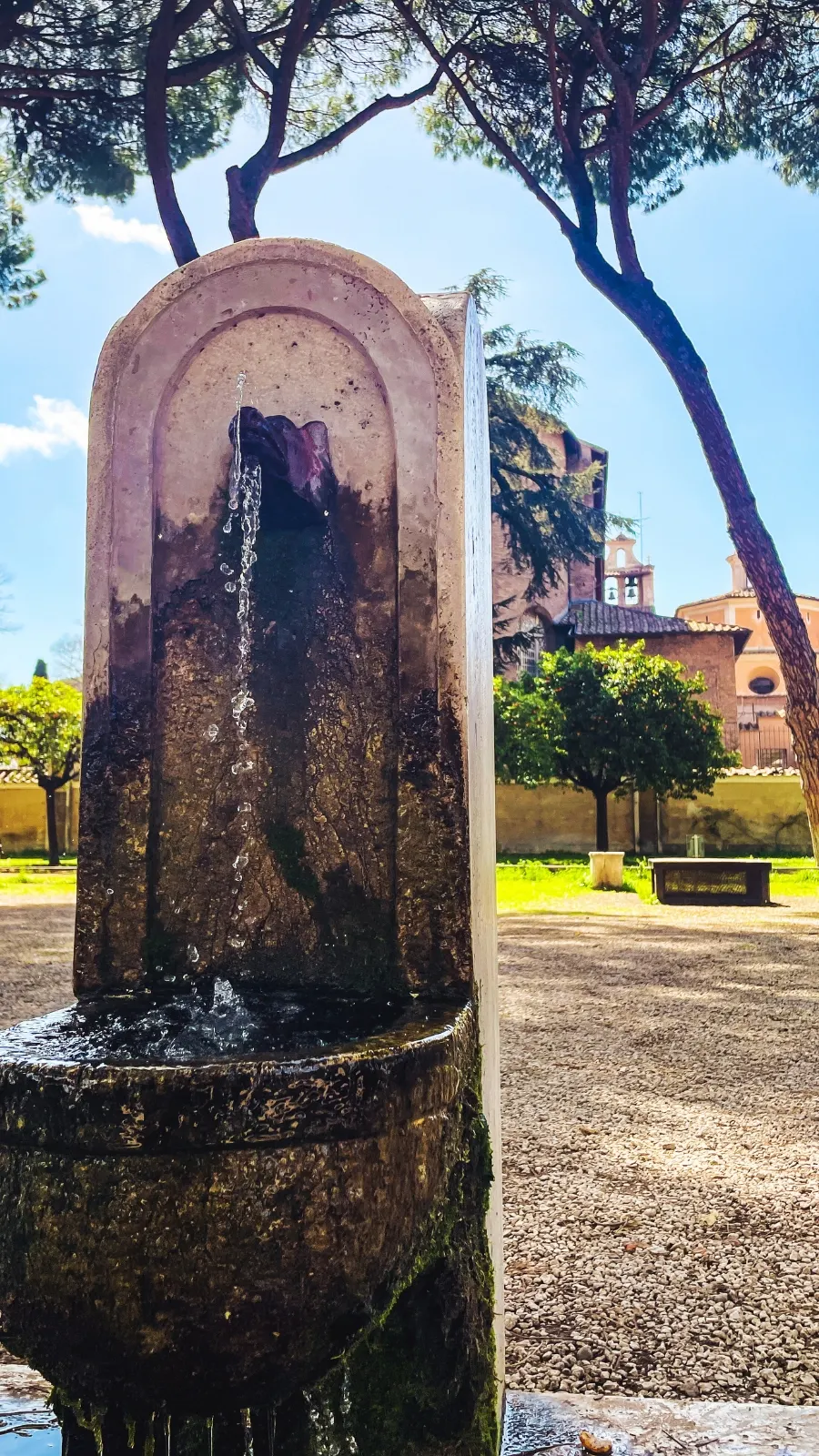
Stubby. Cast iron. Always on. Unless broken.
The nasoni don’t ask for attention, but they save you every single time.
You fill your bottle. You rinse your hands.
Some are prettier than others, like the one pictured above that comes from the Giardino degli Aranci in the Aventino neighborhood.
You drink the cleanest, the purest water in the city from a spout that never dries.
In a city that often forgets how to function, the nasoni never stop: and I promise this is some of the best water you’ll ever drink in your life
Living here means knowing which one is nearest… and which one works best.
Read: Villa Sciarra, Rome’s Historic Hidden Gem
Living in Rome: 10+ True Roman Symbols No Blog Talks About

Living in Rome is not about the ruins or the romantic promises you see in travel ads or on blogs.
Far from it.
It’s the overheard complaints at bus stops, the rhythm of espresso shots in the morning, the quiet dignity of street poets, and the chaos of a city that never fully works yet never falls apart.
These are the real symbols of Rome, the everyday sights that locals live by.
To truly understand Rome is to accept its flaws, to see its resilience in its rhythm. And once you do, you can never walk these streets the same way again.
Other Istanbul Travel
- The Most Instagrammable Cafes in Istanbul
- The Best Places to Go Shopping in Istanbul
- The Prettiest Neighborhoods in Istanbul
- The Most Instagrammable Places in Istanbul
- The Best Cafes in Istanbul for Breakfast
- The Best Cafes to Work in Istanbul
Other Barcelona Travel
- The Best Cafes in Barcelona for Breakfast
- The Best Hidden Gems in Barcelona
- The Best Cafes to Work in Barcelona
- The Best Coworking Spaces in Barcelona
Other Paris Travel
- The Most Instagrammable Places in Paris
- The Most Instagrammable Cafes in Paris
- The Most Secret and Colorful Alleys in Paris
- The Most Secret Villages in Paris
- The Prettiest and Most Secret Gardens in Paris
- The Prettiest Neighborhoods in Paris to Walk Around
- The Best Free Museums in Paris
- 16 Beautiful Places in Paris to Visit For Photos
- 9 Aesthetic Streets in Paris To Wander Around
- 8 Best Spaces For Coworking in Paris 8
- 14 Best Cafes To Work in Paris & Study (Laptop Friendly)
- The Best Things to Do in Le Marais, Paris
- The Best Things to Do in Montmartre, Paris
- The Best Free Things to Do in Paris
- Floral Paris: Pretty Places in Paris From Spring to Fall
- Fall in Paris: The Most Secret Places to Visit
Other London Life
- London on a Budget: 20+ Travel Guides For Your Bucket List
- Living in London: Things I Have Learned Over the Years
- Homesick in London: 19 Places That Feel Like Somewhere Else
- The Must Have Apps to Survive in London
- The Best Supermarkets and Food Shops in London
- How to Save Money on Groceries in London
- How to Live in London on a Budget
- How to Eat in London on a Budget
- How to Make Friends in London
- How to Move to London – and Survive as an Expat
- The Best Tips for Student Budget in London
- The Things I Wish I Knew Before Going to London
- First Time Travel to London: All There is To Know
- London Travel Guides for Tourists and Locals
Other London Travel
- 10+ Hidden Peaceful Places Near London
- The Cutest Pink Places in London
- The Most Colorful Places in London
- The Best Neon Places in London
- The Most Instagrammable Places in London
- The Best Street Art Neighborhoods in London
- The Best Multicolor Places in London
- Why Are There Colorful Streets in London?
- Where to Find Shakespeare Sculptures in London
- The Poshest Areas in London
- The Prettiest Streets in London
- The Prettiest Streets in Covent Garden
- The Most Colorful Streets in Camden
- The Most Colorful Streets in Notting Hill
- The Prettiest Neighborhoods in London
- The Most Secret Neighborhoods in London
- The Prettiest East London Neighborhoods
- London’s Regent Street: 7 Pretty Christmas Places to Visit
- The Best Christmas Markets in London For Festive Fun
- The Best Christmas Decorations in London
- The Best Things to Do During Christmas in London
- The Prettiest Christmas Shop Windows in London
Other NYC Travel
- The Most Instagrammable Cafes in NYC
- The Most Instagrammable Places in NYC
- The Most Beautiful Bookstores in NYC
- The Best Free Things to Do in Brooklyn NYC
- The Best Things to Do During Christmas in NYC
- The Best Christmas Markets in NYC
- The Best Things to Do During The Fall in NYC
- The Best Cafes to Work in Astoria & Queens
- The Best Cafes to Work on the Upper West Side
- The Best Cafes to Work on the Upper East Side
- The Best Cafes to Work in Chelsea NYC
- The Best Cafes to Work in the East Village
- The Best Cafes to Work in Manhattan
- The Best Cafes to Work in Lower Manhattan
- The Best Cafes to Work in Midtown
- The Best Cafes to Work in Brooklyn