


A local’s guide to London’s old industrial neighborhoods past, with lost trades and secret places that shaped the city, from weaving and printing to matchwork!
Should you have read some of my Historical London Guides here before, you know I love finding corners still filled with the breath of the past.
All around the city are stories that simply don’t show up in the concept stores and other unique shops I still love visiting.
Stories of hands at work, of rhythm, soot, burn, and thread; stories of work as we have forgotten it once was.
We pass these secret spots all the time — worn coal-hole covers, windows just slightly too tall, brick soot-black in one strange patch.
Walking around London, we unknowingly stand in the shadows of trades that built this place and then got written out.
You’ll notice if you slow down – look up, look down, look at the plaques, at the historical buildings...
And allow yourself to literally fall in love with London’s past.
London’s 12 Old Industrial Neighborhoods and Its Lost Trades

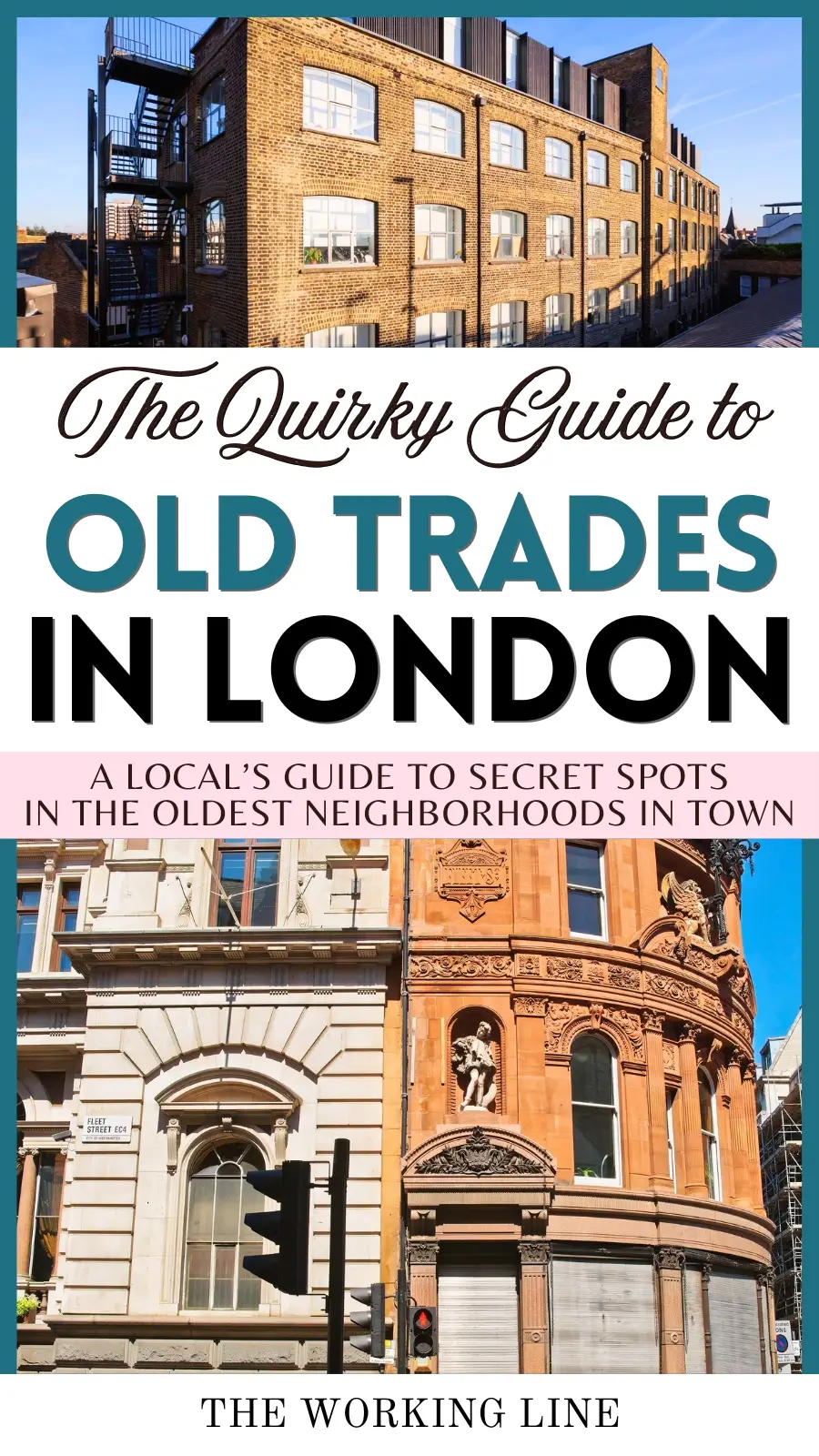
In this guide, I’ve chosen to focus on London’s industrial neighborhoods as a whole.
So, we’re not really going to talk about museums or heritage trails, even if you can find lots of quirky London itineraries that do follow such heritages.
Today’s about walking through what’s still here: doors, smells, carved signs and faded shop names.
Here’s where to find London’s lost trades — by neighborhood, by industry, and by what still clings to the walls from Spitalfields to Rotherhithe.
Old Industrial Neighborhoods in London: Spitalfields, The Thread of Huguenot Weaving

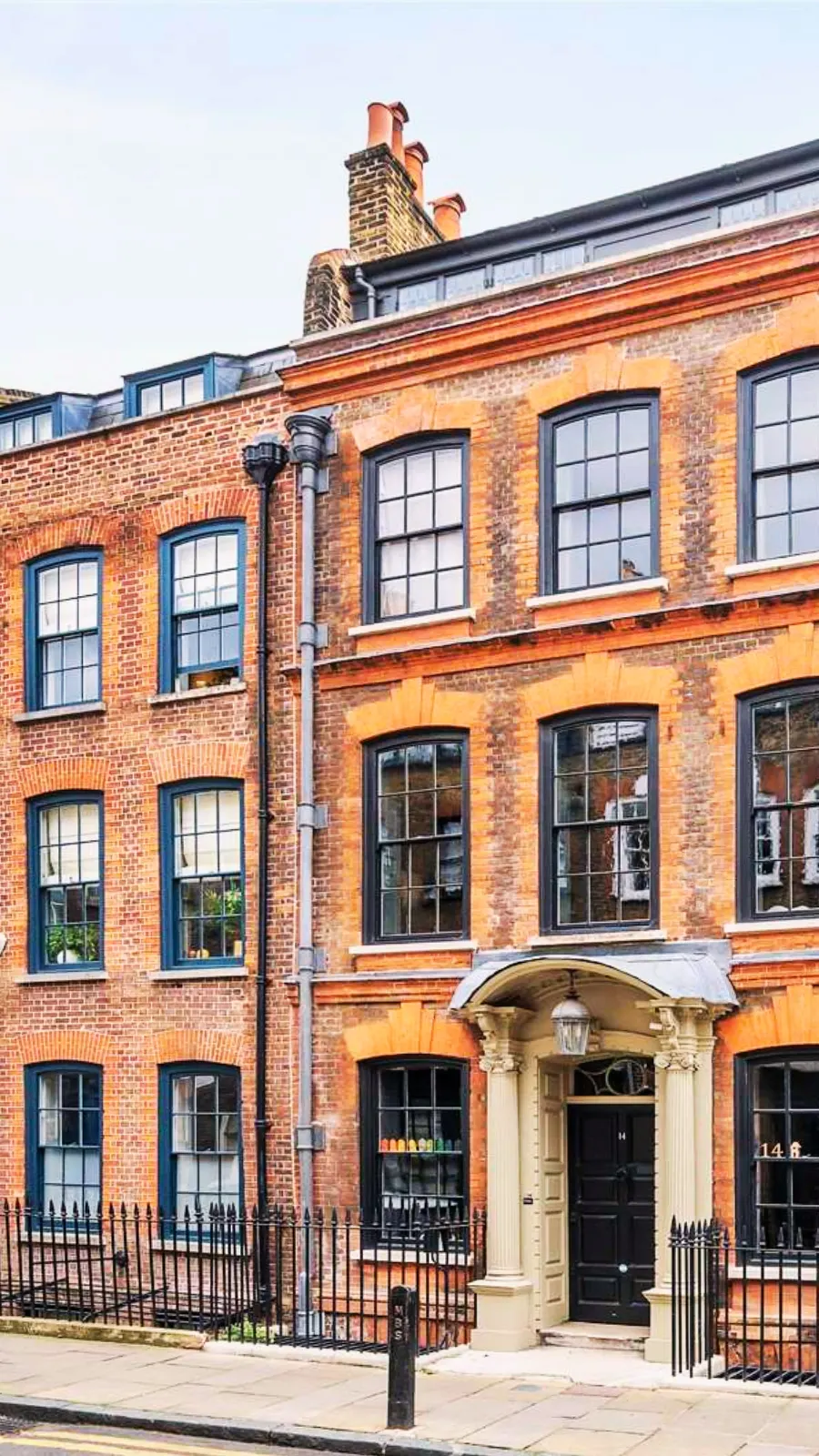
Let’s start in Spitalfields, only a couple of minutes on foot away from Liverpool Street; another neighborhood close to Spitalfields is also Shoreditch, if you’d like to create your own little day in London.
If you walk down Fournier Street, look up: the houses are strangely narrow, but tall, with wide attic windows.
These were weaving houses, in which hummed looms that French Huguenots, who fled persecution in the late 1600s, brought with them along with a mastery of silk weaving.
Some of the oldest Huguenot homes still stand.
The Mosque on Brick Lane, for instance: it was once a Huguenot chapel, then a synagogue, and now a mosque.
Today, a lot of that working-class story is being polished over; Brick Lane is mostly famous for its vintage shops and street art now.
But you’ll still find signs of weaving — old street names, hooks on buildings, stone steps grooved by centuries of feet.
Read: Italy in London: An Unusual Itinerary to Italian Places in London
Old Industrial Neighborhoods in London: Whitechapel & Banglatown – Layers of Textile Labour


Head slightly east and you reach Whitechapel and Banglatown.
This area held wave after wave of textile work.
Jewish refugees in the late 1800s set up tailoring shops in the same streets the Huguenots once used.
By the 1970s, Bangladeshi migrants were running garment workshops and sari wholesalers.
You can still see the ghost signs all around Whitechapel if you allow yourself to get lost in the area — faded Yiddish store names, Bengali lettering, old sewing machine logos.
On Wentworth Street and around Petticoat Lane, some shops still sell haberdashery and fabrics.
This is one of the only areas in London where women’s labour built entire industries; not just tailoring, though: strikes, protests, rent revolts…
It’s all still there and to be felt as we walk around these lively East London areas.
Read: Marylebone’s Hidden Gems: A Quick Itinerary in Central London
Old Industrial Neighborhoods in London: Fleet Street, The Voice of the Press


Few know Fleet Street as the old journalism centre, and fewer people walk it slowly enough to see what’s still there.
Fleet Street is one of my favorite old parts of London; the secret churches, the faded signs…
St Bride’s Church, just off the main road, is still known as the “journalists’ church.”
But even more haunting are the ghost signs on the buildings: names of newspapers carved into the stone can be found, blending in with all of Fleet Street’s hidden gems, which I’ve told you about in the past.
Look for brass nameplates, coal-hole covers stamped with the names of printing companies, even old plaques mentioning union buildings, and you’ll love London’s past a little more.
Read: Visiting London: A Covent Garden Itinerary in 10 Top Spots
Old Industrial Neighborhoods in London: Clerkenwell Watchmakers, Printers, and Radical Ink


Clerkenwell’s history is layered with trade, even if it’s mostly known as London’s Little Italy now, and for Exmouth Market with its village vibe.
There, you had Italian and Swiss watchmakers working in tight rows of workshops; radical printers operated underground presses.
The Gentleman’s Magazine was printed in St John’s Gate, a medieval spot I love recommending because of its atmospheric vibe.
If you explore Leather Lane or Hatton Garden, you’ll still see traces: metal fixings on walls where signs once hung, odd skinny doors that led to print rooms, alleyways where typesetters dumped their scraps.
Clerkenwell was also a neighborhood of protest with labour meetings, strikes, underground publications.
Some of the same buildings now sell expensive sandwiches, but that industrial vibe is still definitely anchored in the area.
Read: The Old London: A Historic Itinerary in the City of London
Old Industrial Neighborhoods in London: Bermondsey – Leather, Jam, and Soap


How many times have I shared with you London Bridge, Bermondsey and Southwark’s hidden gems?!
London Bridge is but one of my favorite parts of London alongside gorgeous Southbank; I spend most of my time there when I live in London.
This bit of South London stinks of industry — or it used to. Tanner Street is no coincidence.
Bermondsey was thick with leather production, biscuit factories (Peek Freans), vinegar works, and jams and you can still spot some of the old industrial signage.
The old leather warehouse buildings are now flats, but look at their windows. Look at the cobbled streets, and you’ll find yourself, for a moment, in the old London.
Read: A Quirky Bookish Itinerary in London
Old Industrial Neighborhoods in London: Docklands & Hay’s Galleria, The Bones of Trade

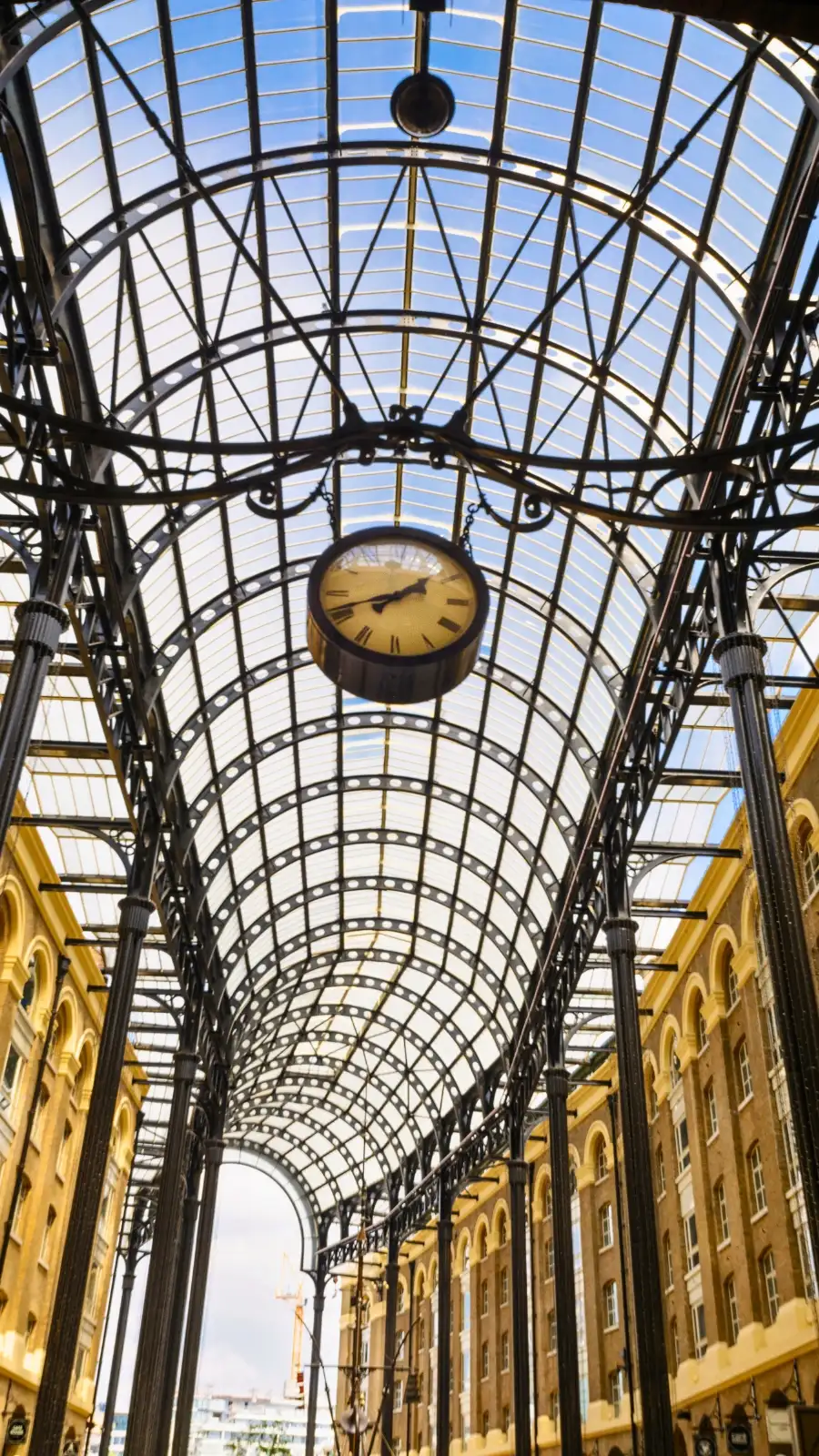
Hay’s Galleria is mostly known as a photo spot, now, and yet…
The Docklands were never glamorous. Hay’s Wharf — now Hay’s Galleria — once stored tea and goods from around the world.
Wapping and Rotherhithe were full of spice warehouses, vaults, and shipping offices.
It’s important to acknowledge what these ports also represent — the shipping of goods linked to colonial exploitation; sugar, cotton…
Walking around the old alleys from London Bridge and Hay’s Galleria to Tower Bridge and beyond, you’ll find many more old wharfs and industrial buildings.
Shad Thames, for instance, may be a gorgeous backdrop for pictures, but it still definitely carries the breath of the past.
Read: How to Spend 3 Days in London: A Fun Itinerary
Old Industrial Neighborhoods in London: Rotherhithe – Shipbuilders, Tunnelers, and Rope Makers


Rotherhithe is quiet, which makes it perfect for walking and noticing.
I love it especially for its industrial and maritime buildings, but also for its secret sculptures, its church garden and village vibe.
Rotherhithe was a dockworking and shipbuilding village for centuries.
You can still visit the Brunel Museum, where workers built the world’s first underwater tunnel; it’s located close to the church.
Rope makers stretched their fibres down what are now ordinary-looking paths. Shipbuilders launched vessels from hidden dry docks.
Along the river, if you look closely, you’ll find stone slips, iron rings in the wall, and even carved names from old shipyards.
Read: London’s 2 Day Itinerary: Attractions & Old-Meets-New Spots
Old Industrial Neighborhoods in London: Bow, Match Girls and Women’s Strikes

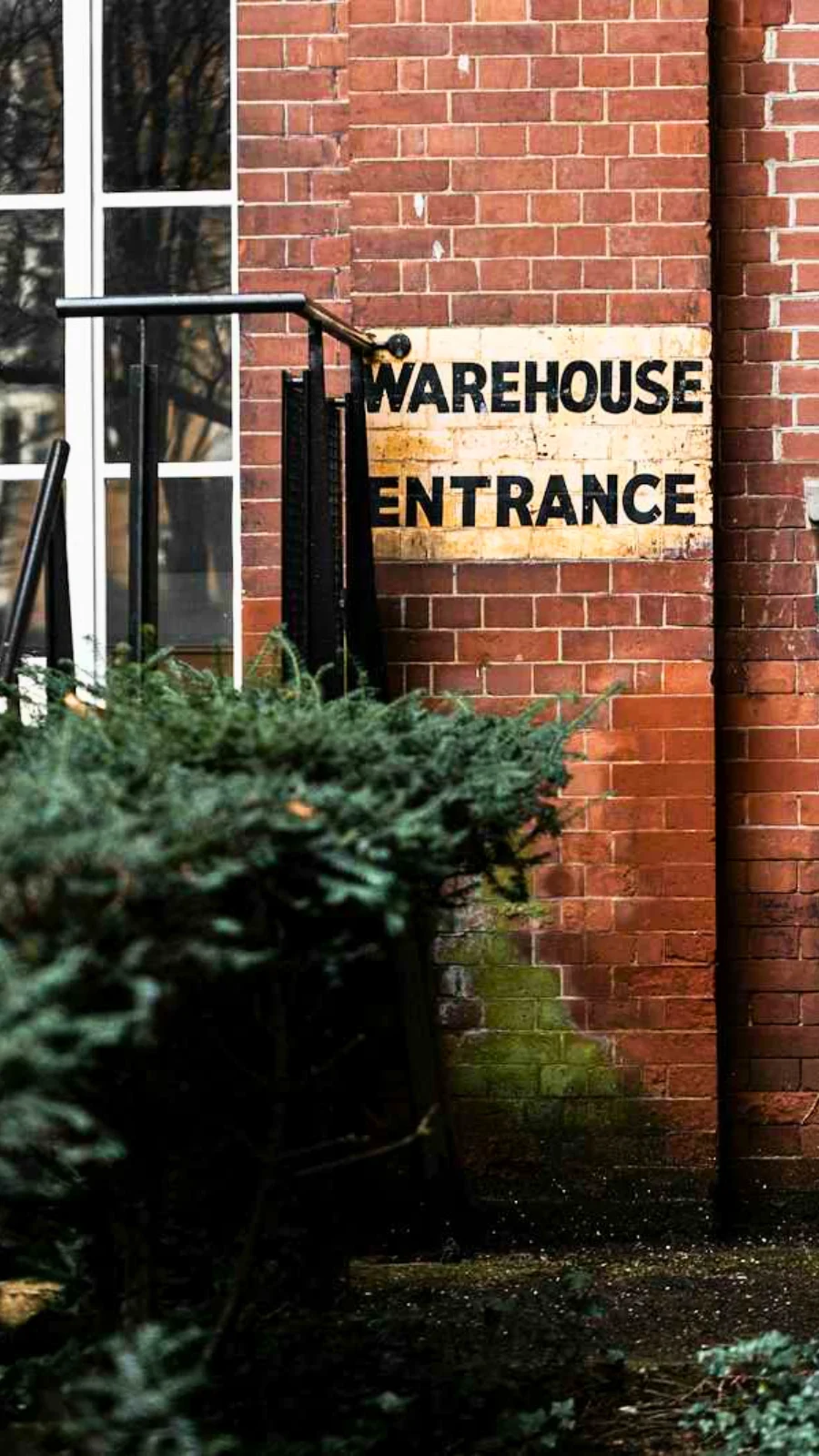


The Matchgirls’ Strike of 1888 started at the Bryant & May factory in Bow, East London, after Mile End.
Women and teenage girls walked out; sick of phosphorus poisoning, sick of unfair pay.

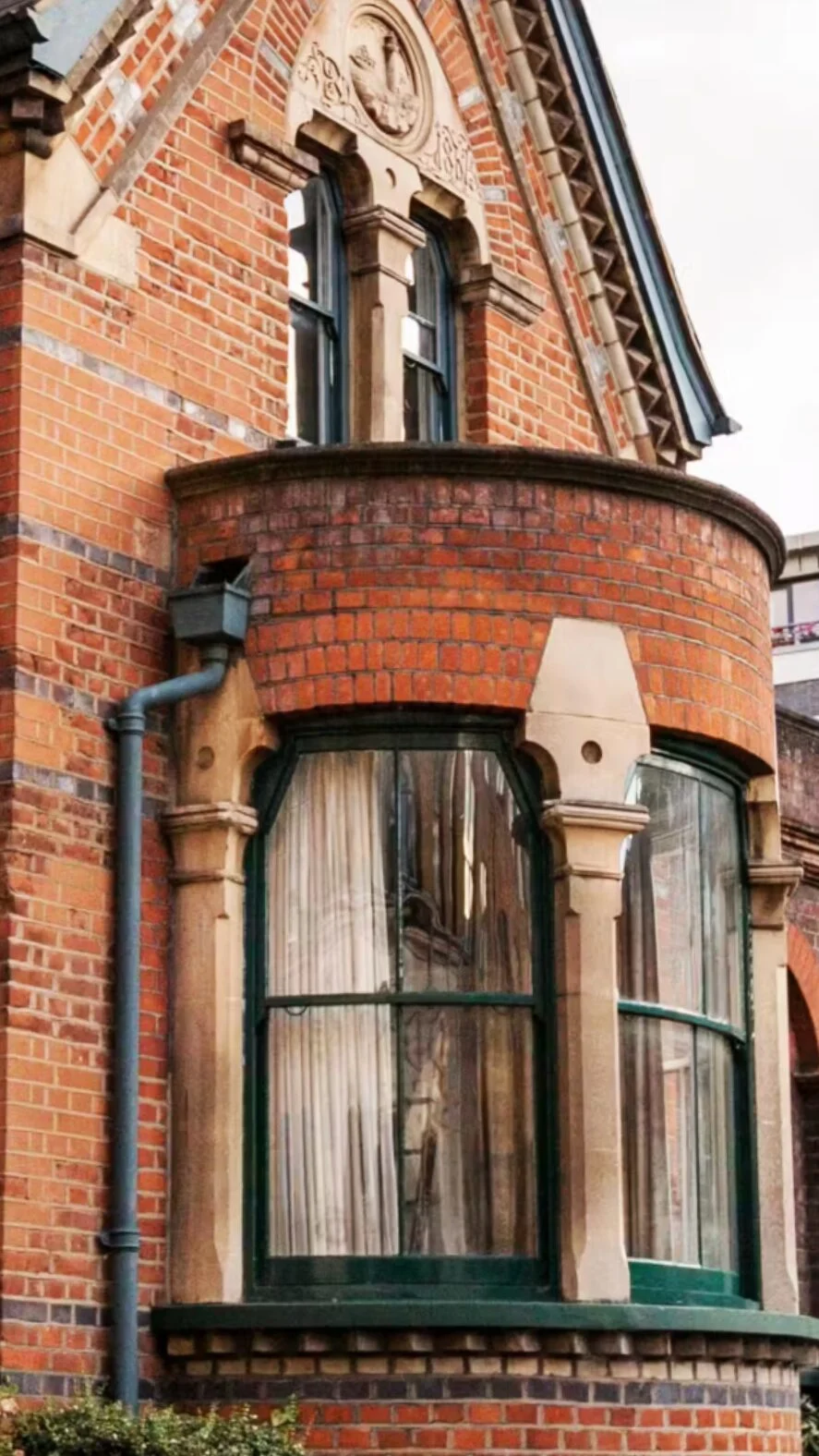
The building is still there. It’s now private flats (named The Bow Quarter), but there’s a small plaque, so if you’re walking Bow Road, pause there.
This was women’s work, women’s risk, and women’s fight at its grandest, and it helped shape London as we know it today.
Read: Muslim Friendly London: 20+ Hidden Gems and Halal Eats
Old Industrial Neighborhoods in London: Camden and Kentish Town – Pianos, Ice, and Railway Sidings

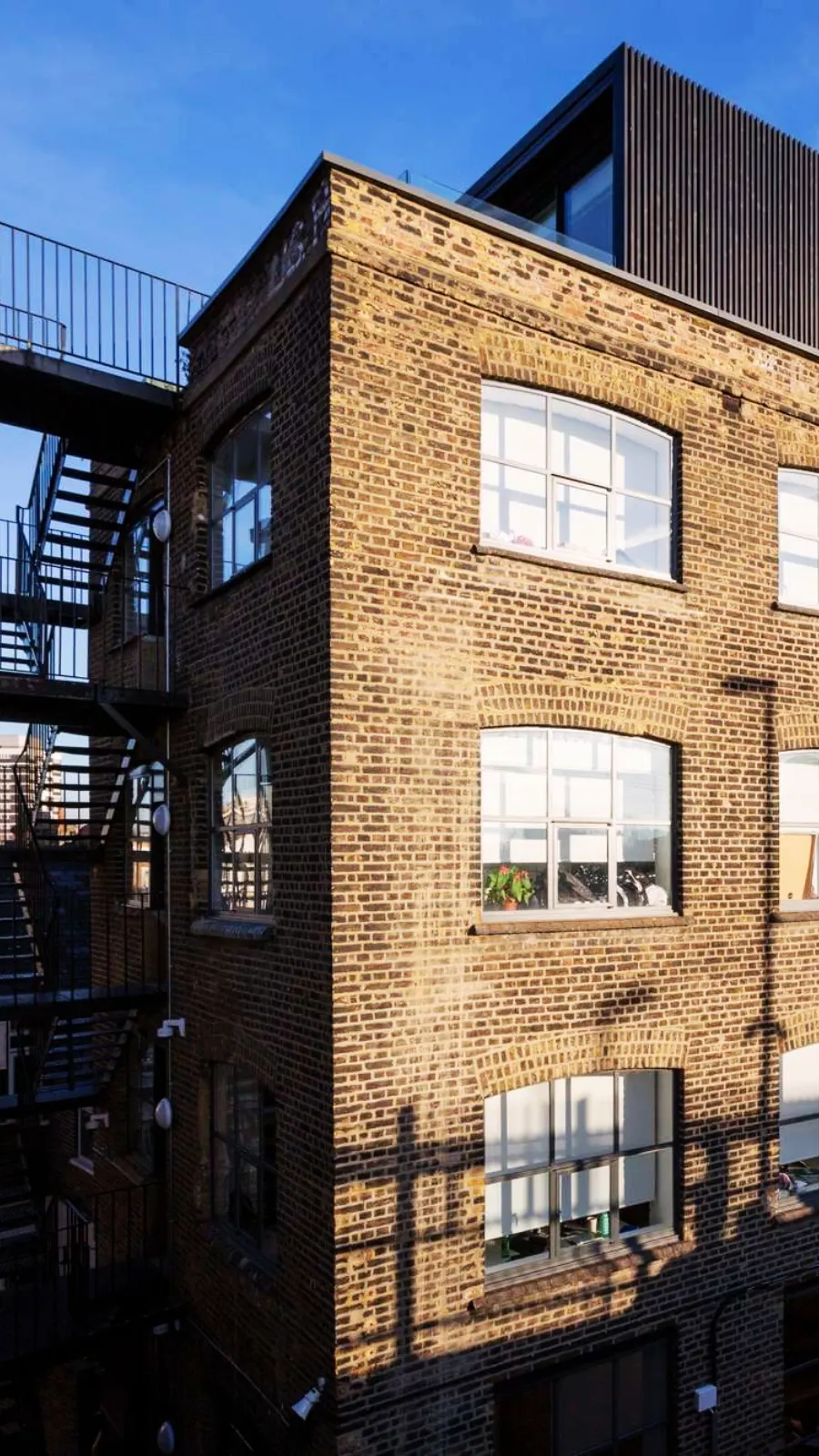
Before it was a market spot, Camden was full of piano makers and transport labour.
The Regent’s Canal meant ice wells were built here — storing winter ice for summer use; you can still visit one of them inside the London Canal Museum.
There are rail tracks that disappear into buildings, doorways that open to nowhere.
Signs from when Camden was full of carpenters and crate-makers, not just shoppers.
Kentish Town nearby was also an industrial neighborhood, even if you’ll mostly see colorful streets, shops, cafes and restaurants there now.
But it’s still worth a visit if you’re looking for truly local London things to do!
Read: 10+ Hidden Peaceful Places Near London
Old Industrial Neighborhoods in London: Deptford, Royal Dockyards and Urban Memory

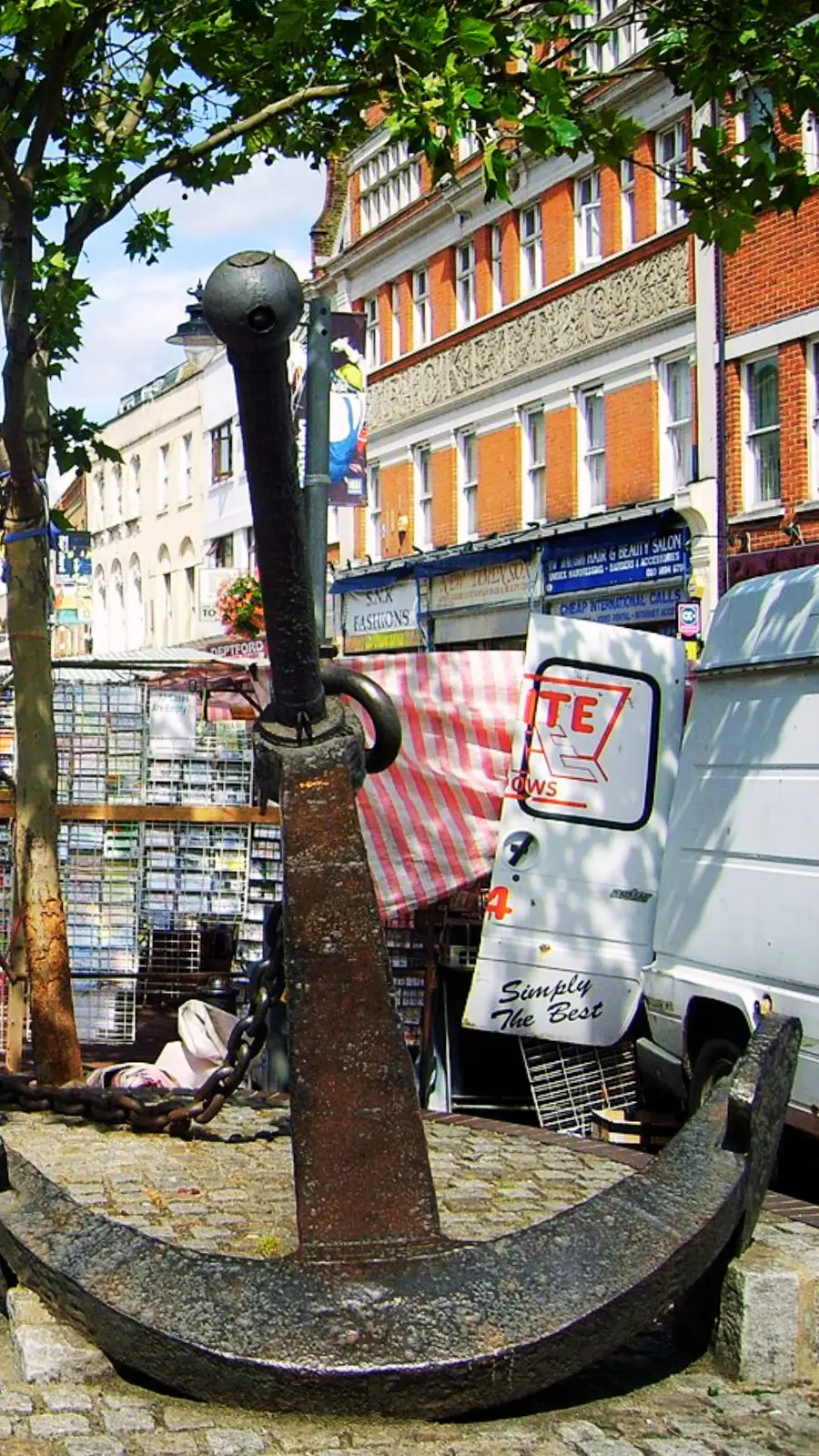
Deptford was royal once — but working-class always.
The Deptford Dockyard built ships for the Crown for over 300 years; the streets around it were full of smiths, sawyers, coopers, and rope-makers.
There’s not much left, and Deptford is now better known for its small coffee shops and food spots alongside really cool artisan stores, but the memory sticks in the names; Evelyn Street, Copperas Lane, Tanner’s Hill.
Local artists and historians are trying to preserve that story, and you’ll see it in murals, oral history projects, and salvaged signs.
Since it’s one of London’s most secret areas, and only about 30/40 minutes’ walk from Greenwich and the Cutty Sark, it’s definitely a spot I recommend wandering to.
Read: 15 Historical Places to See Ruins in London
Old Industrial Neighborhoods in London: Greenwich Peninsula, Gasworks and Paint Dust

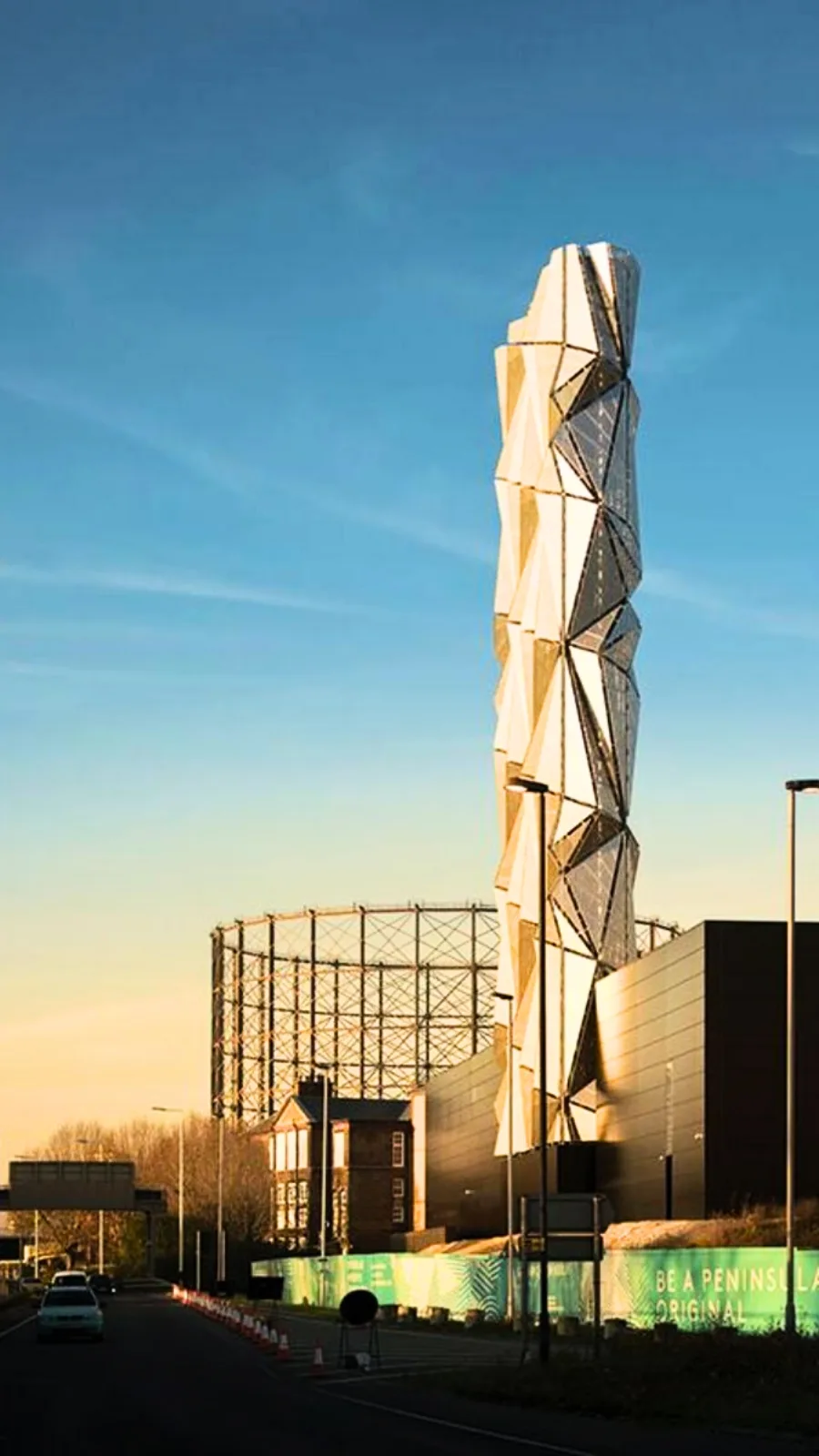
Before the O2 Arena, this whole peninsula was gas towers and factories.
Paint pigment factories turned everything weird shades, there were even glue works and tar pits.
It’s all redeveloped now, but some pipes and odd scaffolding shapes still mark the ground.
If you walk along the Thames Path and maybe don’t go to the heart of Greenwich just yet, you’ll pass strange vents, a gas tower and brick remains; things, I guess, too industrial to erase entirely.
Read: The Best Secret and Free Museums in London
Old Industrial Neighborhoods in London: Battersea, The Power Station That Powered the City

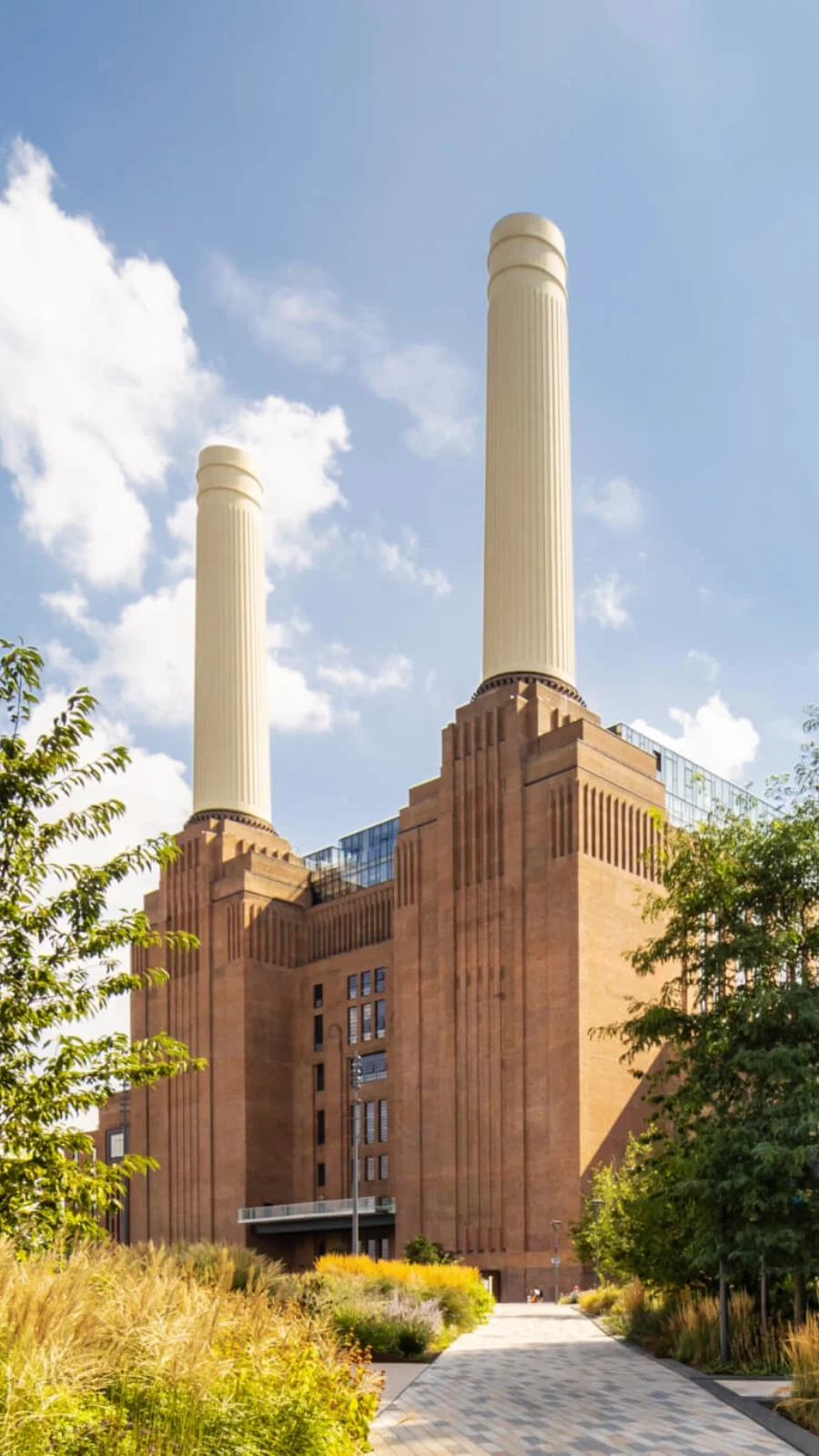
Battersea Power Station was never just a building, and now that it’s been turned into a huge shopping center and luxurious apartments, it’s still not just a building.
Built in the 1930s and active until the 1980s, it once powered a fifth of London.
And the people who worked there — engineers, crane operators, cleaners — kept the city warm and lit through war, blackouts, and grey London winters.
When I walk around the shopping center, I always take long moments inside to admire the bare bricks and old industrial vibe, that that even modernity hasn’t been able to quite erase.
Read: The Best Fashion Museums in London
London’s 12 Old Industrial Neighborhoods and Its Lost Trades

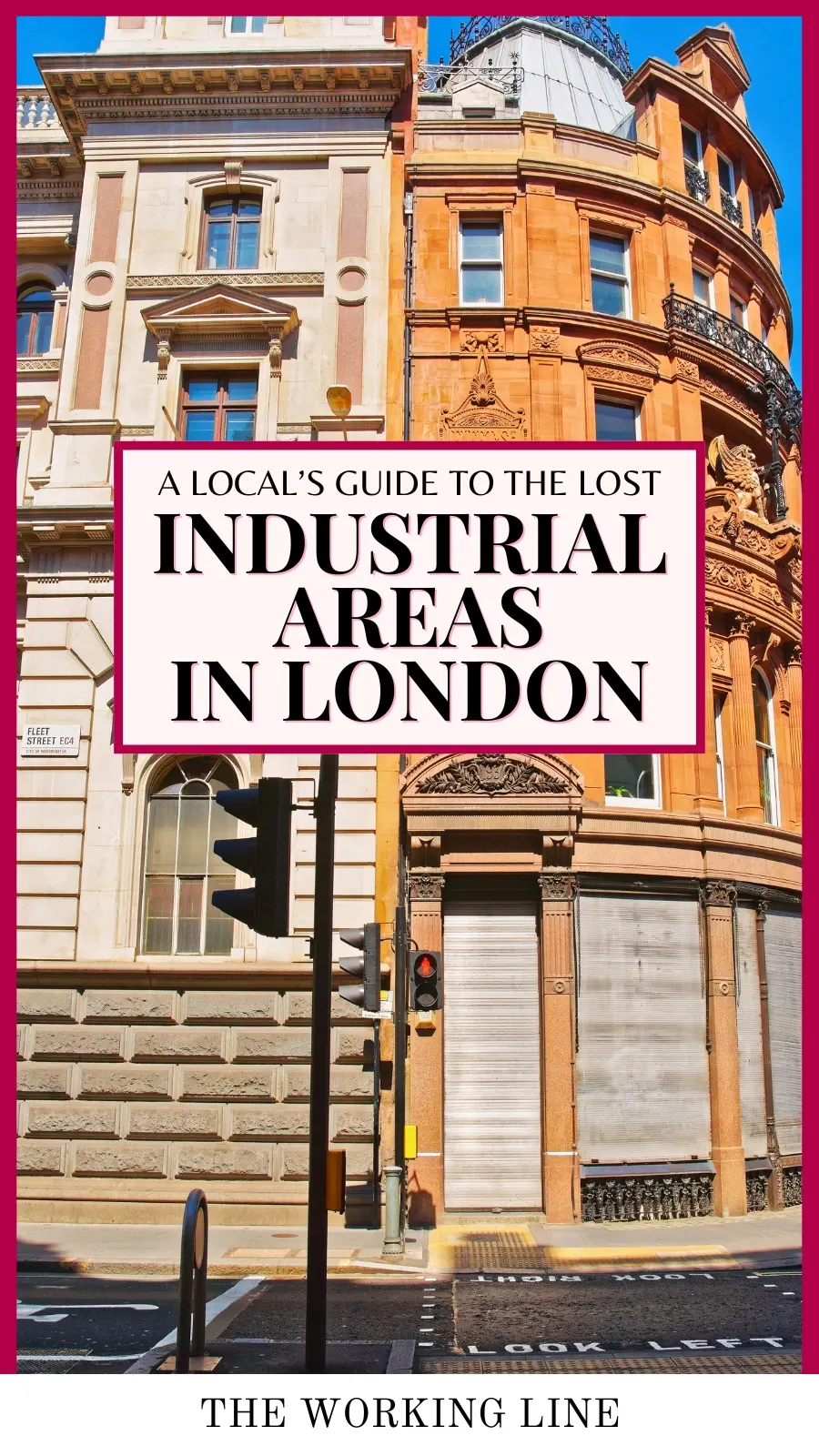
Maybe London’s old factories are gone, maybe the A Gold shop in Spitalfields has been repainted, and maybe the windows are shut.
So what?
The trades are still there, the smells too, and I can almost imagine the sounds when I walk around Hay’s Galleria, Fleet Street or Spitalfields.
And for someone who’s always overthinking and always homesick for the past she has never known? It means absolutely, utterly everything.
Further Reading
If you want to explore deeper, here are the primary historical sources and archives consulted while writing this post 🙂
All of them are official, educational, or institutional, and careful, they might trigger a new love for the old London!:
- Museum of London – Spitalfields and Huguenot Silk Weaving
- Historic England – Fournier Street Listings
- Bishopsgate Institute – East End Working History
- St Bride Foundation – Fleet Street’s Printing Legacy
- London Metropolitan Archives
- Clockmakers’ Museum – Watchmaking in London
- Southwark Heritage and Archives
- Museum of London Docklands
- The Brunel Museum – Rotherhithe
- Trades Union Congress Archives – Matchgirls’ Strike
- London Canal Museum
- Deptford Heritage Trail
- Royal Museums Greenwich Collections
- Greenwich Industrial History Society
- Battersea Power Station – Heritage and Redevelopment History