


A local’s guide to beautiful places to see Roman, medieval and church ruins in London from Leadenhall Market to the secret St Bride’s Church crypt!
My love for the unknown has led me more than once to find very unusual places in London, from the ruins of Greyfriars Christ Church to the abandoned chapels of Abney Park Cemetery.
Many completely free historical sites can be found in town, providing insight into several layers of the intricate London history.
A wonderful lasagna of eras, if I may put it that way, spanning from Roman to medieval, Norman and Saxon history, all the way to Edwardian, Georgian and Victorian eras.
If you are one to love wandering around beautiful historical neighborhoods with history infused into every stone of every building, this guide will most definitely come in handy!
Beautiful Ruins in London: 15 Historical Places to Find Them


This right here is a guide I have been working on for months.
As time passes, I love sharing with you ever older areas of London and other cities.
These, of course, include some gorgeous areas such as the Rotherhithe area, with significant importance in the departing of the Mayflower ship in the 17th century or the Fitzrovia neighborhood in Central London, more famous during the 1930s as a gathering point for writers and other artists.
Today, we will be taking a dive into some of the most secret ruins in London, like that hidden inside a hairdresser’s boutique in Leadenhall Market, all the way to influencers’ favorites in terms of photo spots, like St Dunstan in the East near the Thames River.
Secret Ruins in London: Greyfriars Christ Church, Central London


Located close to St Paul’s Cathedral, the ruins of Greyfriars Christ Church is one of the churches destroyed during the Great Fire of London in 1666 and then rebuilt by Sir Christopher Wren.
Damaged again during the World War II Blitz, what was once a grand medieval Franciscan monastery was never rebuilt, and gave birth to a secret garden just minutes away from other landmarks in London, like the Millenium Bridge and the Tate Modern.
The tower and parts of the church’s walls, along with some memorials are still visible, and if you walk around Greyfriars Christ Church, you will also find bits of wall blackened by the fire.
Very peaceful, the now gorgeous and quite secret garden makes for a perfect place to write, read, or even take a step back in time during a romantic date with a picnic.
Read: The Most Secret Neighborhoods in London
Roman Ruins in London: Roman Fort of Londinium


You can take a walk along the ruins of the Roman London Wall, also called Roman Fort of Londinium, starting from Noble Street in the heart of the City of London, and walk your way closer to Aldgate and the Tower of London.
A piece of the London Wall can also be found nestled between two gardens around the St Alphage Church ruins, along with a pretty Medici-style vase.
And then, if you choose to walk up the St Alphage High Walk, an elevated pathway towering over the ruins of the church, and take a right towards the Barbican Centre, you will find other pieces closer to the St Giles Cripplegate church.
Read: A Local’s Fashion in London Itinerary from Museums to Shops
Most Secret Ruins in London: Winchester Palace, London Bridge

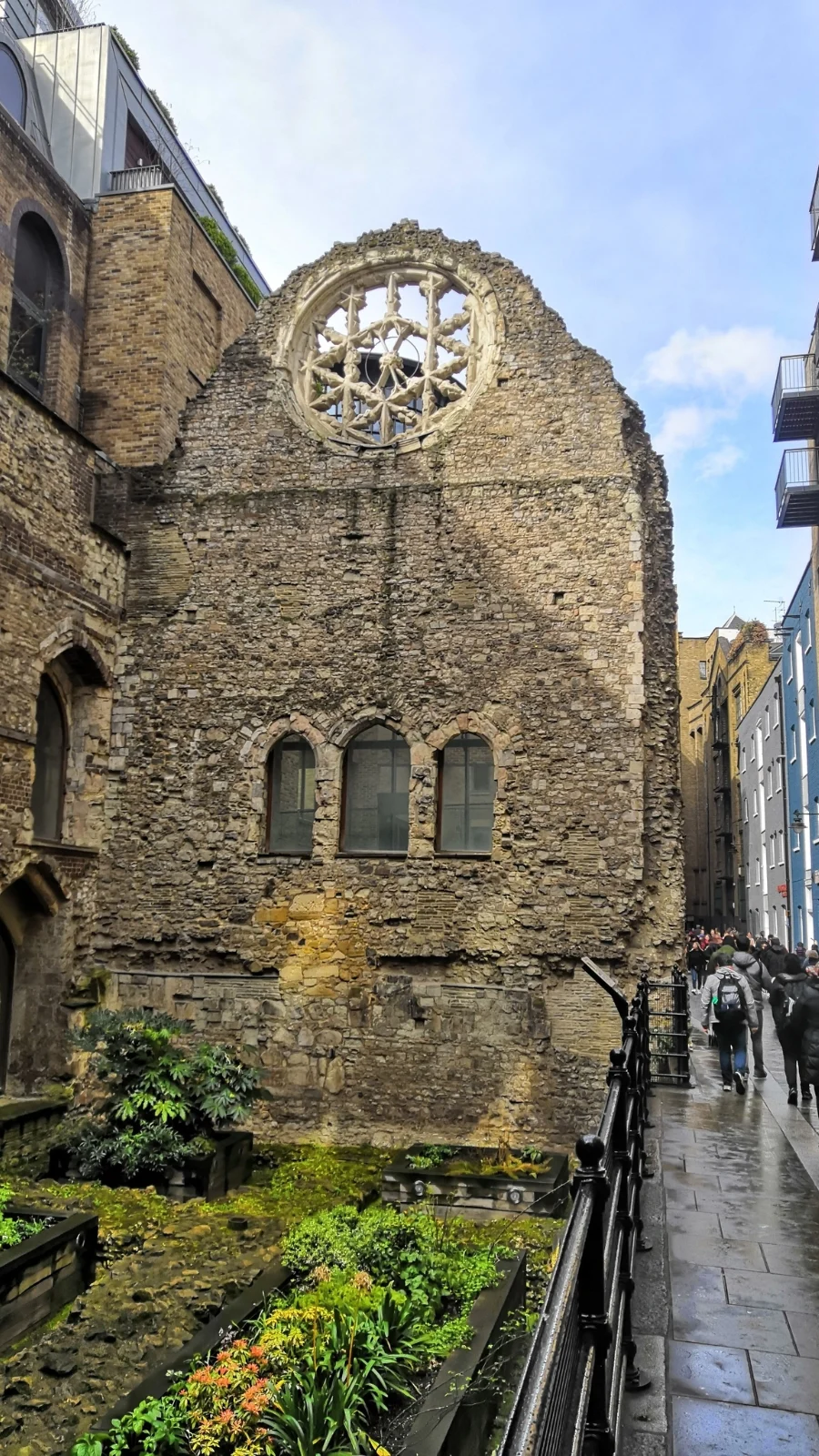
One of the few remaining medieval sites that can still be visited in London, the ruins of Winchester Palace are located closer to Borough Market near London Bridge Station.
A 12th-century palace which used to serve as the residence of the Bishops of Winchester, Winchester Palace now only has part of the hall visible, hidden right behind one of the best Caffè Nero cafes in town.
The spring and the fall are two of the best seasons to see Winchester Palace with vibrant, or burning orange colors climbing up on the ruins, now turned into a tiny garden visible from the street.
Walk down the street to reach a colorful Shakespeare mural, and further down, the beautiful Southbank area with a couple of its free roof terraces at the Oxo Tower and the Southbank Centre.
Beautiful Ruins in London: St Dunstan in the East


The ruins of St Dunstan in the East used to be one of London’s most secret places – not so much anymore, as the place attracts many a tourist on the daily.
Like most parts of the City of London, this church suffered a lot of damages, including the Great Fire of London in 1666.
Even though it got a new tower built by Sir Christopher Wren, the church was partly destroyed again during the WWII Blitz.
The tower and steeple, only remaining parts of the church, tower over what makes for one of the prettiest gardens in Central London, a beautiful backdrop for pictures if you happen to visit London during autumn, or the spring.
Read: Dark Academia in London: A Secret London Itinerary
Best Roman Ruins in London: Amphitheatre – London Guildhall

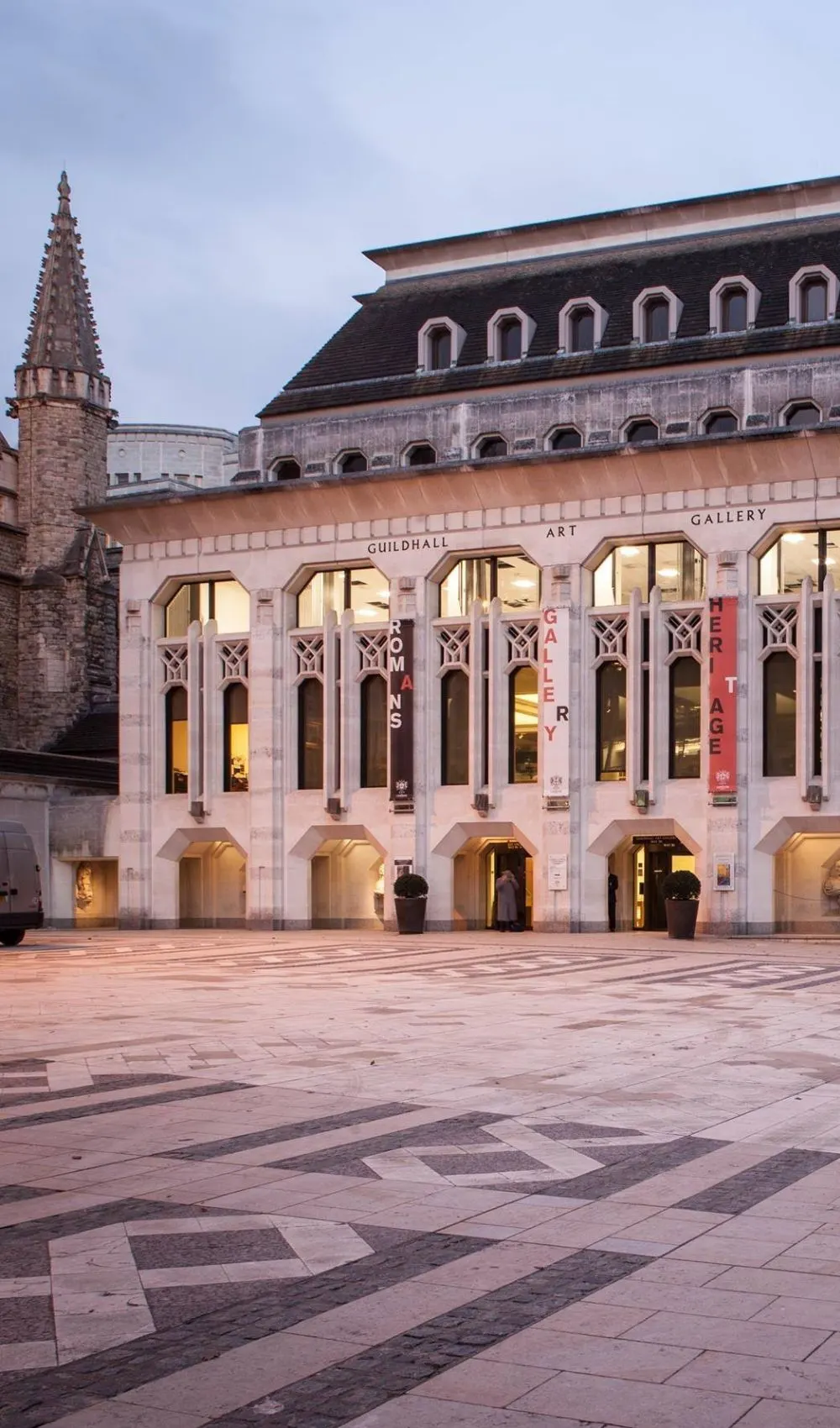
The Roman ruins at the Guildhall Museum in the City of London were discovered in 1988, as the city was looking to establish their new art gallery, and are none other than ruins of the old Roman amphitheater of London.
If you’re in London on a budget, just know that we’re here in a completely free museum, one much lesser known than other places like the V&A Museum or the Science Museum, and access to these ruins is also free.
If upstairs is dedicated to artistic eras closer to our modern days, downstairs will make you step back in time with a short exhibition about Londinium, with plenty of information about the amphitheater and its role in London’s history.
Read: Marylebone’s Hidden Gems: A Quick Itinerary in Central London
Beautiful Ruins in London: Highgate Cemetery, North London

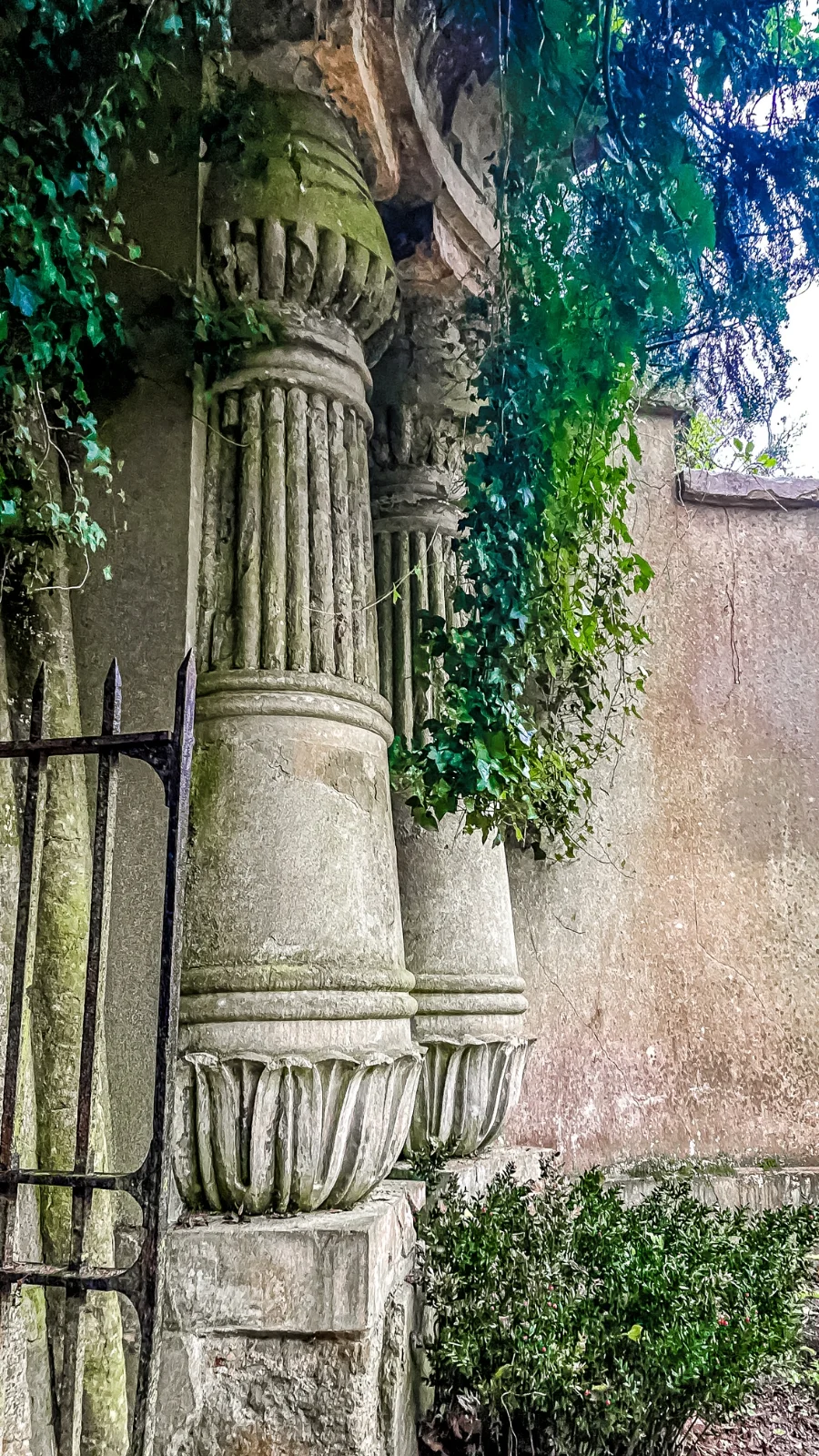

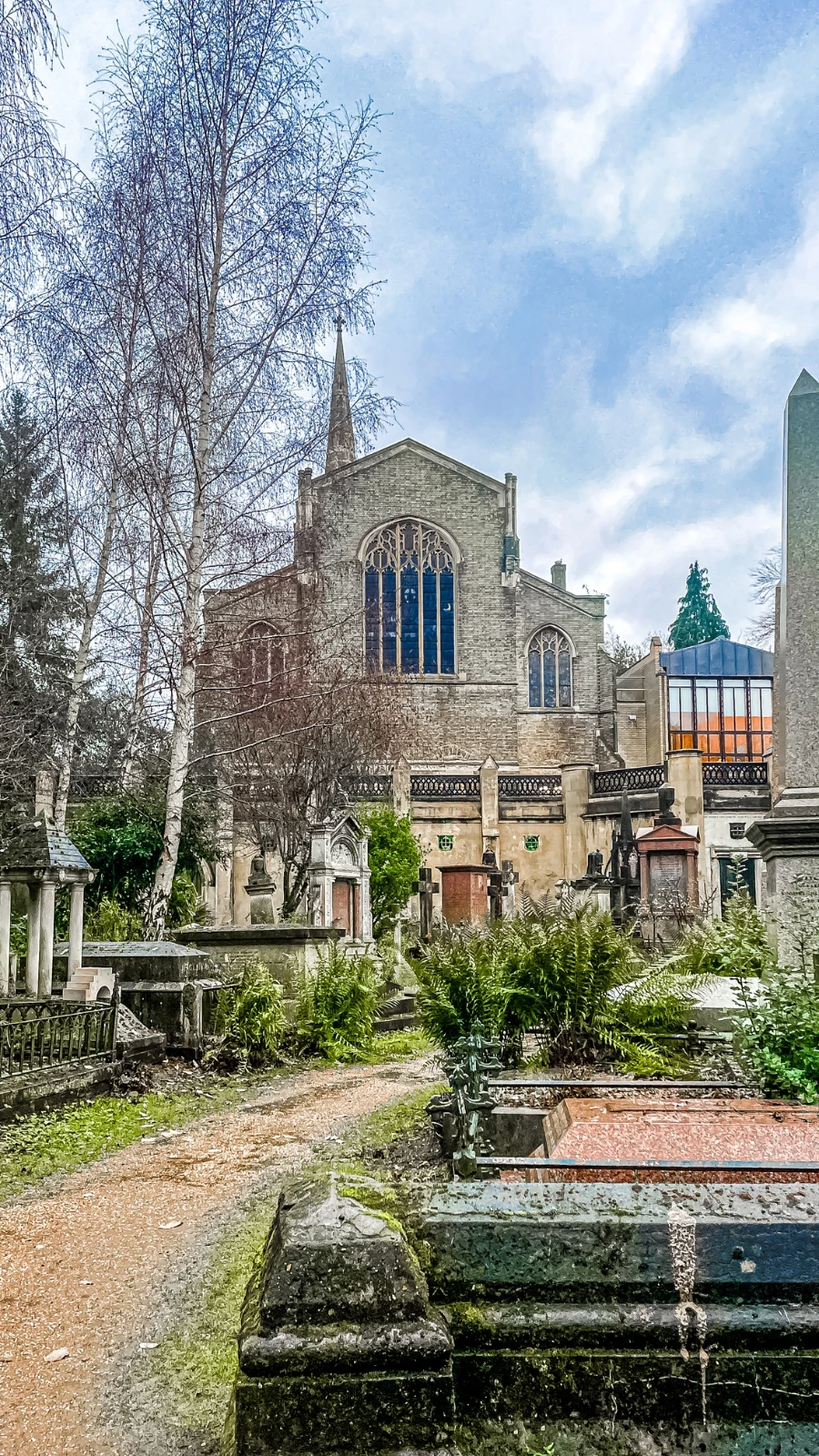

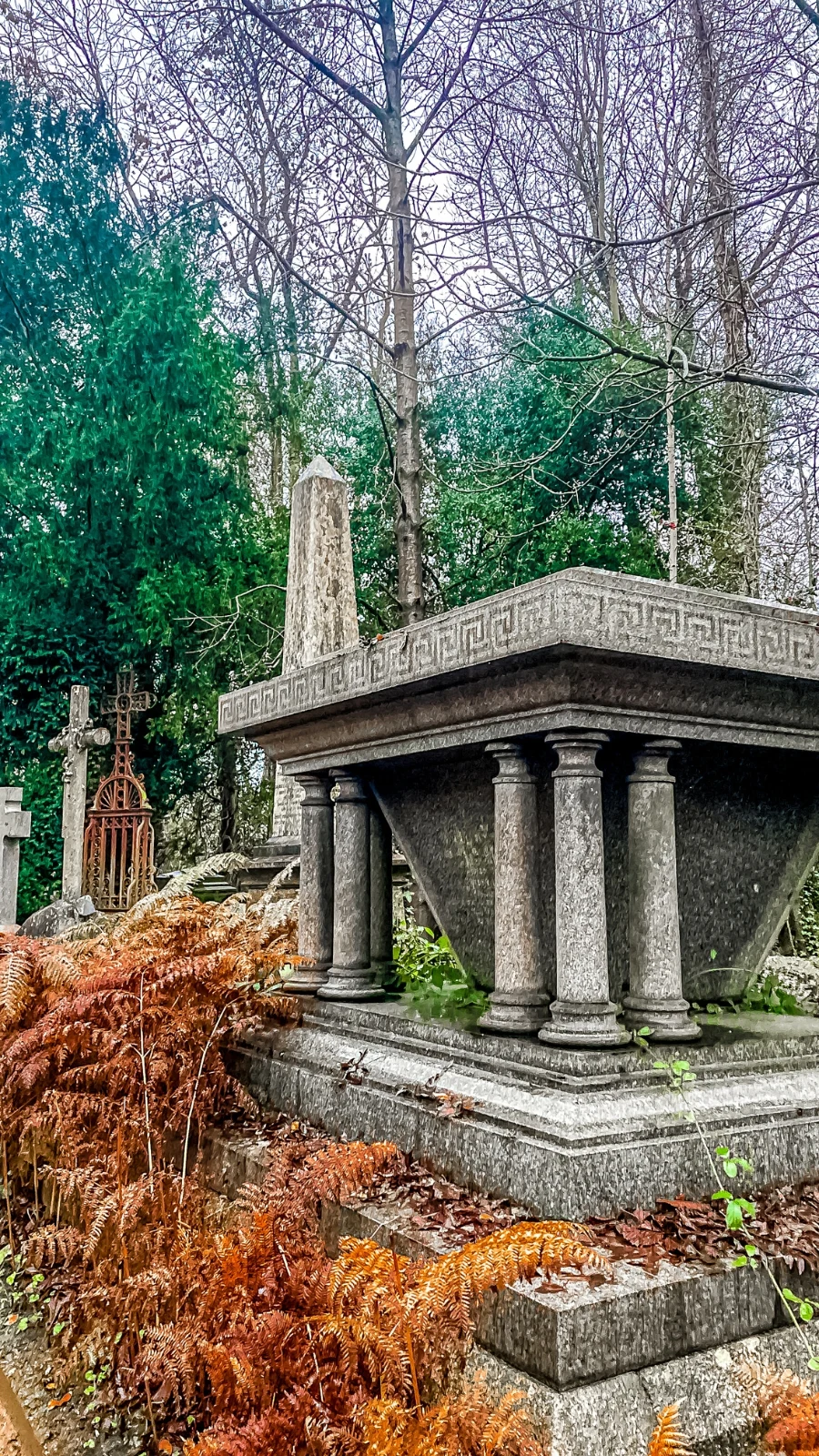
There are plenty more places to find some beautiful ruins in London, and adding one of the Seven Magnificent cemeteries, a collection of Victorian cemeteries filled with hidden gems, just made sense.
Which is why another one of the spots I would strongly recommend you visit is Highgate Cemetery.
It is of my personal favorite places in North London, with not only rows upon rows of gorgeous tombstones, but also a few other secret spots you wouldn’t expect to find in a cemetery.
The picturesque Egyptian Avenue is part of these, but if you can, what I advise you visit are the Highgate Cemetery Catacombs, located in a corner of the West side – mind blowing.
Read: How to Spend 10 Days in London: A Complete Itinerary
Best Roman Ruins in London: The Temple of Mithras


The Roman Mithraeum, also known as the Temple of Mithras in Walbrook was discovered in a street in the City of London, during a building’s construction in the 50s.
The largest and most important temple in Londinium, the Mithraeum is believed to have been erected in the year 240, and moved to the court on Queen Victoria Street until the media company Bloomberg decided to reconstruct the temple back in its original position.
Figurines and tributes found in this temple were brought to the Museum of London where you can still see them now, indicating that the temple was frequently used by Londinium residents.
We have here one of the oldest ruins in London, free to access, but make sure to book in advance as it is a rather small spot.
Beautiful Ruins in London: Crystal Palace Park

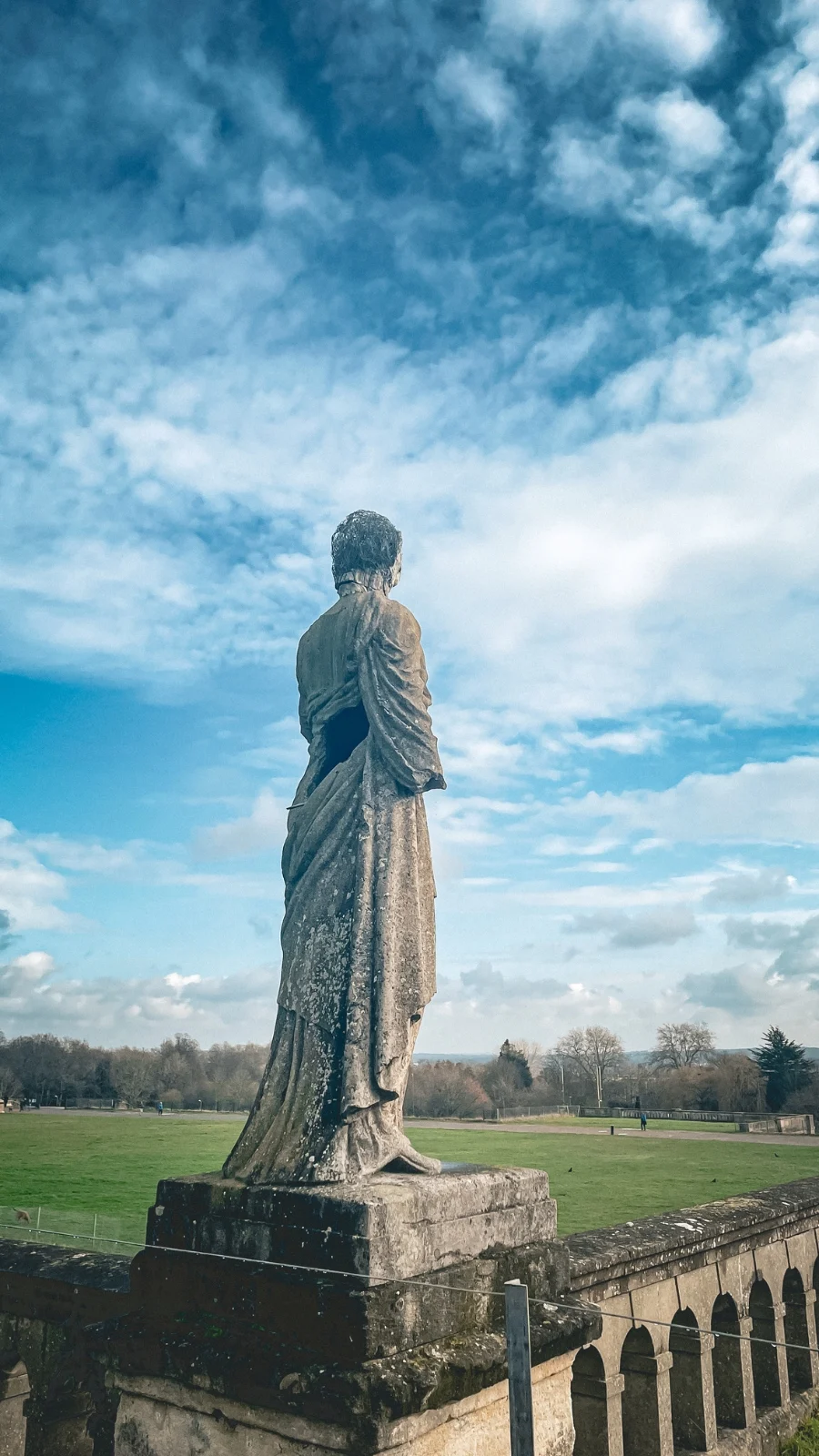

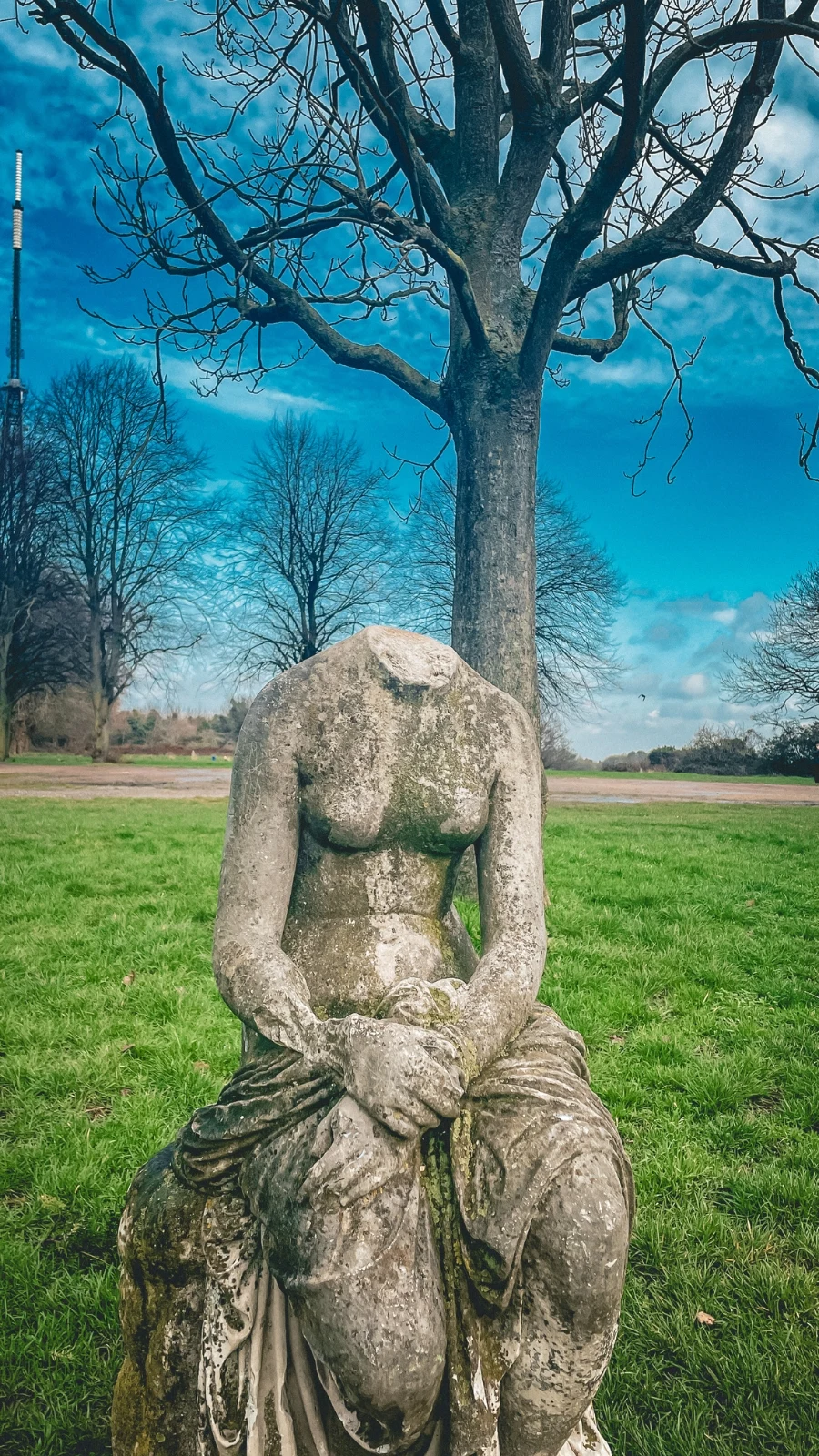
Crystal Palace Park, in South East London, houses some beautiful ruins, from the Italian Terrace to quirky sculptures of a Turkish man, a Hollow Lady, and a Sitting Lady.
It also hides the ruins of the Victorian Crystal Palace itself, initially built for the Great Exhibition of 1851 in Hyde Park, an extraordinary glass and iron structure destroyed by a fire in 1936.
Today, you can still see a few of the terraces and sphinx statues that once announced the grandeur of the palace, along with the famous Crystal Palace dinosaur sculptures, well-preserved in a corner of the park.
Read: A Quirky Bookish Itinerary in London
Most Beautiful Ruins in London: Female Statues on Milford Lane, off The Strand

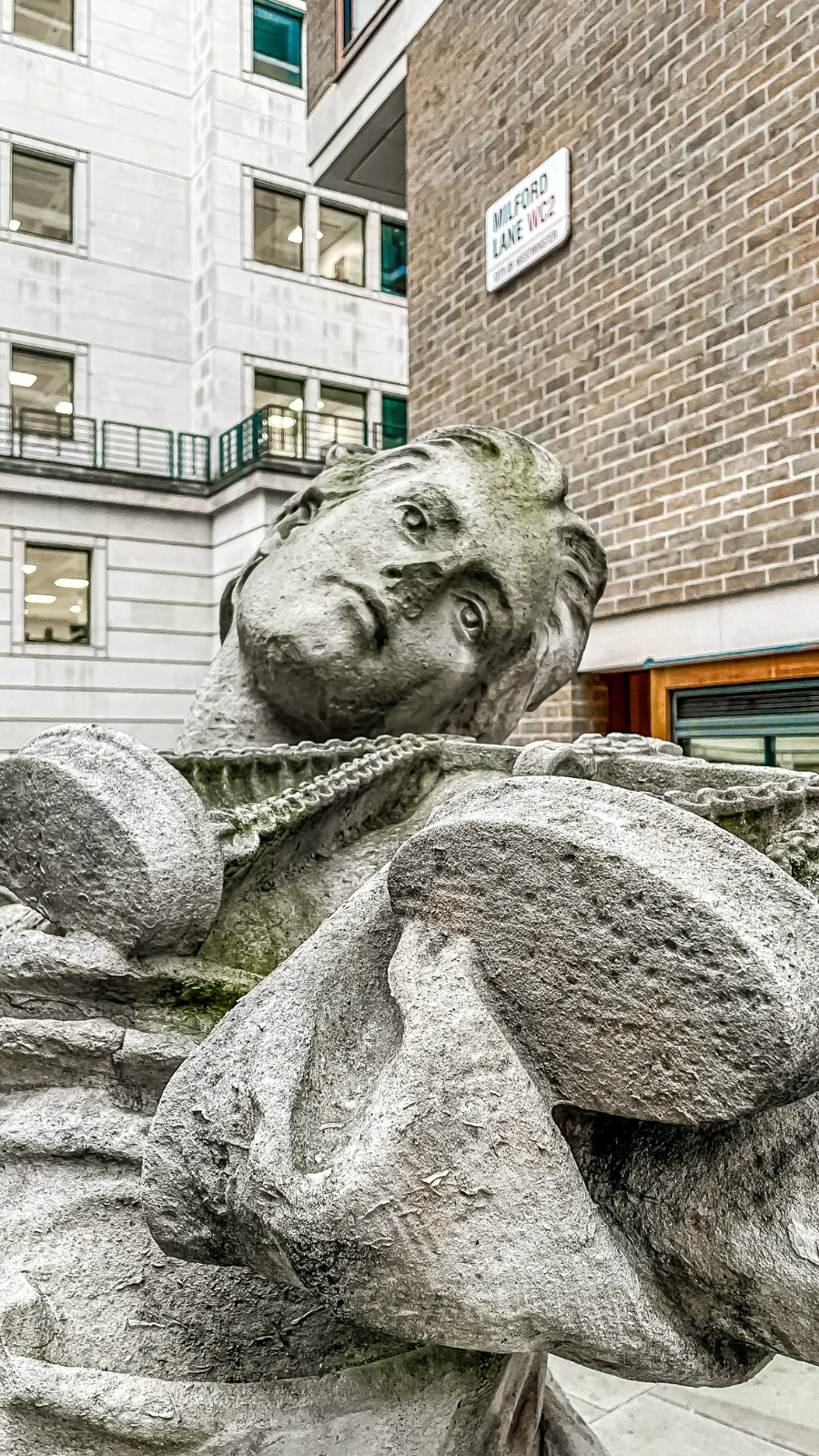

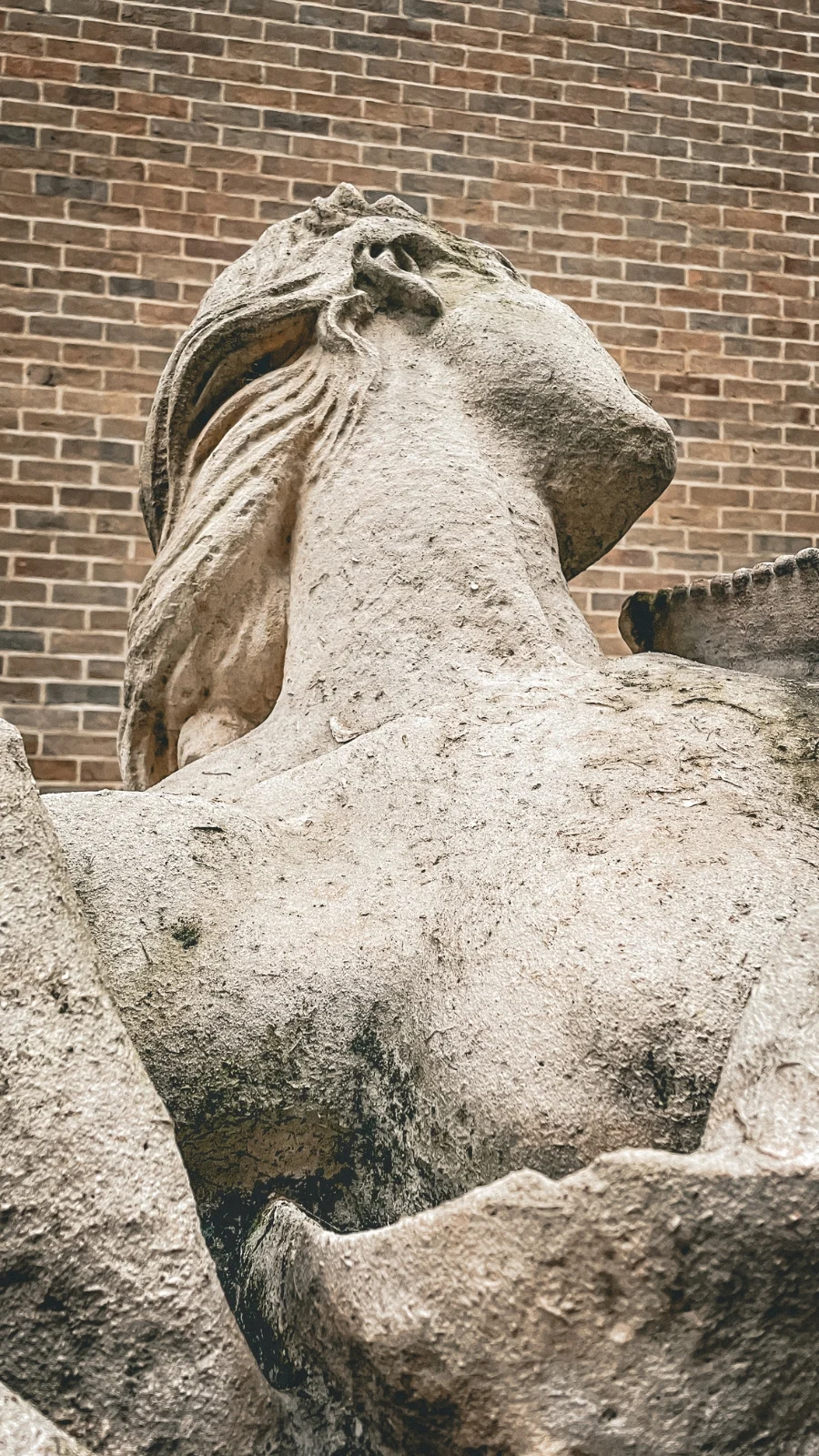
If you walk down the Strand down to Trafalgar Square, Milford Lane on the left welcomes you with three stone female heads, creations of Henry Poole, a British architectural sculptor of the 19th century.
Most of the sculptor’s work was destroyed as London’s buildings were renovated, since most of it used to adorn buildings, although a few of his pieces can still be seen around town, like the statue of General Gordon at Victoria Embankment Gardens.
The three stone heads used to decorate the exterior of the United Kingdom Provident Institute established at 190-196 Strand.
These are the only survivors out of many more than the ones we can see on Milford Lane, and have been deposited at the bottom of the new building.
Read: How to Spend 3 Days in London: A Fun Itinerary
Church Ruins in London: St Alphage Church Ruins and Gardens

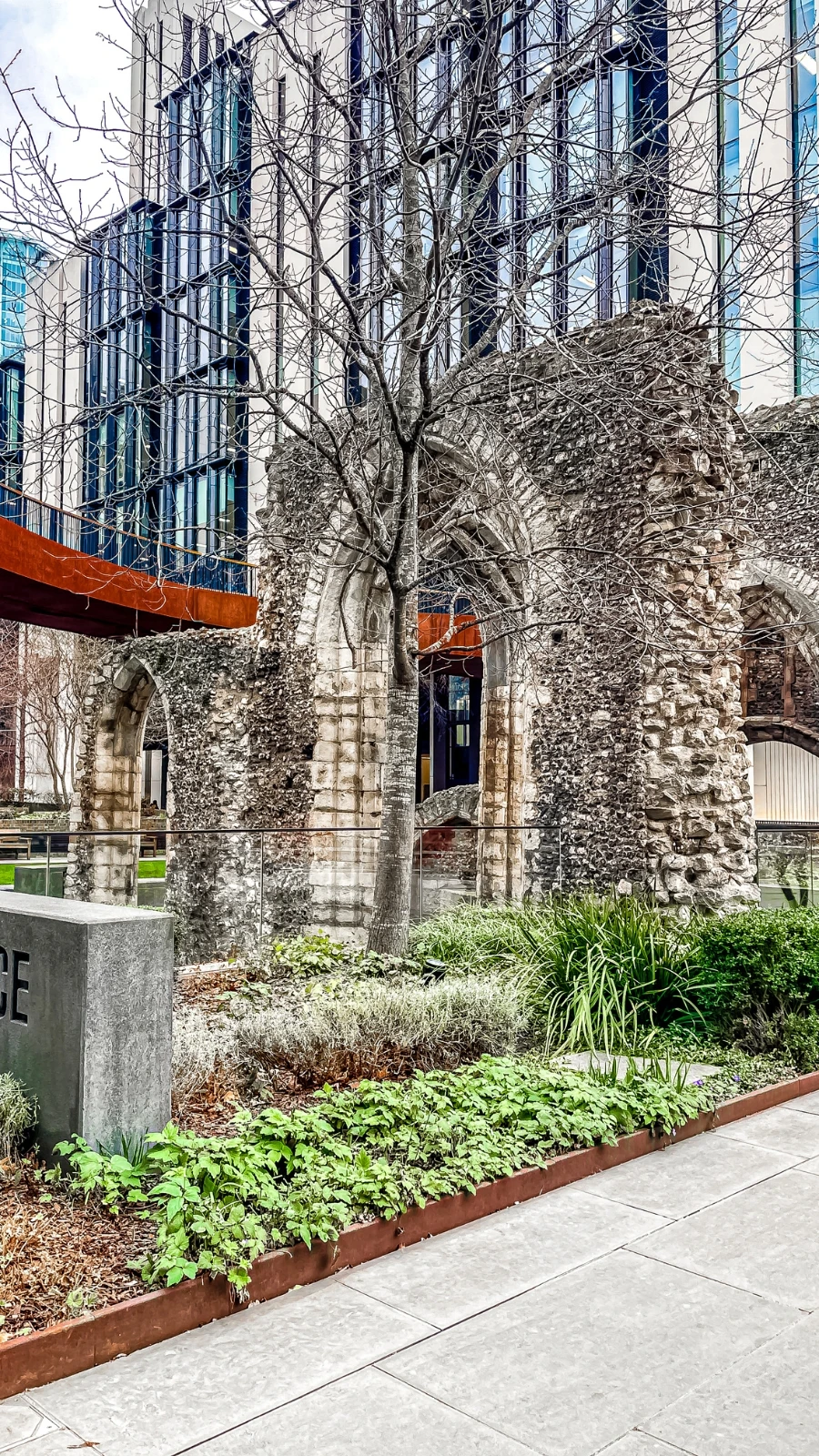

In the midst of the Moorgate area, one of London’s oldest neighborhoods, stand the ruins of St Alphage Church, a medieval church damaged by the Great Fire of London and the German Blitz during WWII.
Renovated a few times since its construction in the 11th century, the church, whose ruins are now also known as St Alphage London Wall, gives much contrast to the surrounding skyscrapers.
As I mentioned at the beginning of this guide, St Alphage is located close to other ruins in London.
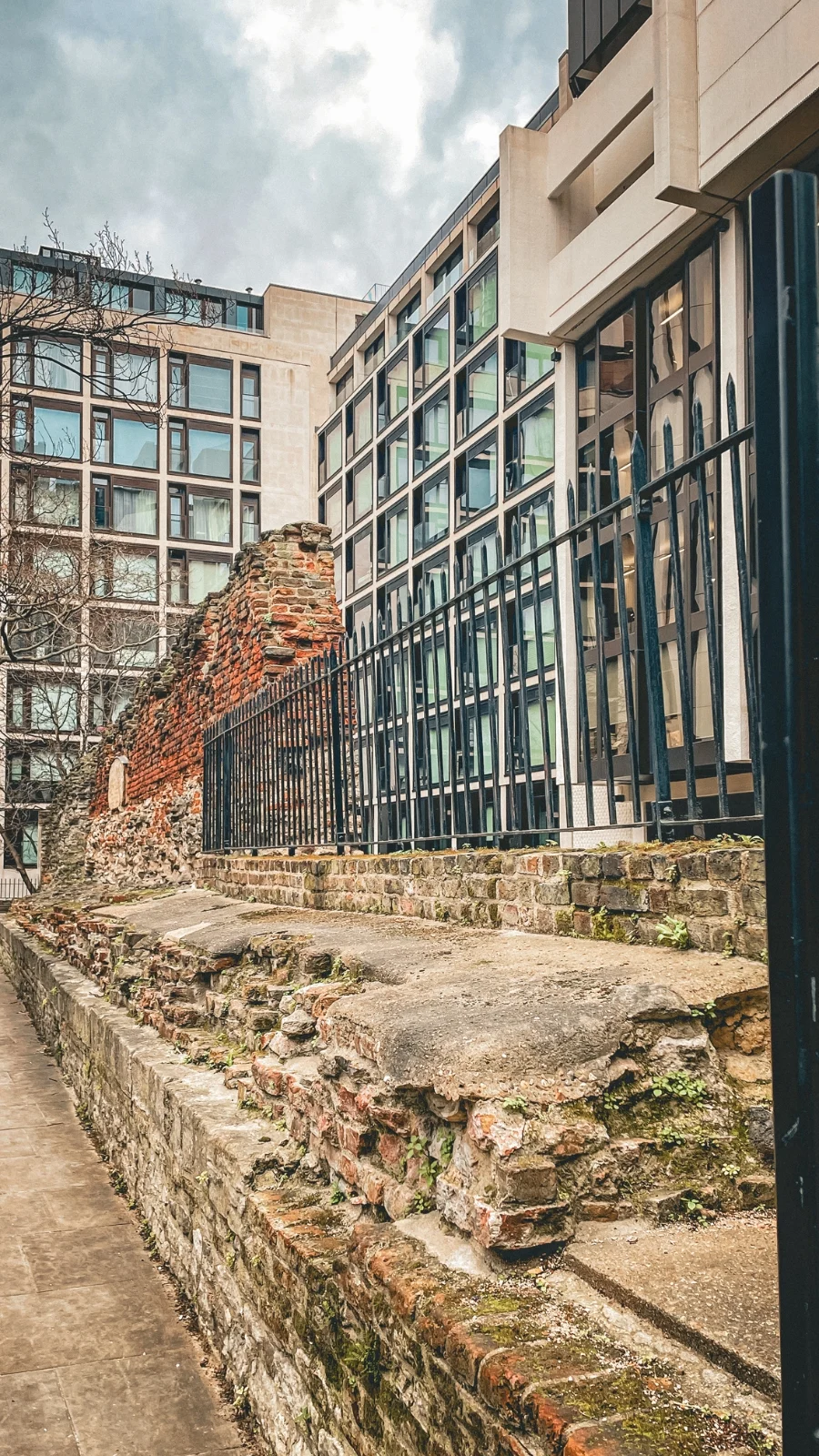
It has parts of the London Wall right behind it (picture on the right), and other parts on Noble Street and close to the St Giles Cripplegate church.
Plus, if you would like to discover more about London’s history, the Museum of London is located only a few minutes away, as are the Smithfield and Barbican areas, with landmarks such as Cloth Fair and the St Bartholomew the Great church.
Read: The Guide to Canary Wharf, East London
Secret Ruins in London: Charnel House, Spitalfields

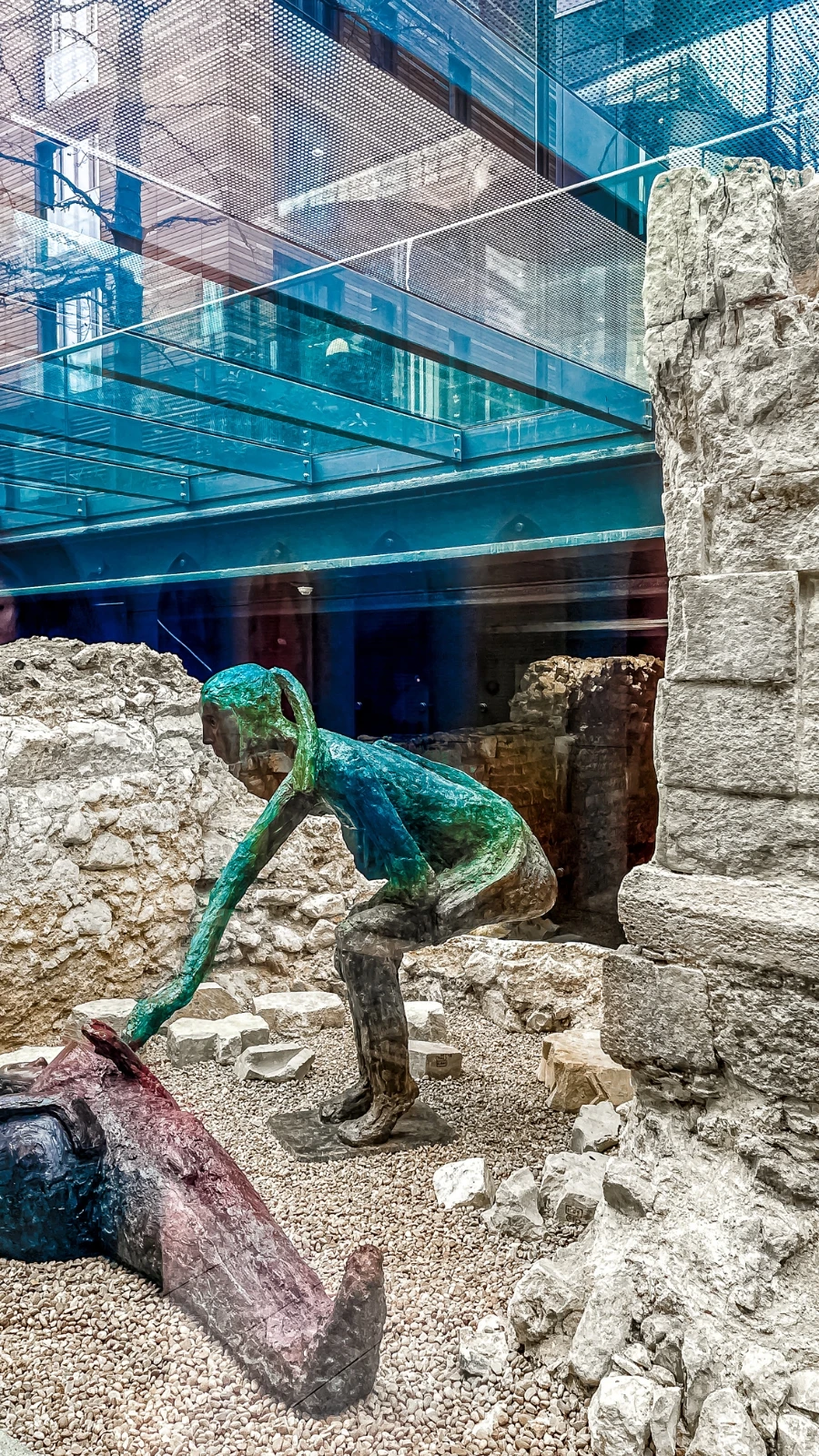
Walking around Bishops Square between Old Spitalfields Market and Liverpool Street, you will find, at the bottom of a set of stairs, the ruins of a Charnel House.
Dating back to the Middle Ages, what used to be part of St Mary’s Spital, a medieval priory and hospital, the Charnel House ruins are protected today by glass panels, and also visible at street level.
As the Spitalfields area was redeveloped in the 1990s, the ruins were discovered and make for a quirky sight when you’re spending a day in London and were just planning to go for some shopping at the Old Spitalfields Market.
If you would like to keep diving into London’s history, you will find many secret alleys and small streets around the Spitalfields area.
These include Puma Court and Artillery Passage, which have both retained their past-era charm, and make for a great moment at the edge of East London.
Best Roman Ruins in London: Roman Basilica Ruins at Leadenhall Market

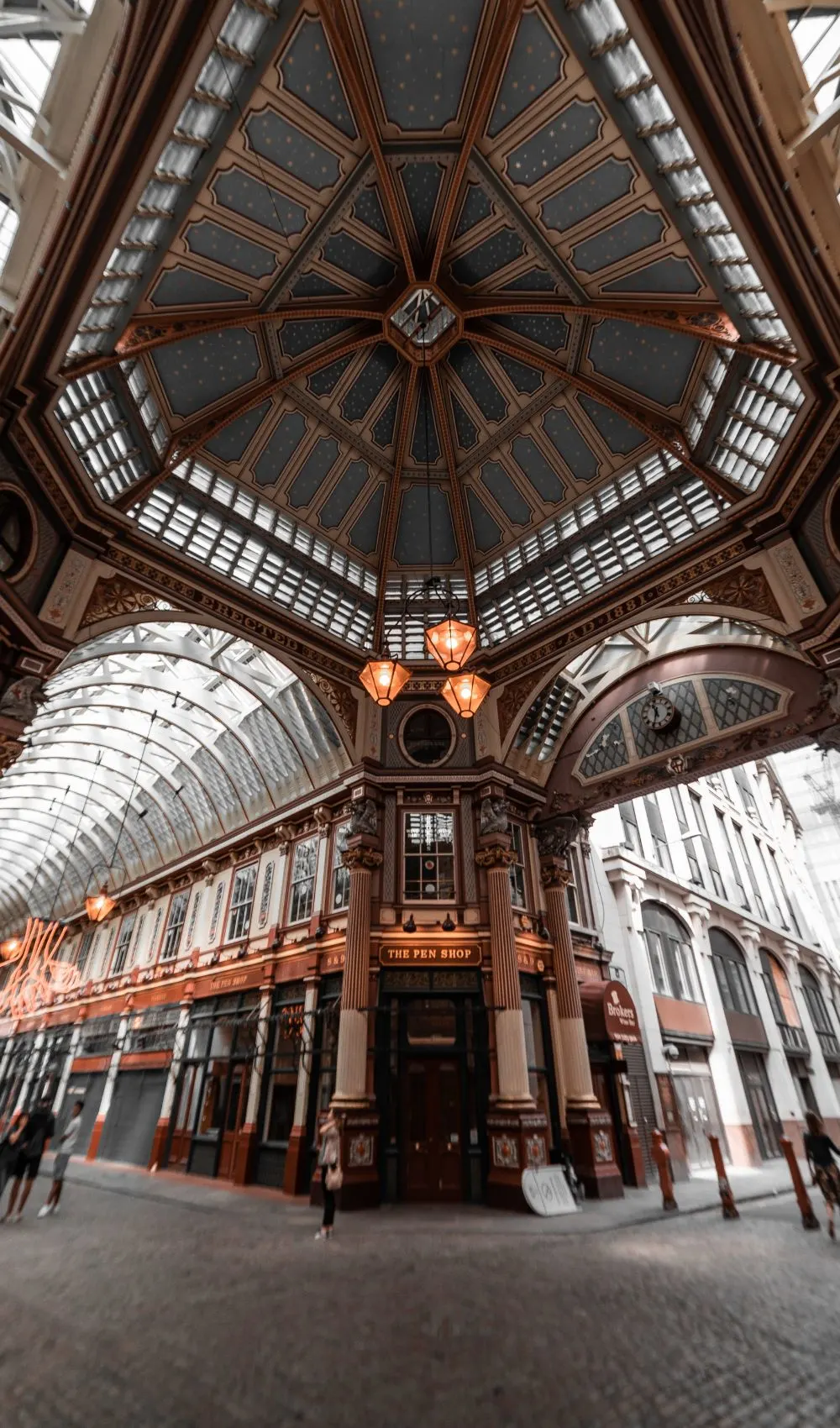


While Leadenhall Market is better known for its use as a Harry Potter filming location, in addition to its grand arches and the presence of the great French pastry shop Aux Merveilleux de Fred, it also hides Roman ruins.
In the back of a barber shop, Nicholson & Griffin Hairdressers, you will spot a small remainder of a Roman basilica, above which Leadenhall Market was constructed in the 19th century.
It is the only visible piece of this Roman building, often forgotten, as are the ruins of the Holy Trinity Priory located on Leadenhall Street nearby.
Read: The Curious Traveler’s Guide to Covent Garden, Central London
Beautiful Ruins in London: Holy Trinity Priory Ruins, Leadenhall Street


Established at the beginning of the 12th century, the Holy Trinity Priory is now hidden inside a building at 77 Leadenhall Street, and has blended in with the minimalist decor of a WeWork coworking space.
Again, we find ourselves in the City of London, and quite close to Aldgate, one of the sites to visit if you want to follow the route of the Roman London Wall.
If the priory was dissolved in the 16th century by King Henry VIII, parts of it remain visible, like the beautiful arch, protected by glass panels, which provides further insight into medieval London.
Read: The Guide to Multicolor Places in London
Best Church Ruins in London: St. Bride’s Church Crypt, Fleet Street

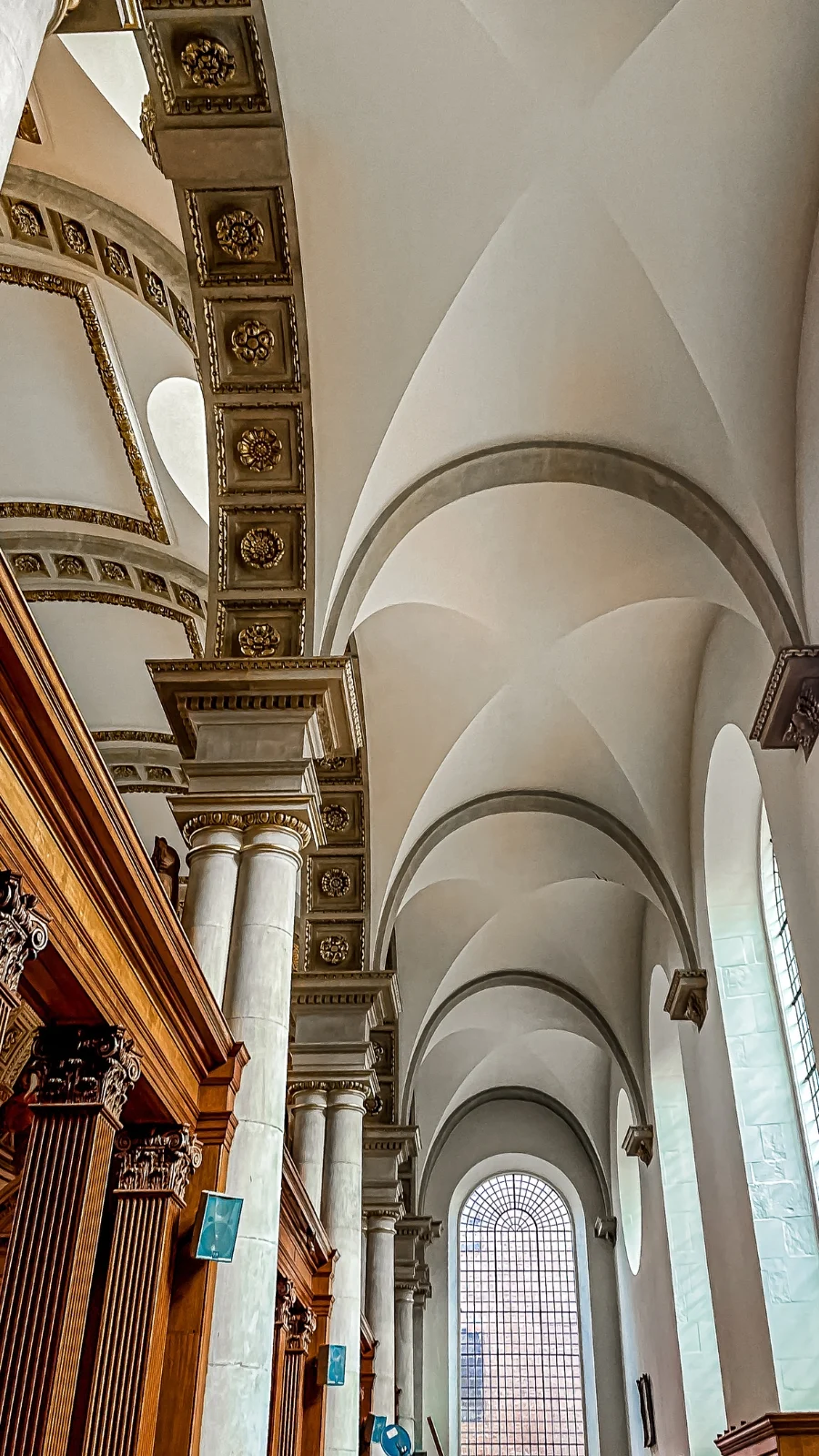

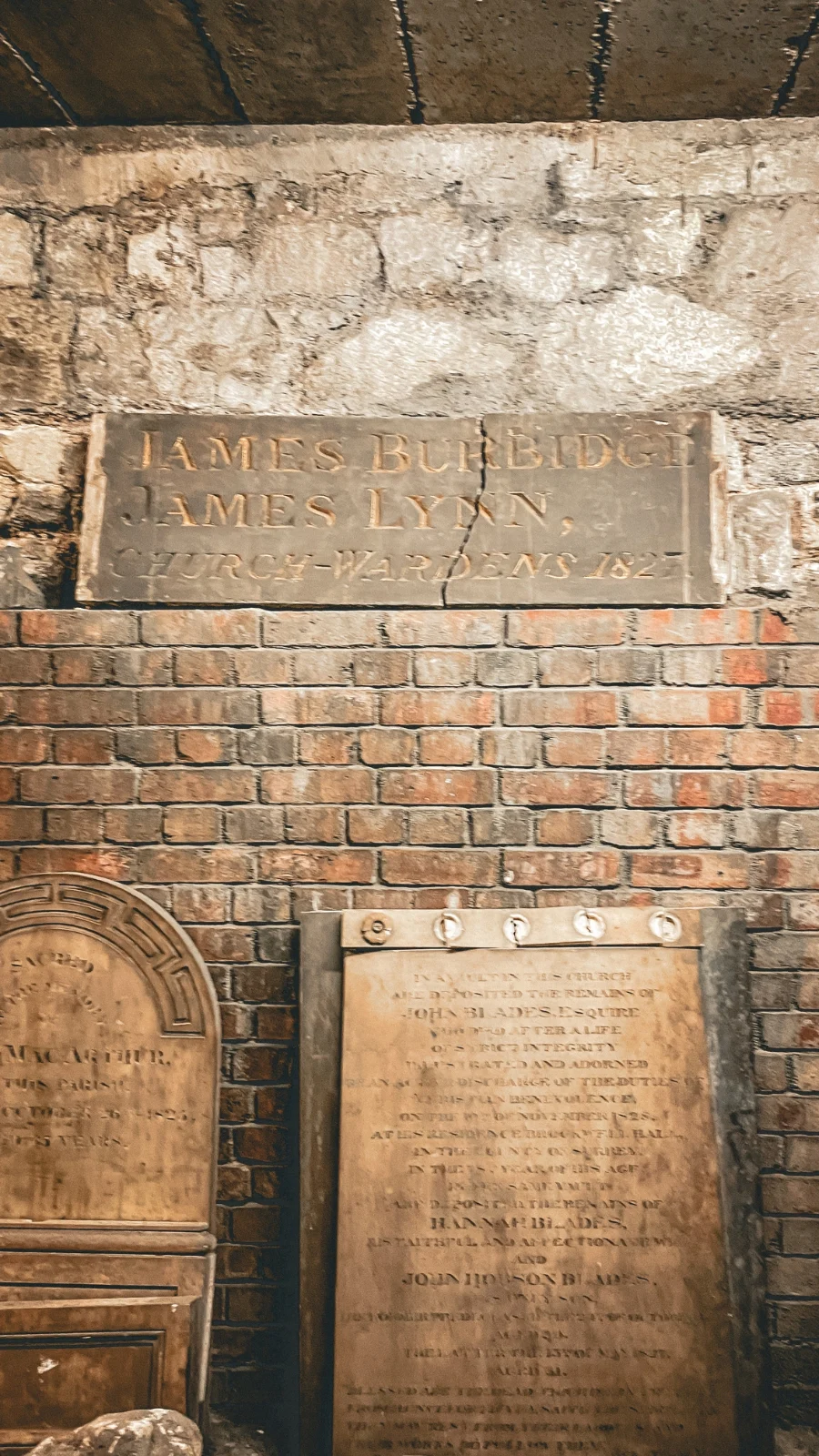

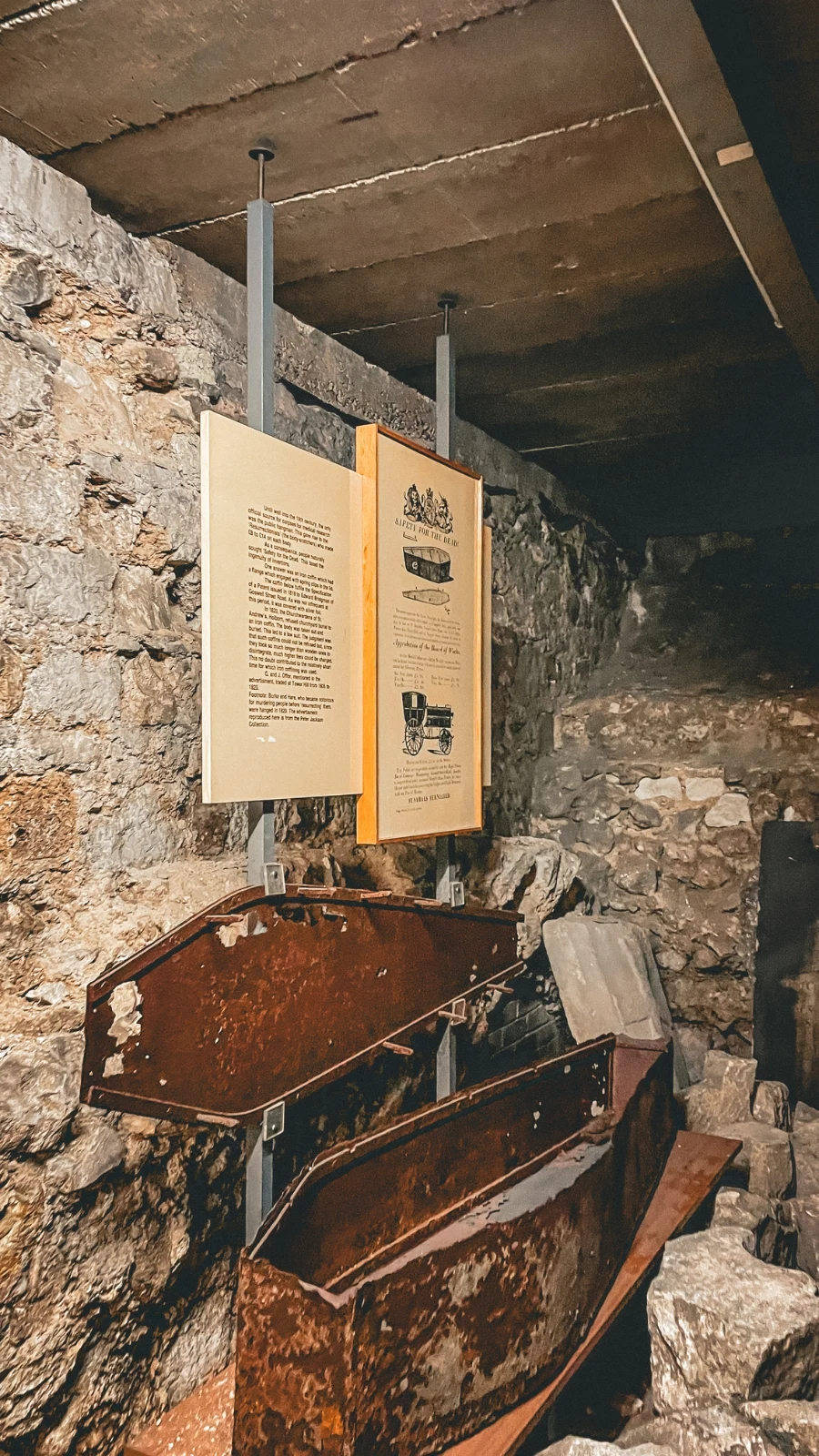
Believed to sit atop a site of worship dating back to the 7th century, St Bride’s Church is probably one of the City of London’s most secret churches, one with a tiny church garden where you can sit for a while to reflect on life or just rest from the bustling London life.
The church we can visit today, located on the historical Fleet Street, was designed in 1672 by Sir Christopher Wren.
It is not only a place where you can enjoy some calm, but also learn about the church and the neighborhood’s history.
Indeed, below St Bride’s Church, you will see a secret crypt which also doubles as a museum about the City of London and Fleet Street’s importance in the UK’s press and journalism fields.
Pieces of Roman pavement, along with medieval, Saxon and Norman ruins are still very much visible in the crypt, a very secret, and very exciting place to visit when in London.
Read: The Guide to London’s Street Art Neighborhoods
Best Roman Ruins in London: The London Stone, 111 Cannon Street, City of London

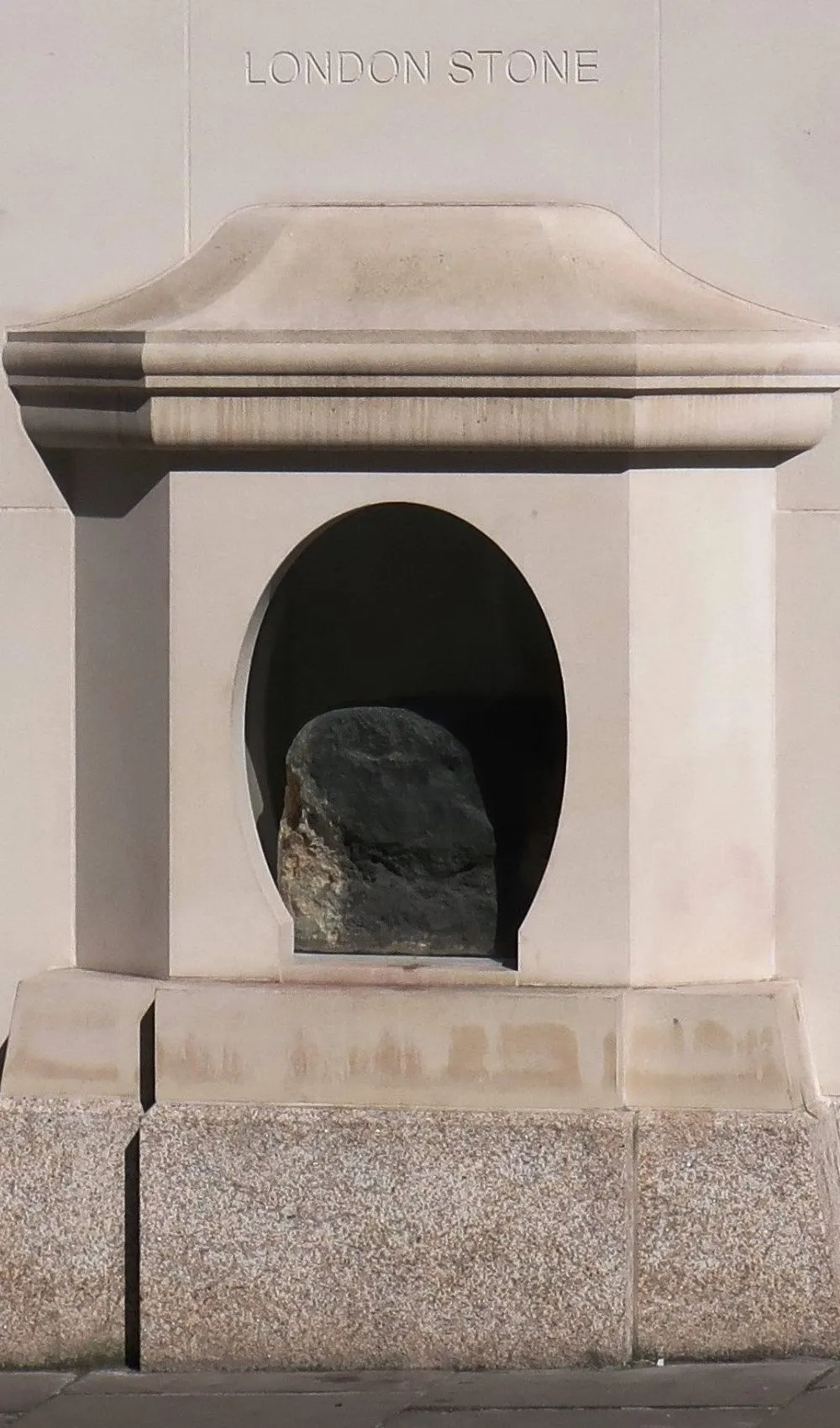
The London Stone is a small block of limestone which made its first appearance in history in the 10th century, potentially used by the Romans as a boundary stone.
Located today at 111 Cannon Street, opposite Cannon Street Station, the London Stone is believed to be linked to the future of the city itself: ‘So long as the London Stone is safe, London will flourish’.
Moved several times over the centuries, it is now displayed in a special case which you can almost miss when walking about your day – and yet, it is a significant piece of London’s history.
Read: The Guide to London’s Instagrammable Places
Beautiful Ruins in London: 15 Historical Places to Find Them

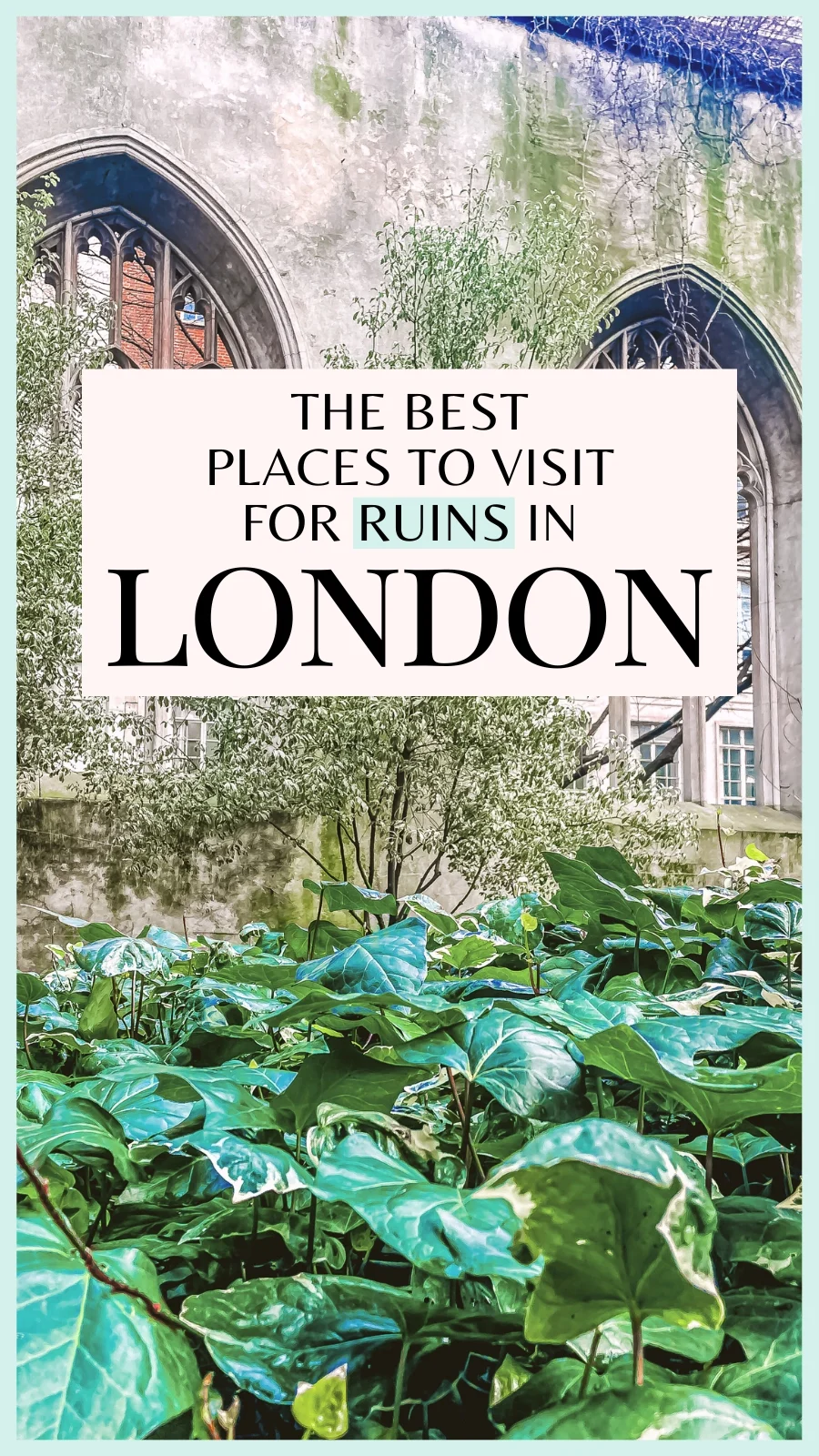
The places mentioned here are some of the most beautiful and well-preserved medieval and Roman ruins in London, along with a few Victorian and Edwardian ruins perfect to visit if you are into history.
Educational, exciting, wonderful in a word, these Roman Wall pieces, these church ruins make us wonder about the many battles, generations, eras and daily life customs Londoners experienced over the centuries.
If you would like to keep learning and marveling at London’s past, why not make the Rotherhithe area your next destination for a glance at maritime London?
Or, for some more insight into the textile and post-WWII history of the city, make your way to East London and visit the Liverpool Street area, along with Bethnal Green!