


A local’s complete travel guide to Ostia, the cheapest day trip from Rome; with Ostia Antica ruins, local coffee shops, beach walks, and cultural spots!
If you’re staying in Rome and need a quiet, affordable break from the chaos, Ostia is one of the best day trips you can take.
I’ve lost track of how many times I’ve spent the day in Ostia, especially near Castel Fusano, Cristoforo Colombo, and further out to Zion Beach.
So I thought I’d write a complete travel guide to Ostia; and if you’re visiting Rome for the first time, just know this is one of the coolest destinations!
Beaches and Ruins: Ostia, The Cheapest Day Trip from Rome

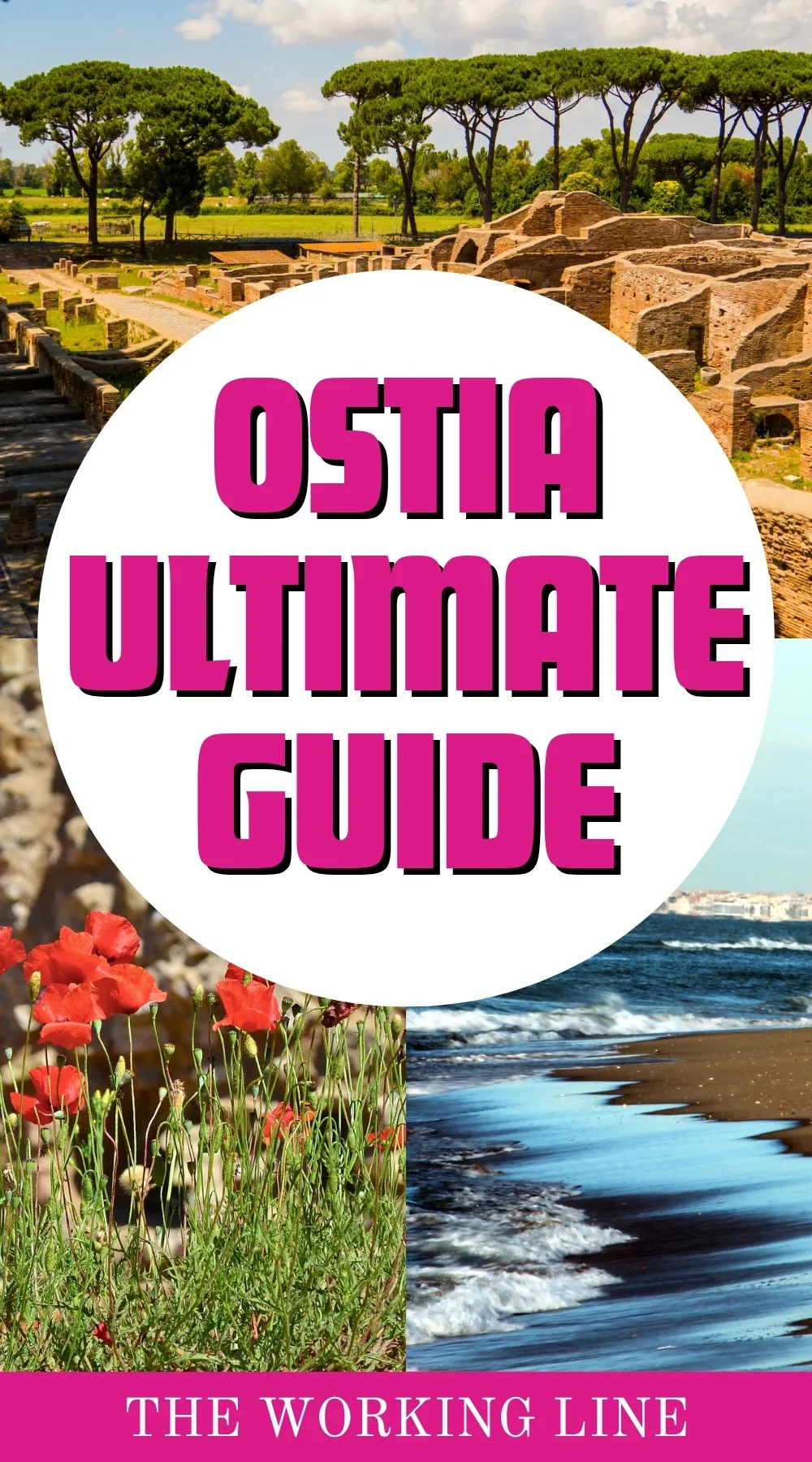
Located just over 30 minutes by train from the city, Ostia the kind of town where you don’t need a car or a itinerary that you won’t be able to follow because it’s just so chill.
Now, there’s more to see than Ostia Antica alone, though the ruins are worth every single second.
Peaceful beaches, family-run cafes, a fishermen’s village, green space and pine forests: Ostia has it all, so close and yet so far from the crowded center of Rome!
You can also find other great day trips you can take in my Ultimate Rome Travel Guide, along with lots of information on public transport, food, landmarks and hidden gems!
Ultimate Ostia Travel Guide: Food, Breakfast and Coffee


Ostia’s food scene is still very local, like in some really local areas of Rome center, especially outside of summer weekends.
In the morning, the rhythm is super slow: most people sip espresso at the counter, read the newspaper, and take their time.
You’ll find cornetti, fresh pastries, and small bakery counters, especially near Lido di Ostia and the central market. Here are five spots that offer a real taste of morning life in Ostia.
Bar Sisto (Stella Polare)
This neighborhood bar is one of those places where the coffee is strong, the cornetti are fresh, and locals fill the counter from 7am.
It’s near the Stella Polare station, so perfect if you’re walking toward the sea after arriving.
Caffetteria Il Sole di Ostia (Lido Centro)
Close to the main station, Il Sole di Ostia serves excellent sfogliatelle and ricotta tarts.
It’s quieter on weekdays and has shaded outdoor tables, so you can take your time before heading to the ruins or beach.
Bar dei Pini (Pineta di Castel Fusano)
Tucked inside the pine forest, this local kiosk-style bar is a quiet escape.
Locals come here after walks or runs in the park. Expect simple sandwiches, pastries, and some of the best fresh-squeezed orange juice in the area.
Pausa Caffè (Piazza Anco Marzio)
In the center of Lido di Ostia, this family-run cafe is a good place to take a break between the seafront and the market, especially on sunny days when everyone sits outside.
Read: The Best Breakfast in Rome
Ultimate Ostia Travel Guide: Unmissable Famous Attractions

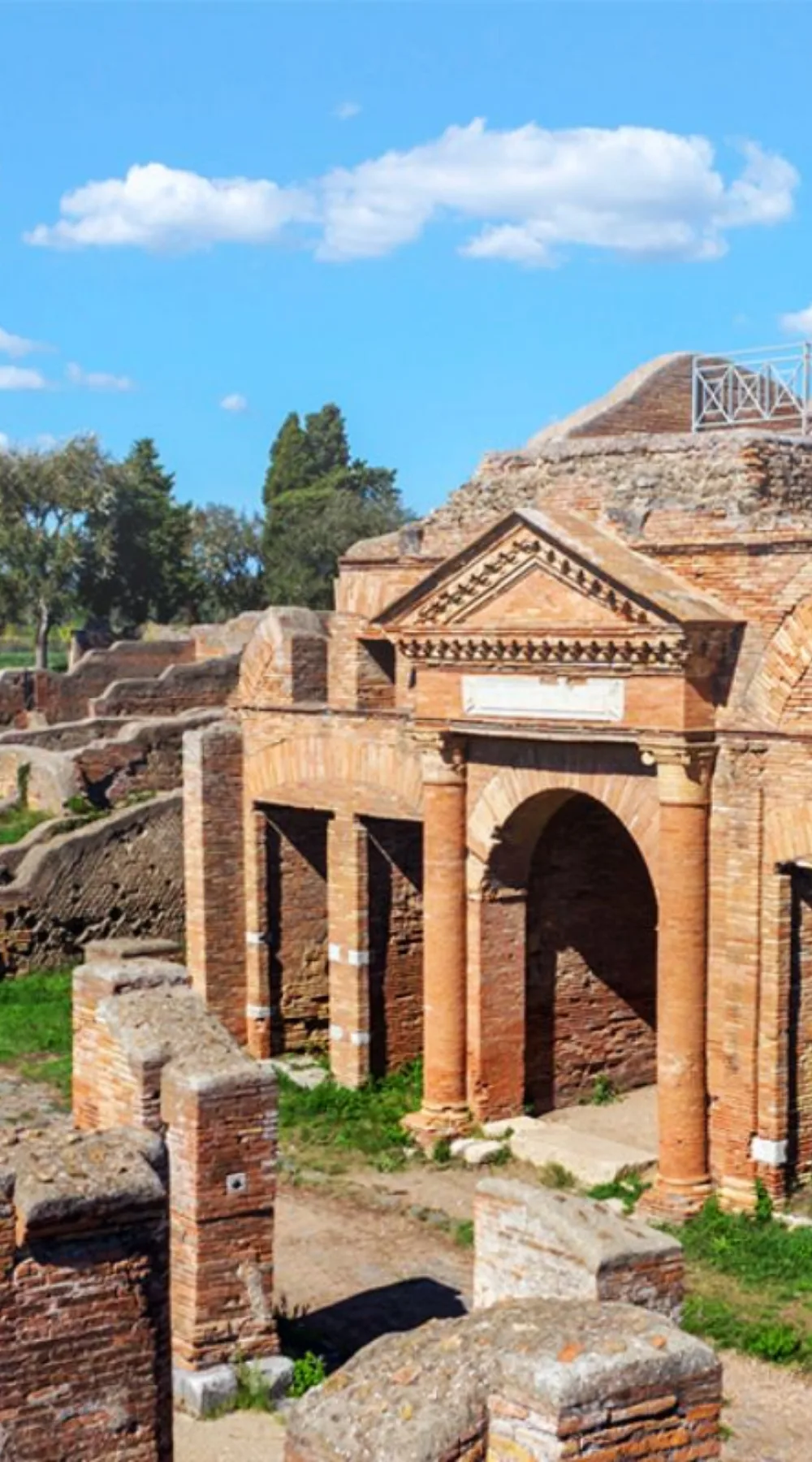
Most people visit Ostia to see the ancient Roman port ruins at Ostia Antica, but there’s much more to explore.
These are the five most famous attractions in the Ostia area if you want to combine history, local life, and landscape in one day.
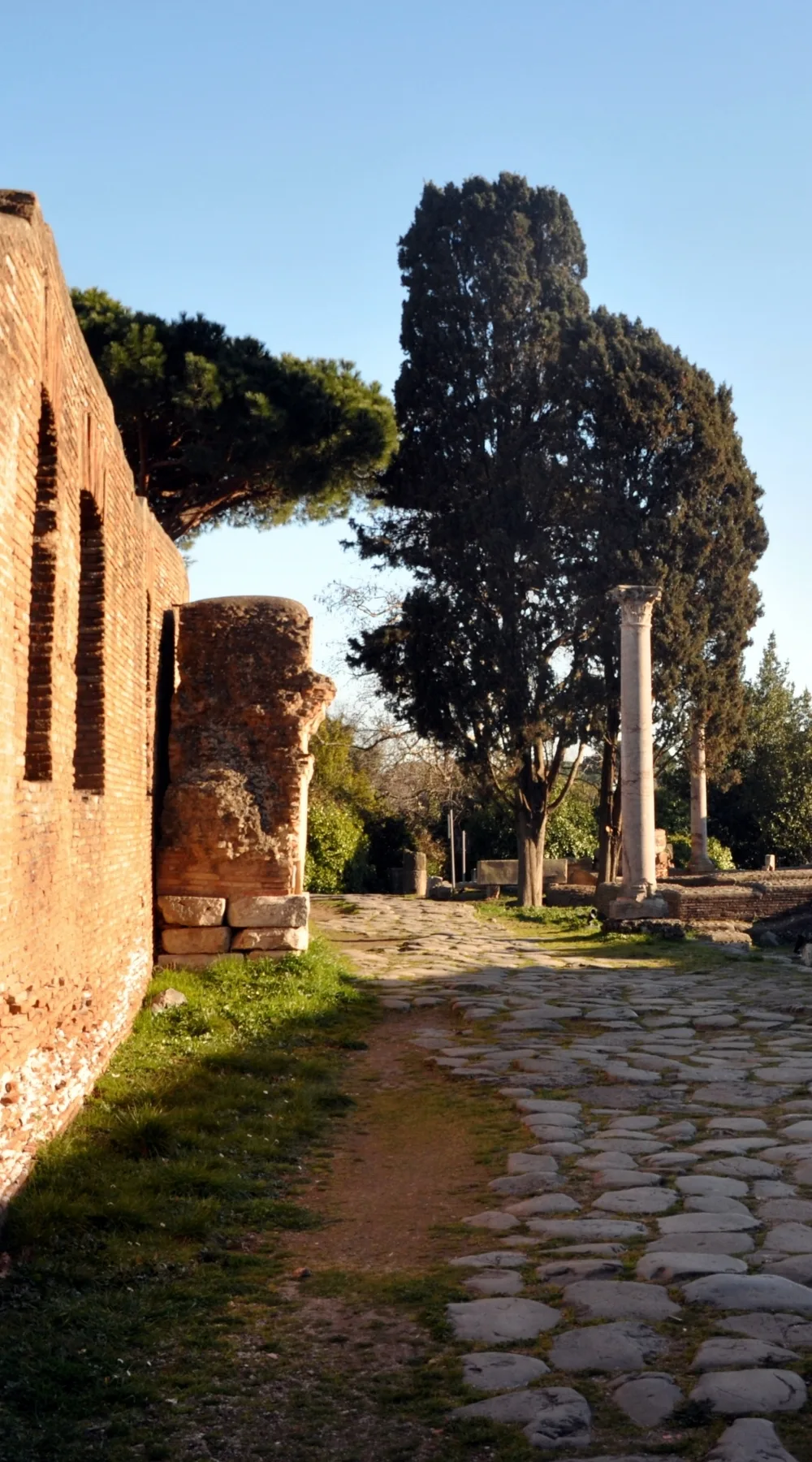
Ostia Antica Archaeological Park
The main site spans streets, houses, bathhouses, temples, and a full Roman theater. It’s far less crowded than Pompeii and much easier to navigate – I’ve been to Pompeii, and boy, have I gotten lost a handful ot times!
The mosaics, especially at the Baths of Neptune, are incredibly preserved. Entry is around 18 euros, and you’ll want at least two hours to really enjoy it.
Castello di Giulio II
This Renaissance castle sits right by the ruins and offers a peaceful view over the site.
It’s often closed on weekdays, but the exterior alone is worth seeing. Sometimes there are local exhibitions inside when it’s open.
Basilica di Sant’Aurea
A quiet church right next to the castle, Basilica di Sant’Aurea is often empty except for a few locals.
The cloister is serene and the perfect spot for a quick rest or some quiet reading before or after the ruins.
Pontile di Ostia (Seaside Pier)
This long concrete pier stretches out into the sea and is popular with locals for evening walks. Go early or off-season if you want it quiet. The views are simple but really soothing.
Borghetto dei Pescatori
A tiny traditional fishermen’s village, the Borghetto dei Pescatori is set just outside the central area.
It’s quiet, low-built, and still lived in by locals. Come here at lunch or early evening and you’ll get a completely different feel from the rest of Ostia.
Read: The Most Unique Shops in Rome
Ultimate Ostia Travel Guide: Where to Stay – Best Neighborhoods
Ostia is more of a day trip location for most, but if you want to spend a night outside the city, there are a few areas that feel safe, quiet, and well-connected.
Lido di Ostia Centro
This is the most central and accessible area, walking distance to the beach, markets, and cafes.
The Lido Centro train station connects directly to Rome, great if you want to stay near the water without relying on buses.
Stella Polare
A quieter residential area still close to the sea, with a few cafes and independent shops.
It’s more lived-in and not touristy at all, which makes it a good place if you want peace and early mornings with few people around.
Borghetto dei Pescatori
For something atmospheric and slightly removed from the main strip, the village area has a handful of B&Bs and rentals. It’s not as connected by train, but walkable from Stella Polare.
Ostia Antica Village
If your focus is on the ruins and surrounding park, there are a few guesthouses here that feel like countryside inns.
You’ll need to walk about 20 minutes to the archaeological entrance, but it’s very quiet at night.
Castel Fusano
This area is forested and a bit further from the center, but there are budget hotels and even campgrounds for summer travelers.
Not ideal for short stays without a car, but great for longer retreats.
Read: The Most Unique Shops in Rome
Ultimate Ostia Travel Guide: Unusual Activities or Workshops


If you’re not just here for the ruins or the beach, there are a few interesting and low-cost experiences worth fitting into your day.
Birdwatching at LIPU Ostia
The local wildlife reserve near Castel Fusano often offers free guided walks for birdwatchers, if you’re into nature.
These need to be booked in advance (in Italian) but are peaceful and informative even if you’re a beginner.
Drawing Workshop at LidoArte
This community art space in central Ostia sometimes runs drawing or watercolor classes. They’re affordable, beginner-friendly, and often open-air in nearby parks.
Small Boat Rentals on the Canale dei Pescatori
Some locals rent out paddle boats or small electric boats in summer. You can explore the canal between the village and sea — quiet, slow, and very local.
Seasonal Community Events
In summer and early fall, there are often free music evenings, art exhibits, or food festivals set up around Piazza Anco Marzio or the castle.
They’re posted on local boards or Comune di Roma websites — no heavy advertising, just casual local culture.
Read: The Best Things to Do in Rome At Night
Ultimate Ostia Travel Guide: Public Transport and How to Arrive From Rome


- Roma–Lido commuter train via Piramide (Metro B) — runs from about 5:08am until 11:30pm, roughly every 20 minutes, taking around 37 minutes to Lido di Ostia Centro. Single BIT tickets cost €1.50, valid for 100 minutes
- Roma 24‑Hour Transport Ticket (Roma24h) — unlimited rides on metro, buses, tram, and Roma–Lido for 24 hours at €7. Ideal if you plan to explore Rome before or after Ostia
- Roma Pass / CIS Weekly Pass — 48‑ or 72‑hour Roma Pass includes public transport and free entry to Ostia Antica (1 or 2 entries depending on duration). A weekly CIS card costs €24 for 7‑day unlimited travel
- Night buses (N3) — after the train ends at 11:30pm, the N3 bus covers the Roma–Lido route between Piazza Venezia and Lido Cristoforo Colombo. Useful if you stay late by the seaside or prefer a night departure
- Buying and validating tickets — buy BIT tickets at metro stations, ATAC machines, or tabacchi. Validate right after boarding trains/buses. Roma Pass or digital BIT via Tap&Go are contactless options
Read: Porta Portese Market, Rome’s Best Flea Market
Ultimate Ostia Travel Guide: Best Day Trips
- Ostia Antica Archaeological Park — open Tuesday to Sunday (varying seasonality), adult ticket €18, concession €2 EU residents (18–25), free under‑18 and disabled. First Sunday free each month.
- Imperial Harbours of Claudius & Trajan — open same days; €6 full, €2 reduced; first Sunday free . Connected by a short bus or taxi ride from the centre.
- Museum of Roman Ships (Fiumicino) — open April–October 10:00–18:00, November–March 10:00–16:00; €6 full, €2 concession, first Sunday free.
- Necropolis of Porto — late antique burial site near Fiumicino; Tuesday–Sunday 10:30–16:30, €6 full, €2 reduced, first Sunday free. Access via bus or taxi from Ostia Antica railroad.
- Castello di Giulio II — open seasonally (1 Oct–24 Oct: 10:30–16:30, Mar–15 Jun: 10:30–19:30, etc); €6 full, €2 reduced, free first Sunday. Don’t miss the fortified Renaissance walls and occasional exhibits.
Read: The Prettiest Neighborhoods in Rome
Ultimate Ostia Travel Guide: Guided Tours – Free, Cheap or Secret
- Audio guides at Ostia Antica — €7 for long route, €5 for short, available in multiple languages (€5 kids), bookable onsite
- Roma Pass–included guided entry — many tours walking from central Rome include transport; with Roma Pass, you only pay standard €18 entry for the site. It’s not essential to pre‑book tours as the site isn’t overcrowded
- Free community events in summer — local Comune di Roma and cultural associations organize casual open‑air concerts, readings, or small exhibitions in Piazza Anco Marzio or near the castle. Check local signage or municipal websites for updates.
- LIPU bird‑watching walks — free guided nature walks by the Italian Bird Protection League near Castel Fusano. Book directly through LIPU Ostia for migratory bird-spotting tours.
Read: 3 Days in Rome: A Walkable Itinerary Beyond the Obvious
Ultimate Ostia Travel Guide: Best Gardens and Parks

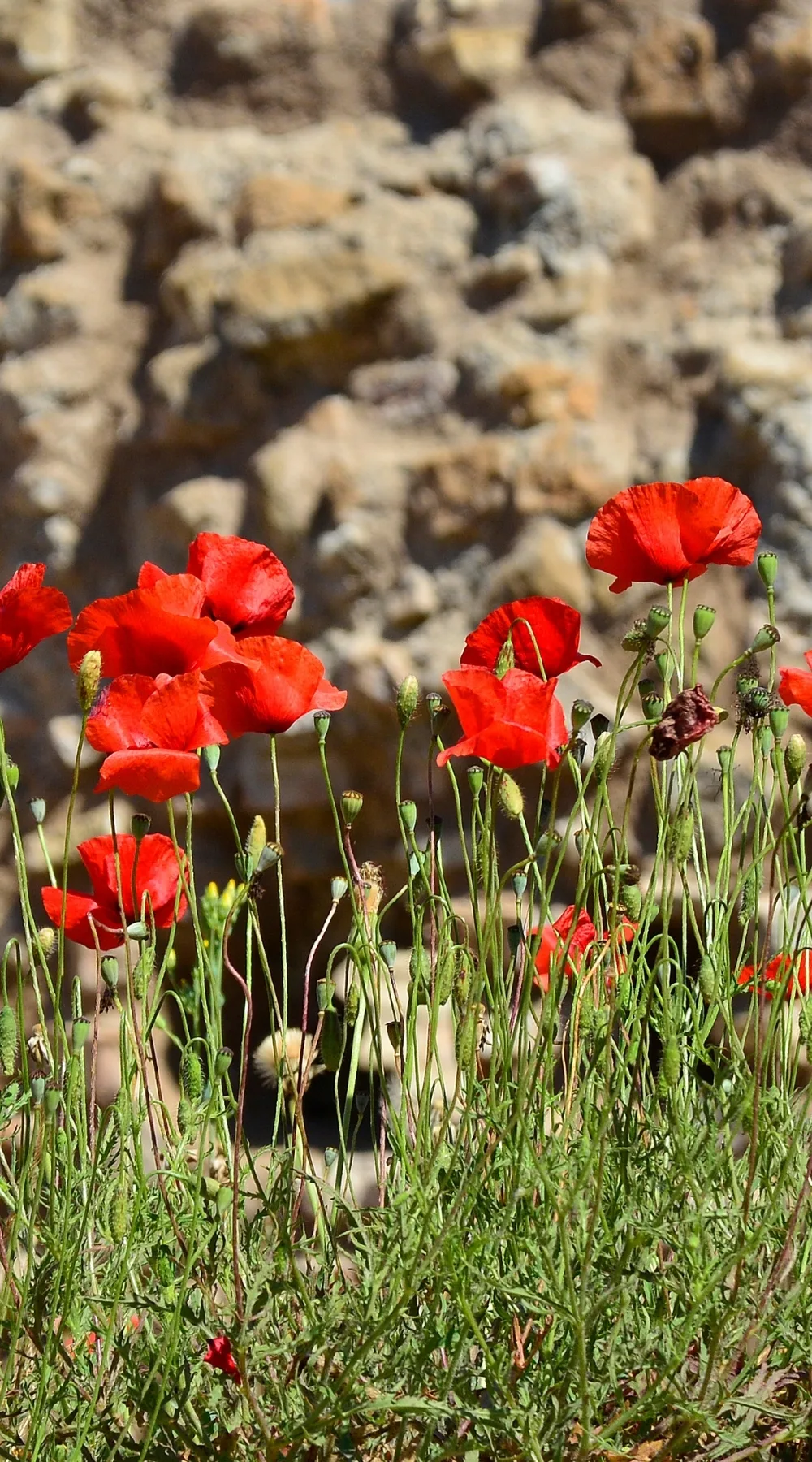
- Pineta di Castel Fusano — a large Pine forest reserve, easy forest trails, shaded benches, birdlife, picnic areas. Free and open year-round day‑use.
- Centro Habitat Mediterraneo — small wetland reserve near Torretta Caetani, included in the Litorale Romano State Nature Reserve. Great for birdwatching, low walking paths, free entry.
- Parco dei Ravennati — wooded park closer to the village of Ostia Antica, dedicated to reclamation workers from Ravenna region. Has picnic tables and quiet green space.
- Beachside promenade at Lungomare Paolo Toscanelli — simple sea-side walk dotted with benches, seasonal small cafes/stalls, and occasional pop‑up markets.
- Small piazzas in Borghetto dei Pescatori — though modest, the area’s village streets and mini‑green pockets between fishermen’s homes have benches, shade, and a timeless coastal feel.
Read: Trastevere, Rome: 12 Hidden Gems of a Famous Neighborhood
Ultimate Ostia Travel Guide: Quiet Places to Visit
- Basilica di Sant’Aurea, Ostia Antica — 15th‑century church next to the castle. Rarely crowded, quiet cloister and benches inside for peaceful breaks
- Forum Baths mosaics — not hidden but overlooked by most crowds. Enter Reggia‑style rooms with detailed octagonal and mosaic art, especially the Forum Baths
- Borgo medievale di Gregoriopoli — 9th‑century citadel ruins northwest of the archaeological site; atmospherically quiet and rarely visited
- Baths of the Philosopher — an off‑beaten bathhouse in Regio V with mosaic flooring and possible philosophical school connection. Often calm and empty
Read: Testaccio, Rome: The Best Hidden Gems and Street Art
Ultimate Ostia Travel Guide: Seasonal Travel Tips

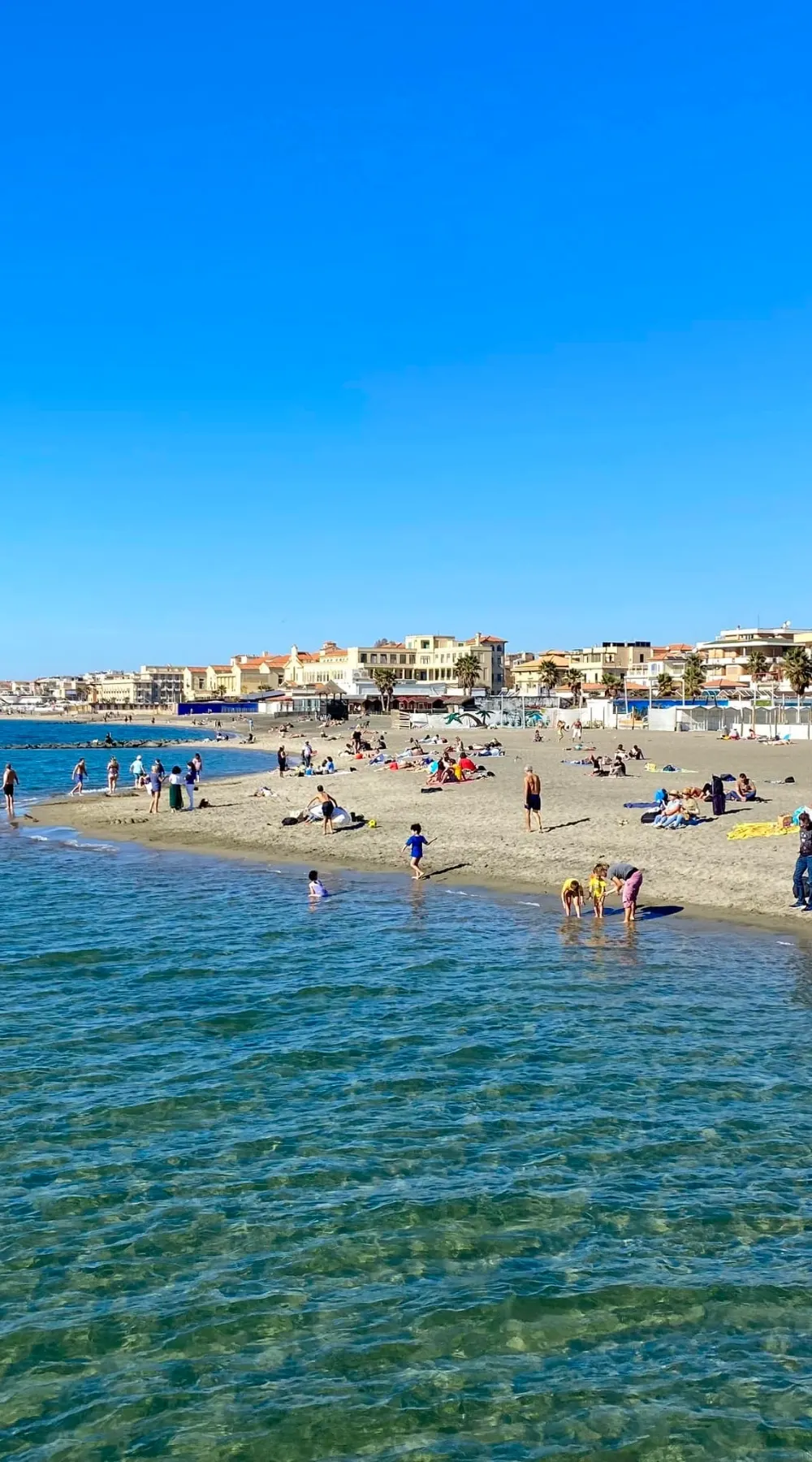
Here’s how to make the most of Ostia throughout the year, depending on when you choose to visit Rome.
- Spring (Mar–May) – Pine forest blooms, bird migration shows its best in April/May. The beaches are calm, and the ruins are, in my opinion, at their prettiest.
- Summer (Jun–Aug) – Use public bus line 07L to reach free beaches (“cancelli”). Start early to beat crowds, avoid mid-August as Romans escape city heat towards Ferragosto holiday.
- Autumn (Sep–Nov) – Quieter, olive and wine harvest near Castello di Giulio II. The sea is still a little warm from the summer, but school holidays are over.
- Winter (Dec–Feb) – Very quiet in Ostia, pine forest walks feel peaceful. Ruins are calm, cafe atmosphere more relaxed; it’s a more budget-friendly season.
Read: Living in Rome: True Roman Symbols No Blog Talks About
Ultimate Ostia Travel Guide: Money & Budget Tips
- Train fare is €1.50 one way using a normal BIT ticket valid across metro, bus, and Roma–Lido. If you already have a Roma24h or Roma Pass, it’s included.
- Free Sundays at museums – On the first Sunday of each month, Ostia Antica, the Castle, and nearby sites are free entry for all ages.
- Free beaches exist – Avoid overpriced beach clubs near Ostia Lido by heading toward the Cancelli area, where public access remains (Bus 07 line from Lido Centro).
- Tap water is safe – Rome’s water fountains (nasoni) exist in Ostia too. Bring a bottle and refill. No need to buy bottled water.
- Cafes don’t overcharge – Especially if you stand at the bar, prices stay reasonable. A cornetto and espresso will rarely go over €2 total.
Read: The Best Places to Visit in Rome for Sculptures
Ultimate Ostia Travel Guide: Tipping Culture

- Tipping is not expected – In cafes and casual food spots, tipping is not necessary. Locals don’t do it.
- Coperto is separate – Some sit-down restaurants include a “coperto” or cover charge, but this isn’t a tip. It’s a flat table fee.
- Rounding up is fine – If you want to tip, just round up to the nearest euro or leave small coins on the counter. That’s it.
- No pressure for tourists – You won’t be judged or chased down if you don’t tip. Ostia isn’t touristy in that way.
- Baristas and cafe owners appreciate kindness – A simple “grazie mille” or small compliment goes further than a tip.
Read: The Best Hidden Gems and Secret Places in Rome
Ultimate Ostia Travel Guide: Tourism Offices
- Info Point Ostia Antica – Located near the entrance of the archaeological park. Staff speak English, offer maps, brochures, and tickets.
- Comune di Roma Info Desk (Lido Centro) – Inside or next to the station, depending on the season. Open during weekdays.
- Roma Pass pick-up point – Though better handled in central Rome, some partners operate in Ostia on request.
- Pop-up event stands – In summer, local cultural boards set up information kiosks along the promenade.
- Tourist maps available at bookshops – Not official, but small maps and walking guides are sold at local librerie.
Read: The Best Cafes to Work in Rome
Beaches and Ruins: Ostia, The Cheapest Day Trip from Rome


Visiting Ostia from Rome is really one of the simplest ways to step back in time, slow down, and enjoy Italy beyond the usual.
All you have to do is catch a train in the morning or even just a little before lunch if you just want to spend a half day there, bring water and good shoes, and let yourself walk through history.
From pine forests to seafront cafes, from ancient ruins to quiet cloisters, Ostia is all about taking things one step at a time, between nature and water… Wonderful.