

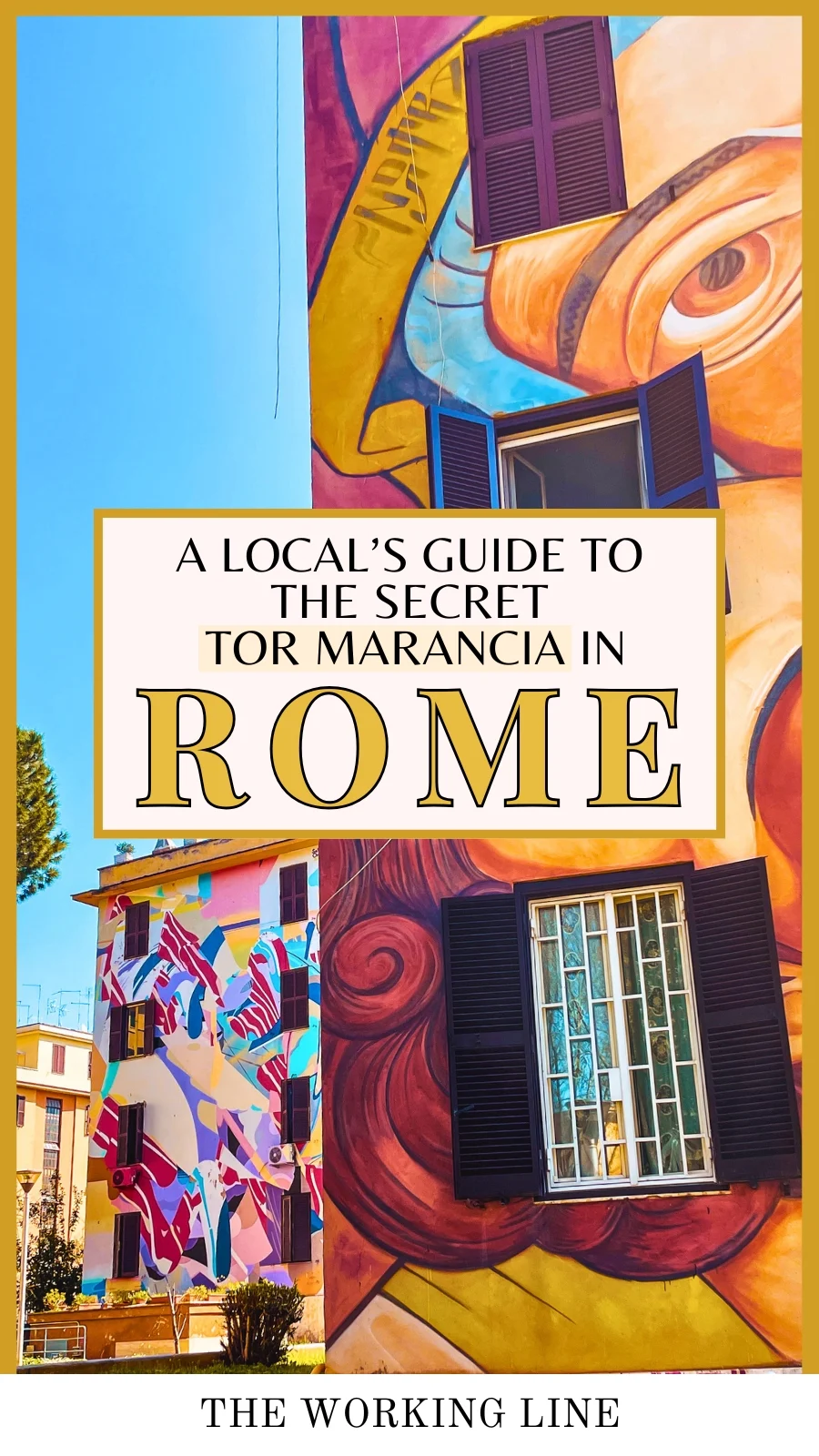
A local’s guide to Tor Marancia, a secret neighborhood in Rome just outside the center, known by locals for its gorgeous street art murals and a Roman feel!
Unlike Roman neighborhoods like Trastevere, there are parts of the city that literally just exist, and if you’re willing to tread off the beaten path, they’ll blow your mind.
Tor Marancia is one of those places; it’s not a destination per se, but a local neighborhood, working-class, just southeast of the Aurelian Walls.
Romans call it Shanghai, artists call it a canvas, but its official name is Museo Condominiale di Tor Marancia.
And I know for a fact that this open-air museum is one of the most secret places you could come across in Rome.
Tor Marancia: Rome’s Secret Area That’s an Open-Air Museum

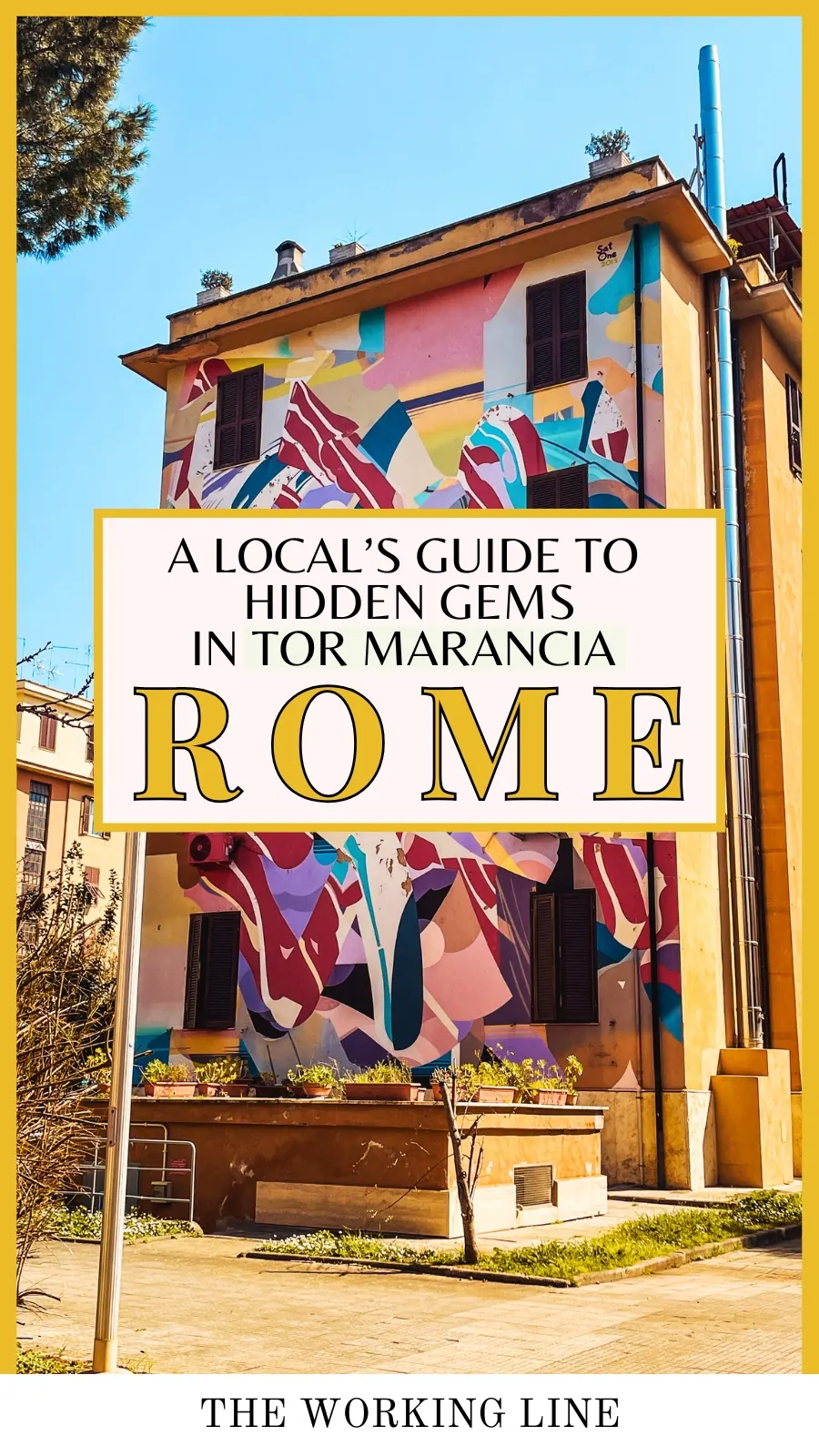
Tor Marancia, Rome: How to Get to the Street Art Neighborhood From the Center

Tor Marancia is located just over 4 kilometers south of the Colosseum.
It sits between the neighborhoods of Garbatella (another street art area), Ardeatino, and the southern edge of San Paolo.
From Termini, it takes about 20 minutes by metro and bus: you take Metro B to Garbatella or San Paolo and walk.
Or, you can take bus 714 from Via Nazionale and get off at Colombo-Marconi. From there, the murals are a short walk away.
There are no signs or crowds, but as soon as you turn into Via di Tor Marancia, you’ll start to feel the vibe.
Read: The Best Neighborhoods to Stay in Rome
What You’ll See in Tor Marancia Before Entering The Neighborhood


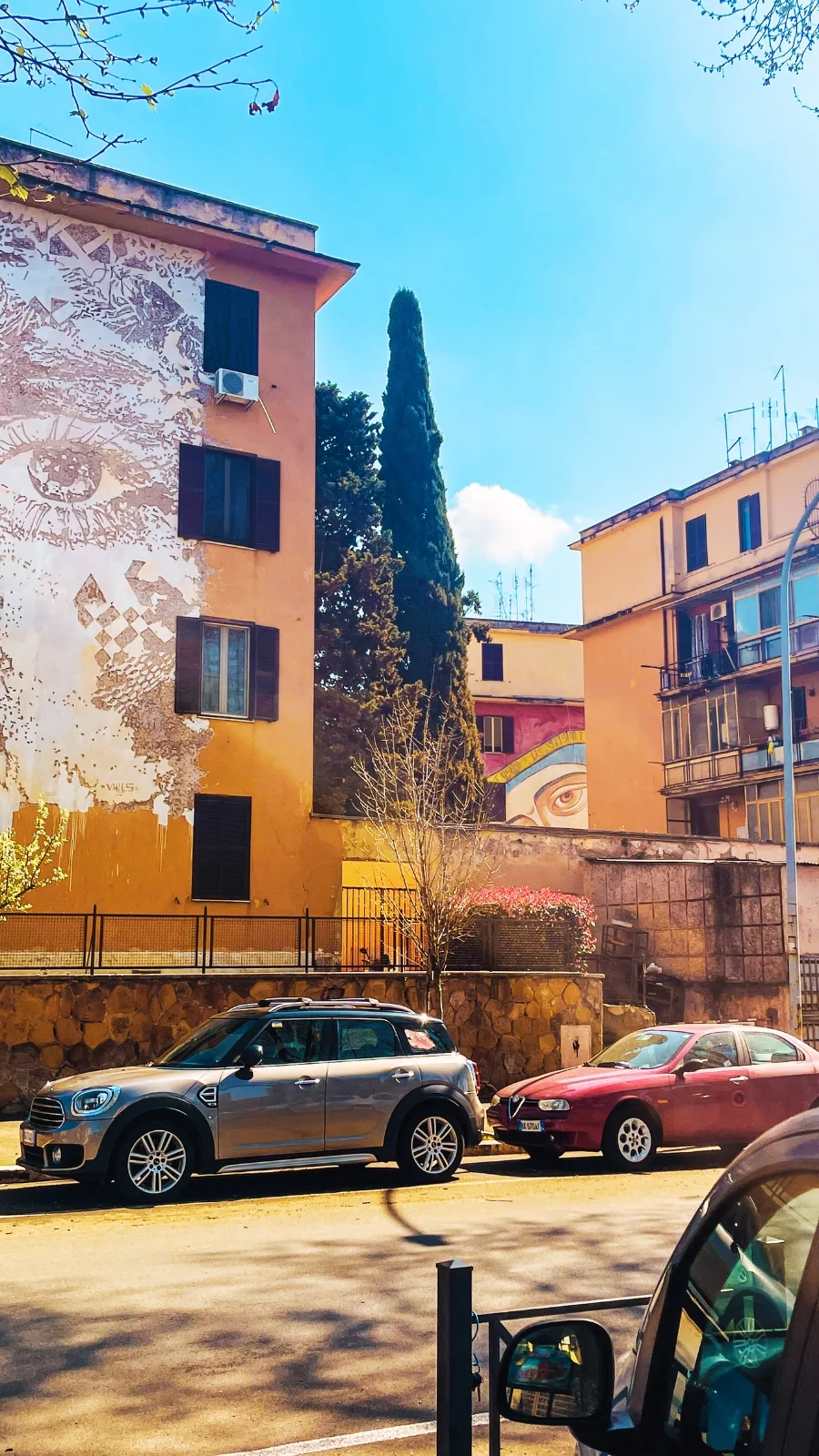
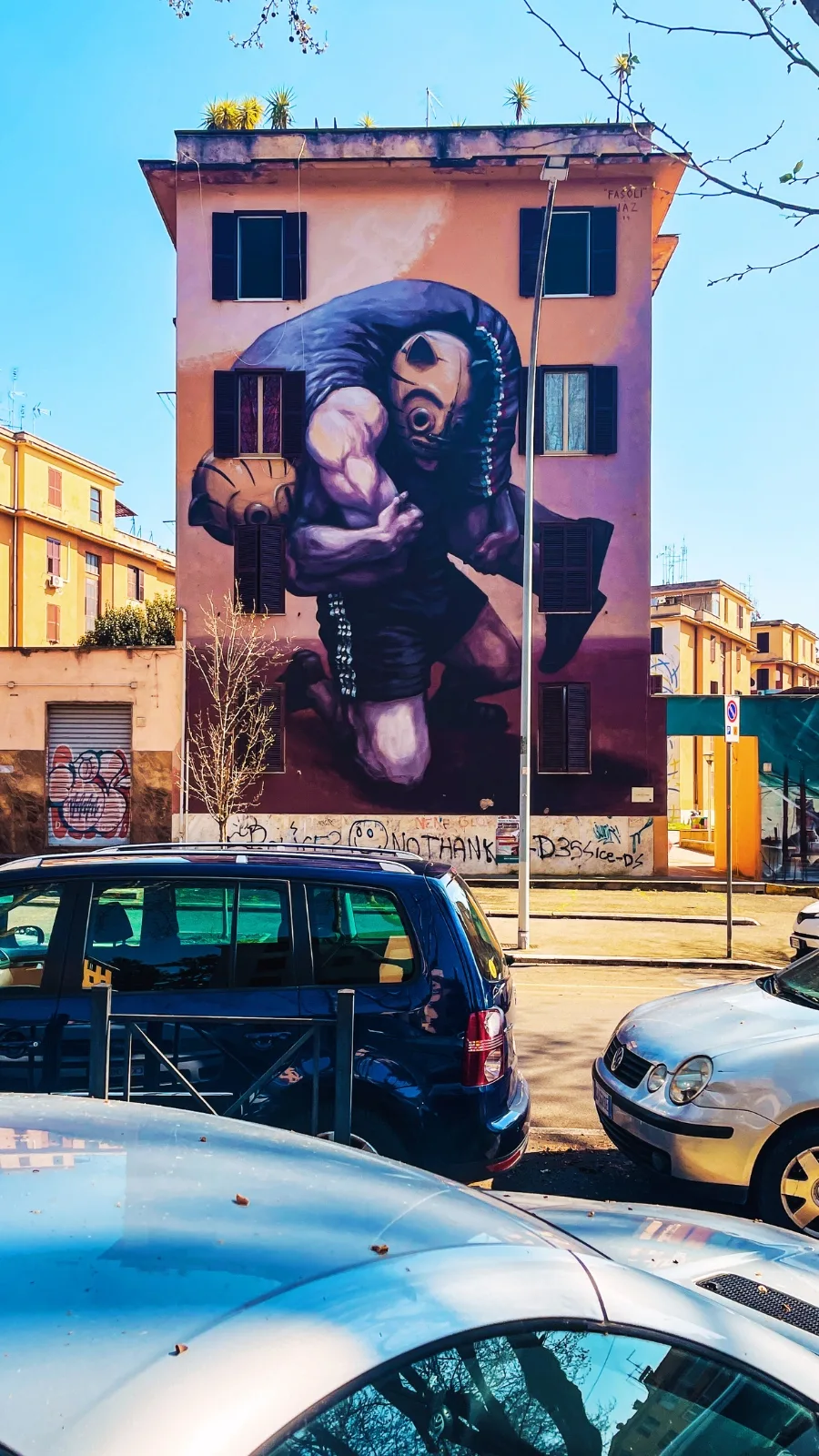
As soon as you hop off the bus, you’re welcomed by street art that is not part of the Museo Condominiale di Tor Marancia, but very much part of the neighborhood’s vibe.
I recommend you walk around the buildings, and leave by another entrance so you can discover more hidden murals behind the back buildings.

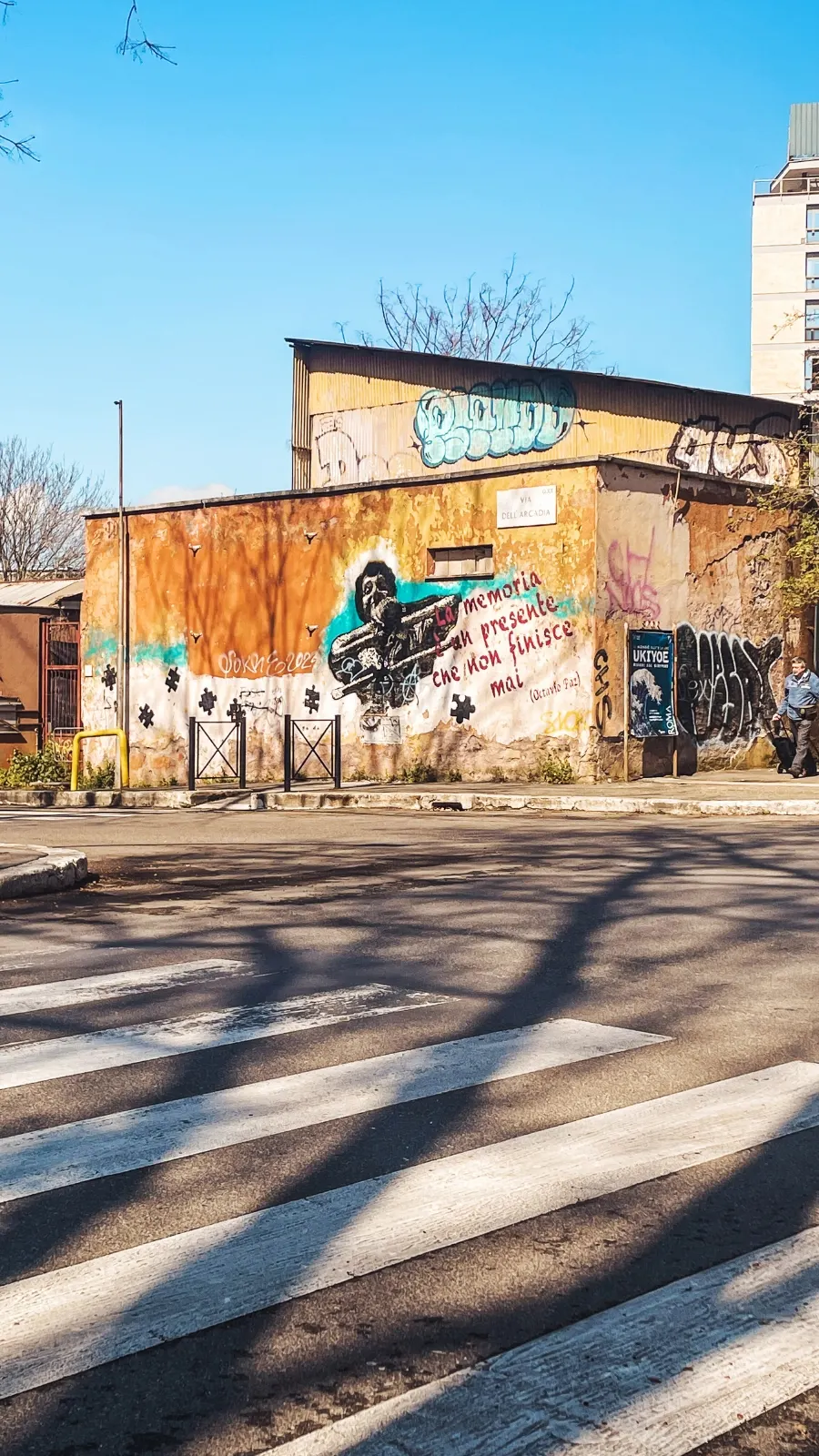

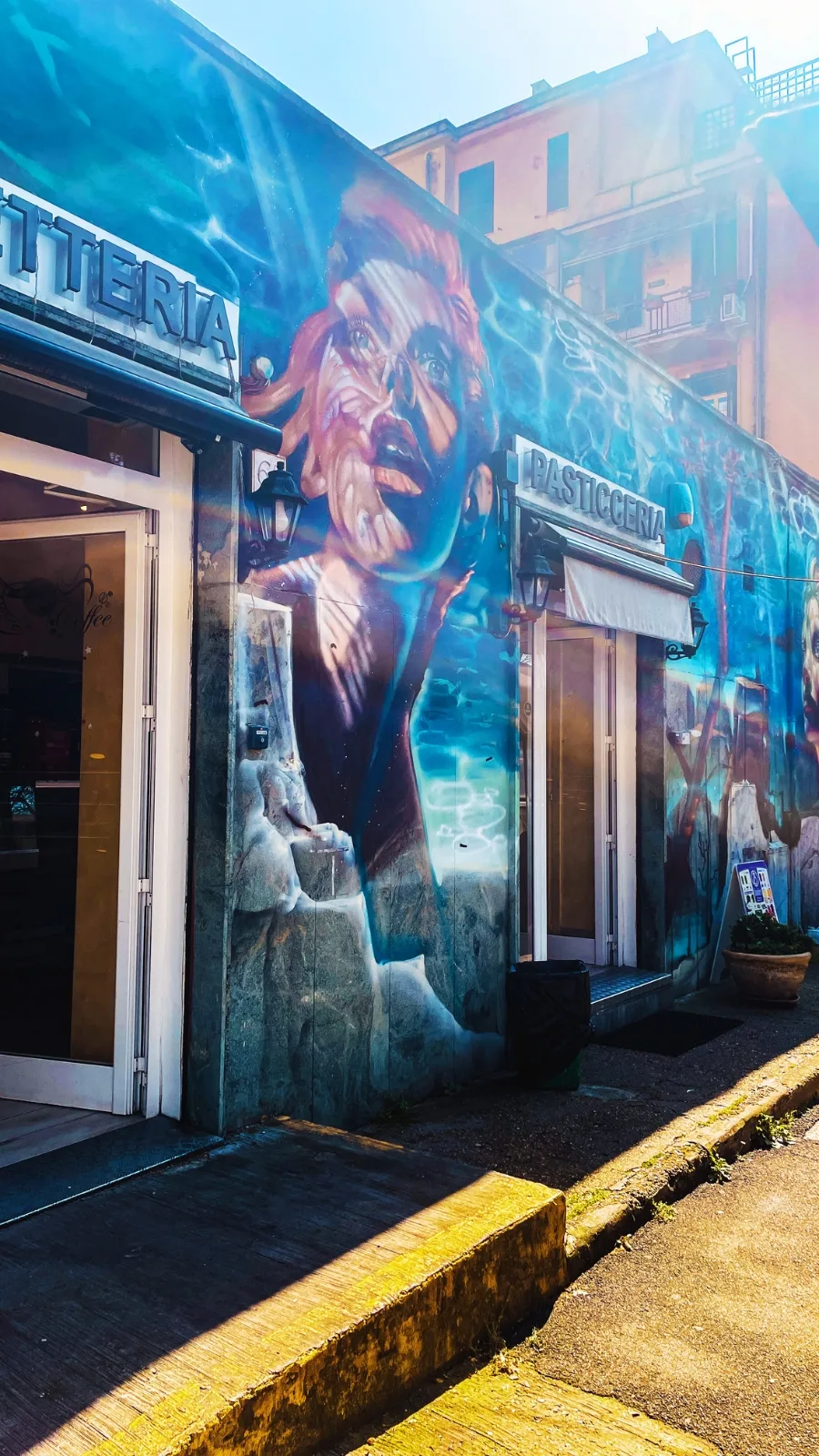
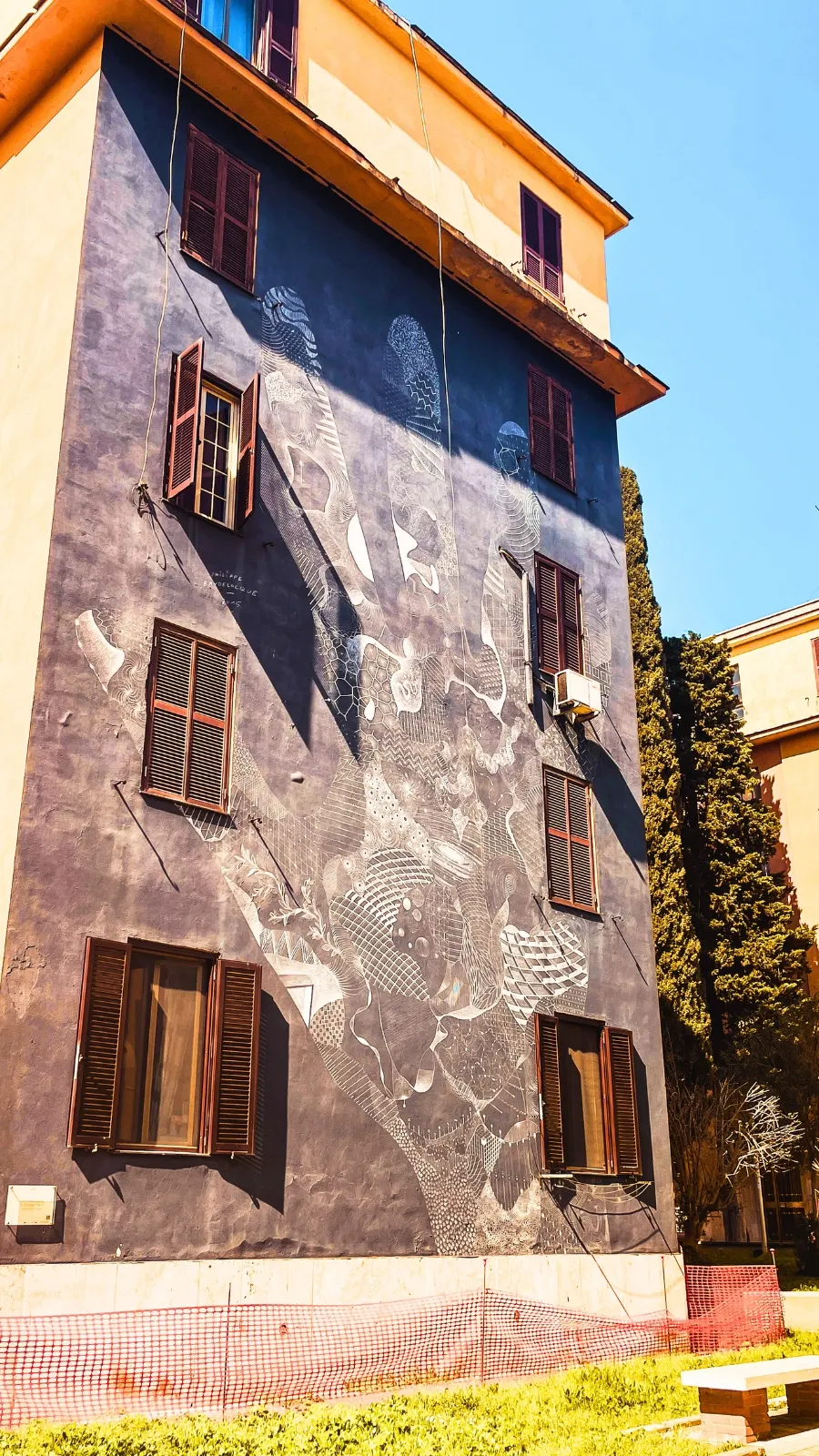
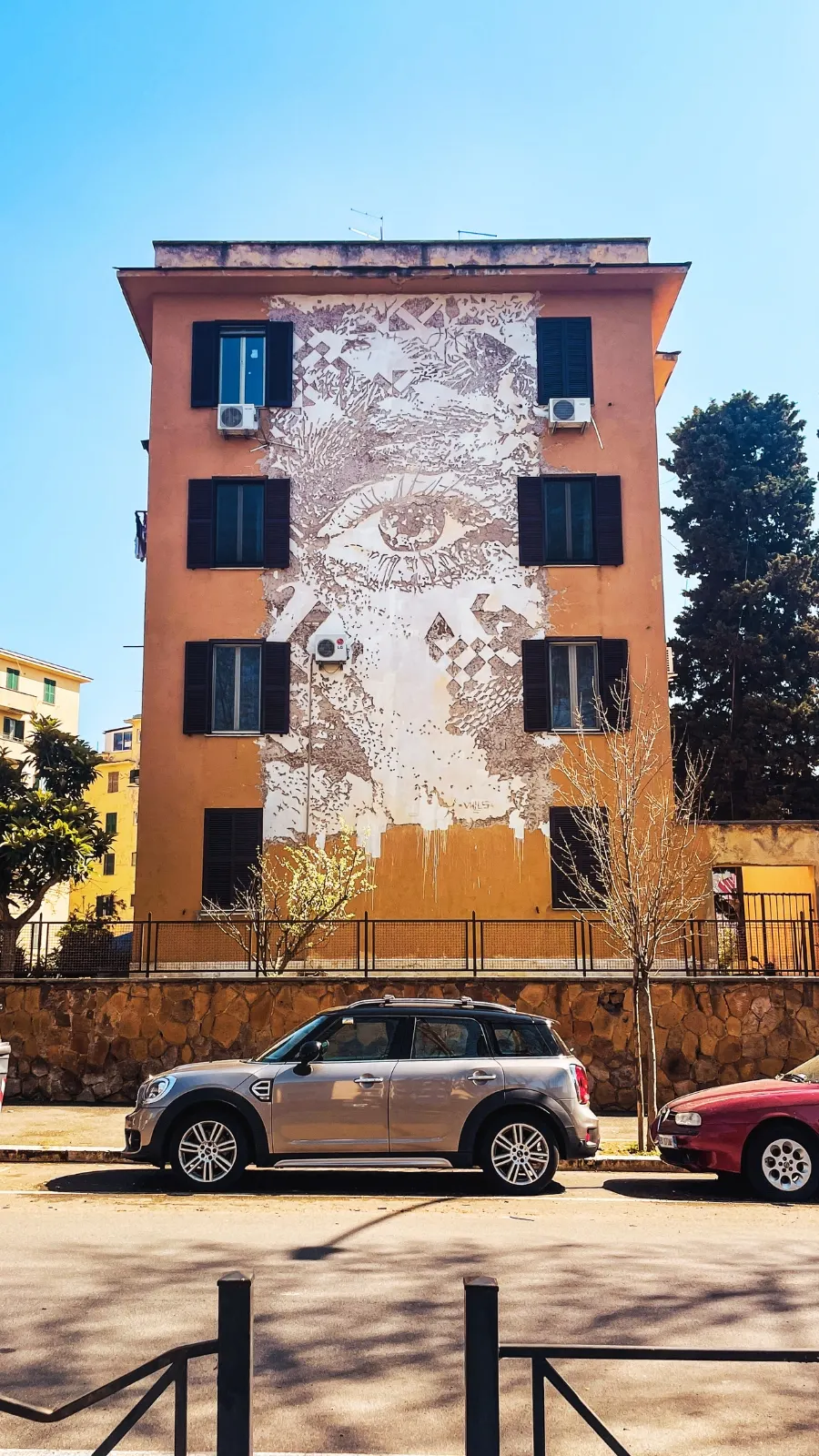
The murals below are located just outside of the Museo Condominiale di Tor Marancia.
This is yet another hidden gem that you can pop by when in the area, since the murals cover the Liceo Artistico Caravaggio, and it’s really gorgeous in real life.
Read: First Time in Rome? The Common Mistakes To Avoid

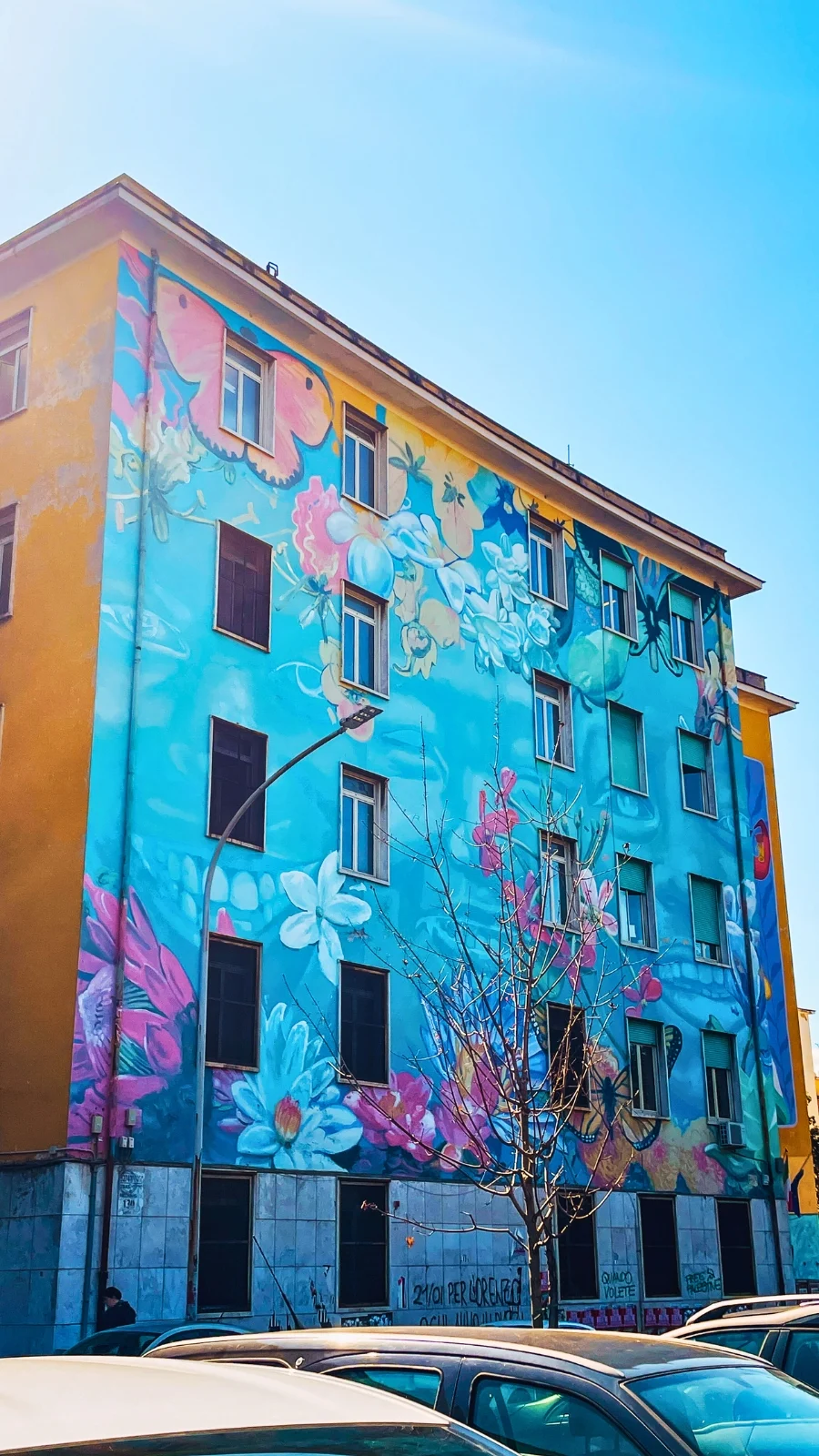
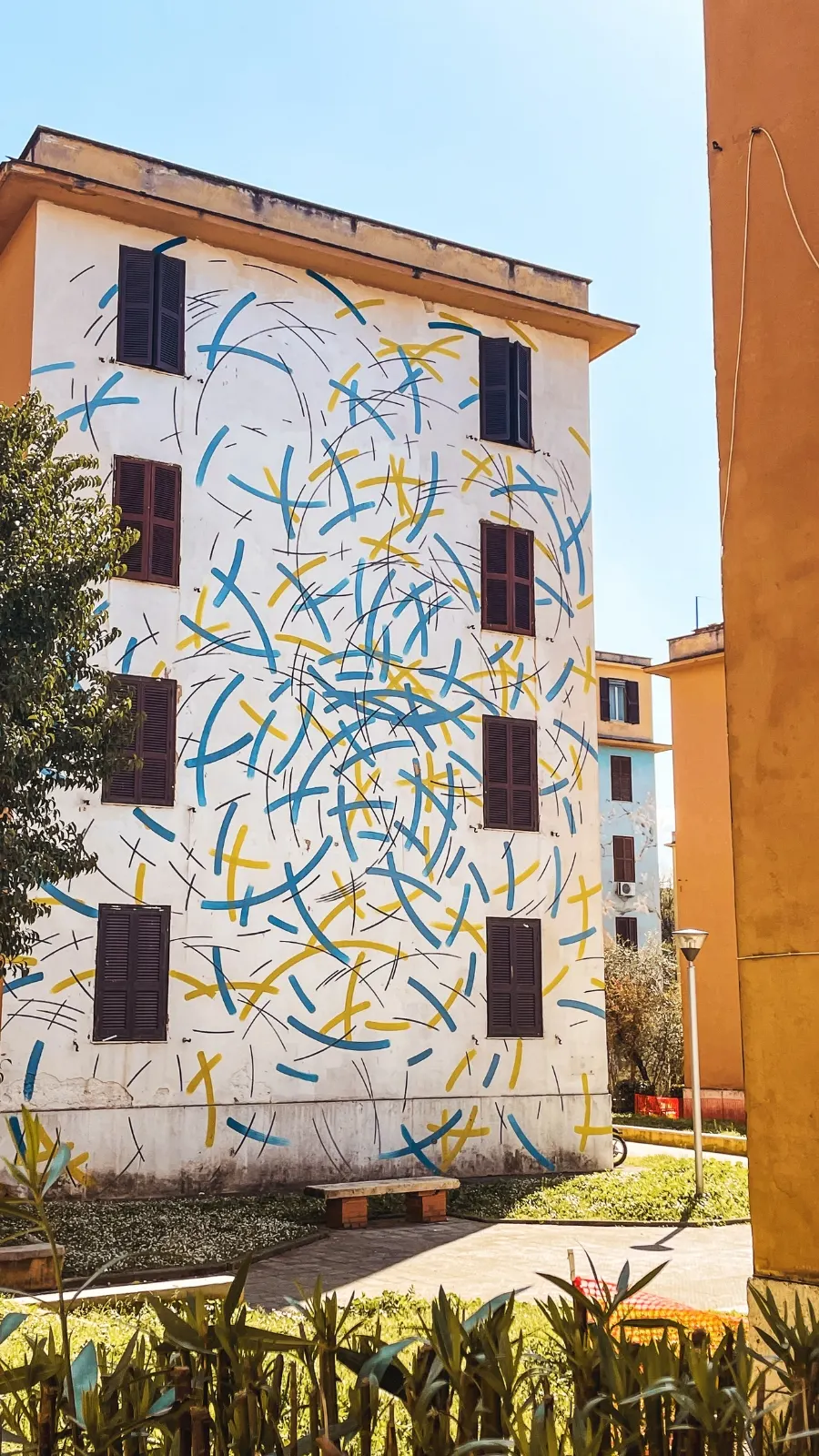
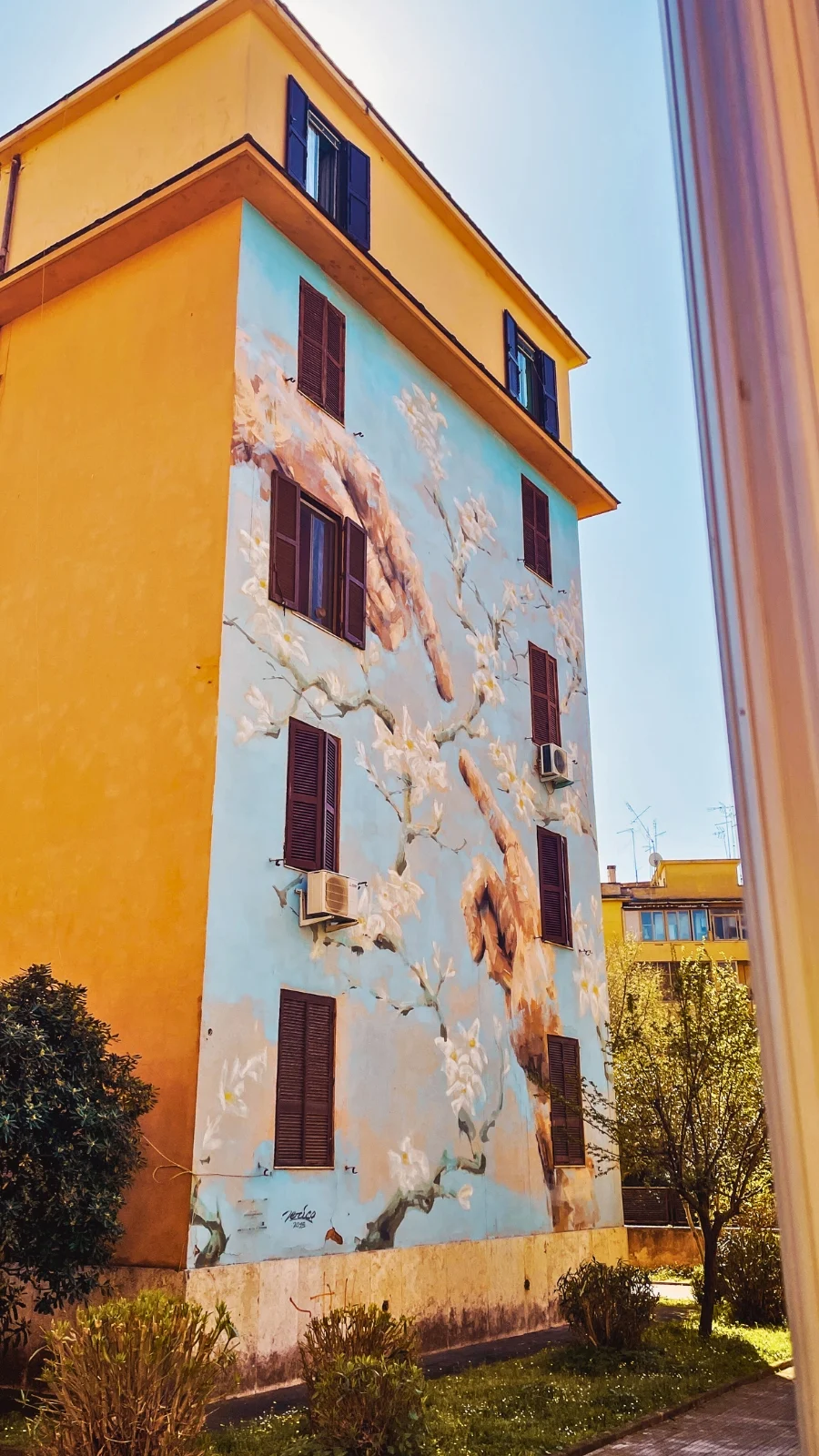
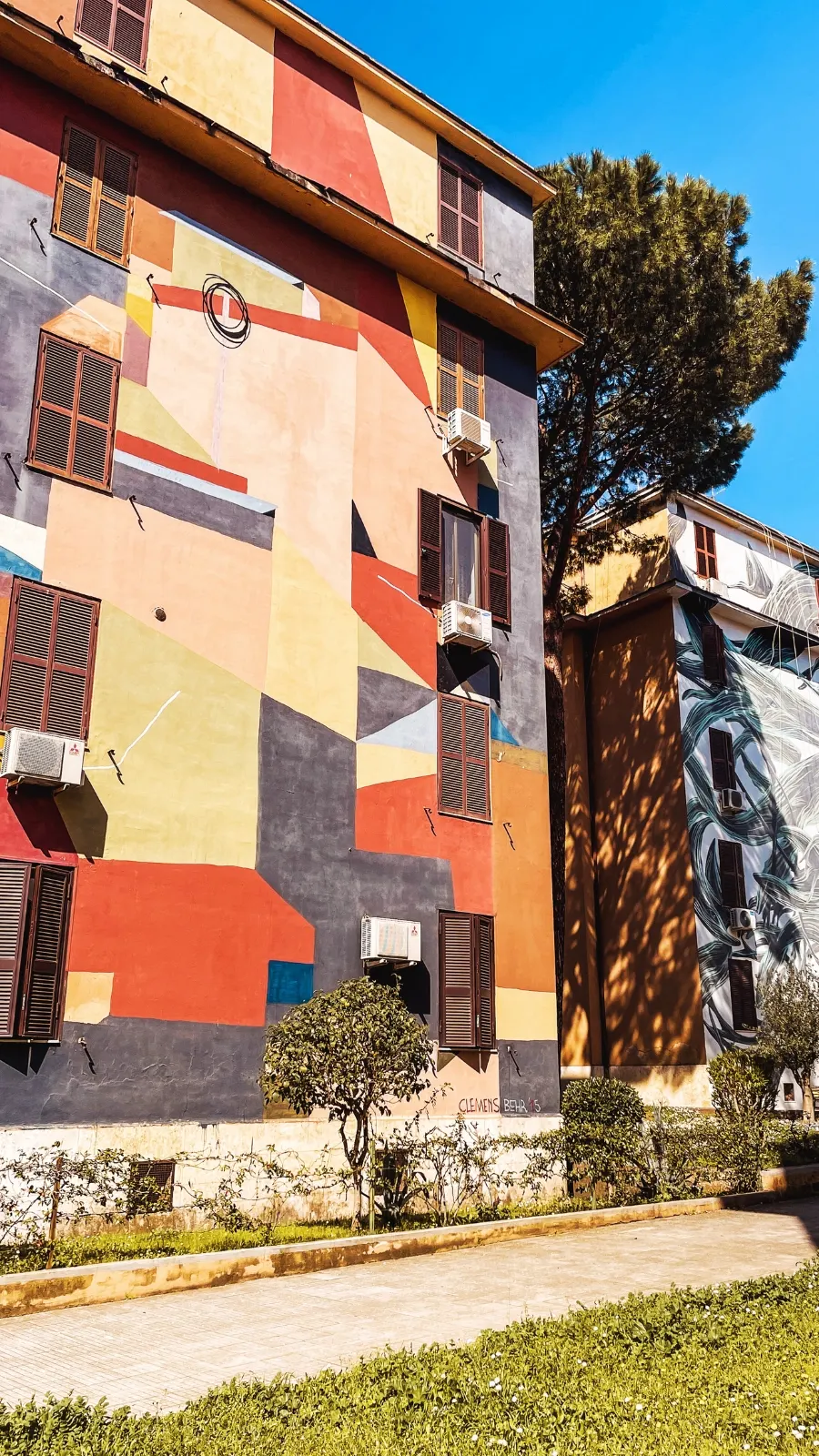
As you can see, the whole area, from front to back, is covered in street art pieces and techniques of all kinds.
If you’re visiting Rome for the first time, it’s really a great little hidden gem to add to your bucket list, especially since so few people know of it.

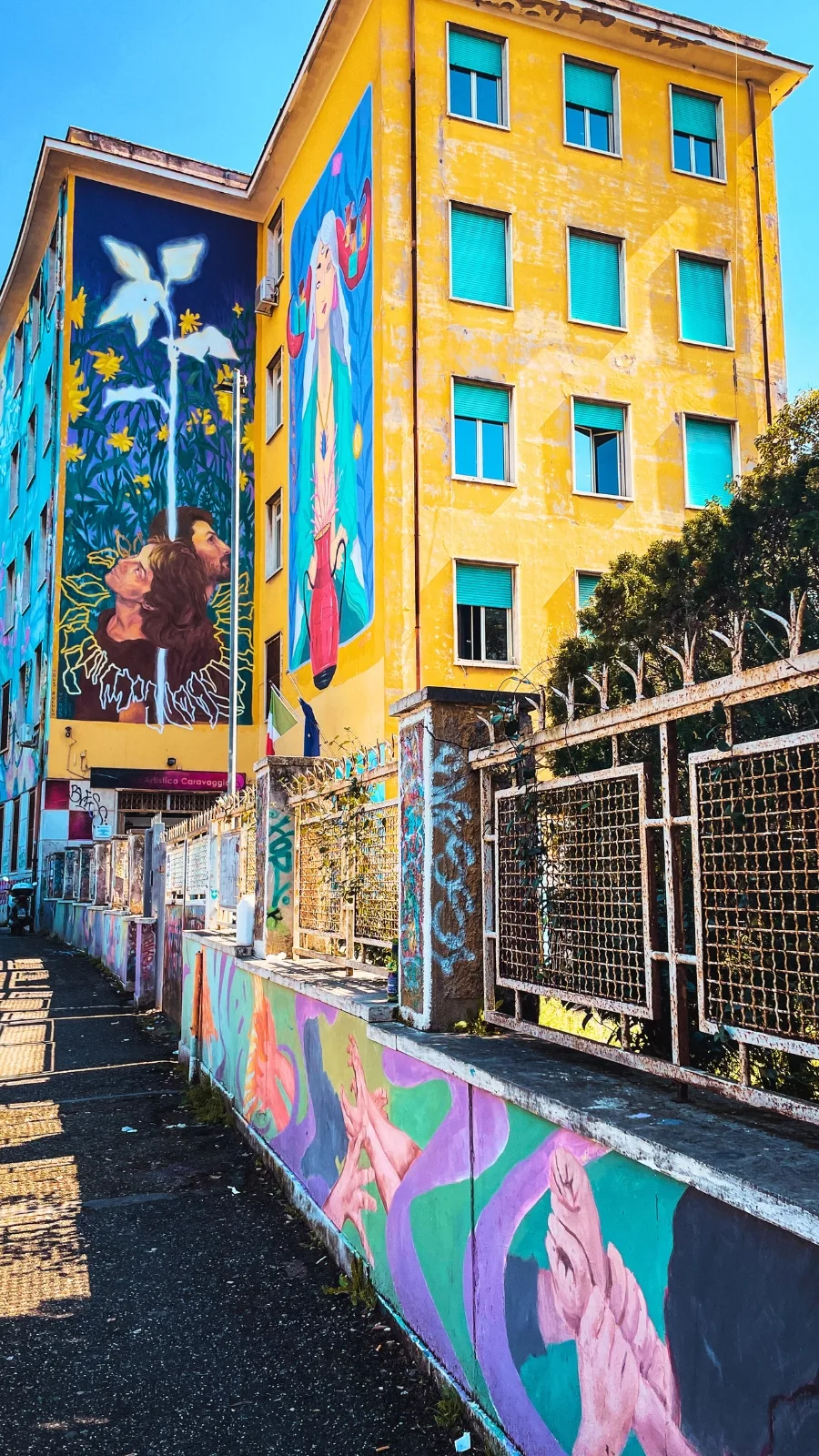
Of course, locals like their local lives and I’d recommend not coming with a full group so as not to disturb.
I visited by myself, just like I did when I visited Via del Trullo and Viale Ventimiglia, two other secret street art spots.
I did the same when I popped by Via dei Quintili, which is also covered with street art pieces.
Every single time, I would get side eyes from locals when taking out my phone to snap a few shots; locals, as I said, really like the fact that their area is not filled with tourists: do your best to respect that 🙂
Read: The Best Places to Visit in Rome for Sculptures

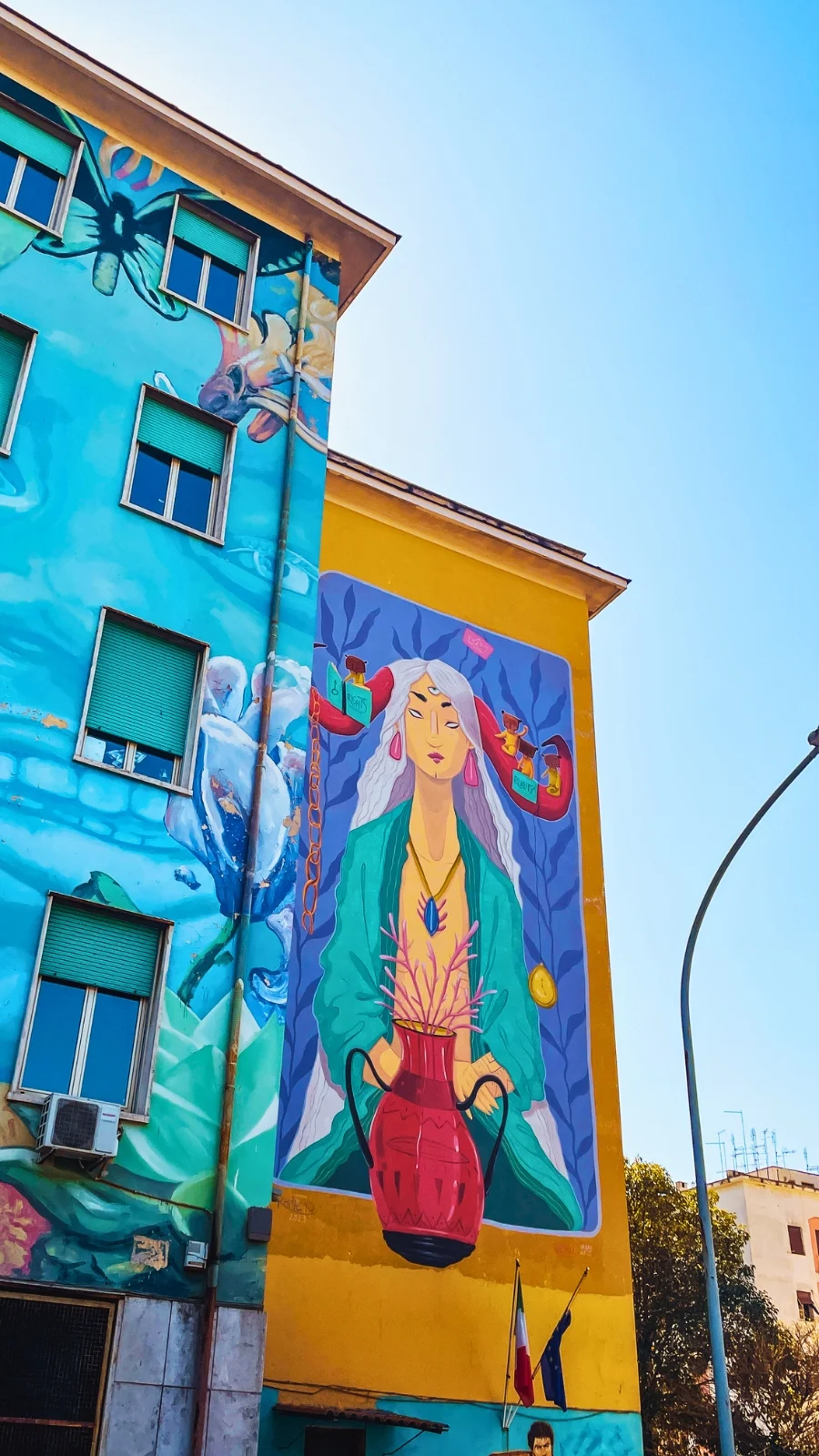
Tor Marancia, Rome: How It All Started

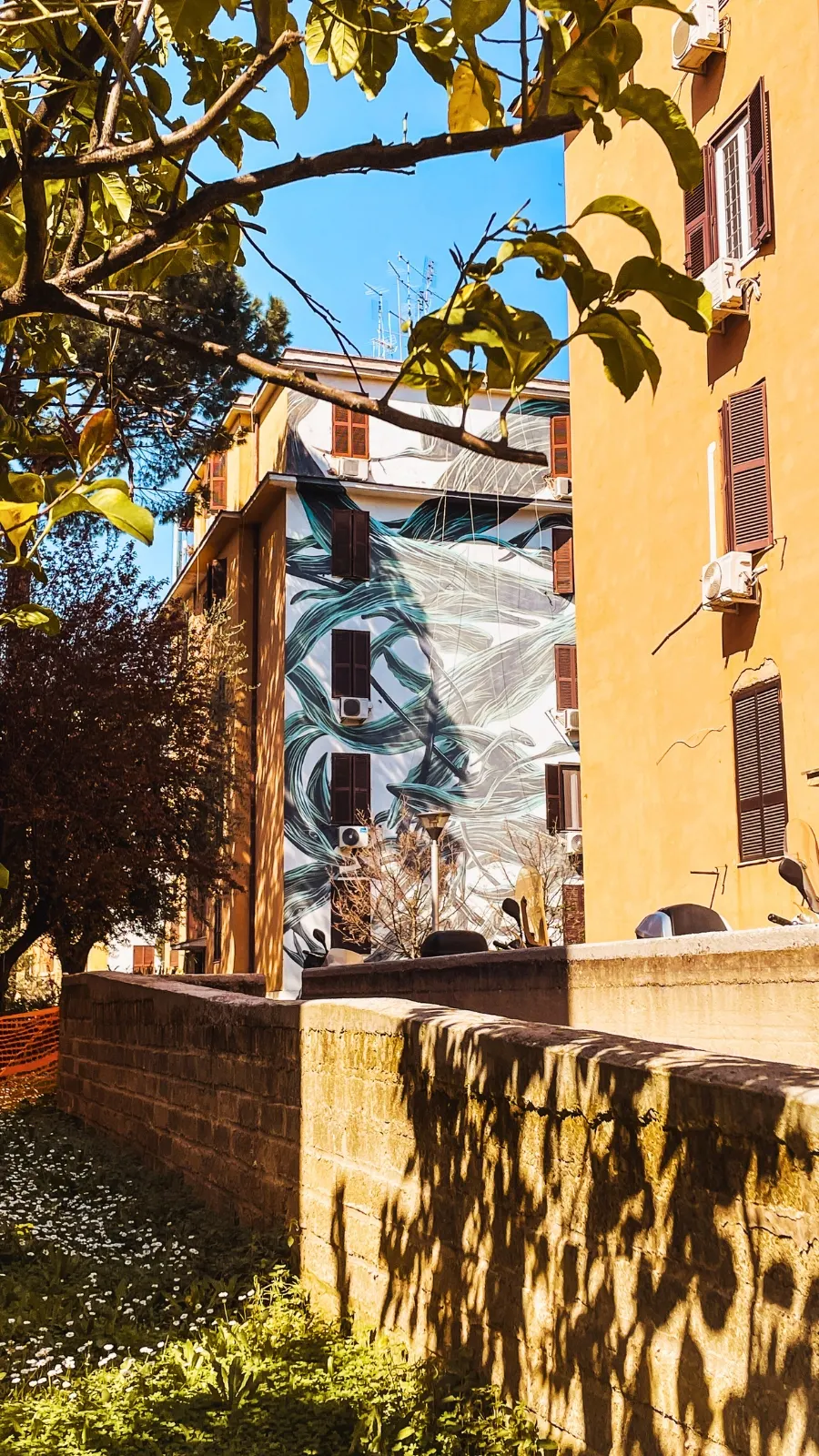
In 2015, the Big City Life project transformed this overlooked social housing block into an international street art landmark.
Curated by 999Contemporary and the local council, the initiative invited 20 artists from 10 different countries to paint the facades of the buildings at Via di Tor Marancia 63.
Read: The Most Beautiful Palaces in Rome

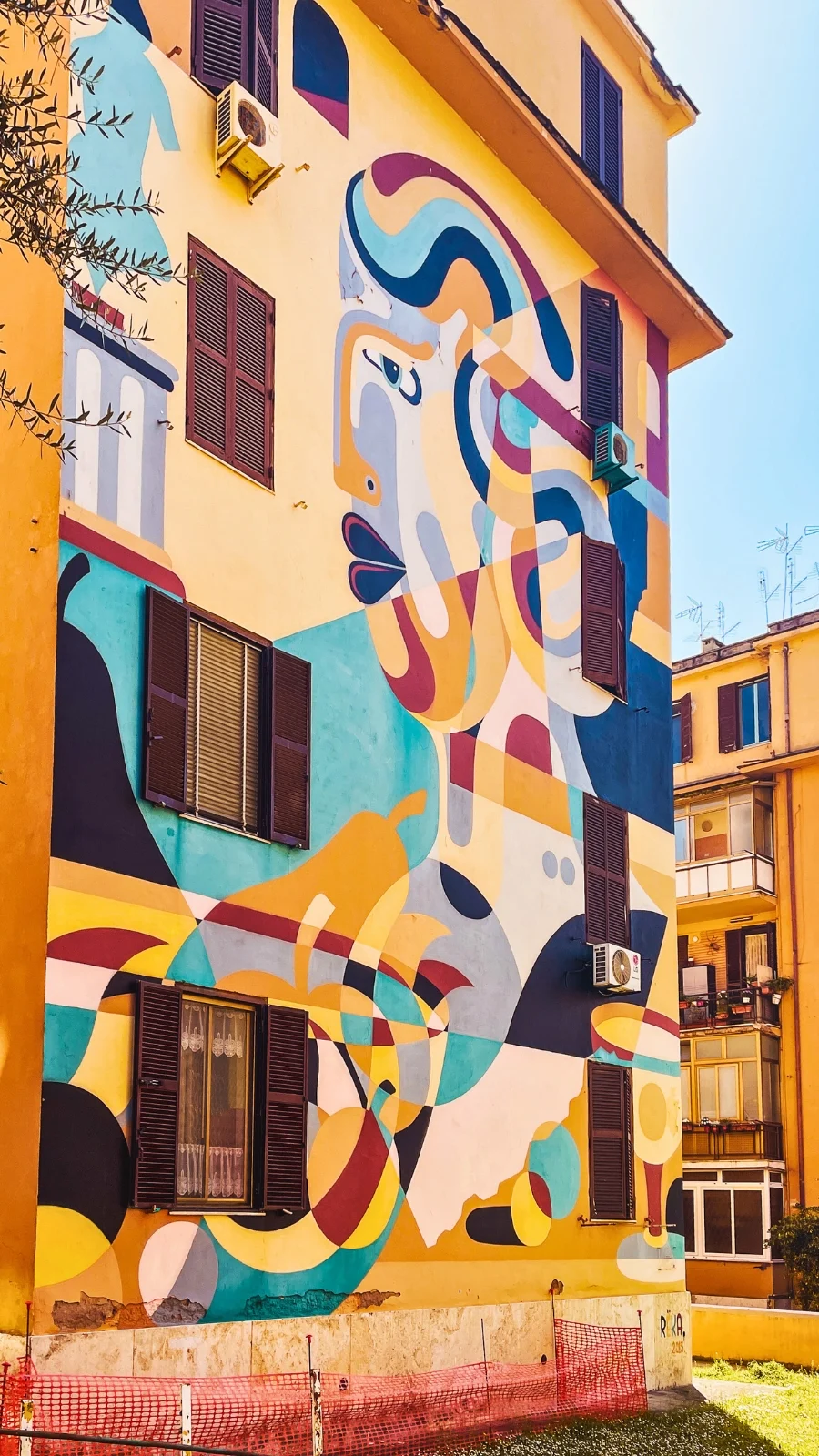
The goal wasn’t beautification, it was storytelling.
Each artist was paired with residents, they heard their stories, or lived in the buildings, and then painted them.
The most iconic piece at Tor Marancia is probably “Il Bambino Redentore” by French artist Seth.
Read: The Most Secret and Free Museums in Rome

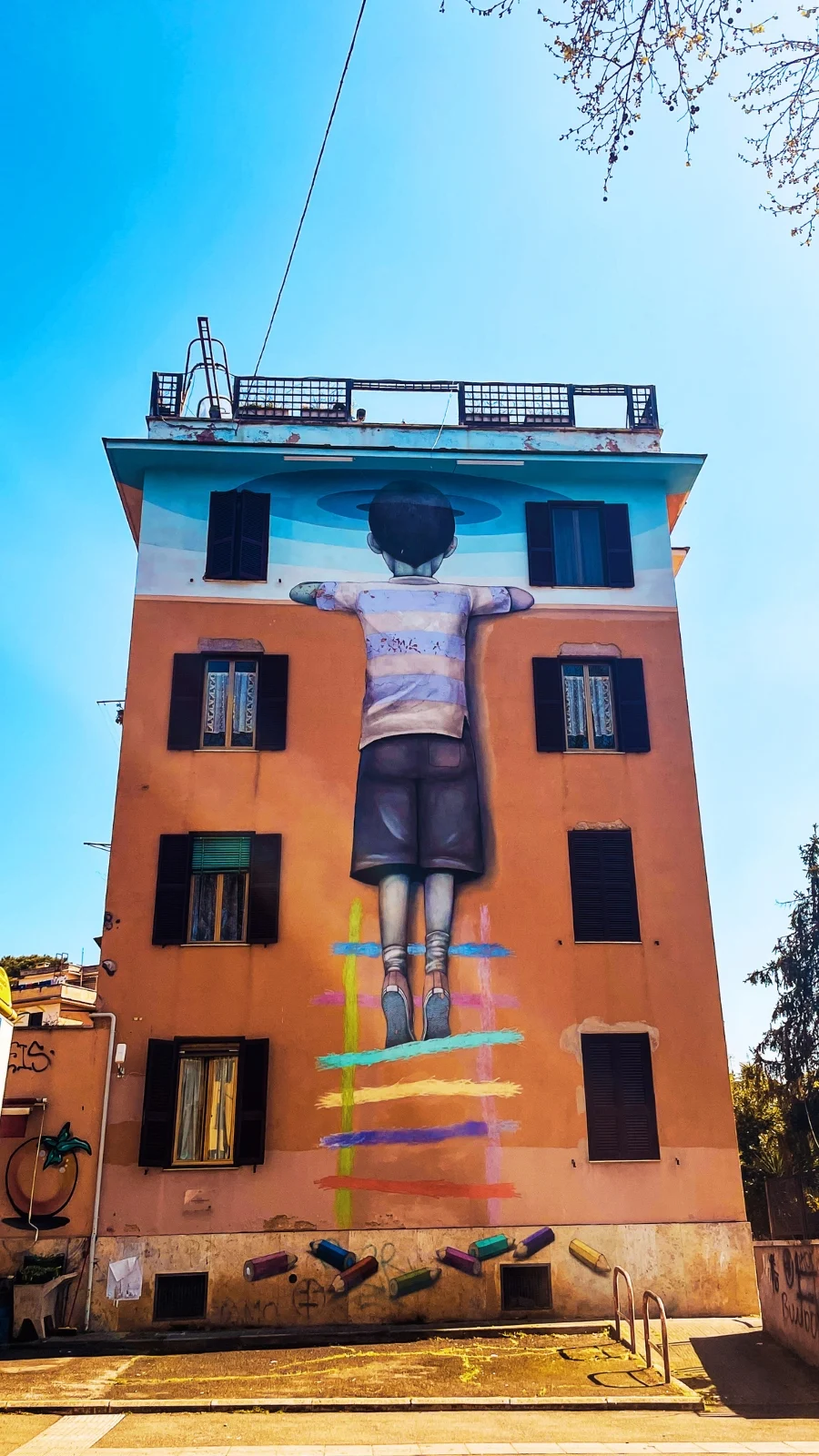
It shows a child climbing a wall made of colored stripes, reaching for the sky.
The piece is ten stories high, and locals call it simply “il bambino”. Over time, it’s become a symbol of hope, transformation, and how color can change a narrative without erasing it.
Read: Trastevere, Rome: Hidden Gems of a Famous Neighborhood
Tor Marancia, Rome: Why It’s Called Shanghai
Locals still call this patch of Rome “Shanghai.”
The nickname dates back to the post-war years, when flooding, poverty, and overcrowding defined the area.
People lived in precarious conditions, with makeshift homes, numerous families in the same houses, and constant floods.
Shanghai being one of the most touched cities when it comes to floods, the name stuck.
Read: Testaccio, Rome: The Best Hidden Gems and Street Art
Tor Marancia: The Murals You’ll Actually See

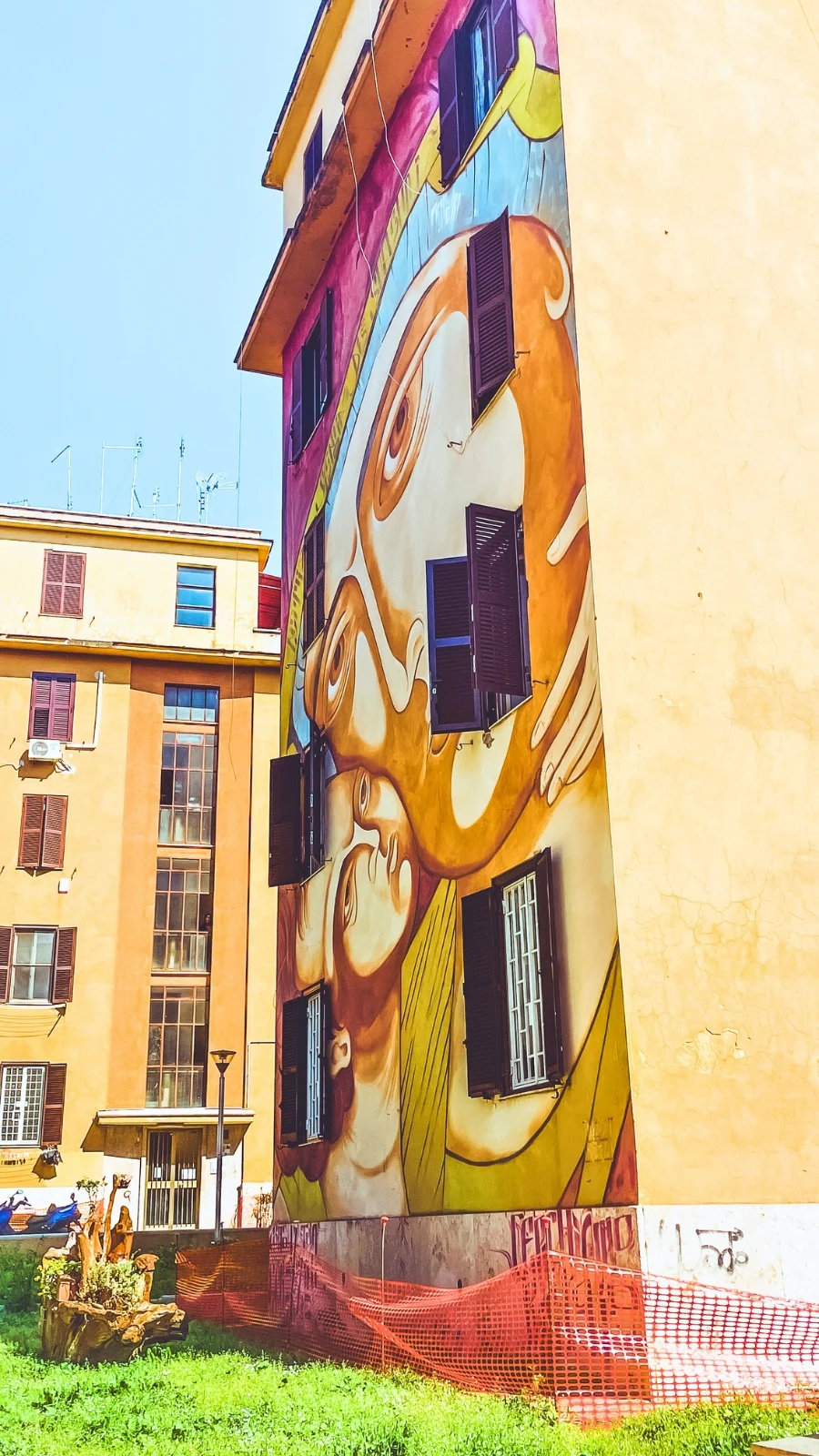
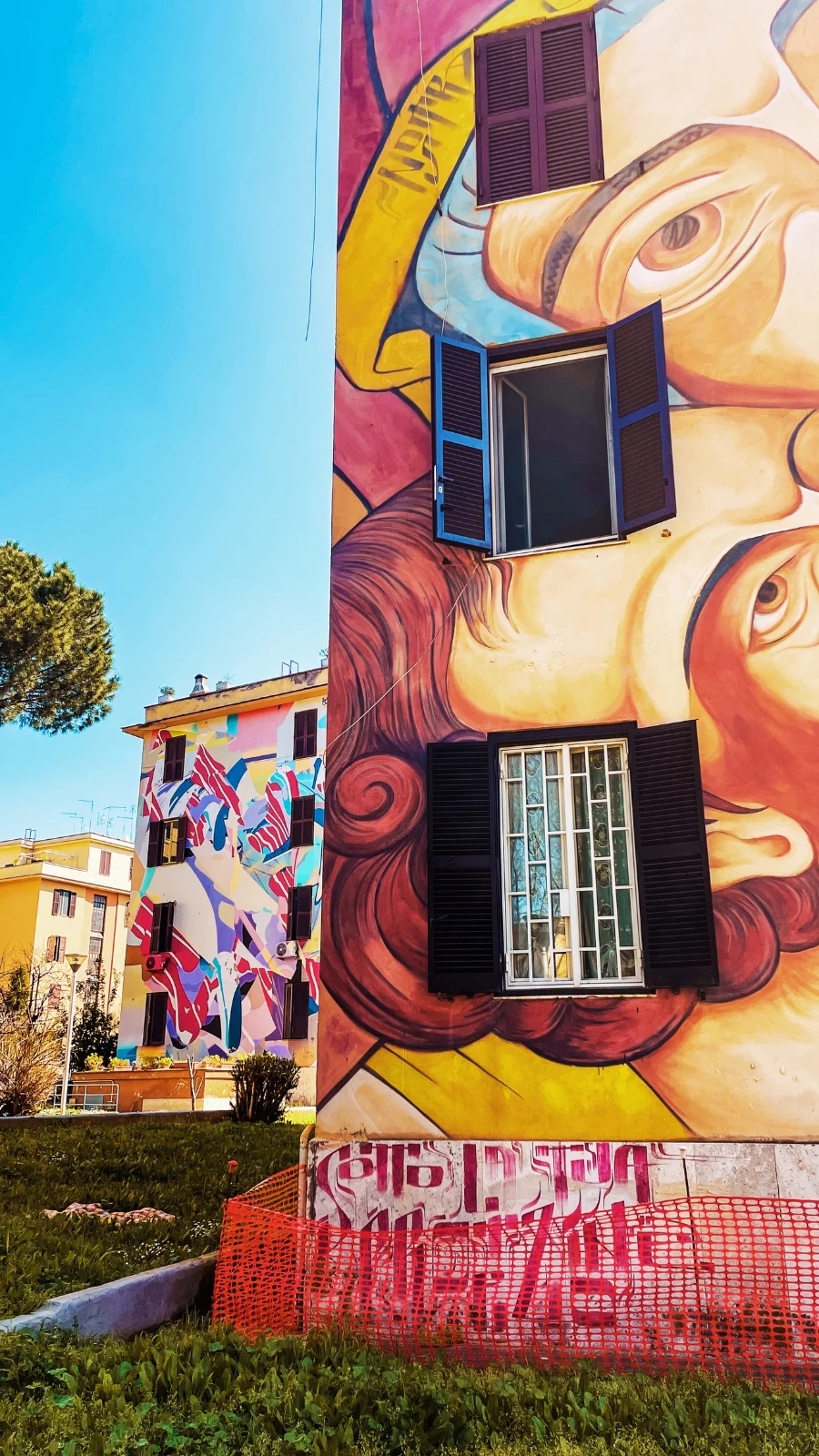
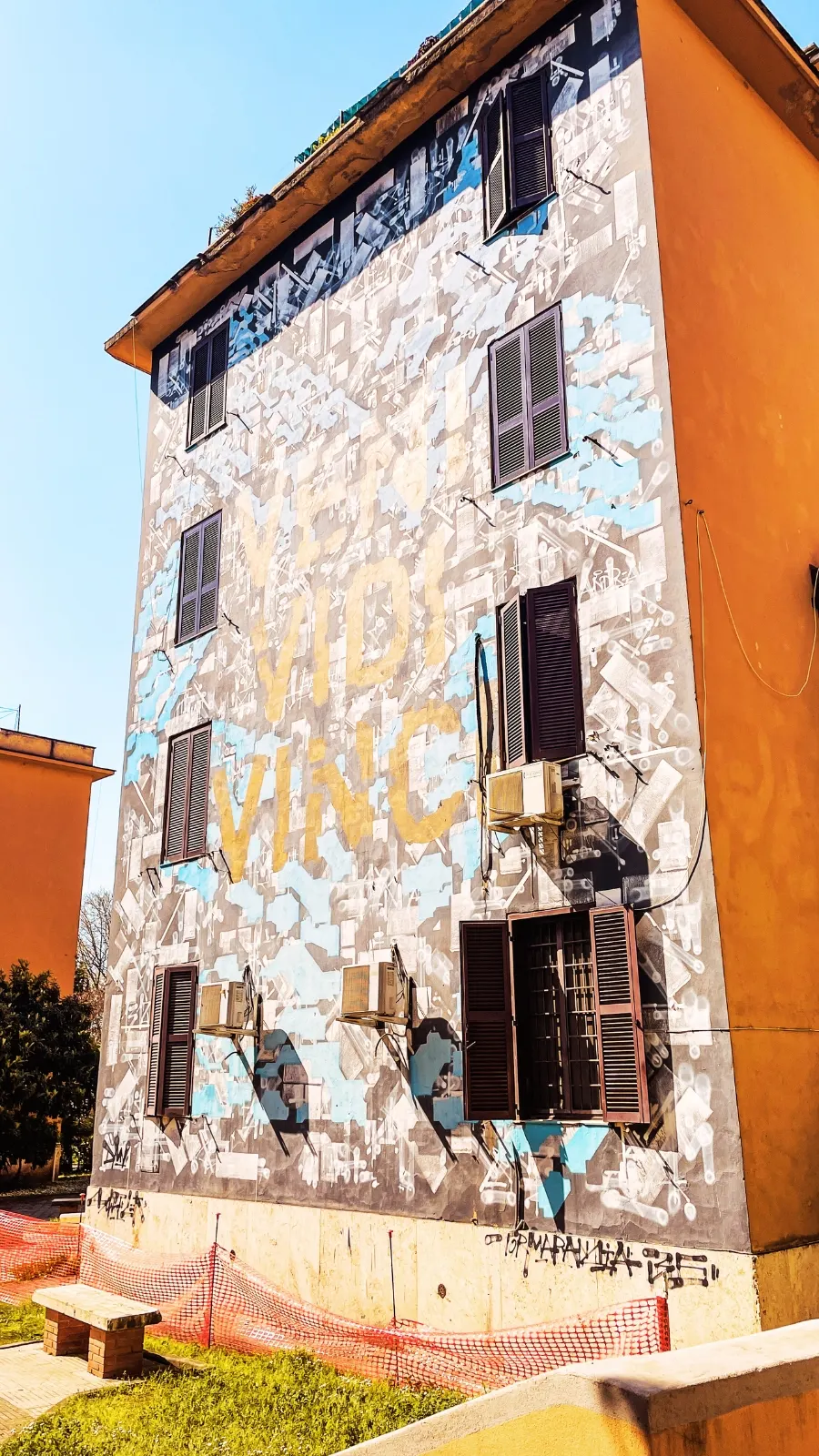
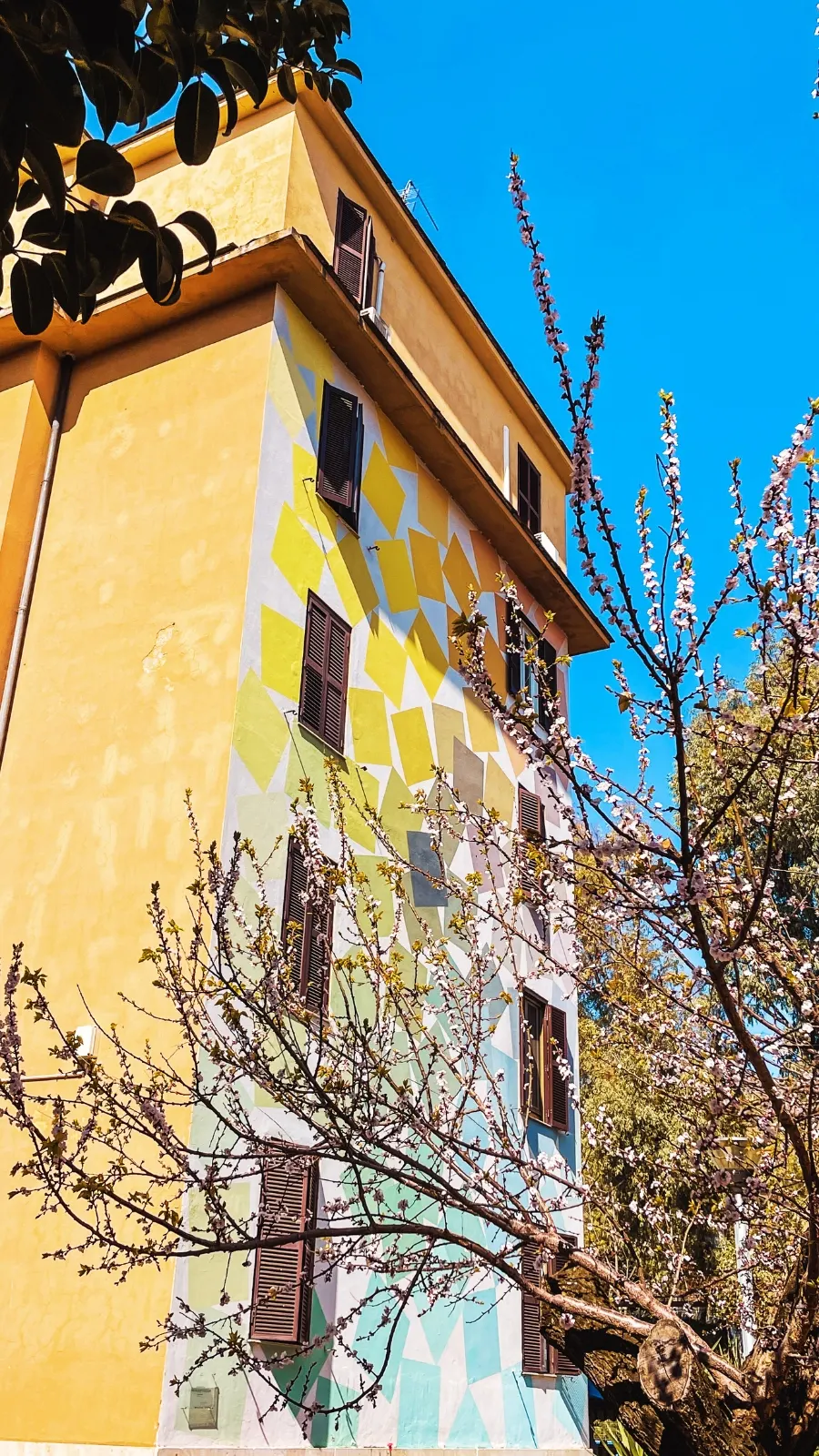
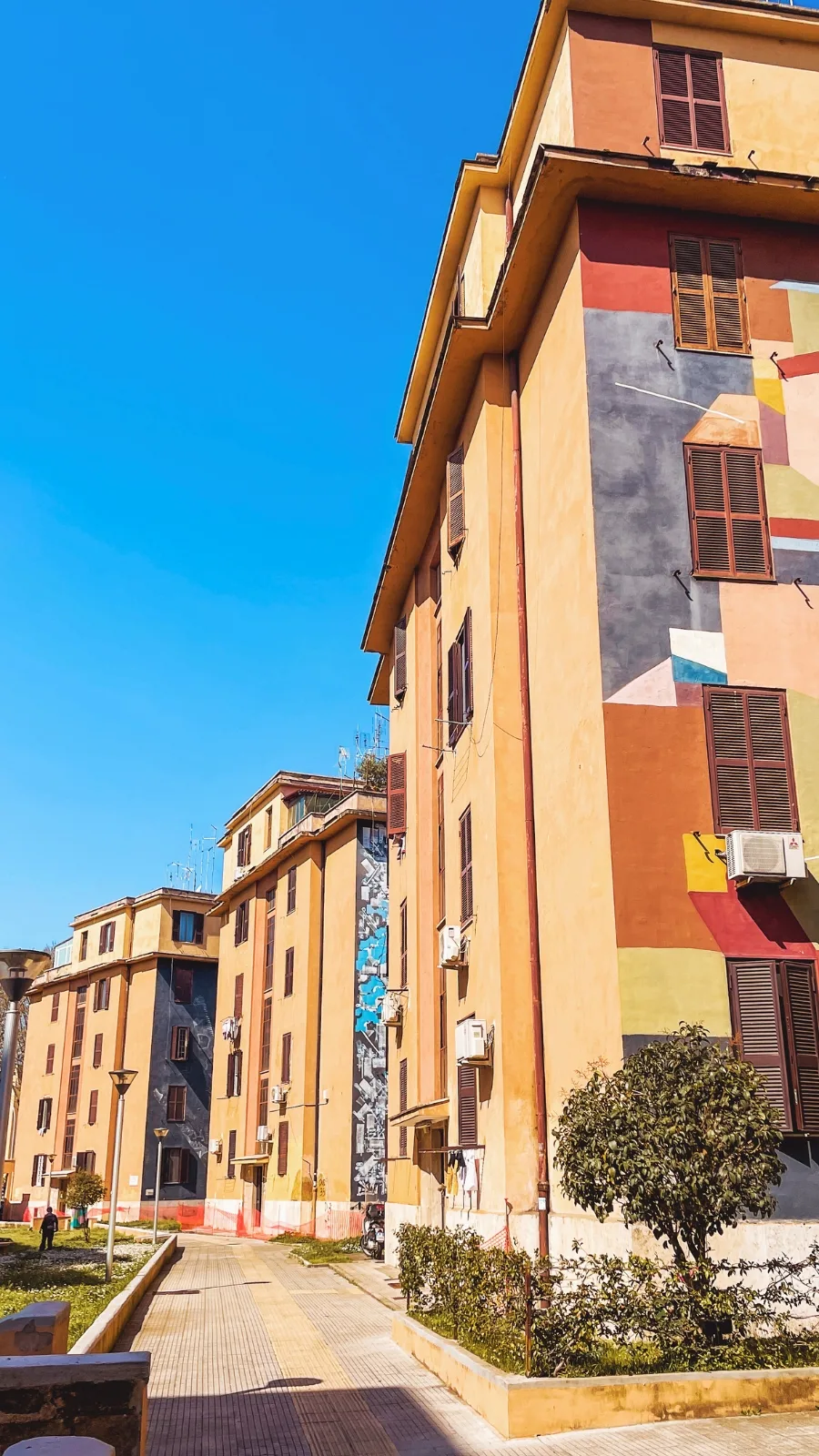
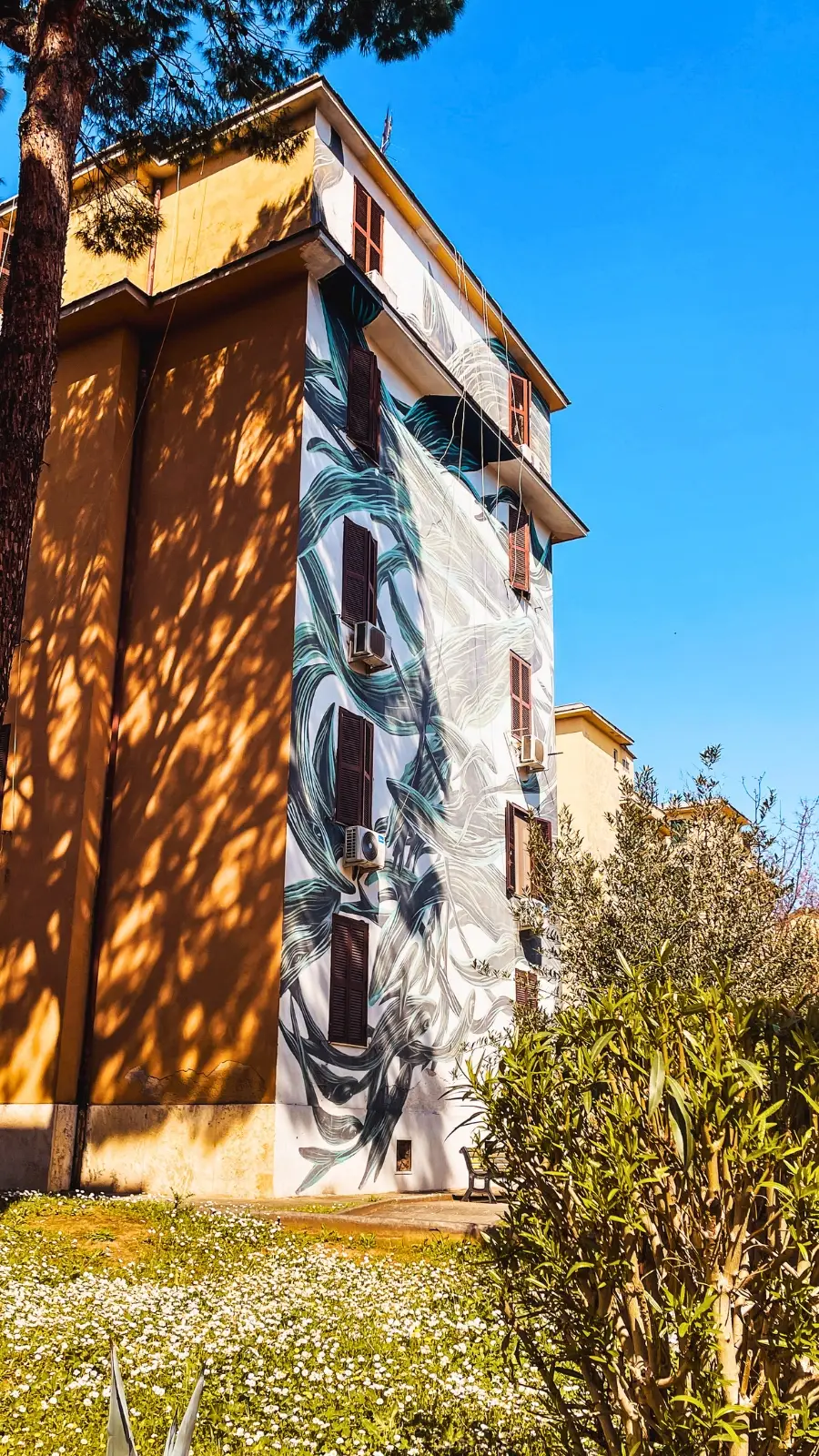
This isn’t a street art alley: these are full building facades that wrap in one spot.

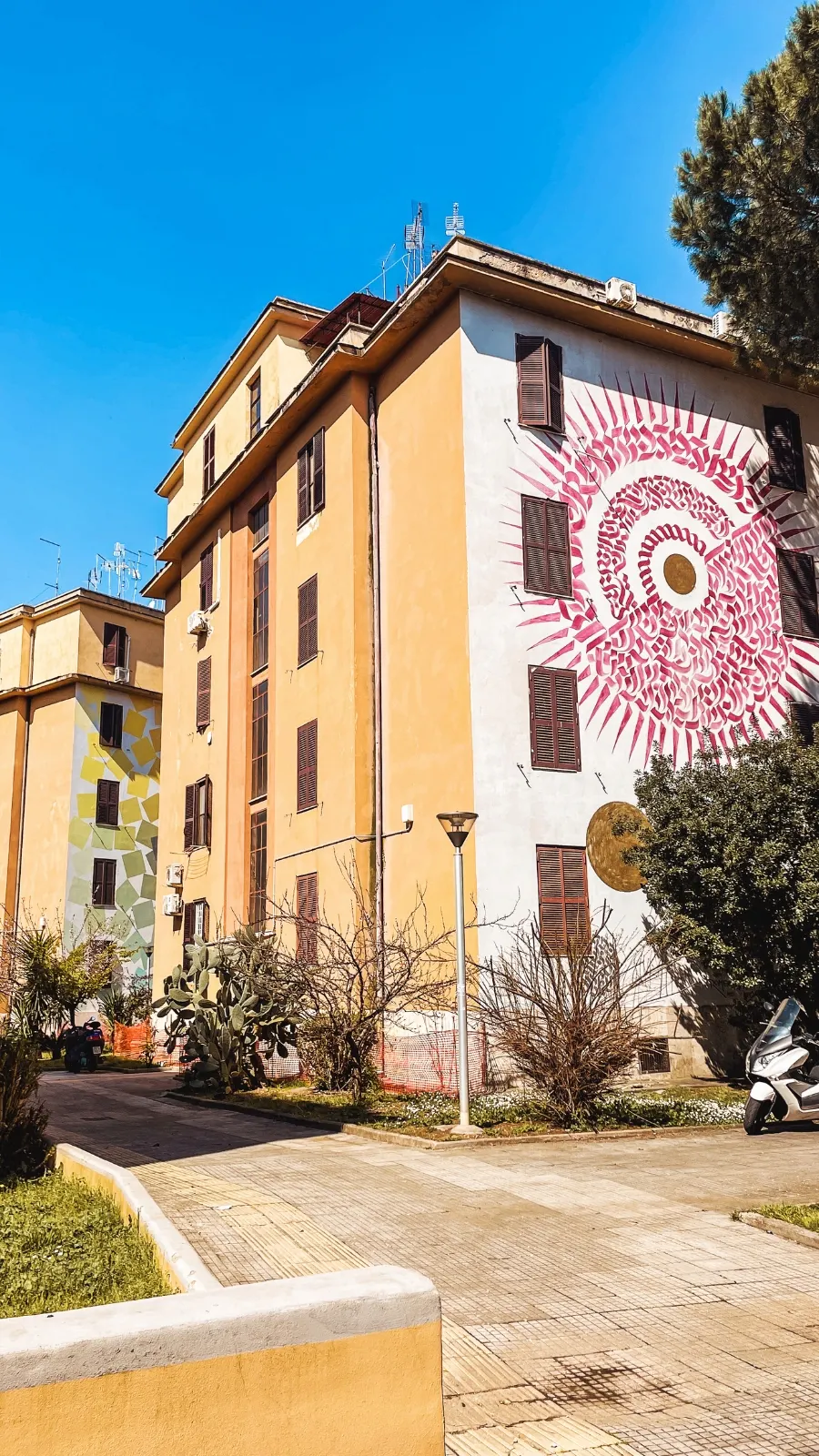
One of the most striking pieces is Gaia’s “Spettacolo, Rinnovamento e Maturità,” a rich composition of Roman and Mediterranean symbols inspired by the neighborhood’s cultural intersections.
Read: The Best Day Trips from Rome


You’ll also find “Nostra Signora di Shanghai” by Mr. Klevra, “Eyes on the Streets” by Domenico Romeo, “Io Sarò” by Guido Van Helten, and “Il Vento” by Moneyless.

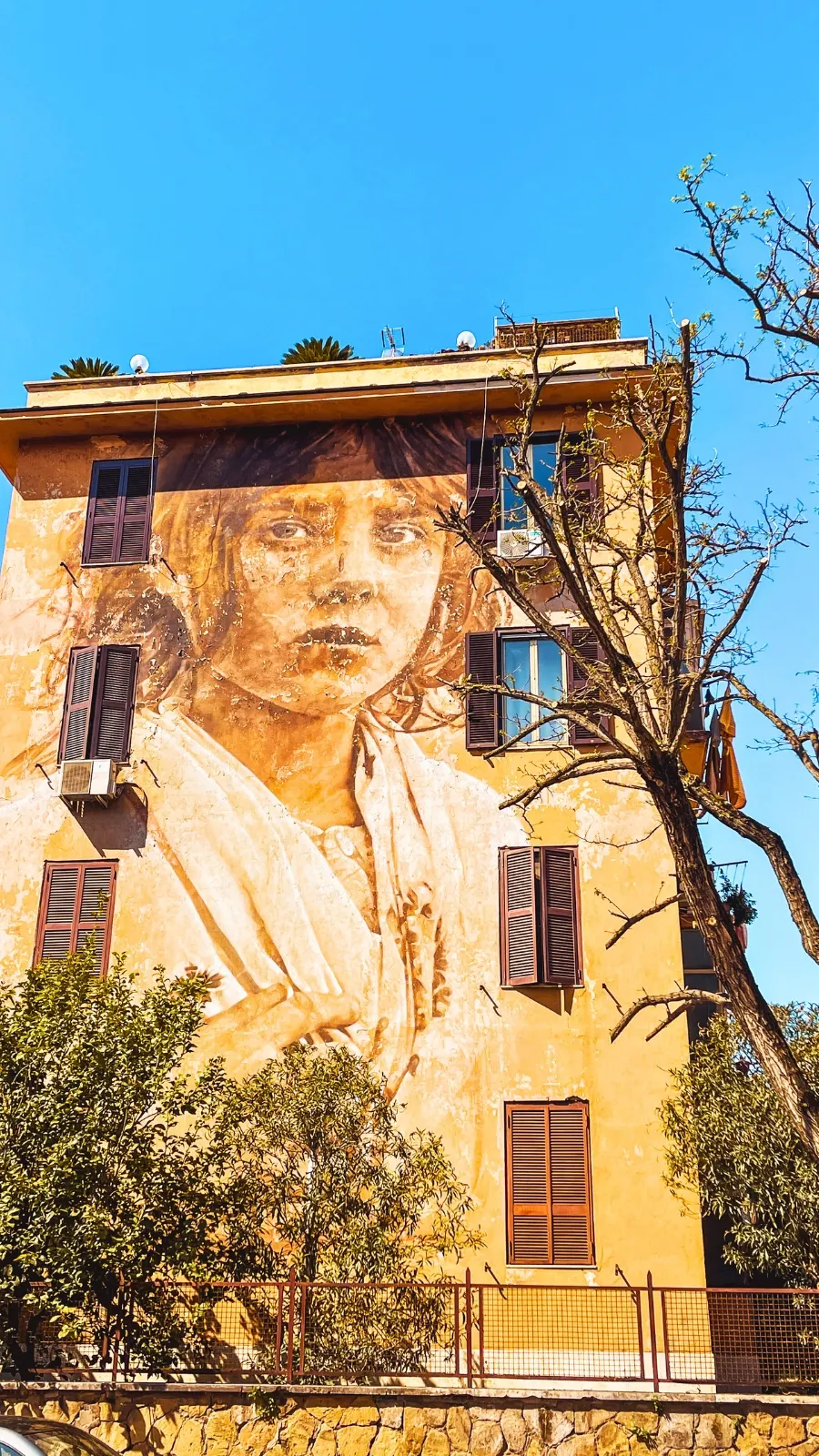
Kids play football below and you can see locals’ laundry drying: it’s just real and amazing to get a glimpse of that everyday life.
Read: Beaches and Ruins: Ostia, The Cheapest Day Trip from Rome

Tor Marancia: How to See It Properly

Do not come in a rush: come mid-morning or golden hour.
Bring water and be quiet: this is someone’s home, and these murals are not backdrops, but parts of lives.

If you want context, there are community guides who offer walking tours—real residents, not tour operators, with backstories and facts.
Read: The Most Unique Shops in Rome
Tor Marancia: Why It Stays Secret

Tor Marancia has literally no issue staying secret; it’s not in the center, there’s no gelato shop on every corner, and the rare boutiques are local.

In a city that often sells itself in fragments, with ruins here and pasta there, Tor Marancia offers something else.
Real Roman life, color without cliché, and just a piece of authenticity.
Read: The Best Things to Do in Rome At Night
Some Murals at the Museo Condominiale di Tor Marancia, Rome



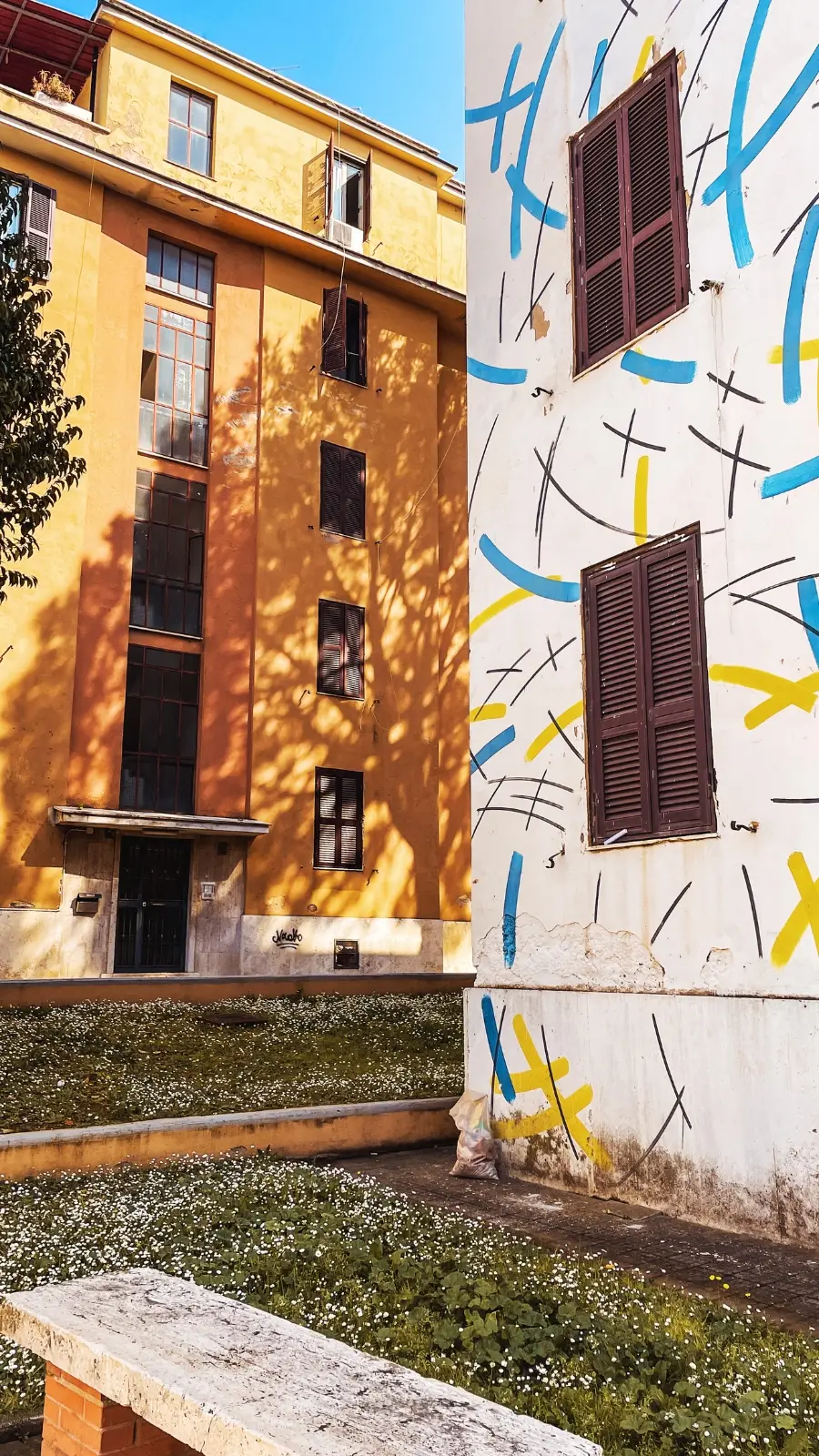

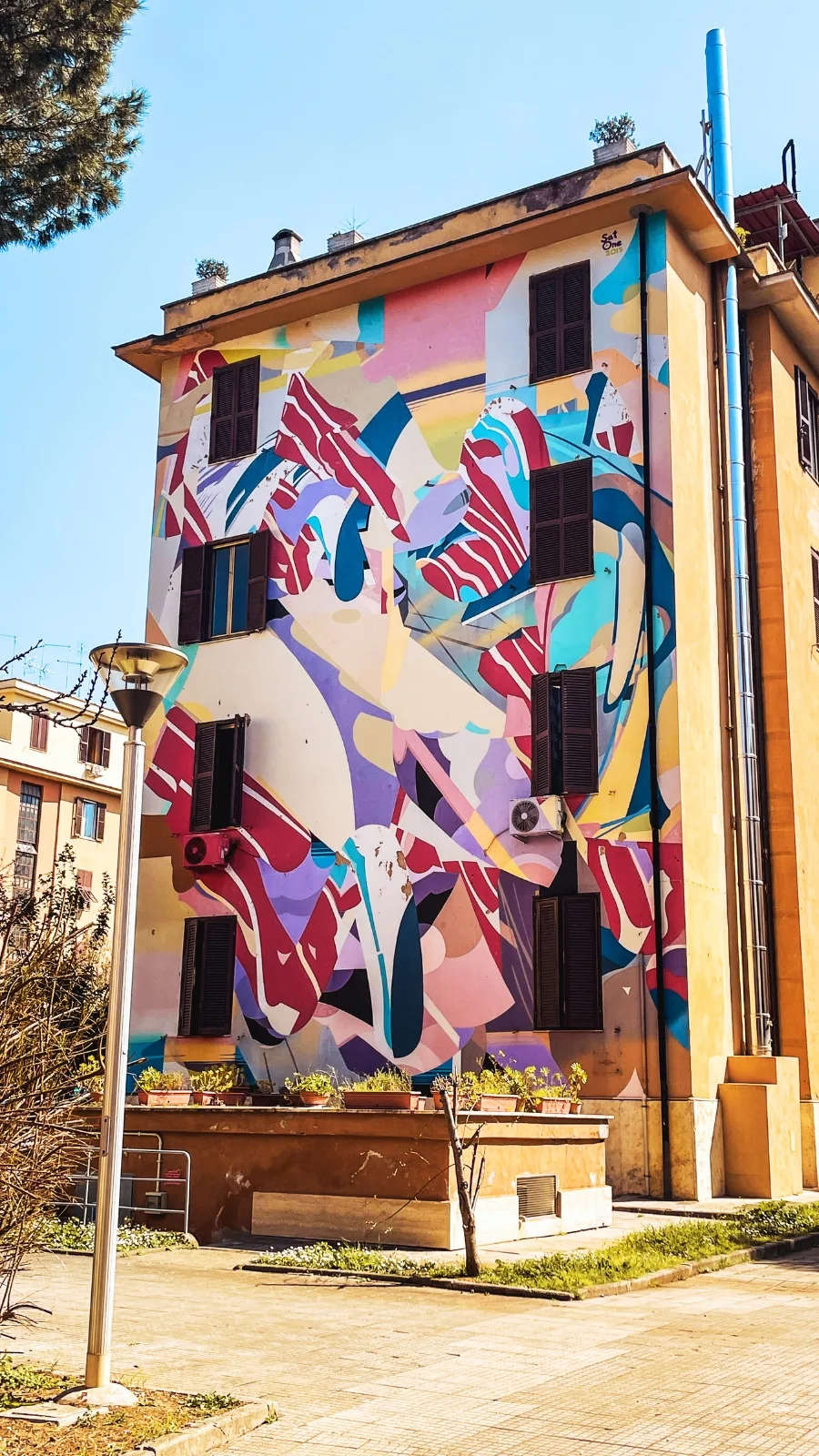

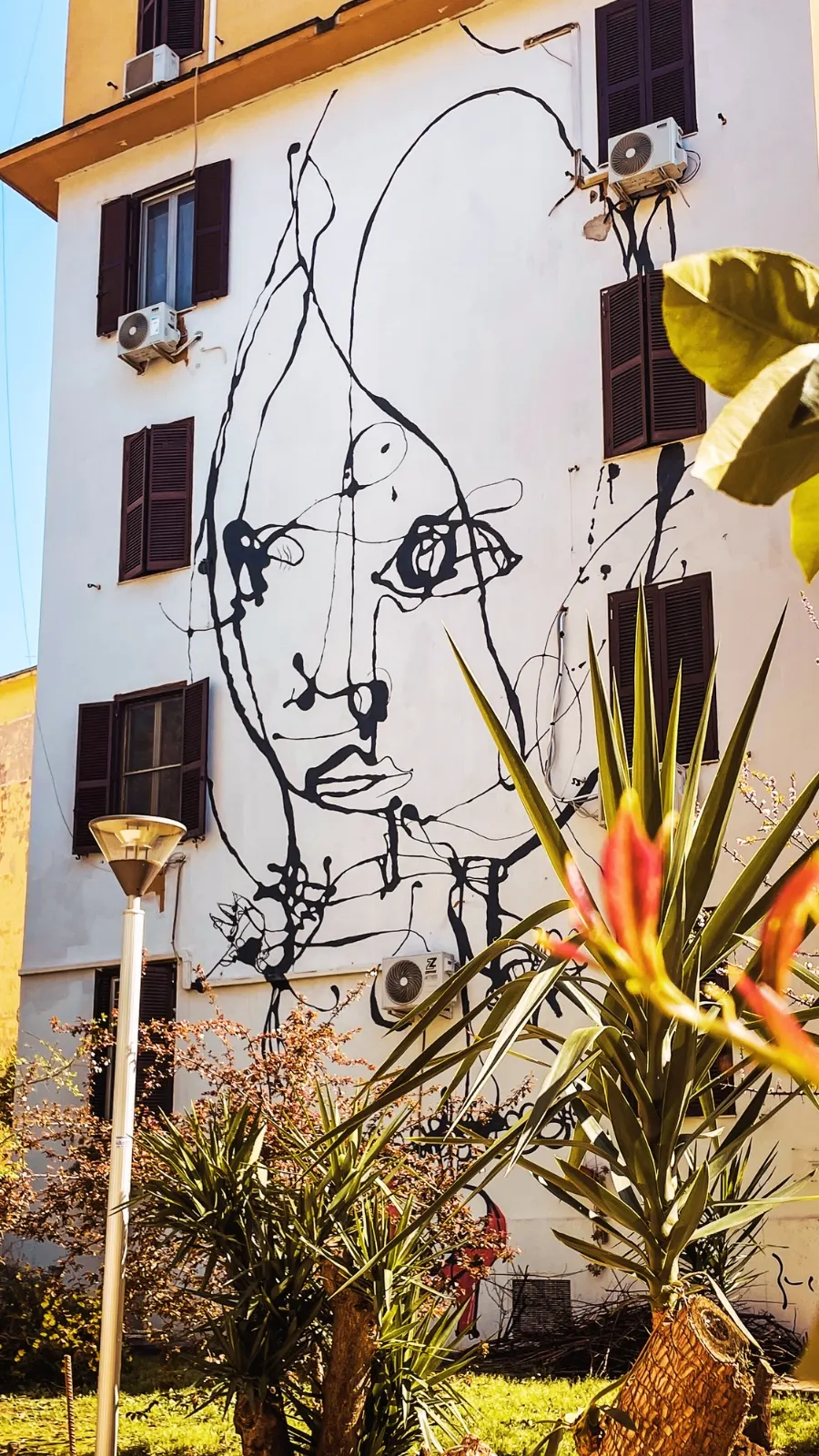

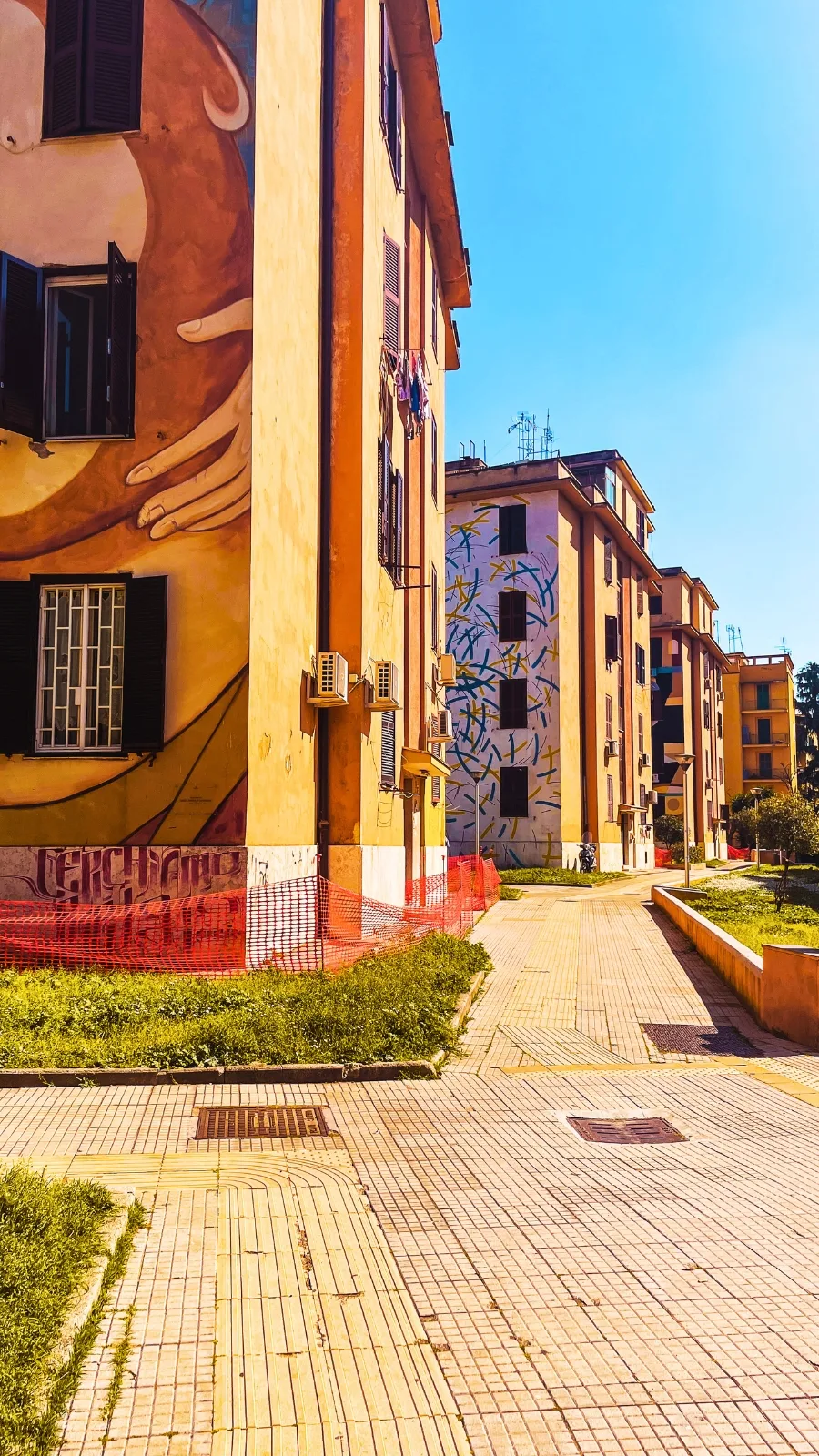


Tor Marancia: Beyond the Murals – What to Do After Visiting

When you come to Tor Marancia, you know there’s not much to do aside from seeing the murals.
You can still get a really good Roman breakfast, iconic and classic, from the coffee shops on the main road.

You can sit and reflect on life for a bit on one of the benches between the buildings, and then, make your way to other pretty Roman areas.
For instance, you could keep walking toward the Garbatella neighborhood, discover its socially-committed street art, its cafes and spots to pizza al taglio.
Read: Villa Sciarra, Rome’s Historic Hidden Gem

Or you could hop on the bus and choose another historic neighborhood, like secret Testaccio or vibrant Trastevere.
For something even more local, there are quite a few places to see in Torpignattara or nearby Pigneto, if you don’t want to see the same iconic landmarks.
Read: The Best Halal Restaurants in Rome
Tor Marancia: Rome’s Secret Area That’s an Open-Air Museum

While it’s safe to say that Tor Marancia might not be in your guidebook, it should be.
Beyond a simple open-air museum, it’s a canvas that breathes: I’ve had a conversation with a local grandma, from her balcony, as I was walking around to find all the murals.

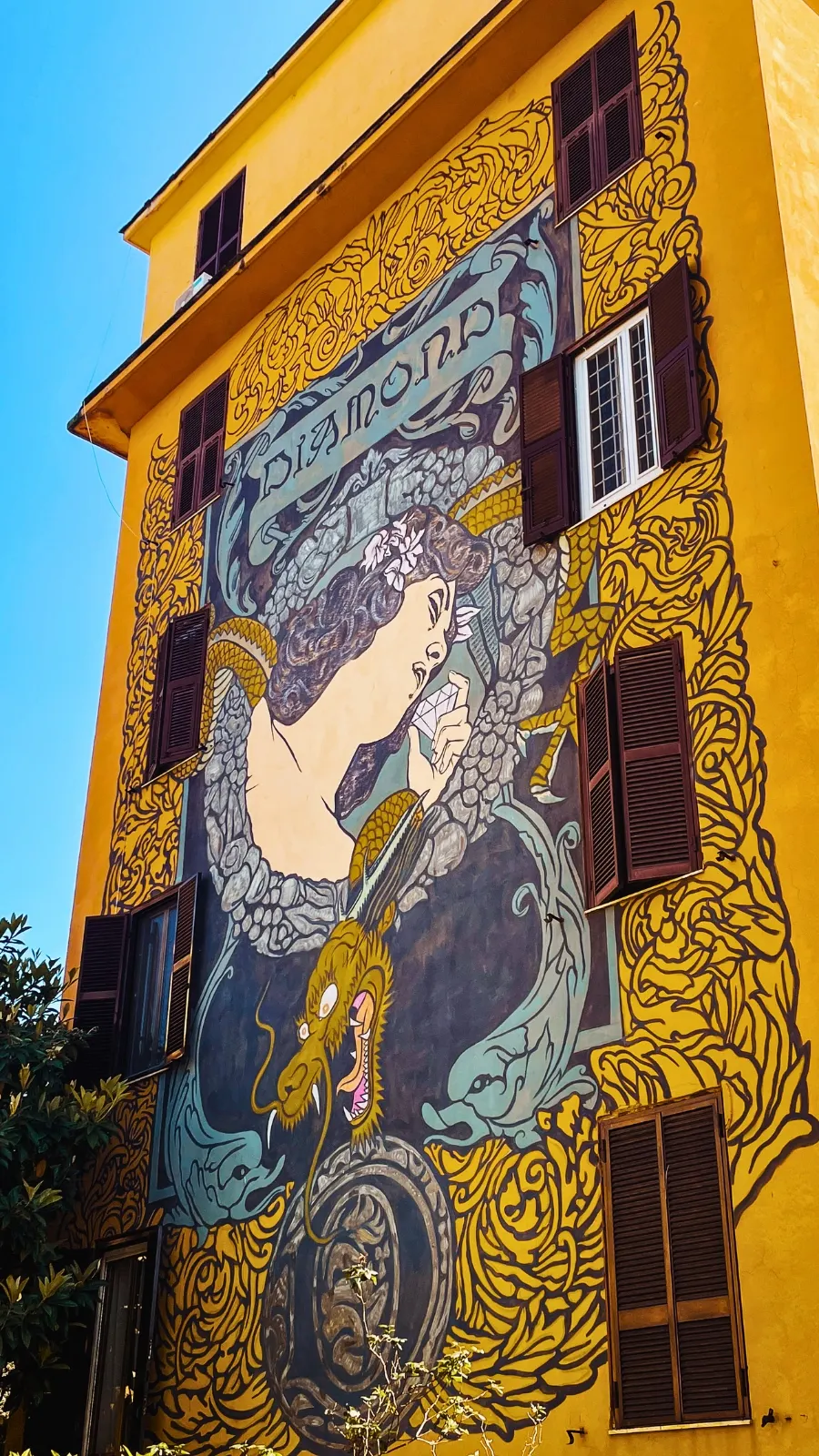
The mix of techniques and themes is nothing short of wonderful at Tor Marancia.
And if you’re willing to go even deeper into the secret Rome and its street art, these are two other spots you shouldn’t miss:
- Piazza di San Simpsonsimato in Trastevere: its real name is Piazza San Cosimato, but the Simpsons mural wrapping around a playground gave it its nickname
- Museo dell’Altro e dell’Altrove (MAAM) on Via Prenestina: one of the strangest, secret museums in Rome, street art, controversy and weirdness all rolled into one