

A local’s guide to beautiful, unique hidden gems at the end of the Tube lines in London; indie shops, quirky museums, incredible nature and village escapes!
Oh, there are amazing spots to visit in Central London, that’s for sure.
But.
I’ve lived in London long enough, on and off while I split my time between London and Rome, to know that its best surprises hardly ever sit in the centre.
When you ride the Tube all the way to the final stop, or maybe just a station or two before, you stumble on places that feel miles away from the usual tourist crowd you’d find in Covent Garden or Leicester Square.
London’s End of the Tube Lines: 19 Hidden Gems to Discover

If you’ve been here before, you know that London’s hidden gems are my jam.
I love discovering secret neighborhoods, unique shops and cafes away from the beaten path.
In this guide, you’ll find everything from under-the-radar museums to secondhand bookshops that feel frozen in time, and cute little villages that barely feel like London at all.
I purposefully didn’t include proper restaurants or chains here; just independent shops and natural spots full of character that will enrich any day out in London instantly.
London at the End of the Tube: Paperback Coffee & Books – Ealing (District and Central Line terminus)

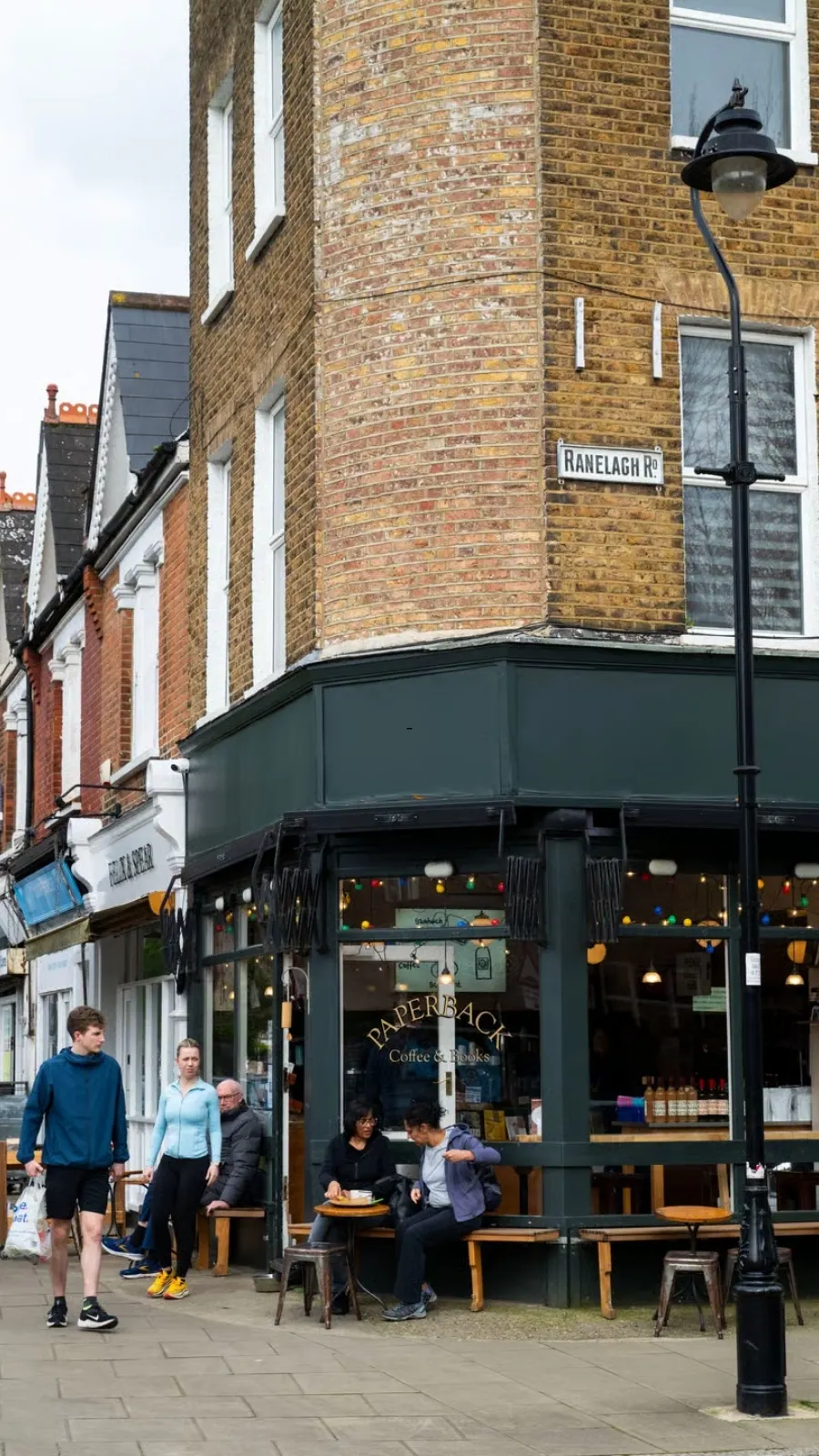
Paperback Coffee & Books is a secondhand bookshop with a small cafe tucked inside, and there’s no Wi-Fi nor laptops allowed, which makes it easy to relax without distractions.
If you’re looking for proper bookshop cafes to study, there are others closer to Central London, with the likes of Paper & Cup in Shoreditch.
The menu at Paperback is simple but good; tea, toasties, and cake that feel homemade, just the kind of place where you can settle in for hours, writing, reading or just watching the world go by.
Hurlingham Books – Putney Bridge (District Line, one stop before Wimbledon)

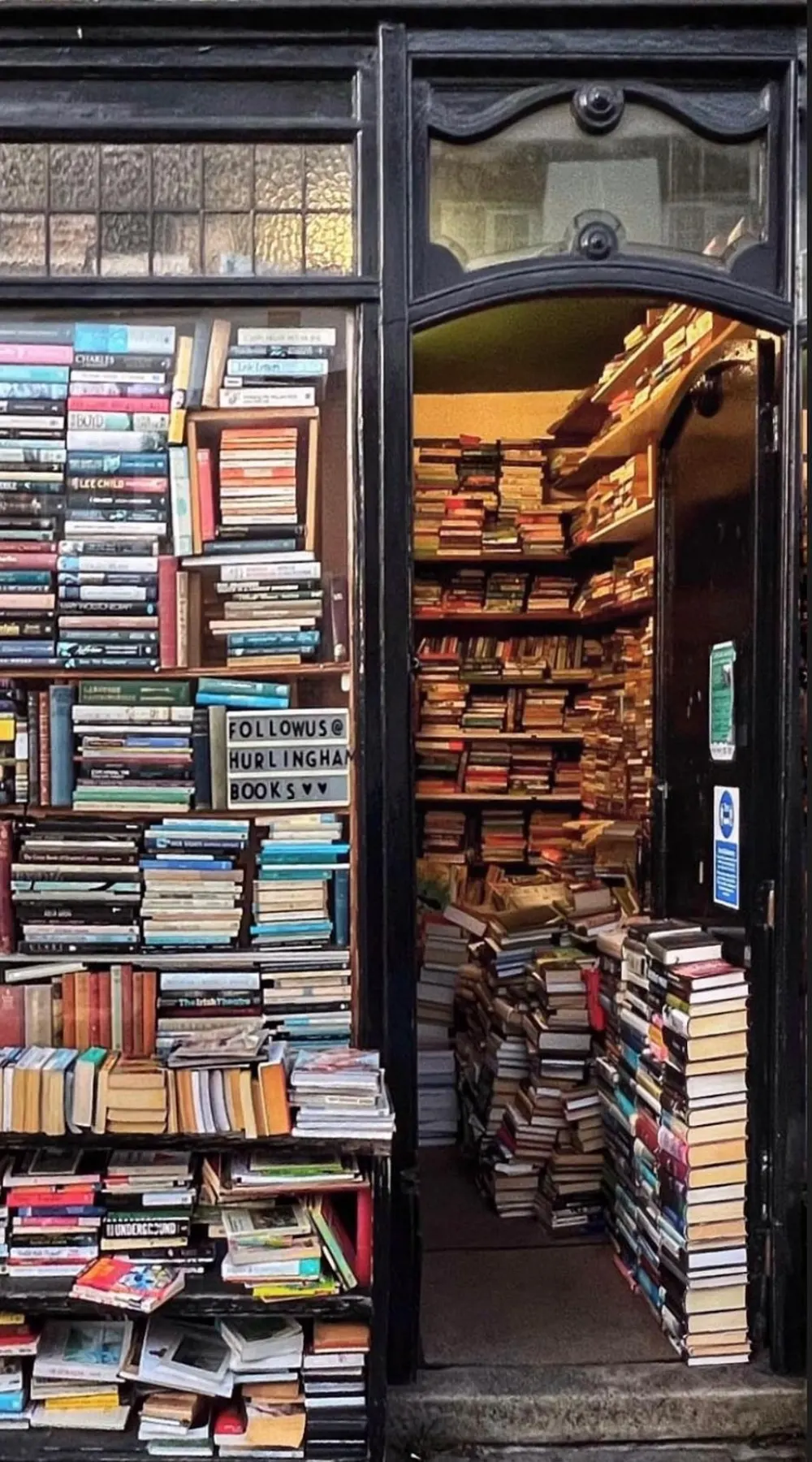
Hurlingham Books has been around since 1968 and feels like a proper old-school, magical bookshop.
Books are stacked everywhere; on shelves, tables, and even the floor, with categories that are more suggestions than hard rules.
There’s a back room full of paperbacks and harder-to-find titles, and you can really see that Hurlingham Books is a local place that has been frequented for decades.
London at the End of the Tube: Vicarage Road Cemetery – Watford (Metropolitan Line terminus)

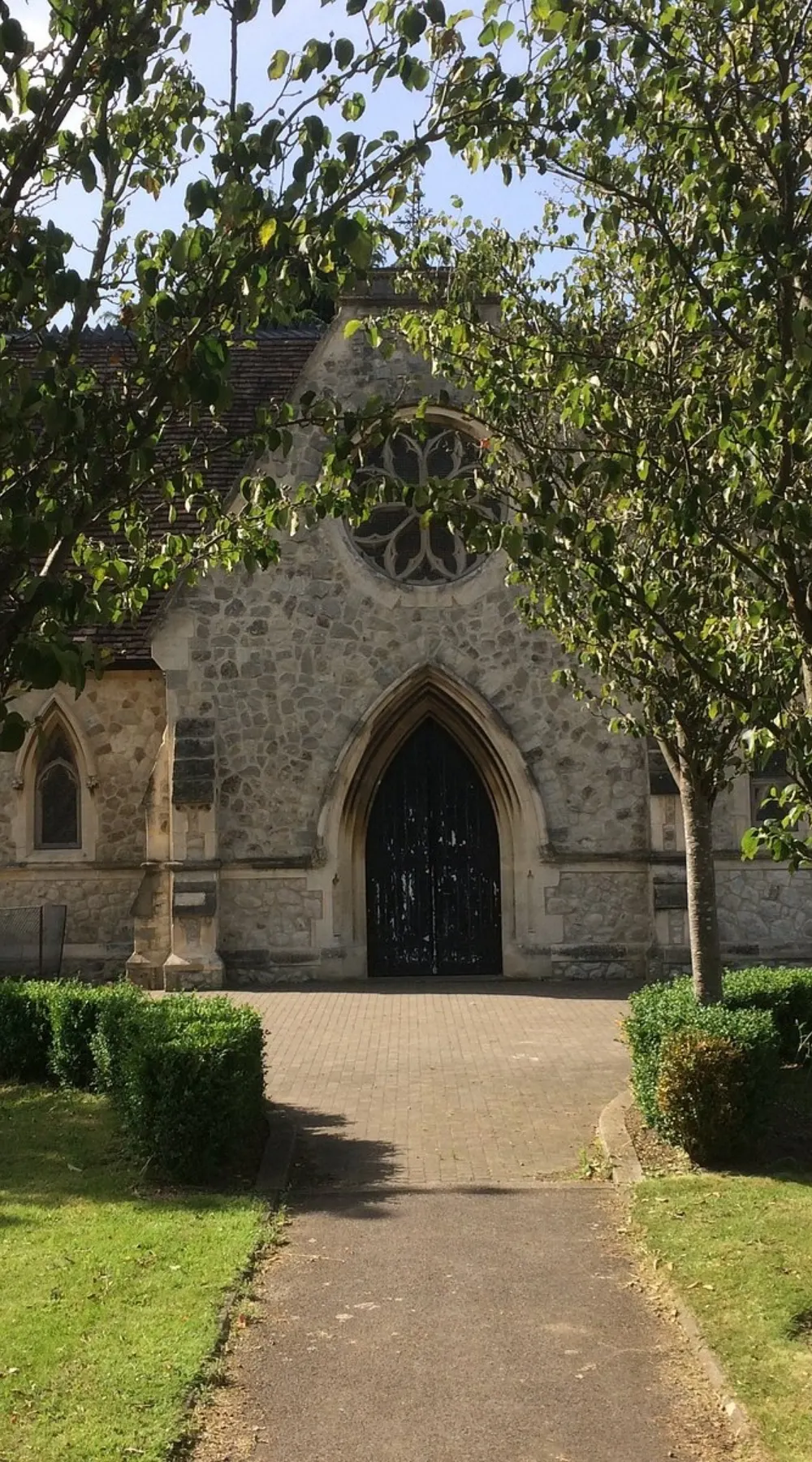
Vicarage Road Cemetery opened in 1858 and is located just behind Watford General Hospital.
Now, it might not be one of the Magnificent Seven of London, but it’s home to over 13,000 graves, including many Commonwealth war burials from both world wars.
The old headstones and memorials are weathered, with some covered in ivy, and other statues more ethereal, giving the place a sense of history that’s really easy to miss if you rush through.
The Sherriff Centre – West Hampstead (Jubilee Line, two stops from terminus)

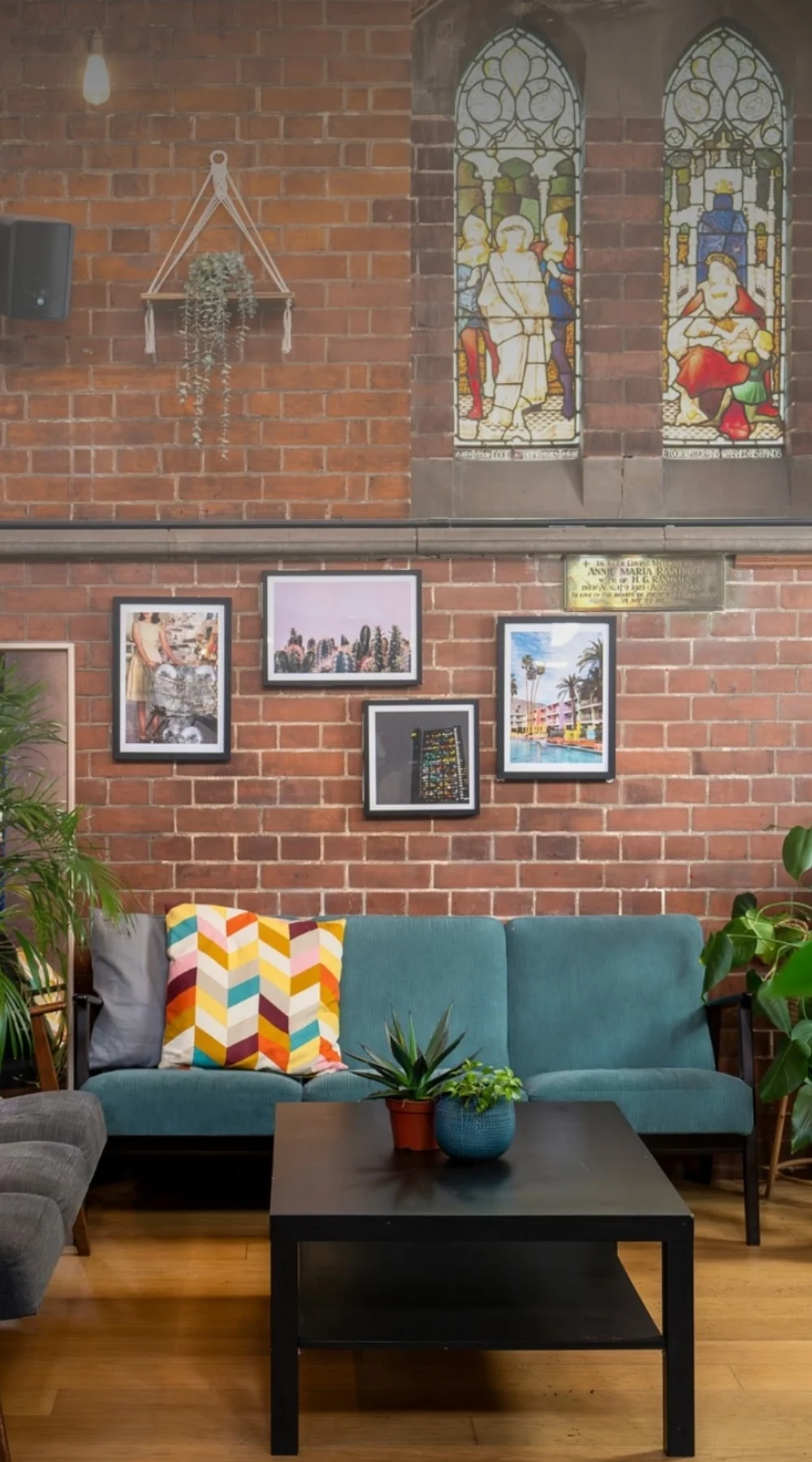
Sherriff Centre is the kind of place you end up finding if you actually get off the Jubilee line at West Hampstead instead of riding straight to the end.
It’s inside St James Church, a Grade II listed building from the 1880s with terracotta brick, high ceilings, and stained glass that throws red and blue light across the floor, even when the weather’s miserable.
You get all the old stone and color mixed in with everyday stuff—a cafe, post office, and soft play for kids—so it never really feels like a typical church or a regular tube stop.
London at the End of the Tube: Walthamstow Pumphouse Museum – Walthamstow Central (Victoria Line terminus)

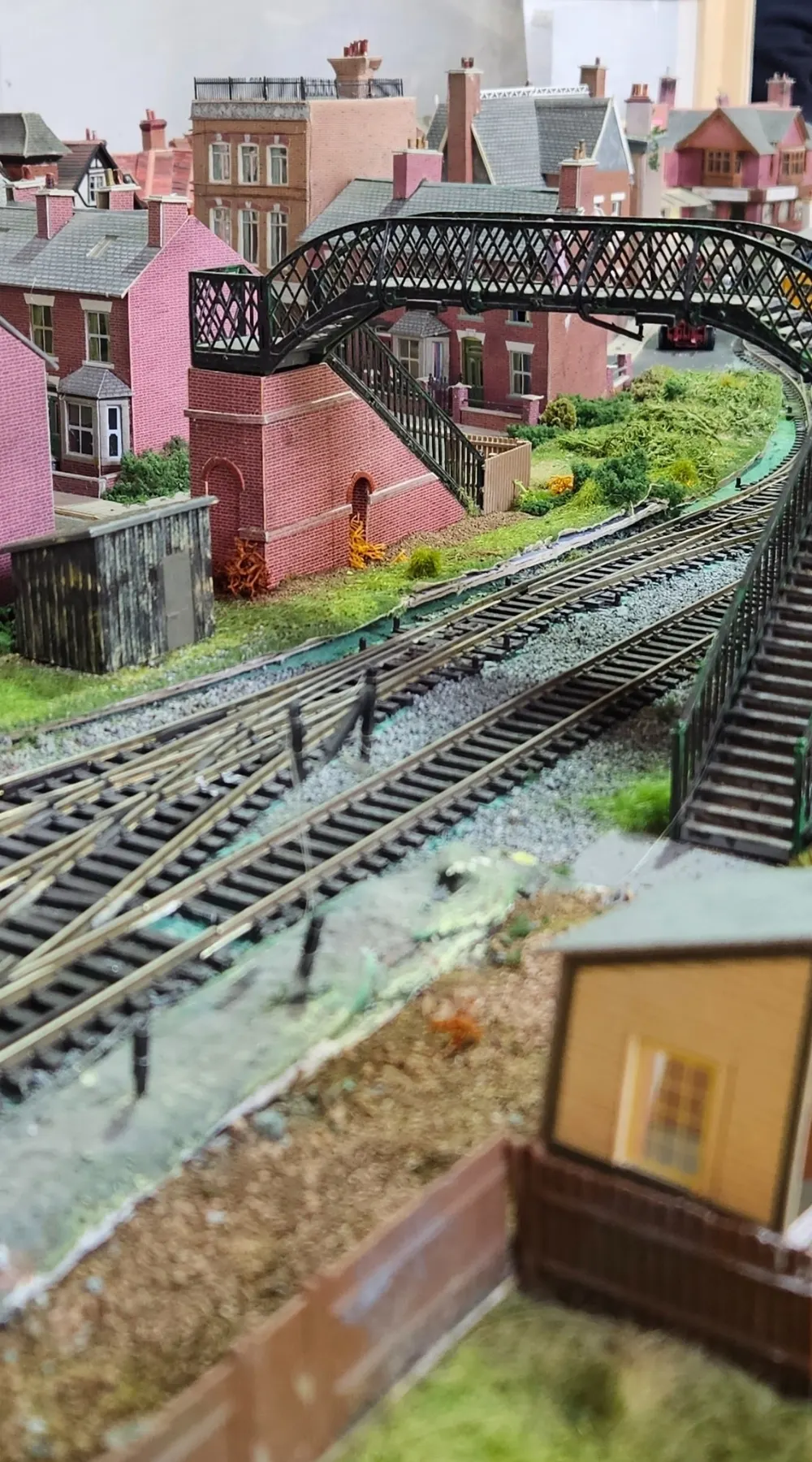
Walthamstow Pumphouse Museum is inside a Victorian pumping station from 1885, all red brick and tall chimneys near the end of the Victoria line.
Inside are model trains, vintage radios, fire engines, Underground signs, and two original Victoria line carriages with their old blue seats and metal fittings.
It’s run by volunteers and only open Sundays, so you have to plan your visit. If you want a quick look at London’s transport history before reaching the last stop, this place is worth it.
London at the End of the Tube: Museum of Richmond – Richmond (District Line terminus)

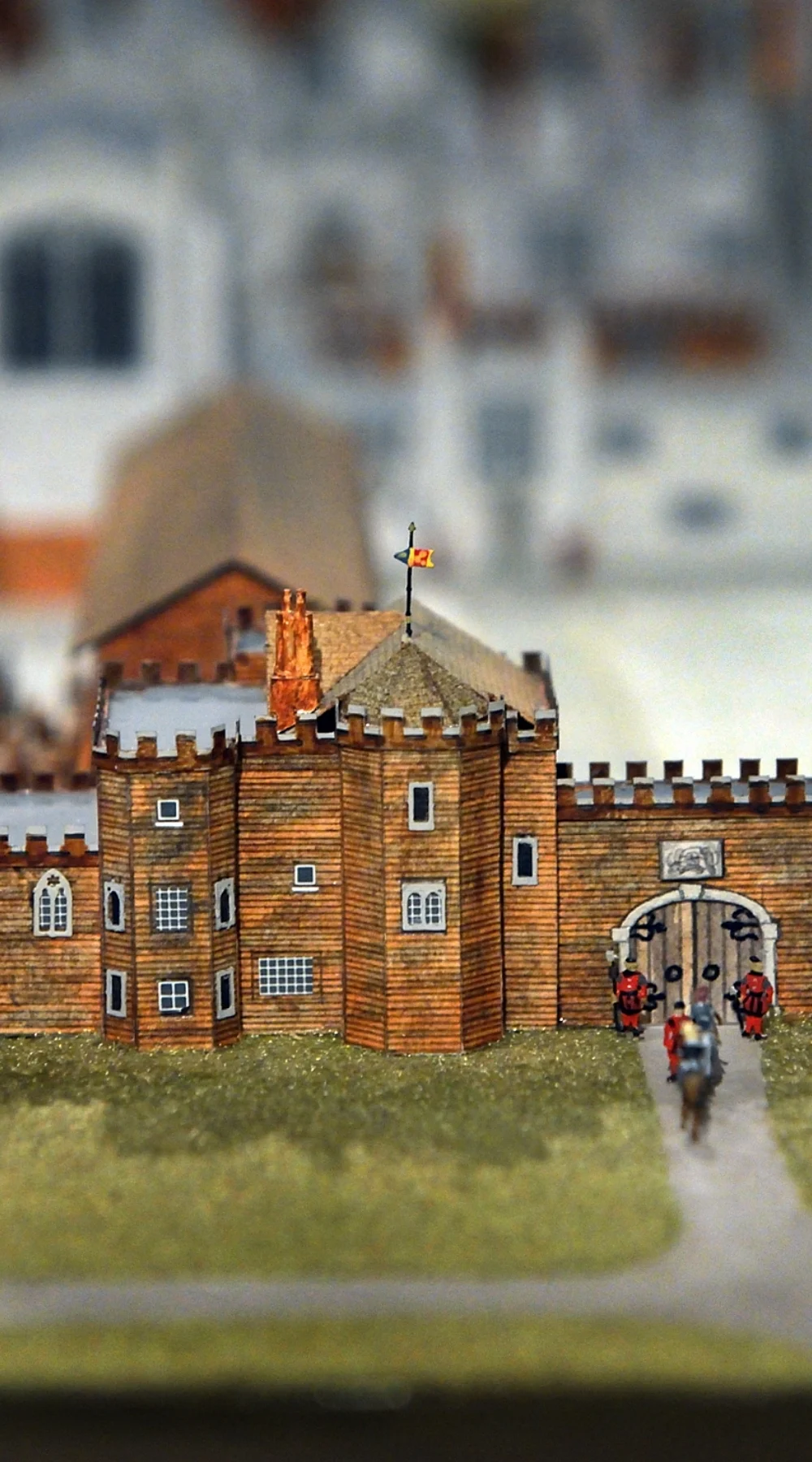
If Richmond is already a wonderful place to visit if you’d like to stray away from London’s busy streets and are more into local villages, the Museum of Richmond is another great addition to a day out in West London.
Located in the Old Town Hall, a Grade II Elizabethan-Renaissance building opened in 1893 by the Duke of York, the museum is free to visit and packed with Tudor-era artifacts.
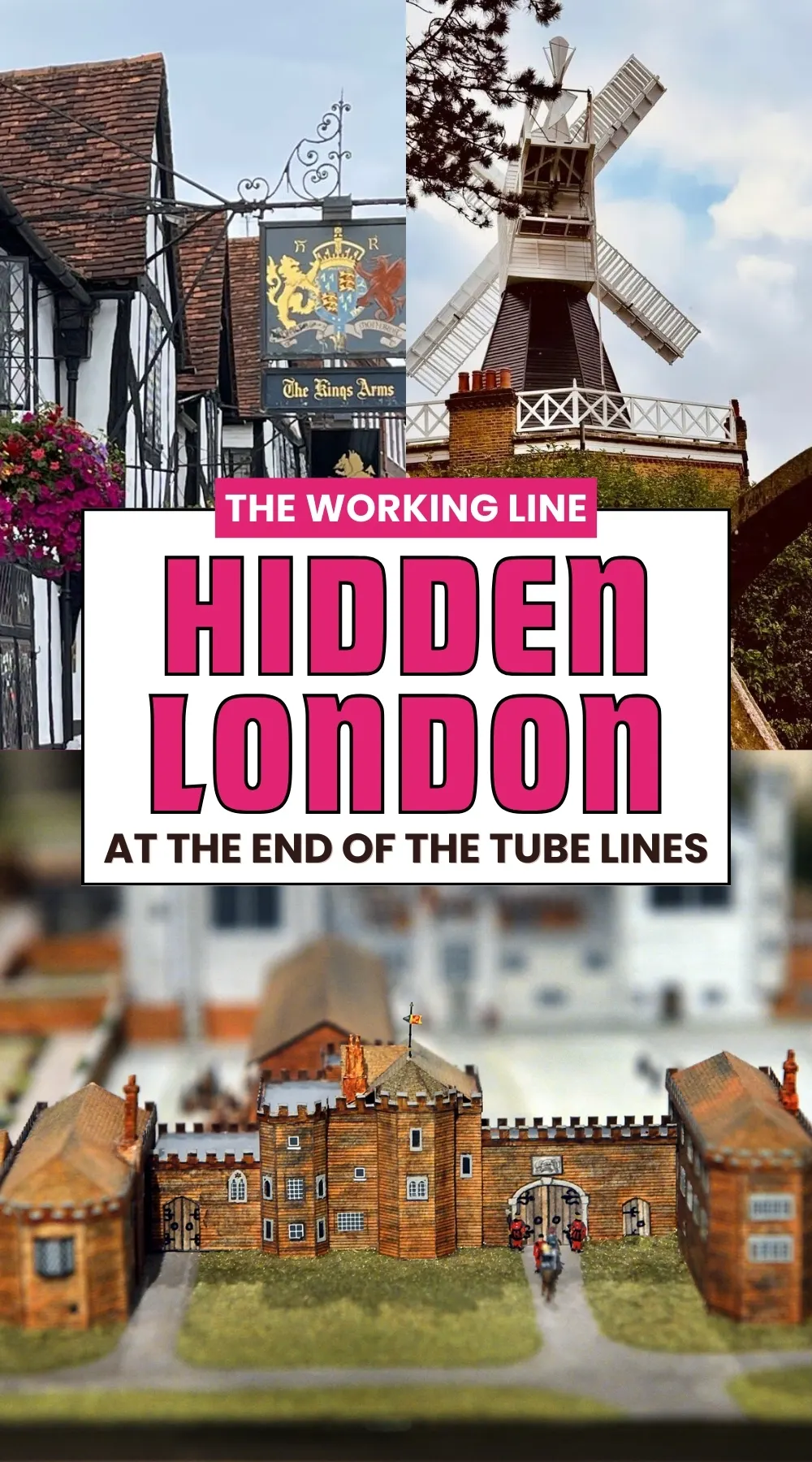
From a beautiful model of Richmond Palace to pottery and local prints, you’ll find lots of information about the history of the area, including medieval deer hunting up to wartime factories.
If you’ve been here before, you may have seen the guides I’ve written about industrial London and other gorgeous historical buildings located, namely, around London Bridge, Bermondsey, and Rotherhithe – Richmond offers another layer of London’s history.
Upminster Tithe Barn Museum of Nostalgia – Upminster (District Line terminus)

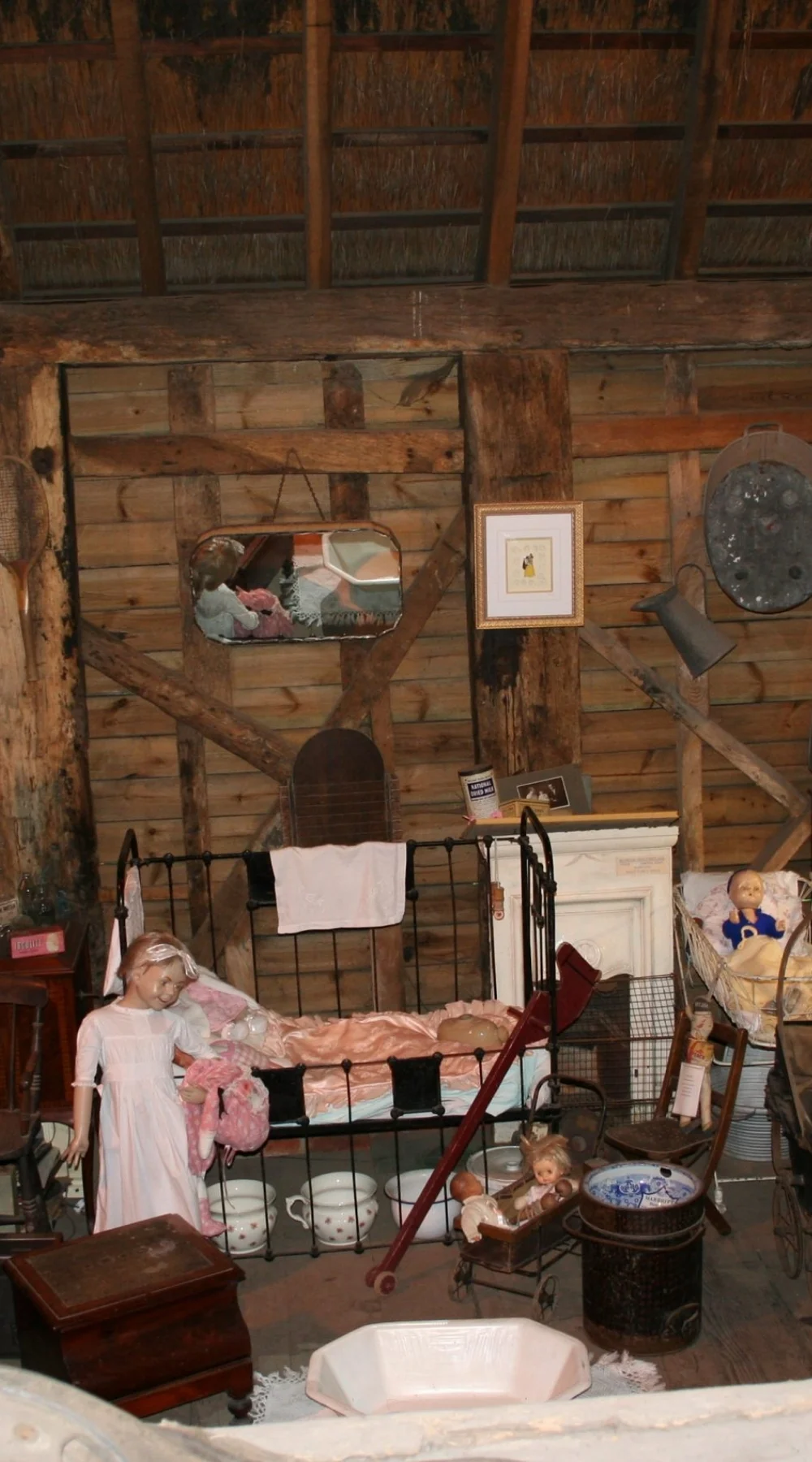
At the end of the District Line, the Upminster Tithe Barn Museum is a 15th‑century thatched barn in the heart of Upminster.
Inside, you’ll find countless toys, tools, posters, uniforms and household items that date from the last century; black and white school pictures, hand-sewn clothes, rusted farming gear…
The Upminster Tithe Barn Museum of Nostalgia isn’t the biggest museum in London, but it’s quiet and grounding – perfect to discover more about London’s evolution.
London at the End of the Tube: Epping Signalling Museum – Epping (Central Line terminus)

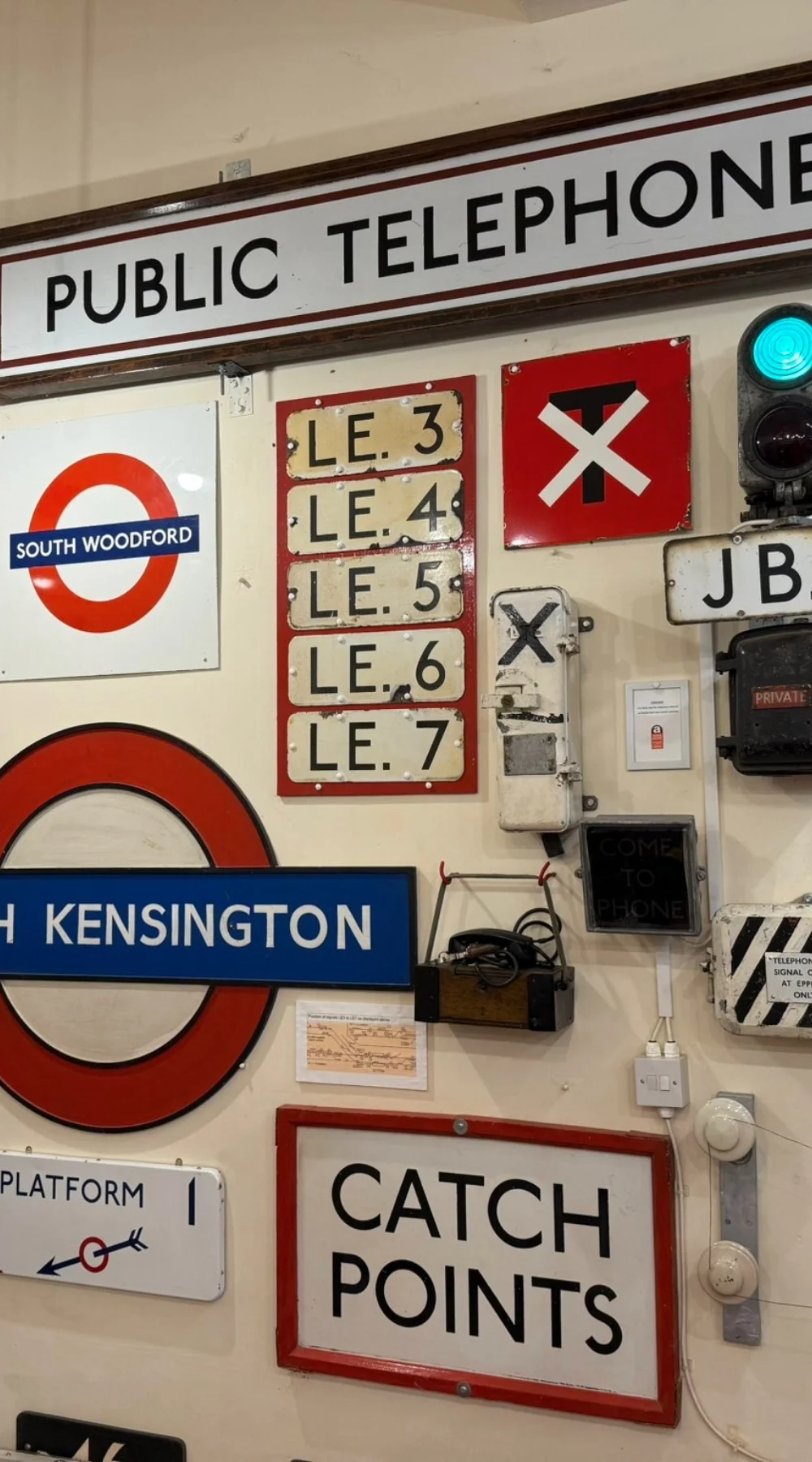
If Epping Forest is already reason enough to go on a journey at the end of the Central Line, the Epping Signalling Museum is another great spot to visit while in the area, especially if you’re after free activities.
The museum is built about a restored signal cabin that controlled trains from 1949 to 1994 – if you’re planning to visit disused and ghost stations, do add the Signalling Museum to your trip!
Inside, you’ll spot vintage Underground signage, the original lever frame and old wiring panels that used to manage the line out to Ongar.
The bright yellow shunting locomotive from the 60s in the yard is probably the most striking sight, and if you’re planning to visit, do go on a Saturday – the only day when the museum is open.
Eastury Manor House – Barking (District Line)

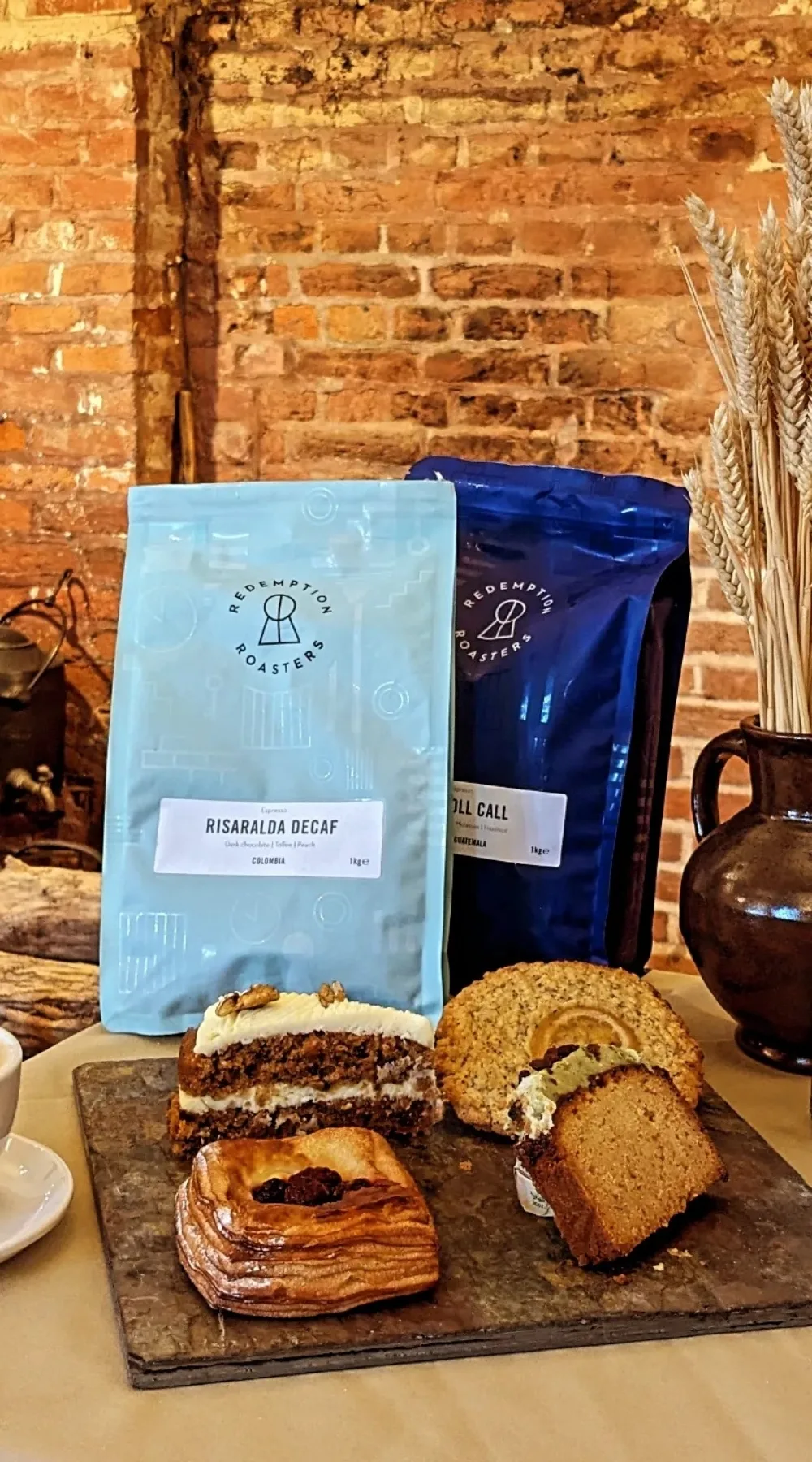
In Barking, Eastbury Manor House is a red brick Tudor home dating all the way back to the 1570s, mostly unfurnished, with brick fireplaces, uneven stone floors and wood paneling.
Inside, a quaint tea room welcomes you for fresh cakes (carrot cake, hello!) and coffee, if you wish to take a break after visiting the stately home.
It has some of the low-key calm you get at Sutton House in Hackney or the quiet corners of Strawberry Hill House, just less polished and closer in vibes to the stunning Sir John Soane’s Museum in Holborn.
London at the End of the Tube: Bentley Priory Museum – Stanmore (Jubilee Line terminus)

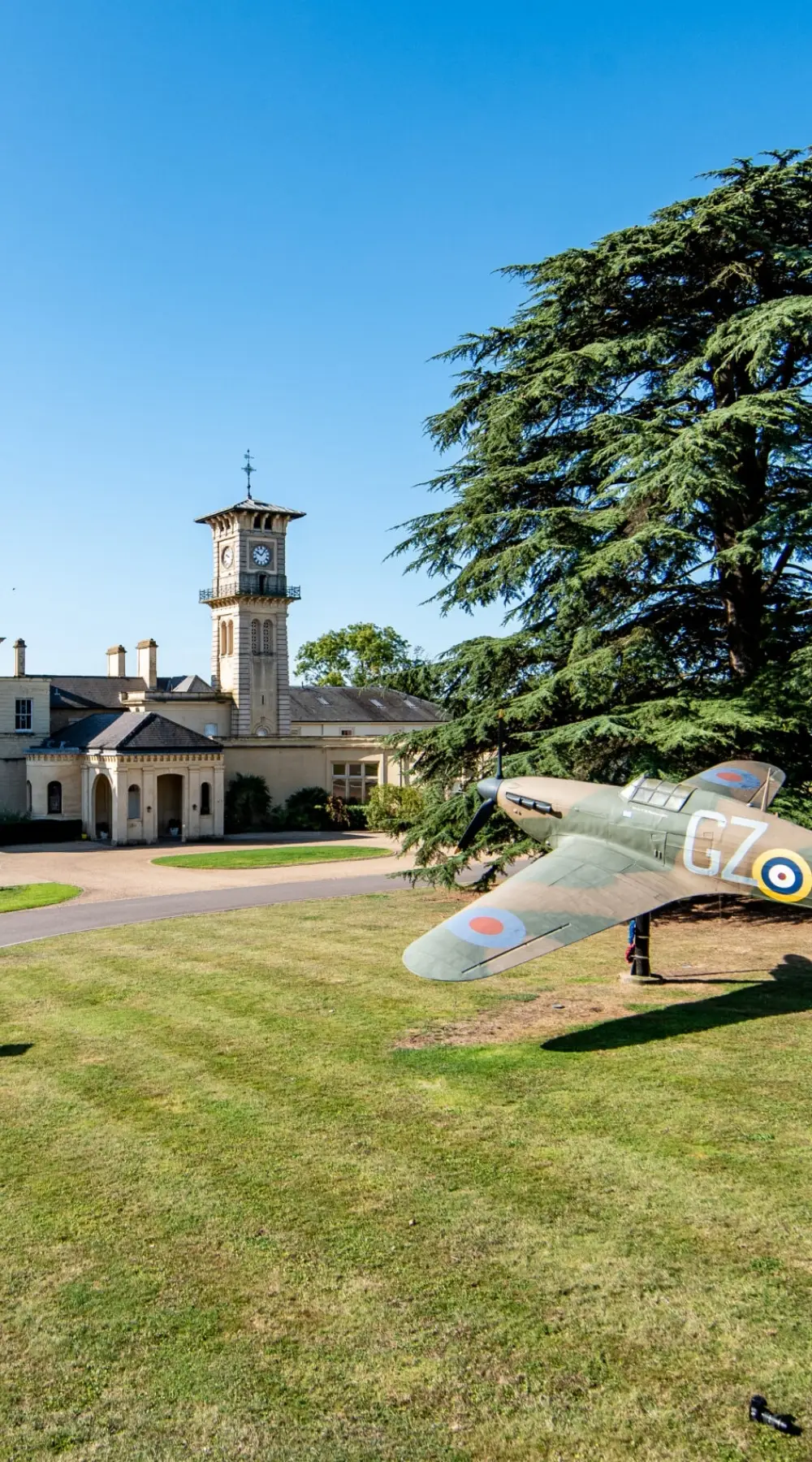
Inside the former RAF Fighter Command headquarters, the main base that directed British air defense during WWII, you will find the Bentley Priory Museum; one of the most secret museums in London!
Located at the edge of North London, the museum is filled with Battle of Britain maps, uniforms, diaries, personal records and even planning rooms set up.
Outside, the white mansion and its gardens are a wonderful sight; inside, the space feels tense and tight, echoing the atmosphere that must have reigned there in similar places like the Churchill War Rooms or the Royal Air Force Museum.
London at the End of the Tube: Brixton Village and Market Row – Brixton (Victoria Line terminus)


In the past, I’ve mentioned Brixton Village here – it’s indeed one of the must-visit places in London for homesick people.
Tucked under 1920s arcades, Brixton Village and the Market Row are located at the very end of the Victoria line; narrow alleys with glazed roofs, handwritten signs at Afro-Caribbean grocers, vintage clothes, and one-table cafes with local breakfast specialties.
For those of you who may be into historical sites, know that the arcades became Grade II listed in 2010, decades after electric lights first lit Electric Avenue in the 1880s.
London at the End of the Tube: Richmond Theatre Tours – Richmond (District Line terminus)

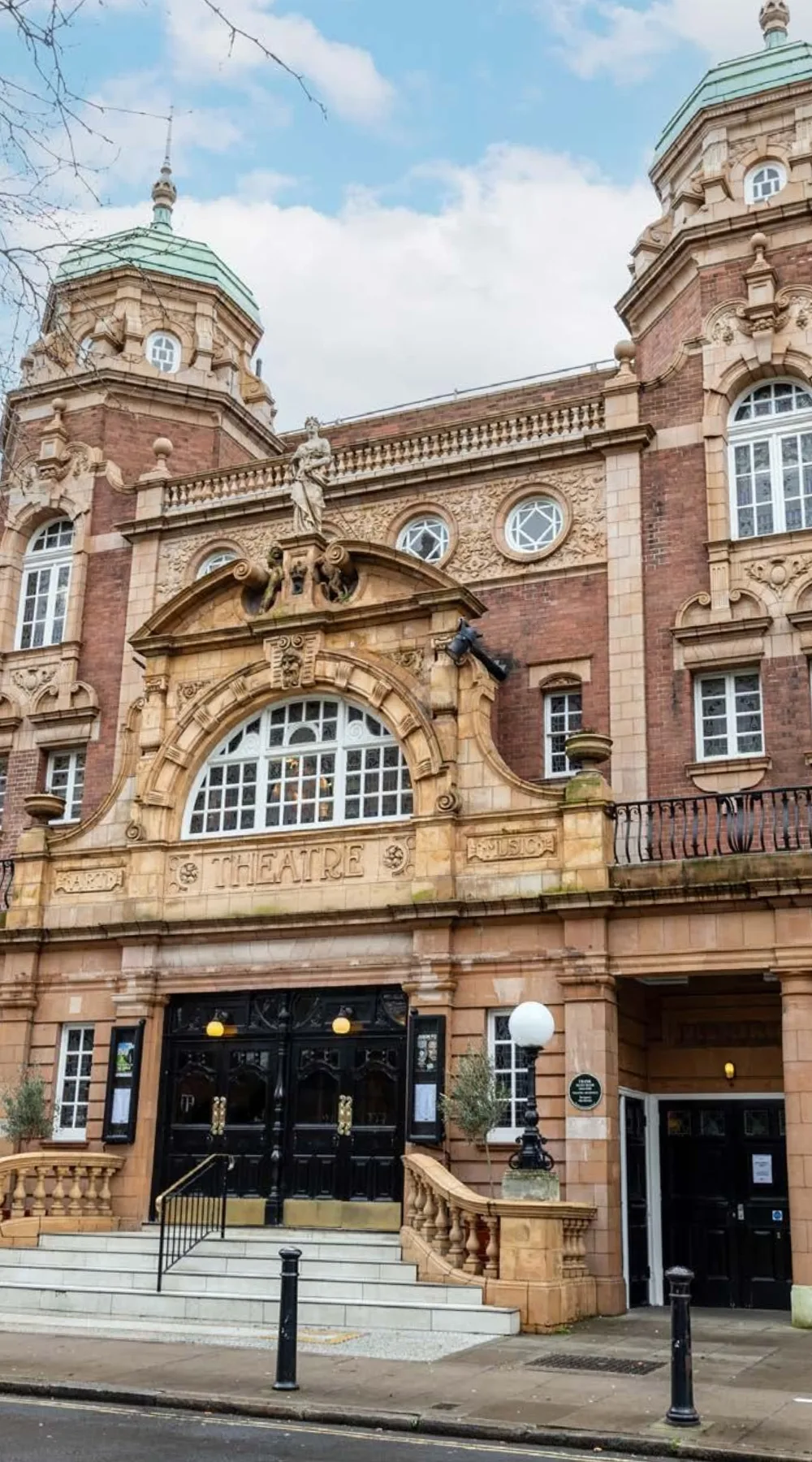
Just off the District Line, Richmond Theatre offers tours that will take you into a Grade II Victorian venue built all the way back in 1899.
Narrow corridors, passing rows of costume racks, old wooden props… We have energy, intimacy and still, the scale and purpose of a full-size Victorian playhouse here.
The tours are capped at around 15 people, so you have all the time and mindspace you need to really take in the scents, shapes and textures of the building.
Barnes Village Boutiques & Conservation Trail – Barnes Bridge rail (near Richmond)

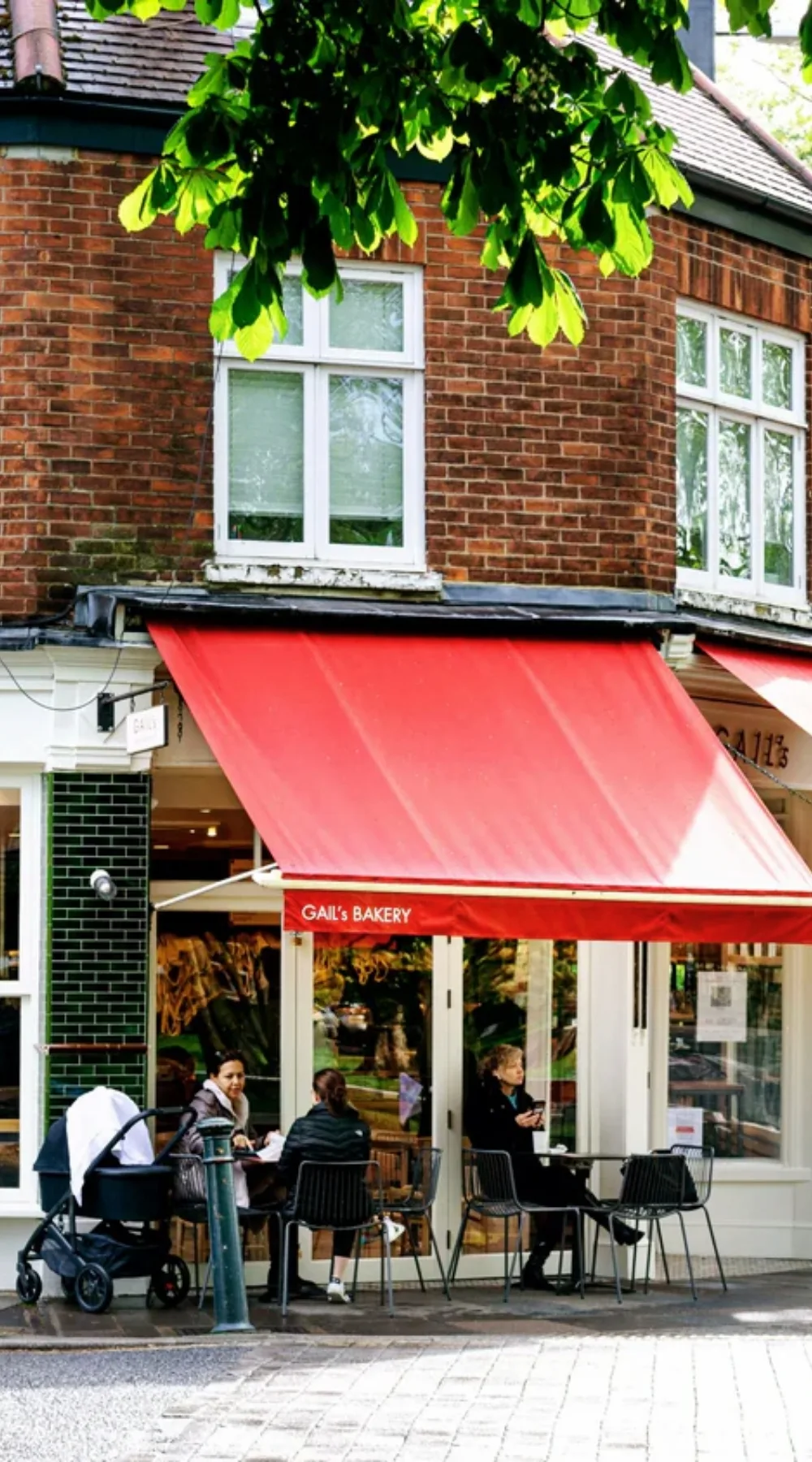
Barnes village has been around since at least the 13th century, but most of the buildings you’ll notice, like the White Hart pub, date from the 17th century onwards.
Here, the Georgian and Victorian houses with blue plaques show how the place grew over time, while the green and duck pond have stayed pretty much the same – a cute spot for a romantic date!
If you’d like to stray away from the heart of Barnes village, the conservation trail takes you on a calm 1.8-mile walk through the best spots in Barnes; definitely amazing for nature lovers.
London at the End of the Tube: Epping Forest – Epping (Central Line terminus)

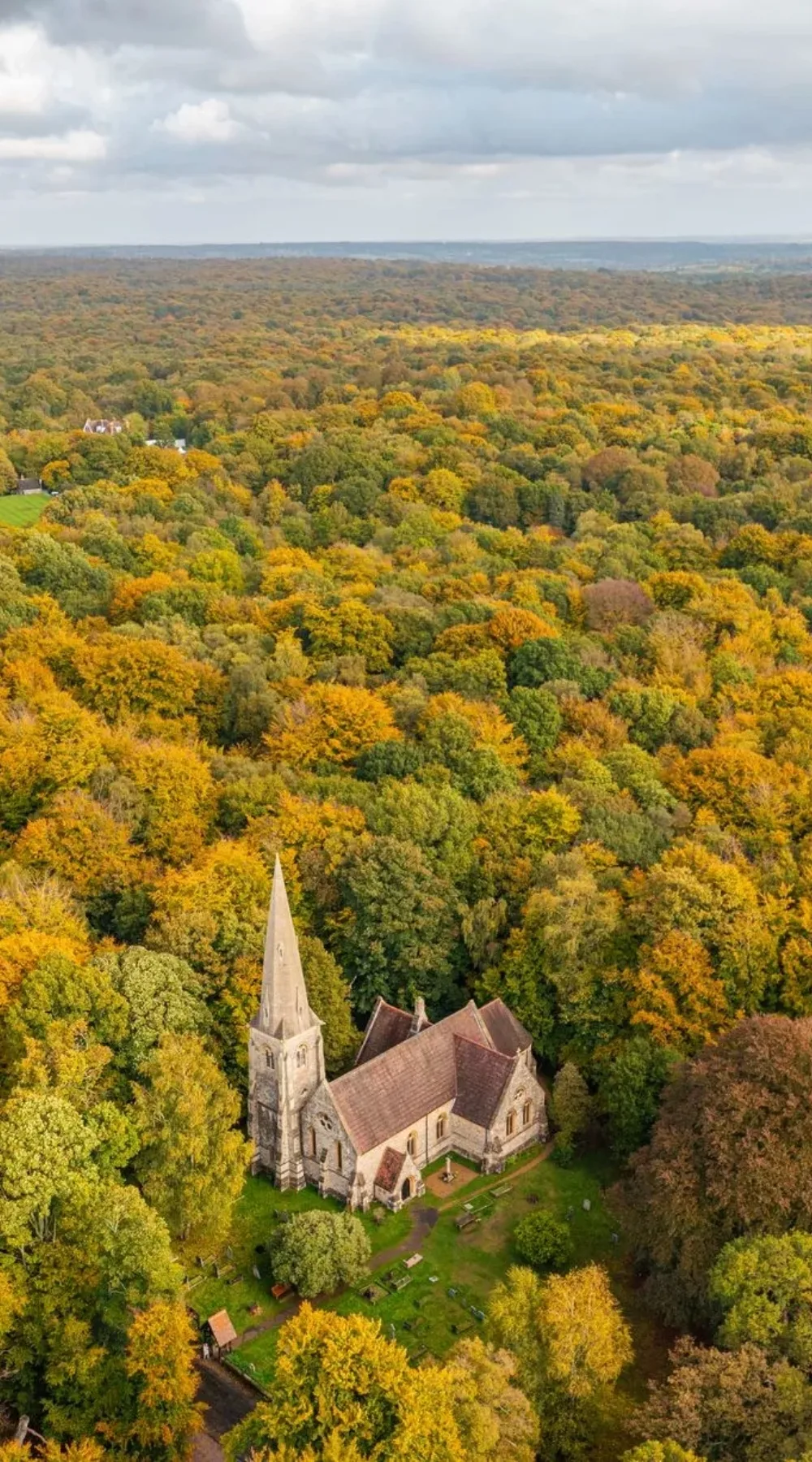
Protected since 1878, Epping Forest is one of the best places to enjoy nature in London, with ancient trees and spaces that have survived for centuries.
If you’re living in London with kids, or if you just want to break away from the city, you’ll find that Epping Forest offers a true escape without needing to travel far: we’re at the very end of the Central Line.
Make sure you check out the Queen Elizabeth Hunting Lodge, built in 1543, and the nearby Iron Age earthworks, which show how important this forest was for royal hunting traditions and London’s history.
Compared to places like Hampstead Heath, Epping Forest feels much bigger and rawer; perfect if you want peace and history all rolled into one!
Wimbledon Windmill Museum – Wimbledon (District Line terminus)

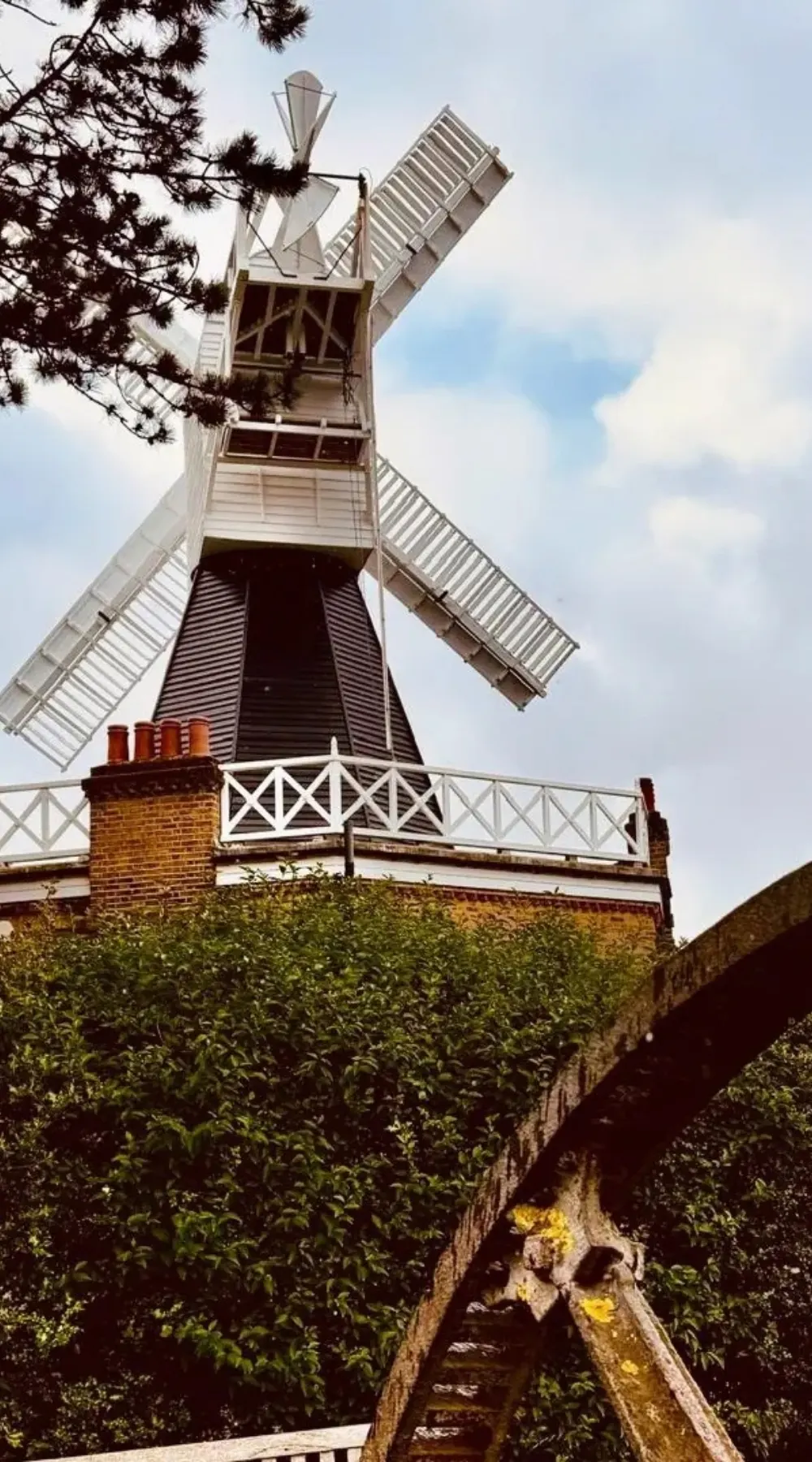
For another type of historical spot, the Wimbledon Windmill, built in 1817, now serves as a small museum about milling history.
We’re here in Wimbledon, and you can visit the windmill at weekends, from March to October.
Check out the millstones, models and old tools, climb the tower, and enjoy the working mechanism in action.
Just next door, you can also visit the mill house, which tells the story of Baden-Powell and the Boy Scouts, as he stayed here while writing – a true hidden gem at the very end of the District Line!
London at the End of the Tube: Mayfield Lavender Farm – Banstead (Victoria Line + short bus)

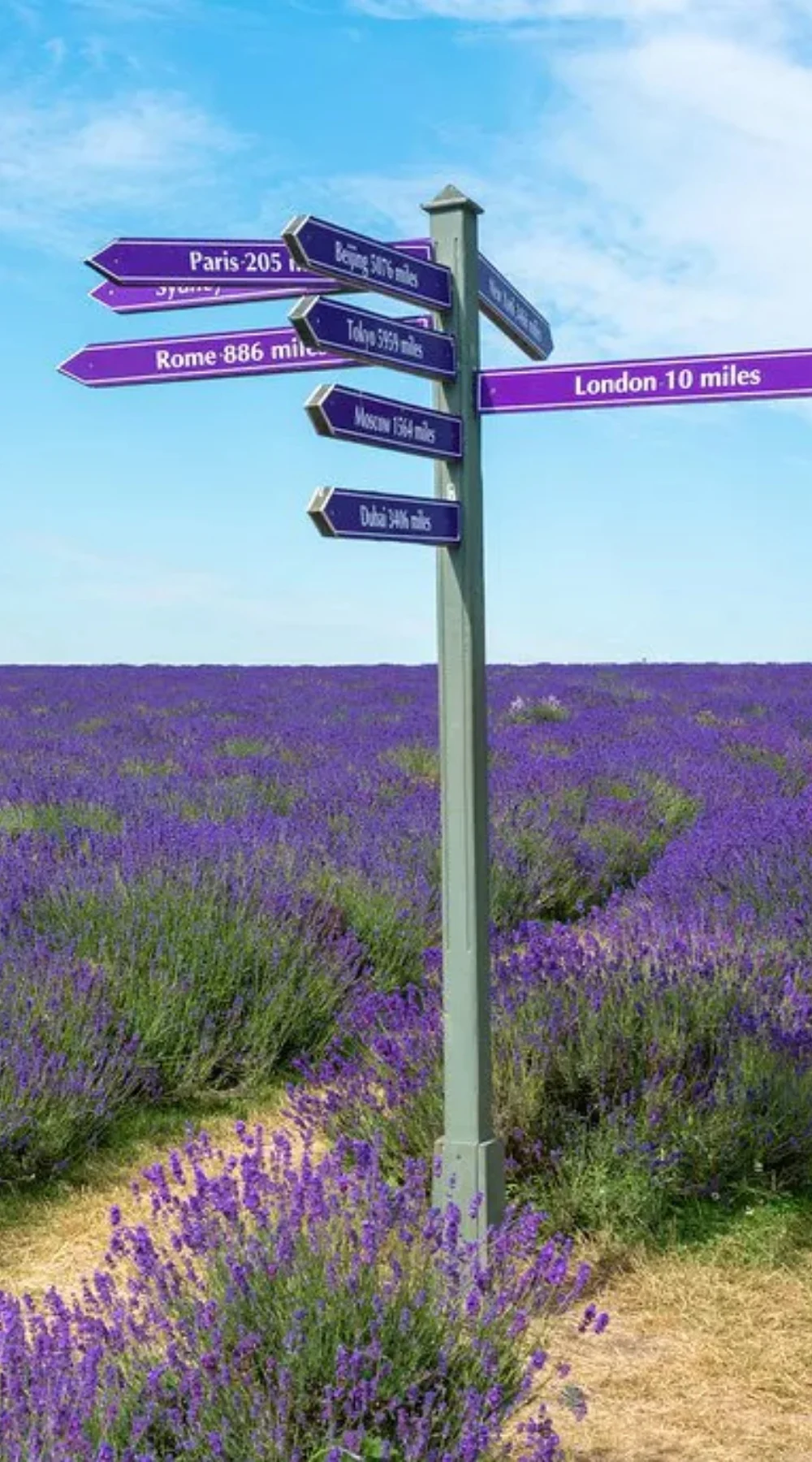
Out in Banstead, the Mayfield Lavender Farm opens from mid-June to August, a beautiful place with walking paths weaving through the rows of lavender.
Onsite, you have a small shop selling handmade lavender products, and even a cute coffee shop with shaded tables to enjoy a snack and a drink.
To reach the Mayfield Lavender Farm, you have to take the Northern Line to Sutton or West Croydon, and then a bus – visit on weekdays to avoid the crowds!
London at the End of the Tube: Doll’s House Museum – Ealing Broadway (District & Central Line terminus)

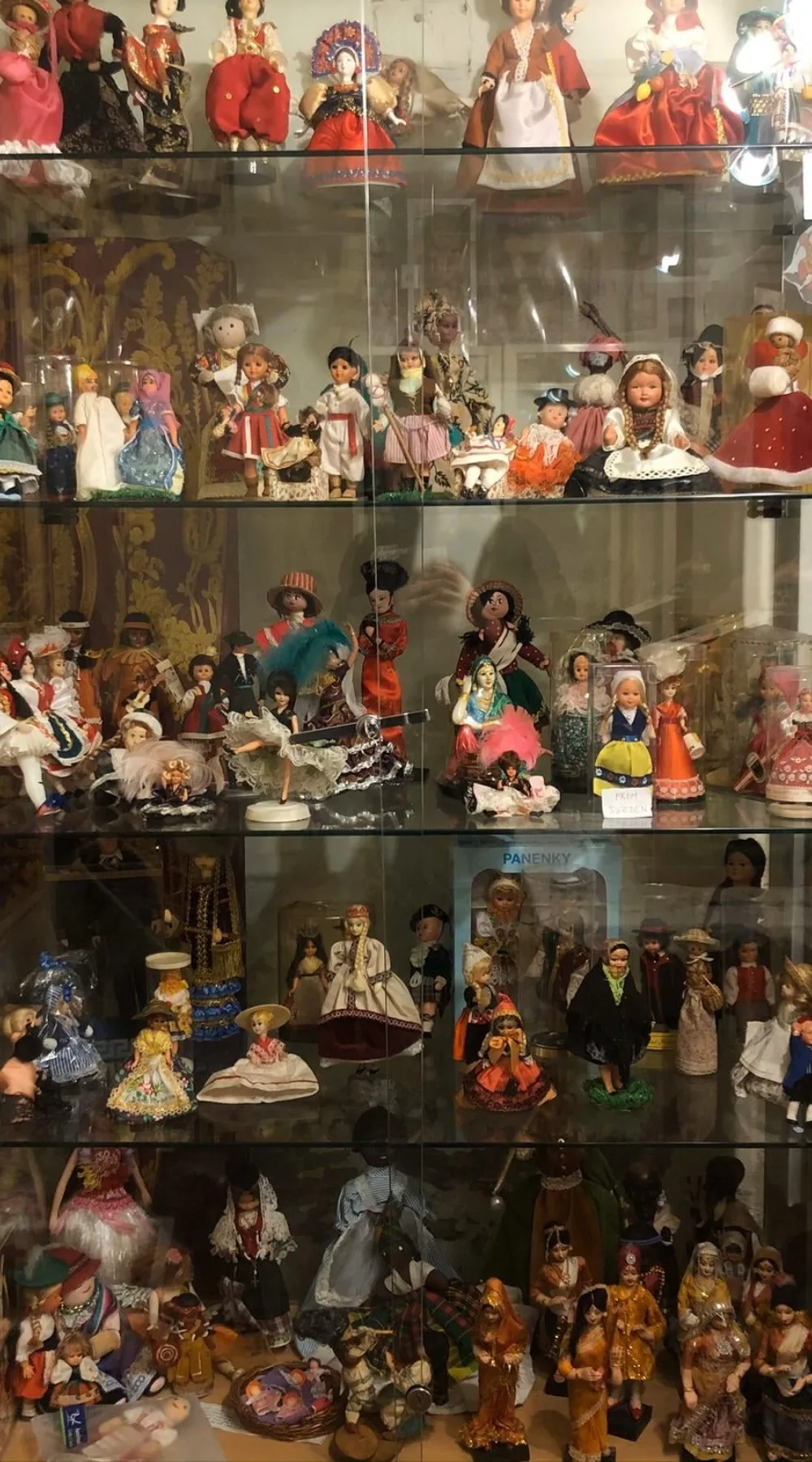
There are quite a few unique museums in London, but Ealing’s Doll House Museum is one of the quirkiest: it’s indeed a private collection with over 900 dolls and miniatures from across the world.
Open only by appointment, the Doll House Museum is tucked behind the Caspian Hotel, and you’ll find there antique furniture, traditional costumes, miniature tools and model houses in addition to dolls.
Visits take around 15 minutes, and the owner personally guides you through the displays: what more local activity could this be?!
The museum feels intimate, with the same kind of atmosphere you’ll find in places like Dennis Severs’ House in Spitalfields or the Viktor Wynd Museum of Curiosities, only even quieter.
Old Amersham High Street – Amersham (Metropolitan Line terminus)

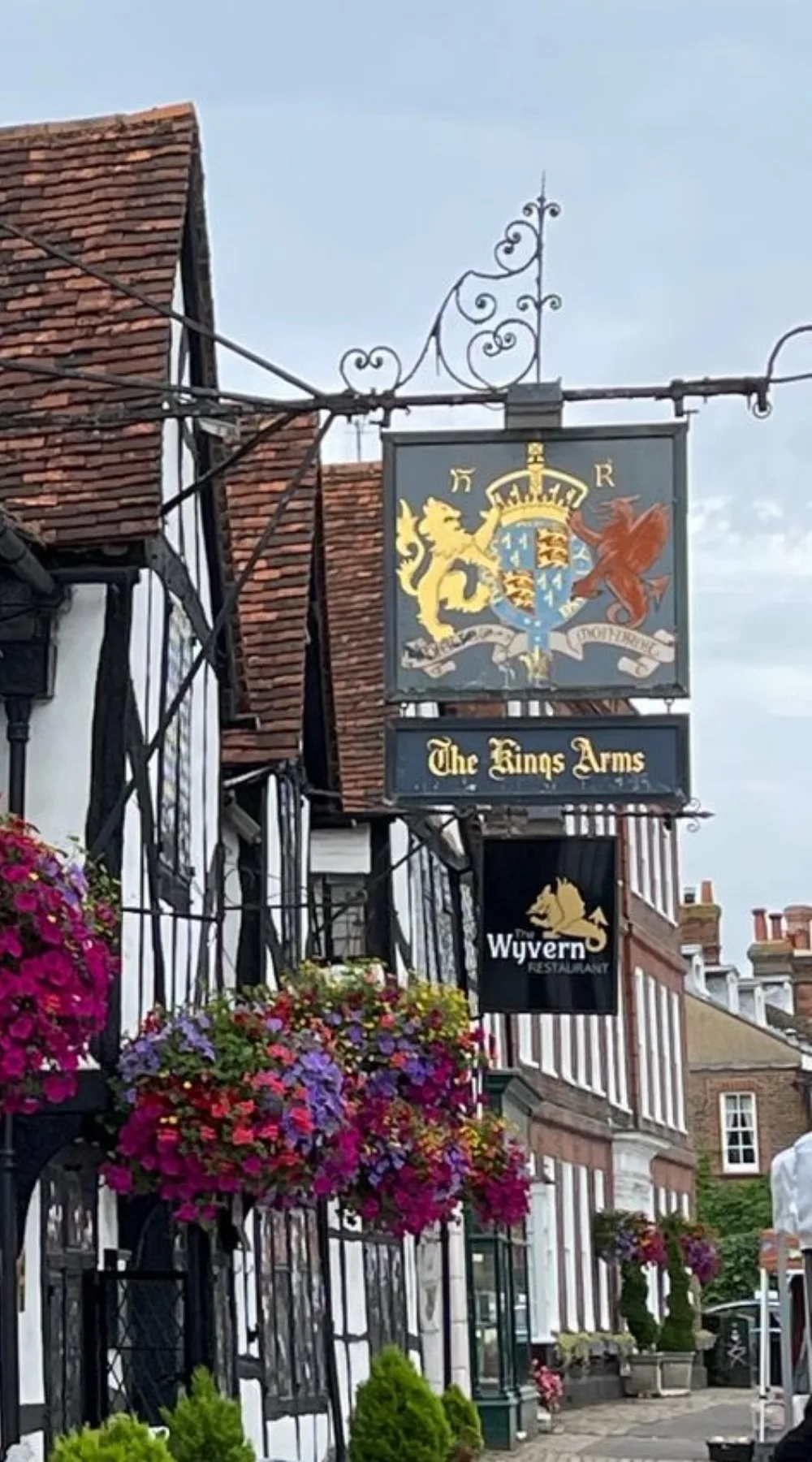
All you have to do is step off the train at Amersham to feel like you’re well beyond London’s walls.
Old Amersham High Street has timber-framed buildings and quiet lanes that go all the way back to the 1600s, with all the rawness and pure beauty that goes with English villages.
Small cafes and antique shops line the streets of Old Amersham, making it a perfect spot if you’re looking to bring back unique souvenirs from London, in addition to a really historical feel.
London at the End of the Tube: North Ockendon Village – Upminster (District Line terminus + short bus)

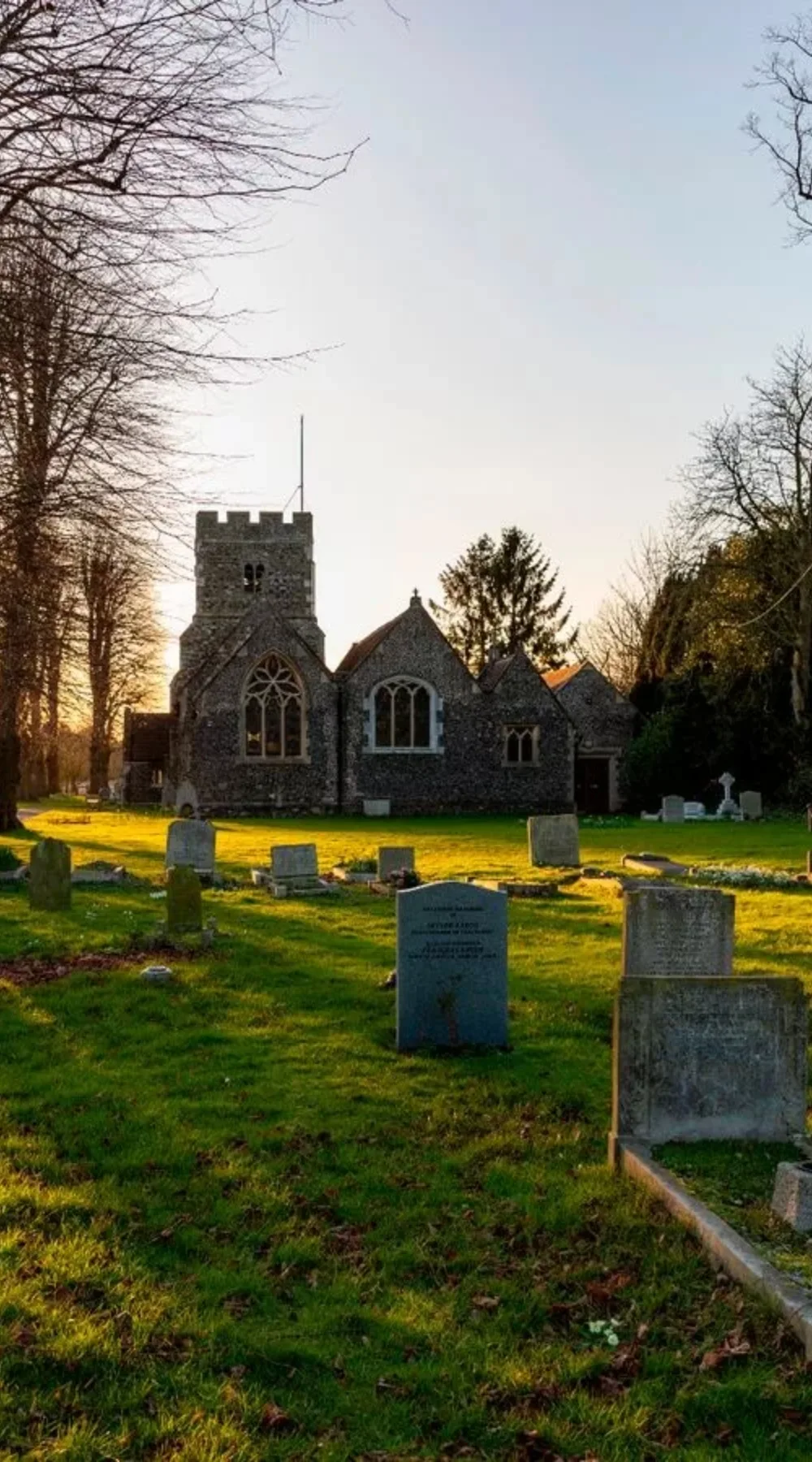
North Ockendon is one of the most secret villages within Greater London, and you can easily reach it by a short bus ride from Upminster station on the District line.
You’ll find nothing but quiet streets and houses in North Ockendon, in addition to the beautiful 14th-century Church of St Mary Magdalene.
If you’re looking for really hidden places at the end of the Tube, prepare to feel amazed by wide fields, long lanes and a true-blue rural feel.
London’s End of the Tube Lines: 19 Hidden Gems to Discover

There you have it – all the best hidden gems to discover at the end of London’s Tube lines!
You’ll hopefully have found here beautiful destinations whether you’re visiting London for the first time, the tenth, or living here.
Quiet streets lined with independent shops, small museums full of history, and parks adorned with secret churches and chapels…
These are all places that feel alive yet calm, with a mix of old buildings and gorgeous nature, in more secret neighborhoods than the likes of Mayfair, Covent Garden or Chelsea.
In addition, if you’re looking for other secret places to build your own bucket list, do check my guide to the best hidden gems in London.
I have also shared with you some really specific places I love visiting when I live in London, beautiful spots you may enjoy too: