

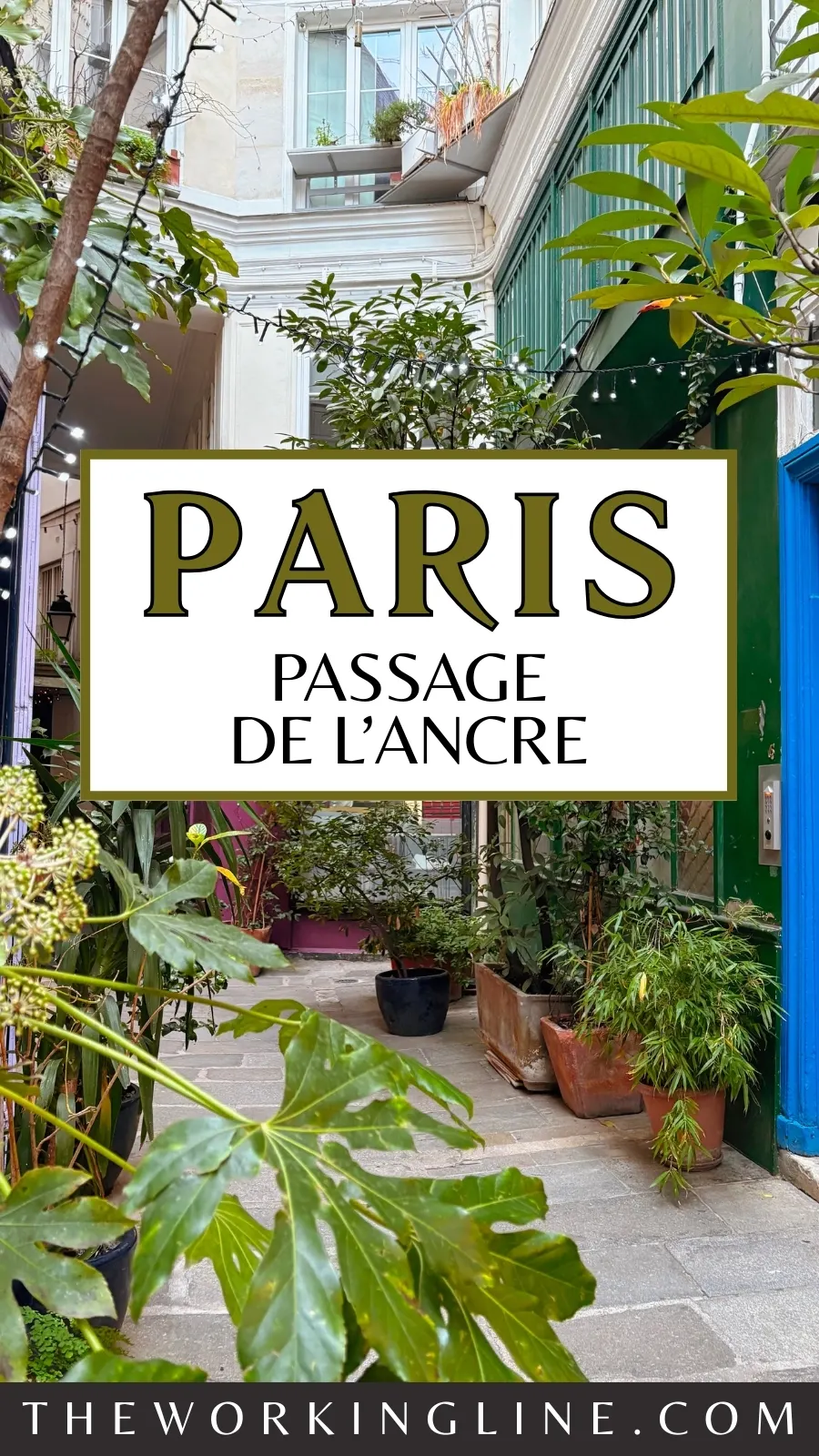
A local’s guide to visiting the secret Passage de l’Ancre in Paris close to Réaumur and Le Marais, one of the best hidden alleys in the 3rd arrondissement!
When you’re wandering through the beautiful, lively neighborhoods of Paris near Rue Montorgueil, the Sentier metro station, or Rue Réaumur, you’re also really close to so many secret passages.
I’m not just talking about the grand covered arcades I mention so often, like the Passage du Havre, the Passage des Panoramas, or the Galerie Vivienne.
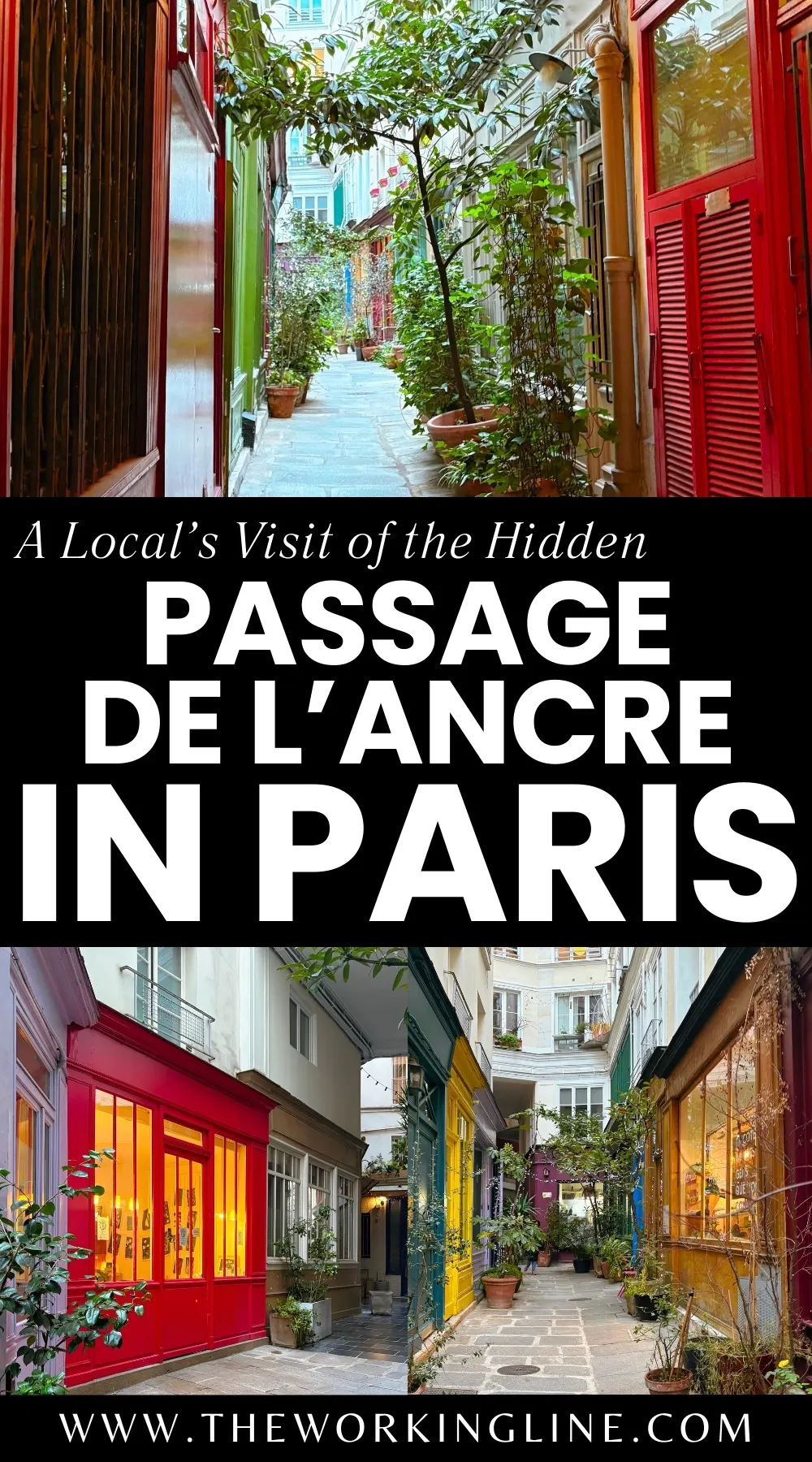
I’m also talking about those colorful alleys and secret villages that offer a bit of greenery, vintage storefronts, and an atmosphere that feels completely cut off from the Parisian hustle and bustle.
Today, we’re focusing on one of the most beautiful hidden spots in the city, the Passage de l’Ancre.
Passage de l’Ancre Paris, a Leafy Hidden Gem near Le Marais

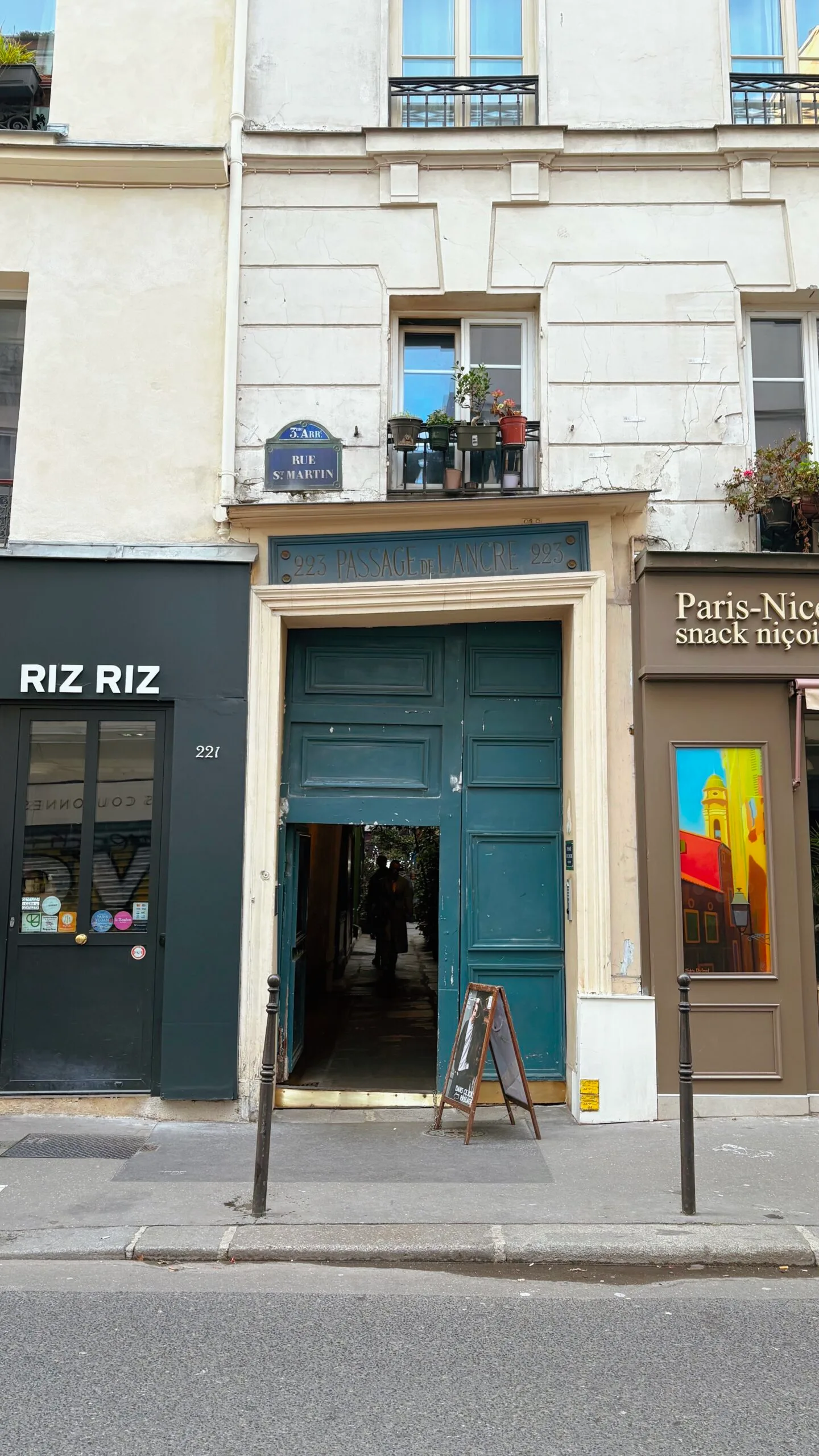
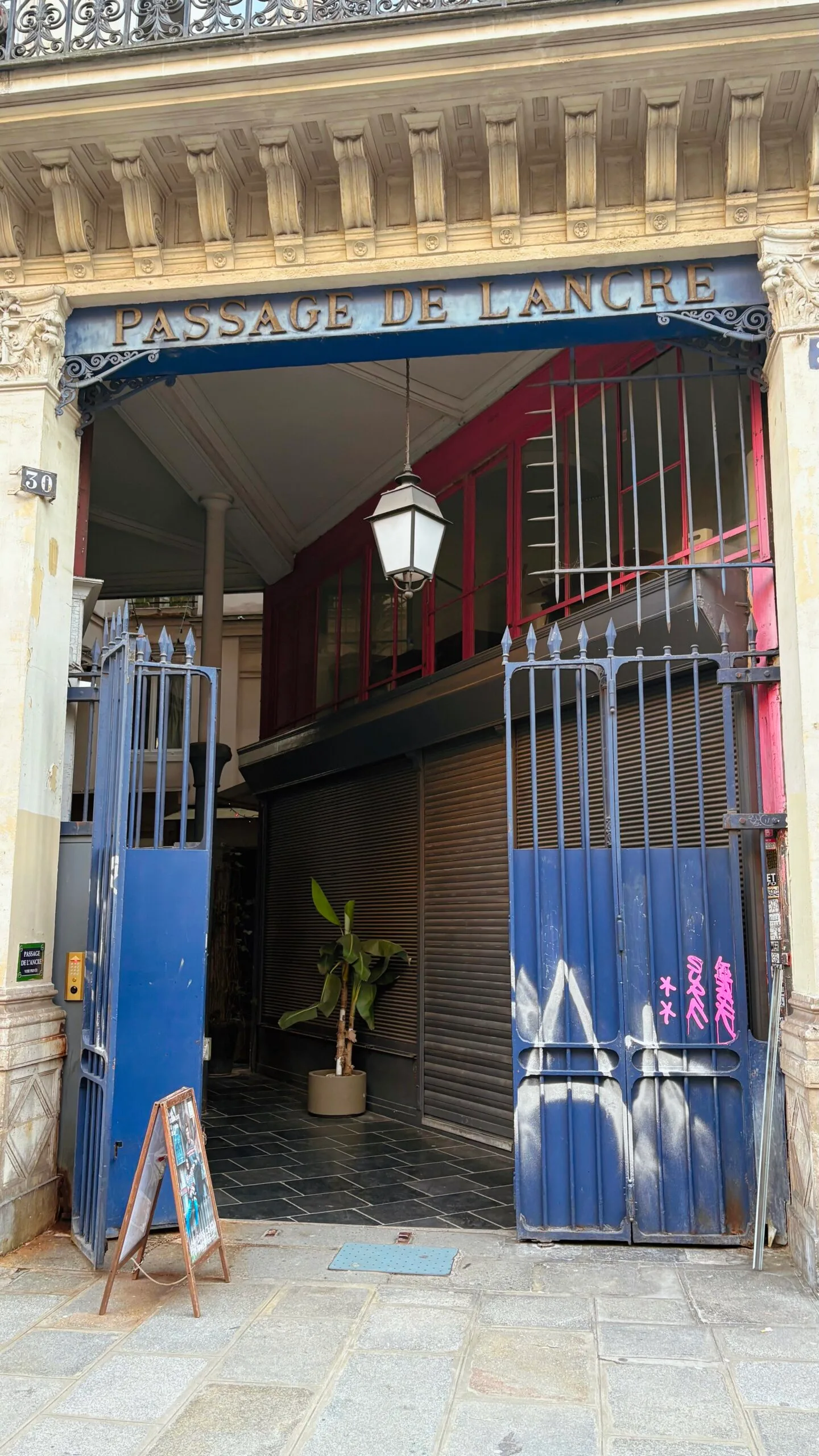
Located in the stunning 3rd arrondissement, the Passage de l’Ancre connects 223 Rue Saint-Martin and 30 Rue de Turbigo.

It’s right near the massive Louvre post office, which has some breathtaking industrial architecture.
It’s actually quite easy to get to the Passage de l’Ancre, whether you use the Réaumur-Sébastopol station, Sentier, or even Châtelet if you’re coming from a bit further away.
Read: 1st Arrondissement of Paris: The Best Places to Visit


It is technically a private passage, but it stays open during the day so anyone can discover it and read the sign at one of the entrances that explains its history.
This is actually one of the oldest passages in Paris, even if it might not look like it at first glance, as it has appeared on maps since the 1500s.


Back in the early 17th century, the Passage de l’Ancre was actually called the Passage du Puits, but it later took on the name Passage de l’Ancre Royale.
This new name was a nod to the sign of an inn that had just opened up right there in the alley.

When the Revolution hit, the name changed again to Passage de l’Ancre Nationale, before finally becoming just the Passage de l’Ancre starting in 1805.
The passage actually got a bit shorter in 1854 when Baron Haussmann created the Rue de Turbigo, which honestly just made the spot feel even more secret, hidden, and charming than it was before.

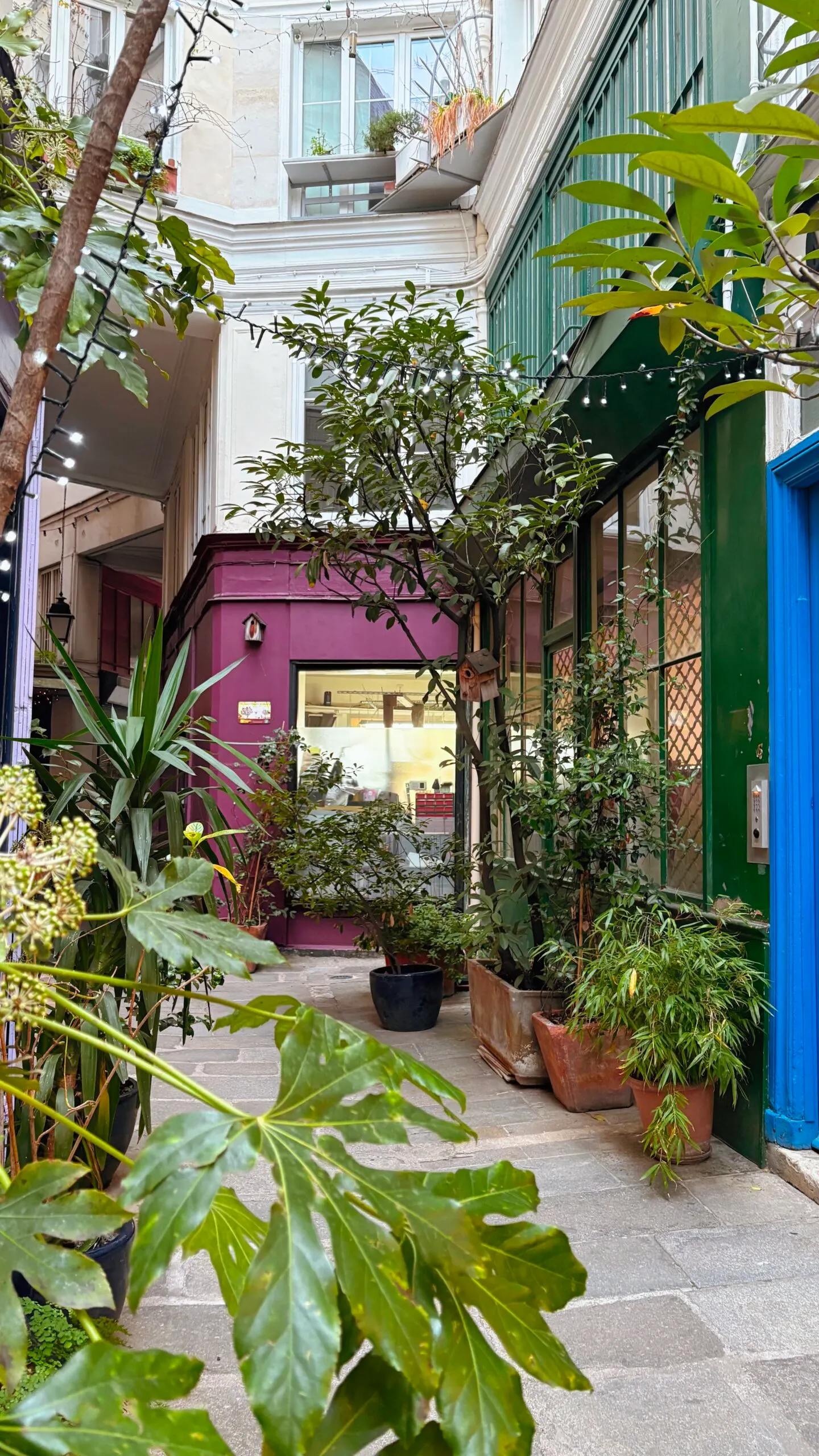
While it might be most famous today for being a very instagrammable spot, it is also a part of the darker side of Parisian history.
Back in 1942 during the Vel’ d’Hiv roundup, the passage was a witness to the arrest of several families living there on July 16th.

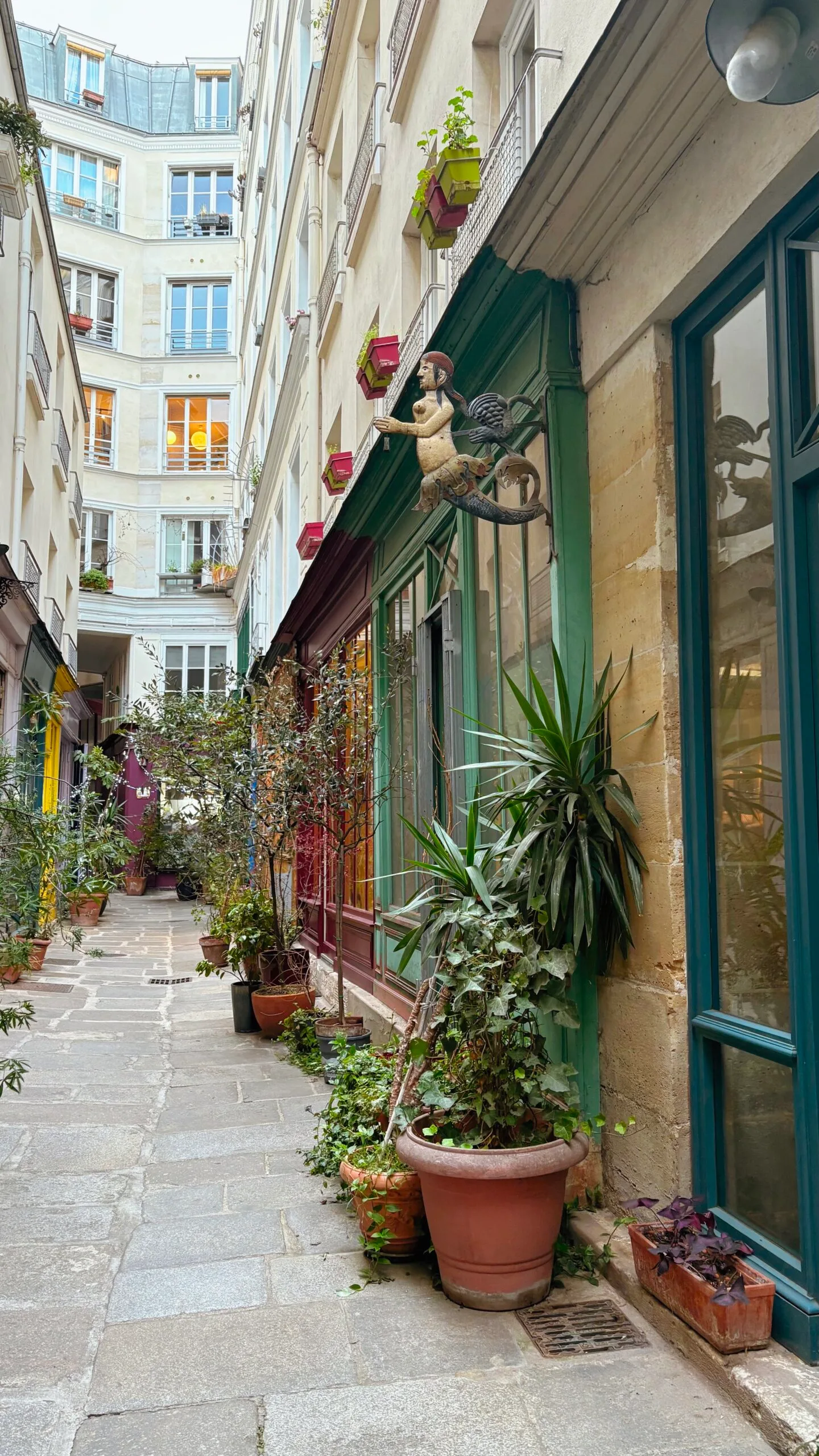
There is now a plaque at the entrance of the Passage de l’Ancre that commemorates the children from the alley who were deported and killed.
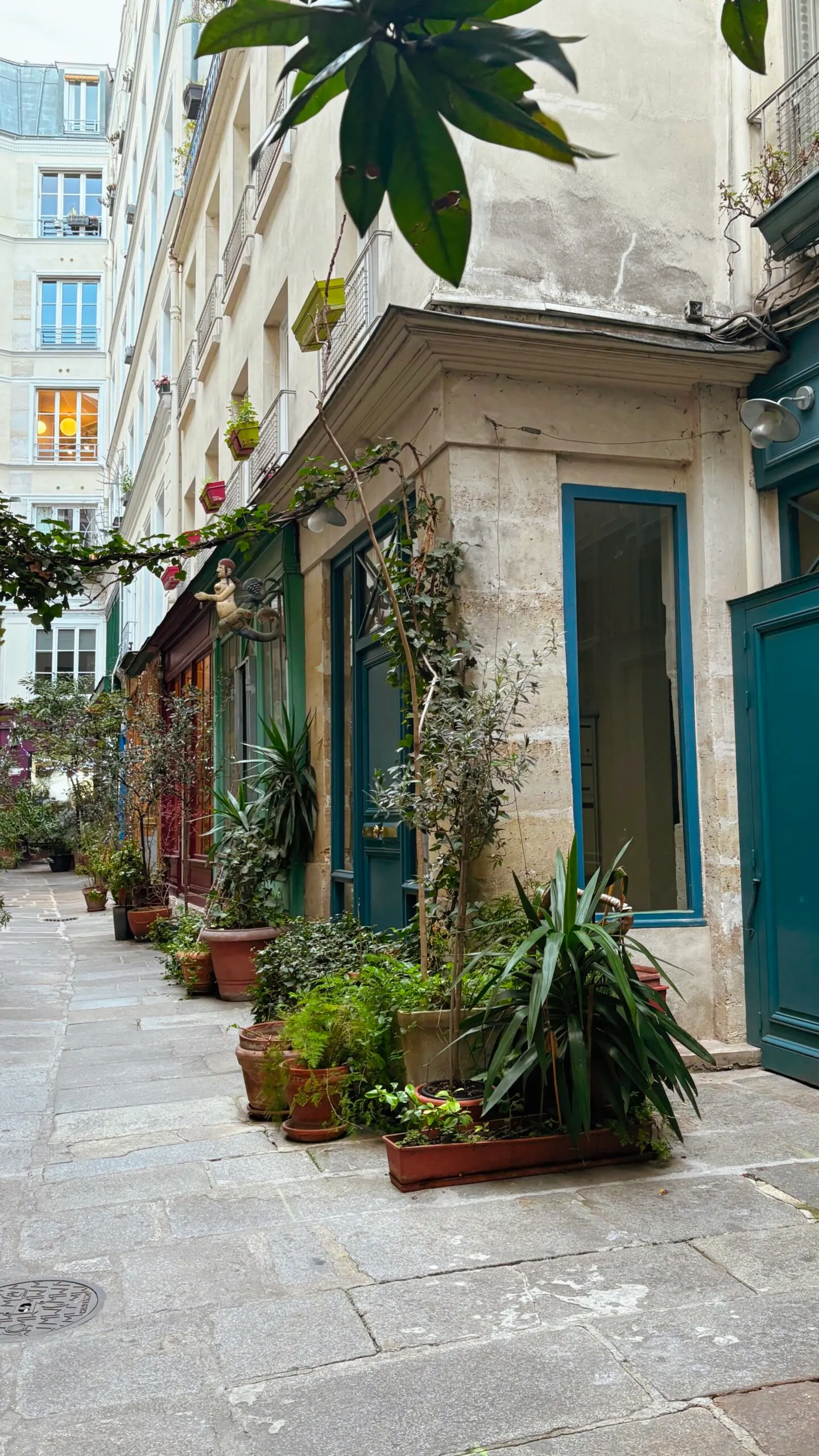
Since its early days, the passage has been home to small artisan workshops including gold-leafers, locksmiths, and engravers.

Today, it’s a mix of small offices and art studios decorated with colorful storefronts, with the same pretty vibe you can find at the literary Passage Molière close by.
Passage de L’Ancre Paris Photo Gallery


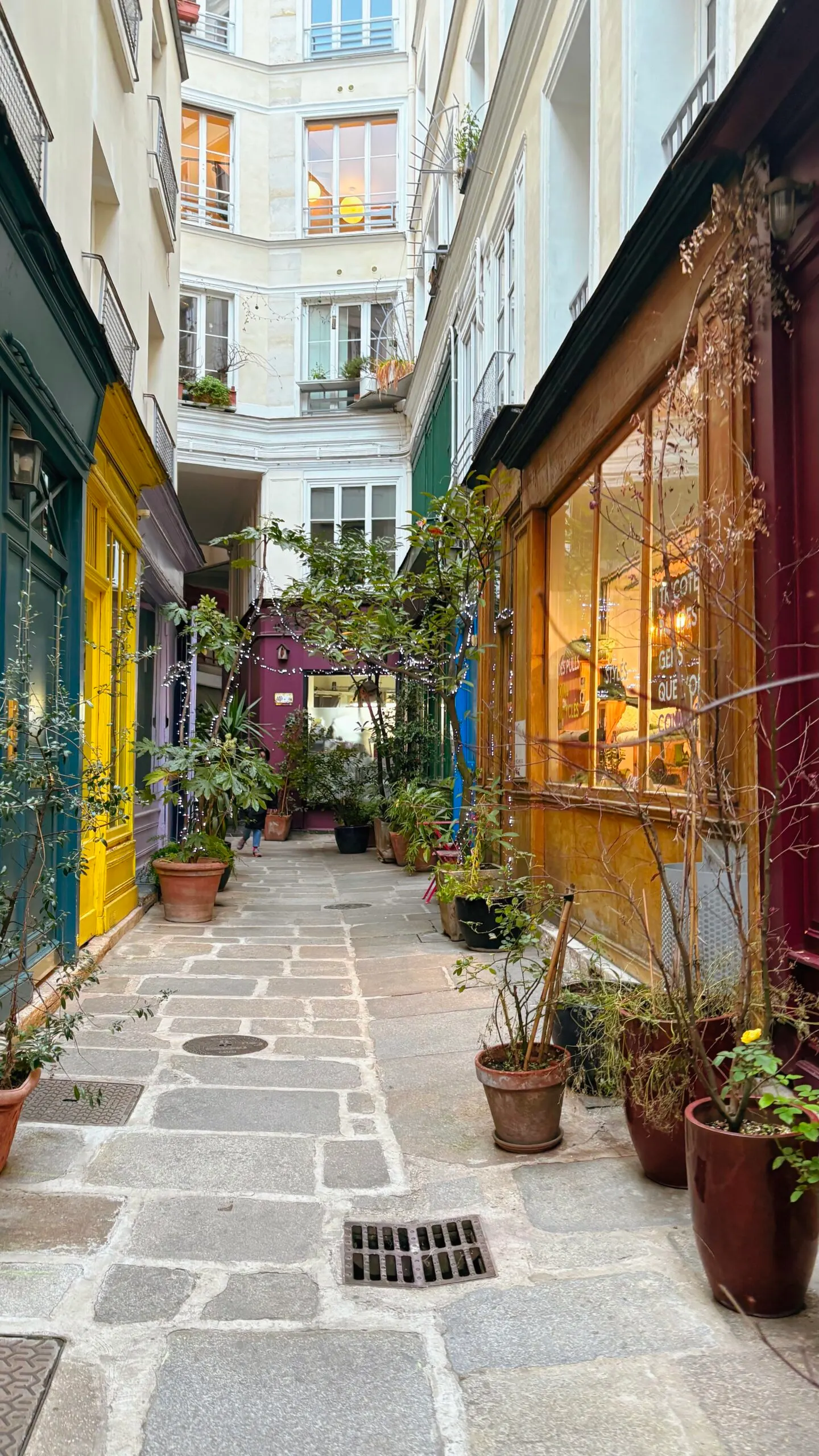

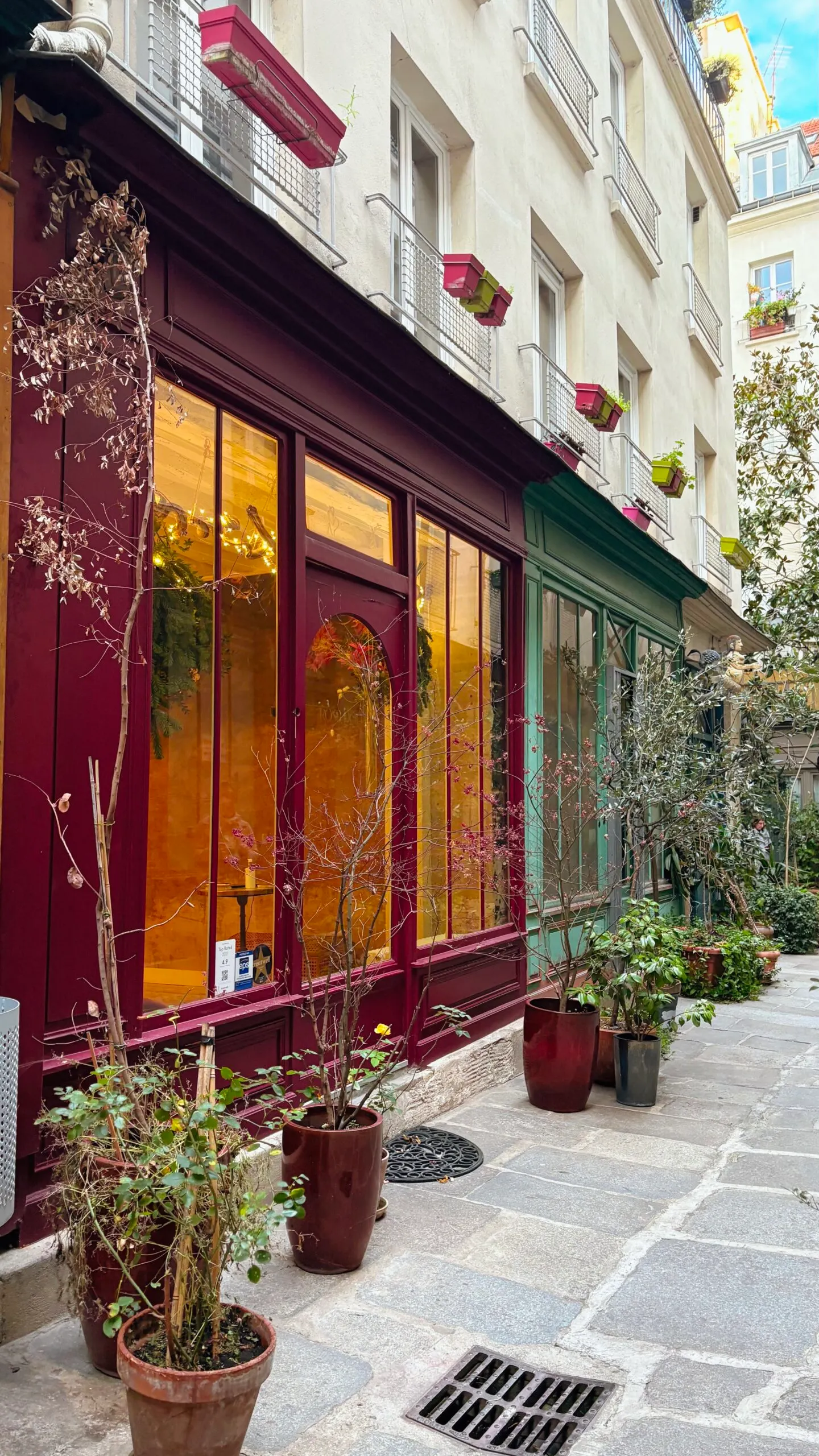

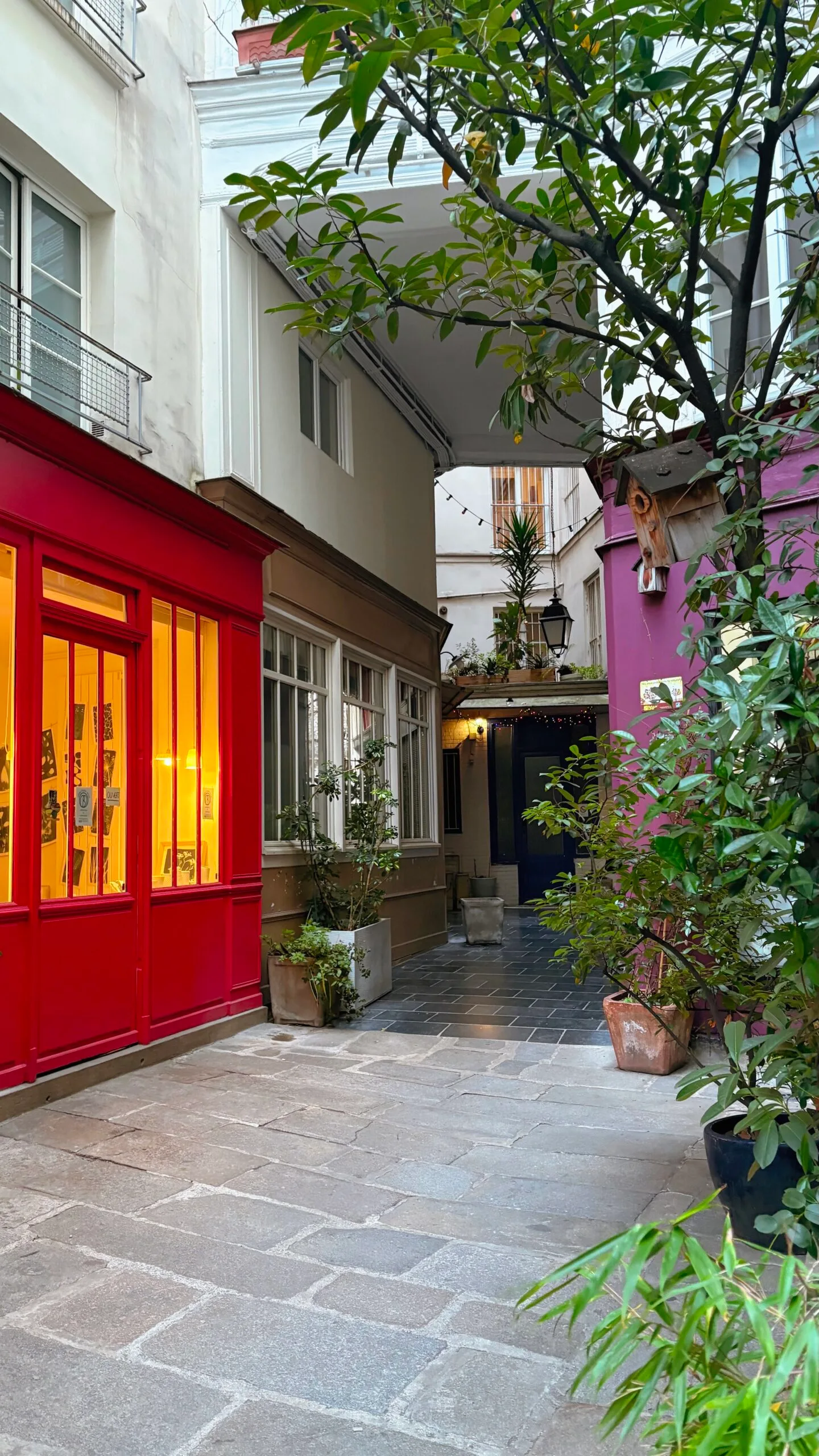
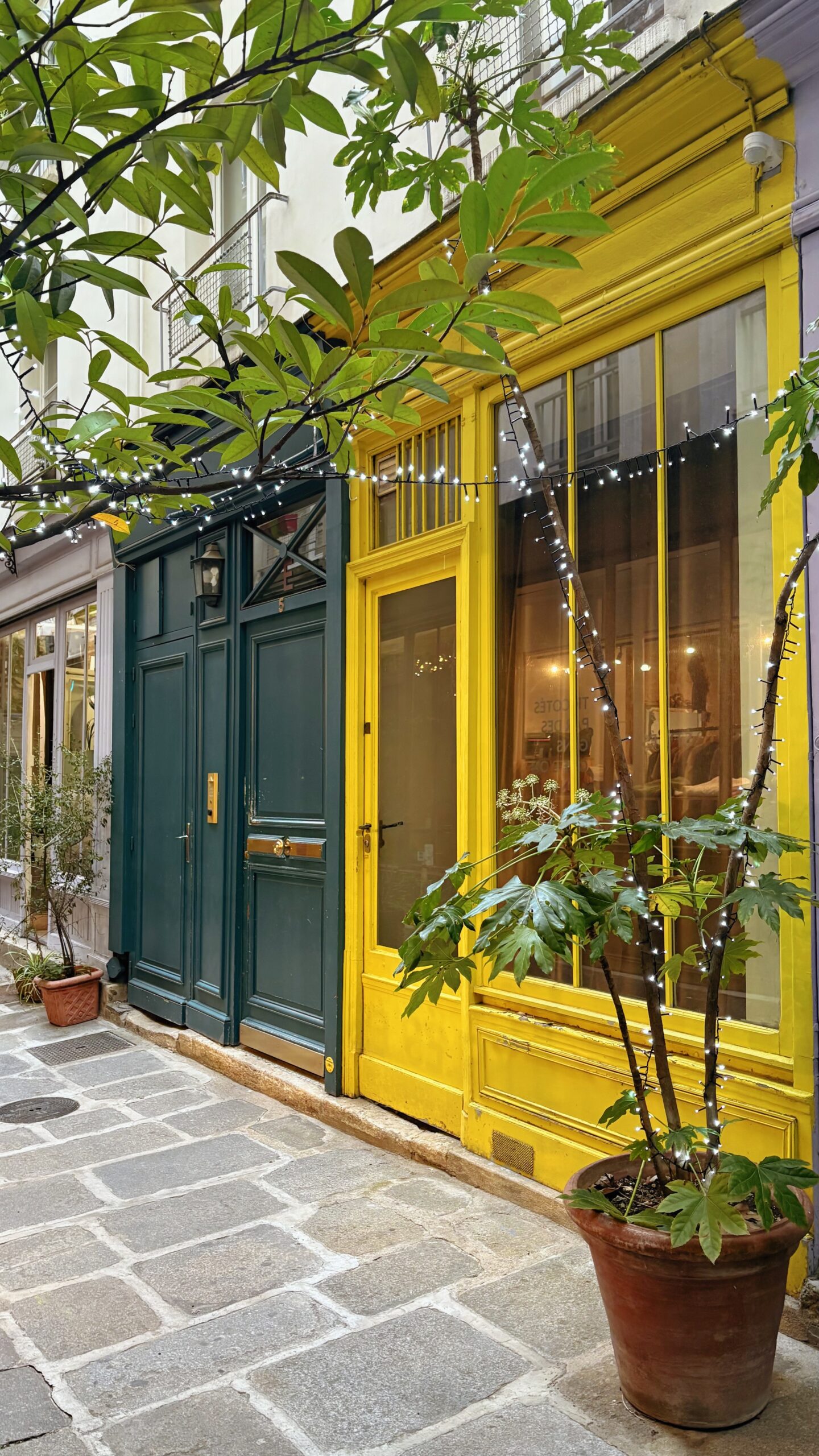
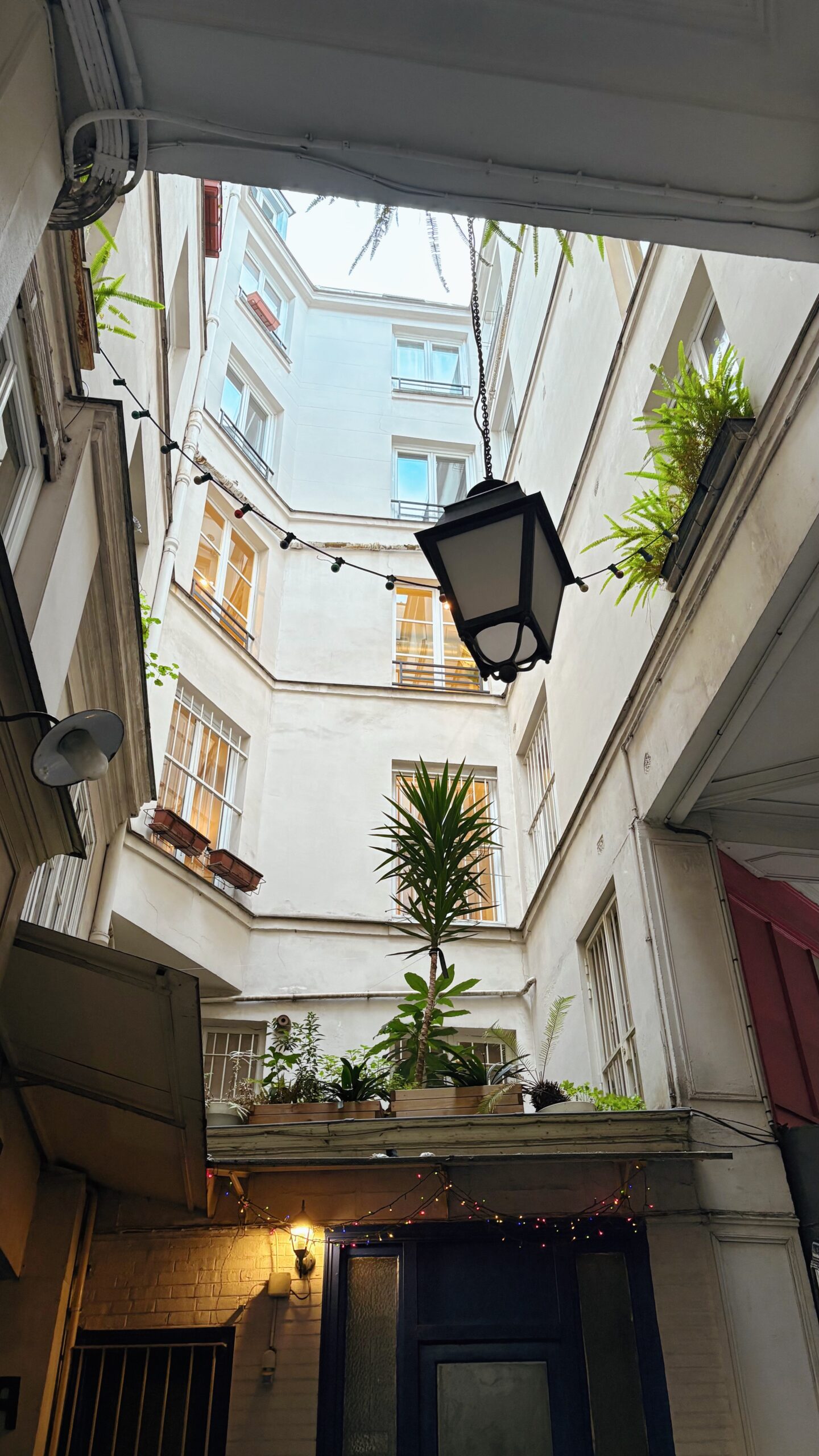
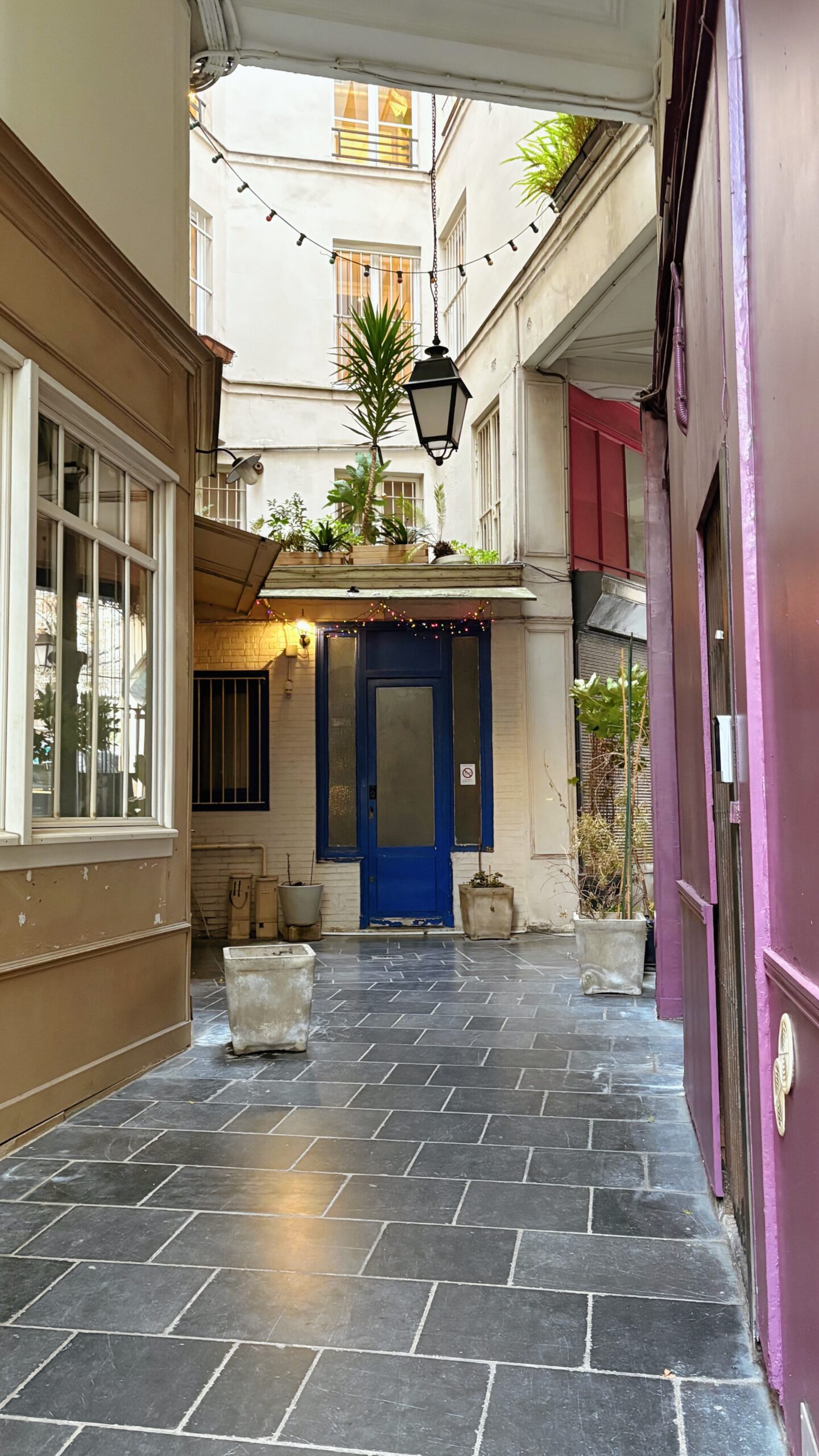
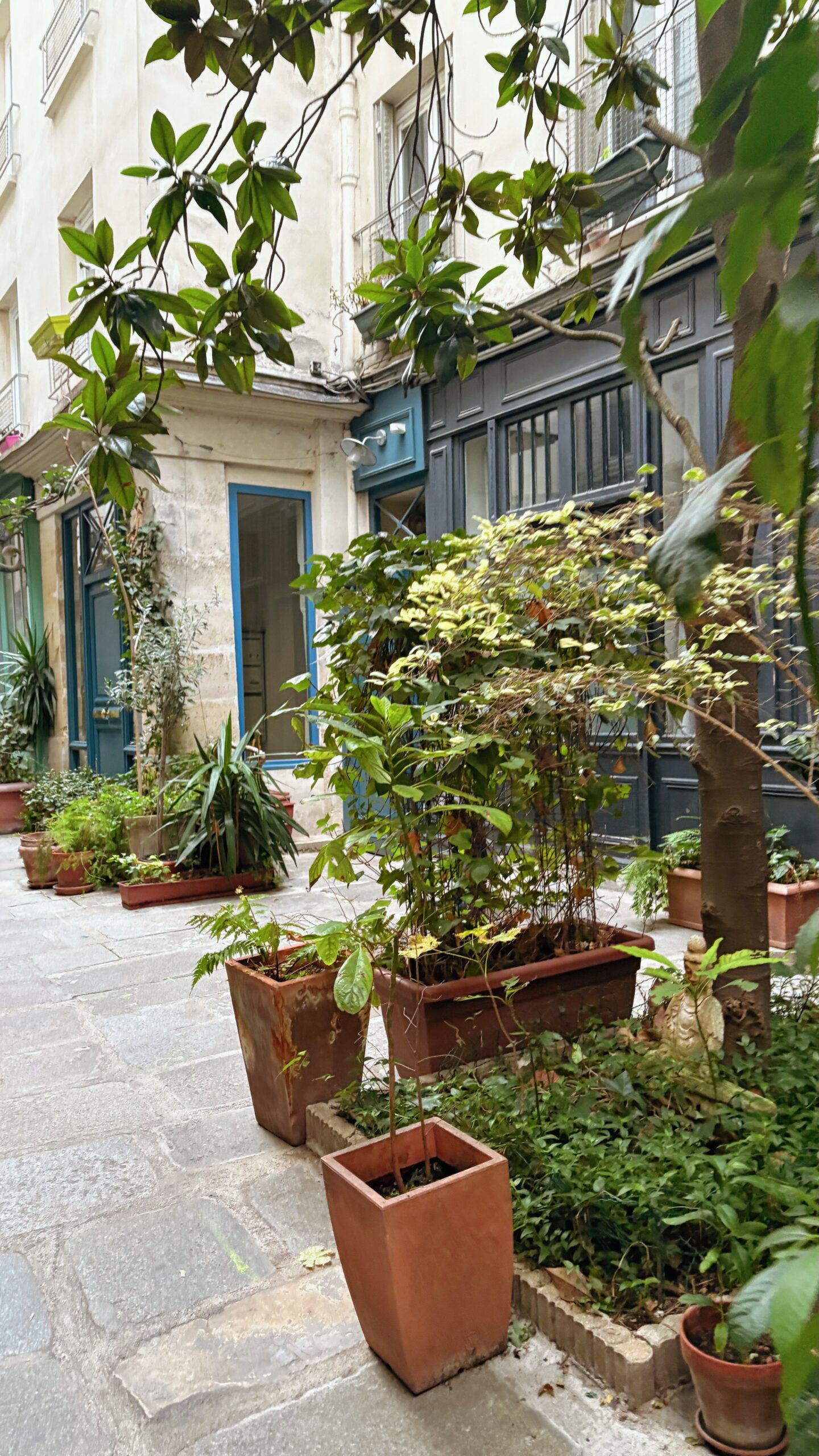
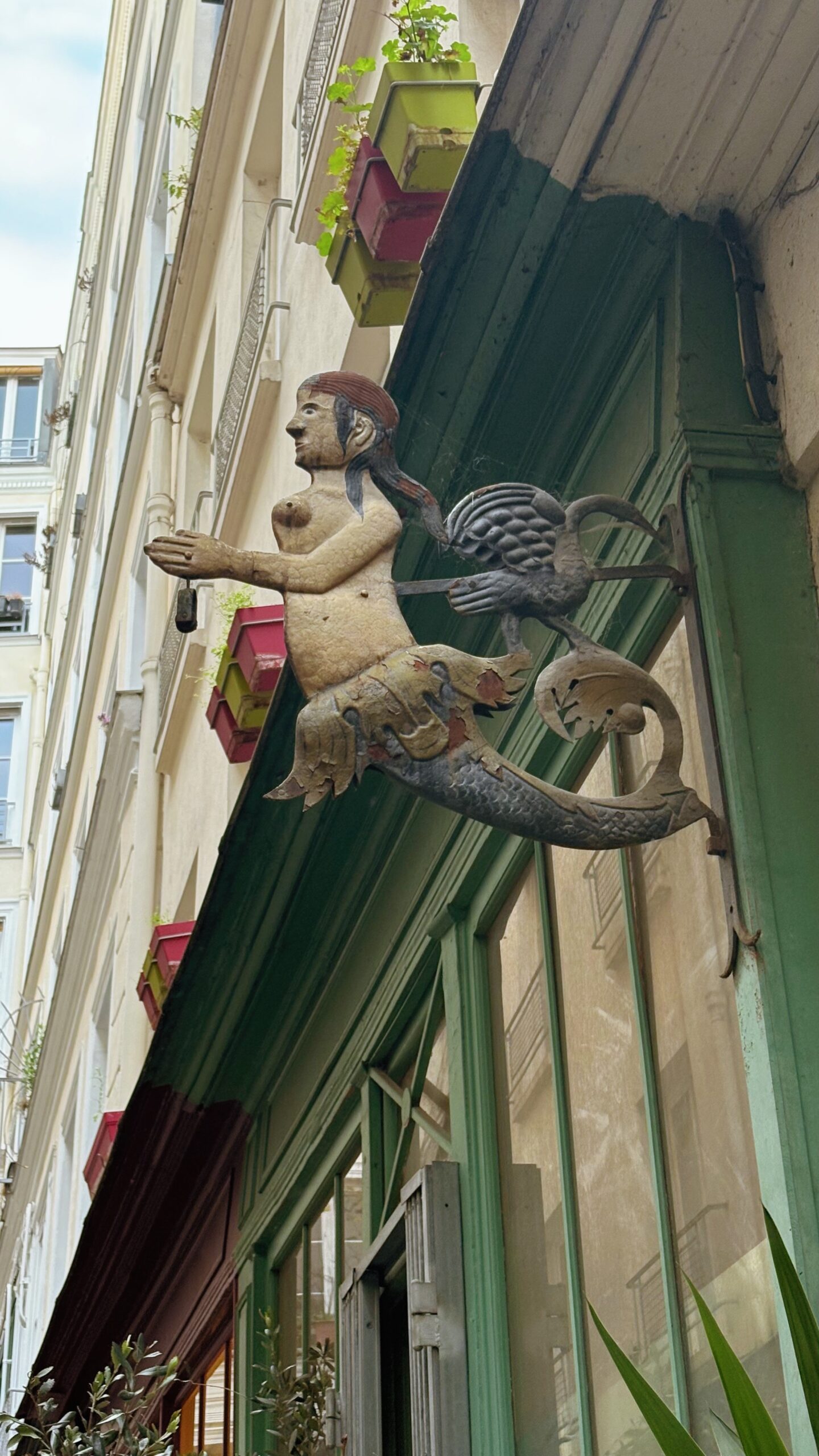
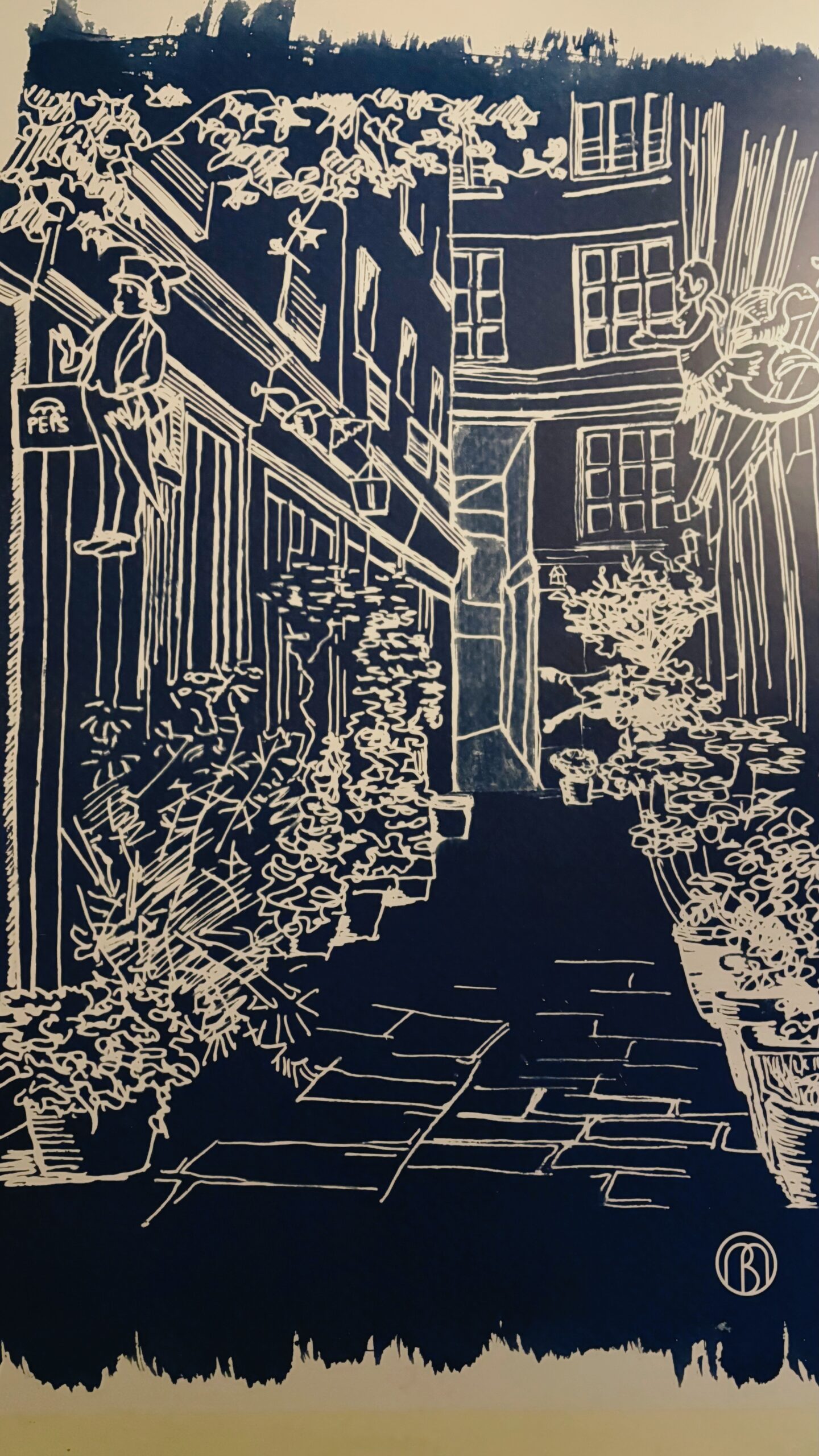
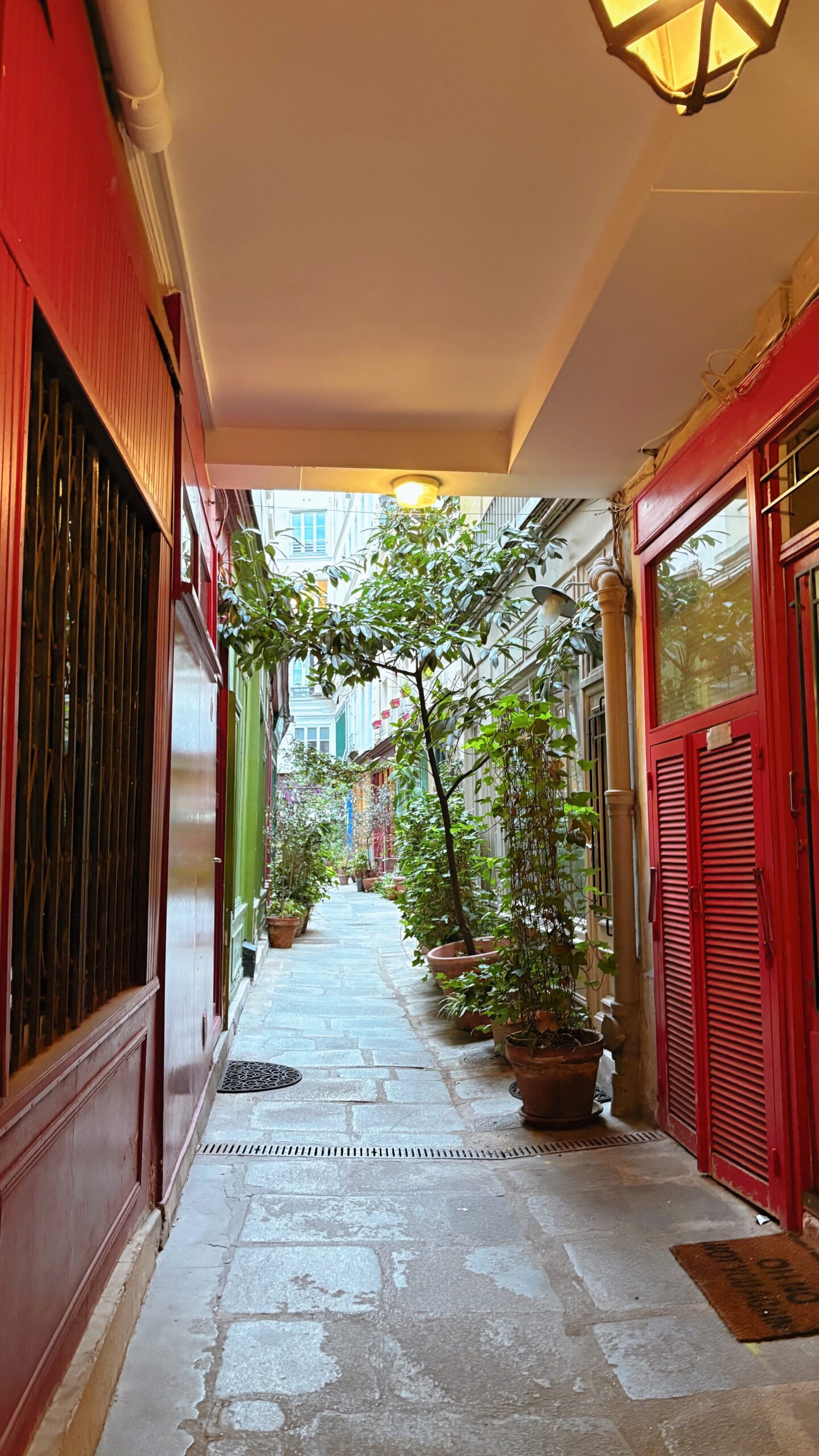
Passage de l’Ancre Paris, a Leafy Hidden Gem near Le Marais
Once you’re finished exploring the Passage de l’Ancre, you’ll find so many things to do nearby, and many of them are even free.
For example, you can check out the oldest stone house in Paris, the Nicolas Flamel House at 51 Rue de Montmorency.
The Centre Pompidou, the famous “fake windows” of Paris, the colorful Stravinsky Fountain, and the Cloître des Billettes in the Marais are all very close.
You can also stop by 61 Rue Réaumur to see a very curious and beautifully sculpted building.
If you’re looking for something a bit more nature-oriented instead, I’d suggest heading to Square Montsouris, Parc Montsouris, or the Jardin Saint-Lazare.
But if you want to find something in a similar style to the passage, why not head over to the 13th arrondissement to discover the gorgeous Quartier des Peupliers or the Cité Florale?
Passage de L’Ancre Paris
Address: 223, rue Saint-Martin, 75003 Paris
Website: Paris Je T’aime