


A local’s guide to disused stations in London visible from the outside, with hidden entrances, platforms and facades – no need to go underground to spot them!
If you’ve been here before, you’ll have noticed that it’s not hard to miss something in London.
A city this packed and over-layered, where every new era was built straight on top of the last, leaves behind hundreds of architectural fossils.
We’ve got lots of ruins in London, medieval sites and the odd historical shop, all waiting to be discovered behind a corner.
Some of the most fascinating of these secret spots are the remains of disused stations, which used to be part of the Underground; ghost stations you can still see, even if just from the street.
11 London Disused Stations You Can Still Spot Today

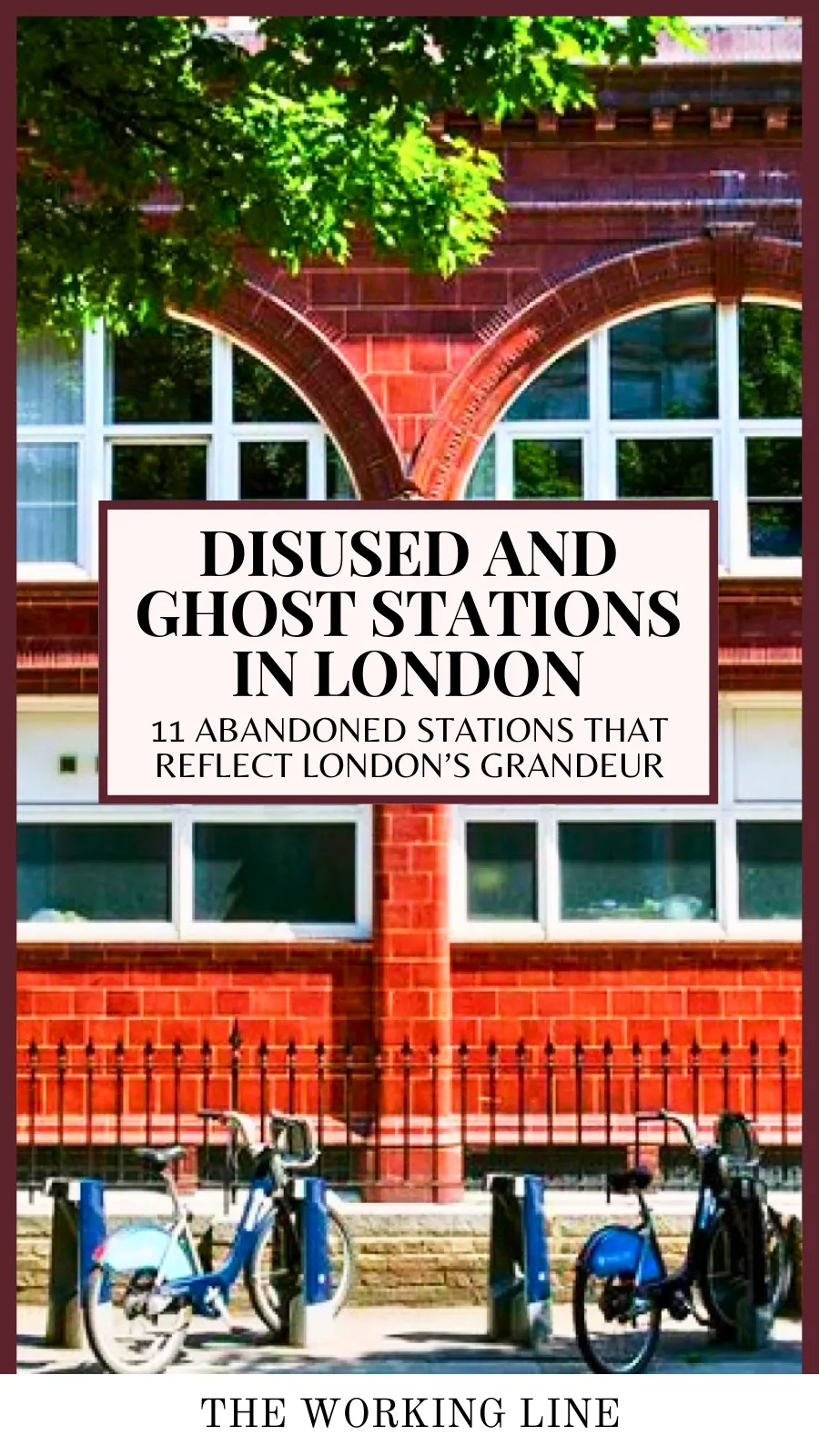
There are more than forty disused stations around the capital: stations built and abandoned during different transport booms, wartime closures, or shifts in city planning.
If the most famous on social media (understand: Pinterest) is probably the Aldwych station, others still peek out.
Forgotten by most, these ghost stations are just visible enough to recognize them if you know what you’re looking for, and lend themselves to a picture or two before you leave 🙂
All of these former underground stations shut due to one or more of three reasons: less and less ridership, changes to the Tube network, or wartime requisitioning.
Lots of them were later repurposed and have become unique coffee shops or shops, or just boarded up rather than demolished by the city.
Old Disused Stations in London: Down Street Station (Mayfair)

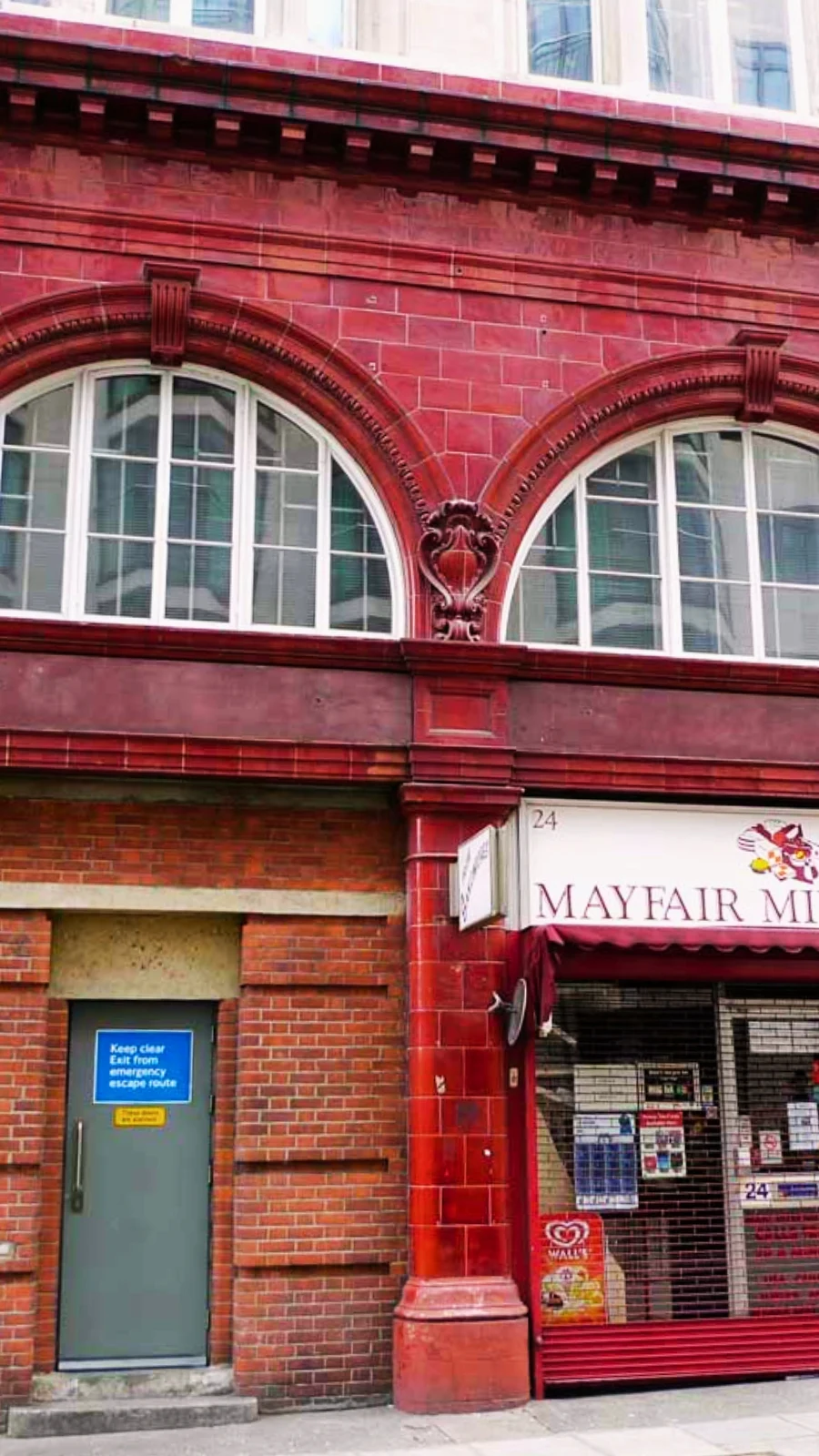
Right in the heart of the gorgeous Mayfair area, tucked between luxury hotels and secret gardens, sits the entrance to a once-functioning Piccadilly Line station.
Opened in March 1907, Down Street station closed to passengers only 25 years later in 1932, due to low use – locals preferred nearby Green Park and Hyde Park Corner stations.
However, its real story came during World War II, when Churchill and his War Cabinet used it as a secret underground shelter, complete with bedrooms, bathrooms, and offices.
Located between Green Park and Hyde Park Corner, Down Street Station might be completely disused, but we can still see the oxblood-red tiled facade when walking past it.
It’s sealed up but fully intact, and one of the clearest examples of a forgotten station hiding in plain sight.
Old Disused Stations in London: Aldwych Station (Strand)

I told you about Aldwych Station when I showed you some of the most secret historical buildings in London I came across while walking around.
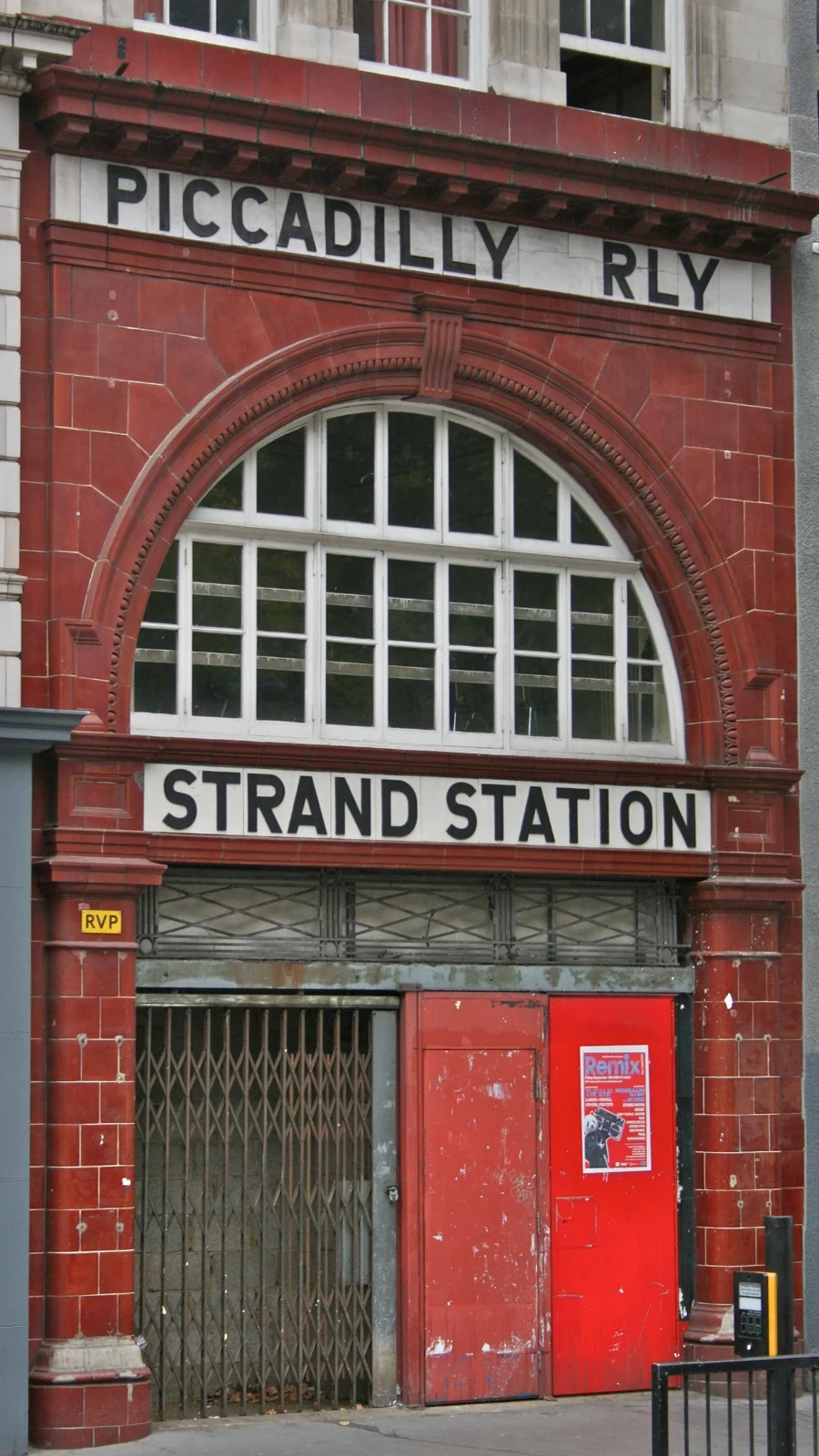
Aldwych Station has a rich history, and you’ll find it at the corner of The Strand and Surrey Street.
Do walk down Surrey Street and you’ll find gorgeous buildings with frescoes and faded colors.
Aldwych is one of the most well-known disused stations in London.
Not because it was busy in its day – it never had more than one platform open at a time – but because of its second life as a film and TV location. It’s been in Atonement, V for Vendetta, and Sherlock.
It opened in 1907 as Strand station, was renamed Aldwych in 1915 and shuttered permanently on September 30, 1994.
The entrance is still a gorgeous fragment of Edwardian transport history, and a really cool hidden gem to walk past when you’re coming from Fleet Street and making your way down to Trafalgar Square and Covent Garden.
Old Disused Stations in London: British Museum Station (Bloomsbury)

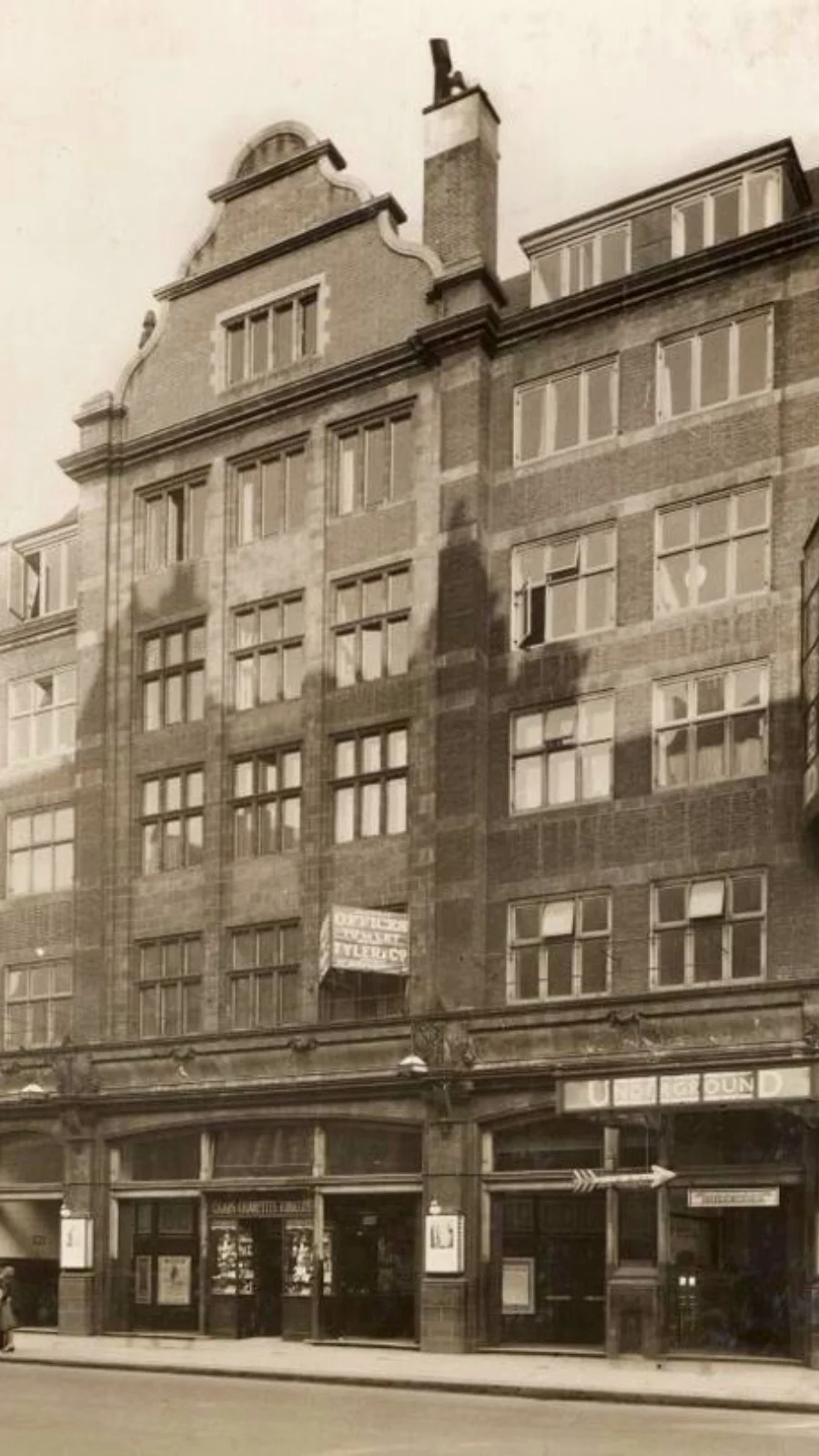
This one is more urban legend than sightseeing opportunity, but there are still a few traces if you look carefully.
British Museum station opened in 1900 on the Central line, and the day after Holborn station expanded with a Central Line connection, it closed, on September 24, 1933.
The original entrance was on Bury Place, and if today, it’s a nondescript building with no real signage, its shape and placement still match historical photos.
It makes for one of those quirky gems of London’s past we walk past without recognizing them.
Old Disused Stations in London: Crystal Palace Subway and High-Level Station

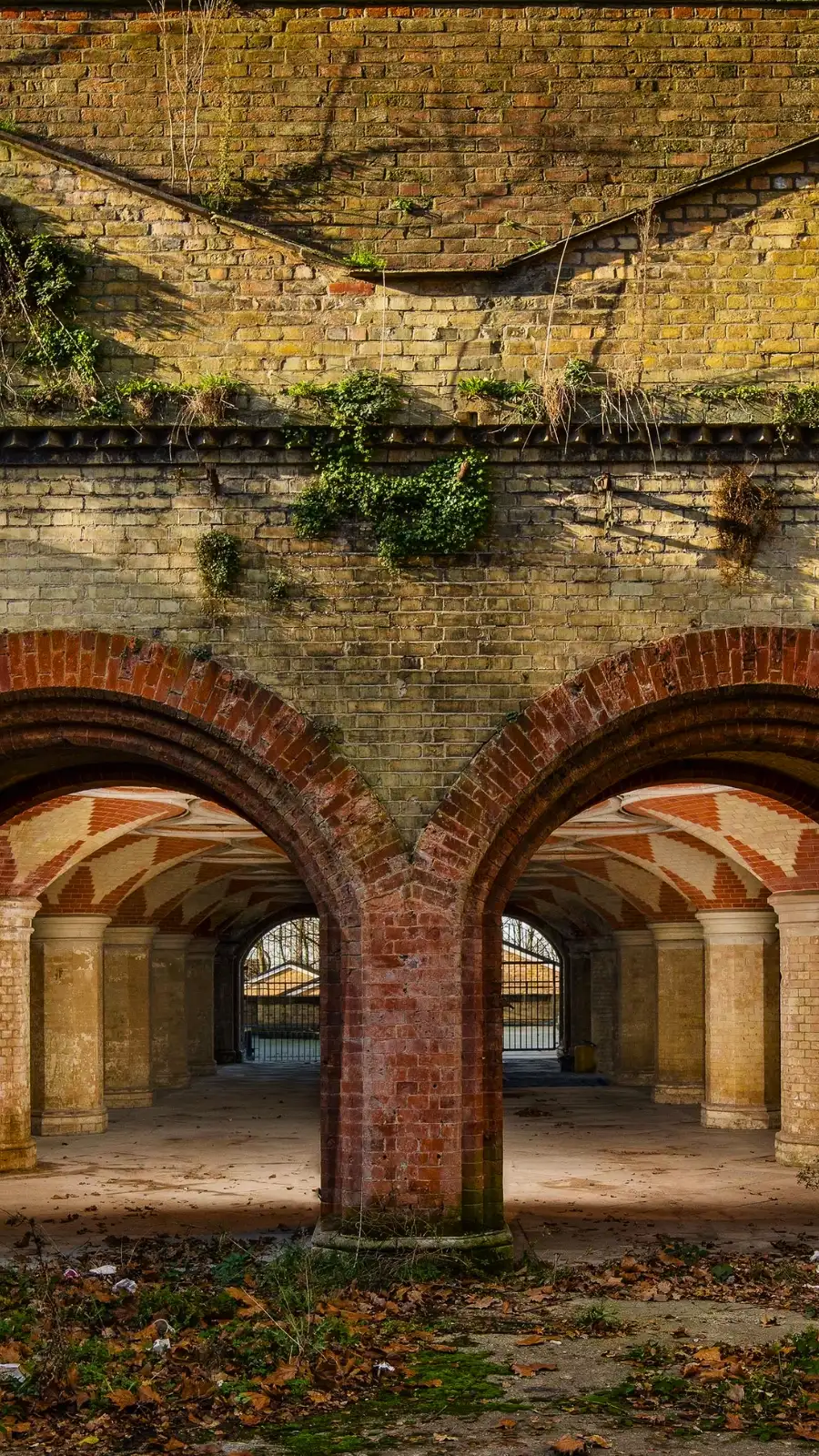
Not far from the terraces and other hidden spots of Crystal Palace Park lies one of the most surreal remnants of Victorian London; hidden in plain sights!
The Crystal Palace Subway was built in 1865 to connect the famous glass exhibition hall that stood on Sydenham Hill to another ghost station, Crystal Palace High-Level Station near Anerley Hill.
The underground passage, a vaulted red-and-cream brick passage, was meant to blow your mind even before you entered the main attraction.
Following the 1936 fire that destroyed Crystal Palace and damaged the station, and decades of decline, the station itself closed in 1954.
The Crystal Palace Subway is open occasionally for tours, but you can still see the entrance archway when you peak through the railings, walking down Crystal Palace Parade.
When you’re done visiting, make your way down to West Norwood.
You will find plenty of vintage shops and secret cafes there (Colairo’s!), and even unique shops that blend retro, plants and books like The Vaults Collective.
Find here my full review of The Vaults Collective to learn more about this wonderful cafe, plant and homeware shop.
You can also read my review of Colairo’s Cafe Deli for gorgeous floral and vintage vibes, red velvet doughnuts and delicious chai latte.
Old Disused Stations in London: North Woolwich Station (Docklands)

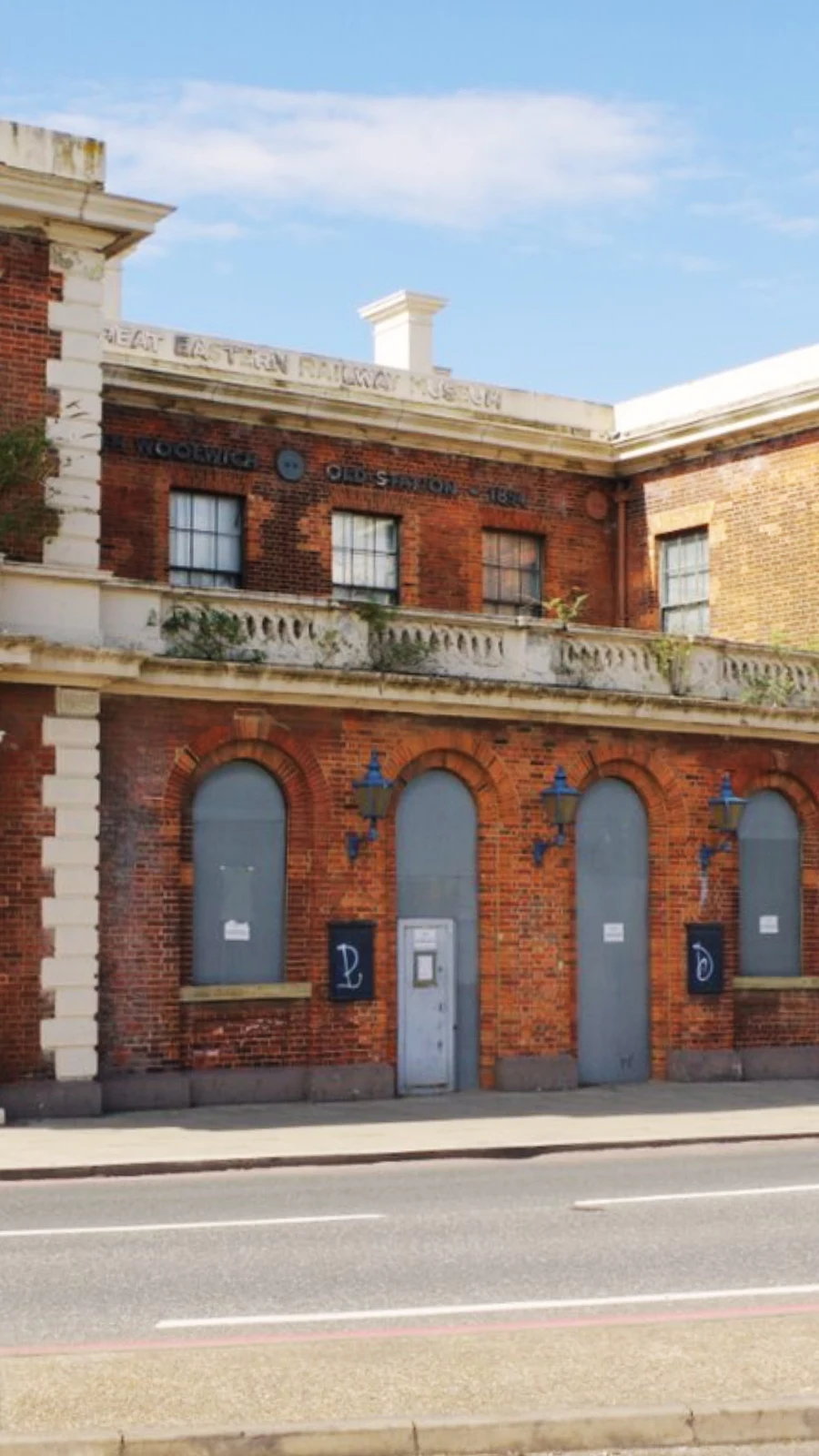
This is one of the rare examples where the entire station building still exists – we may be far from Central London streets, but the original Victorian building is still visible from the street, and gorgeous.
North Woolwich opened in 1847 and was used until 2006, when the line was cut back.
Today, the original redbrick building survives, previously home to the North Woolwich Old Station Museum.
The museum is closed too, but there, on Pier Road, we can still see heritage signage and platform remnants, even if it’s no longer an active station.
Old Disused Stations in London: Brompton Road Station (Knightsbridge)

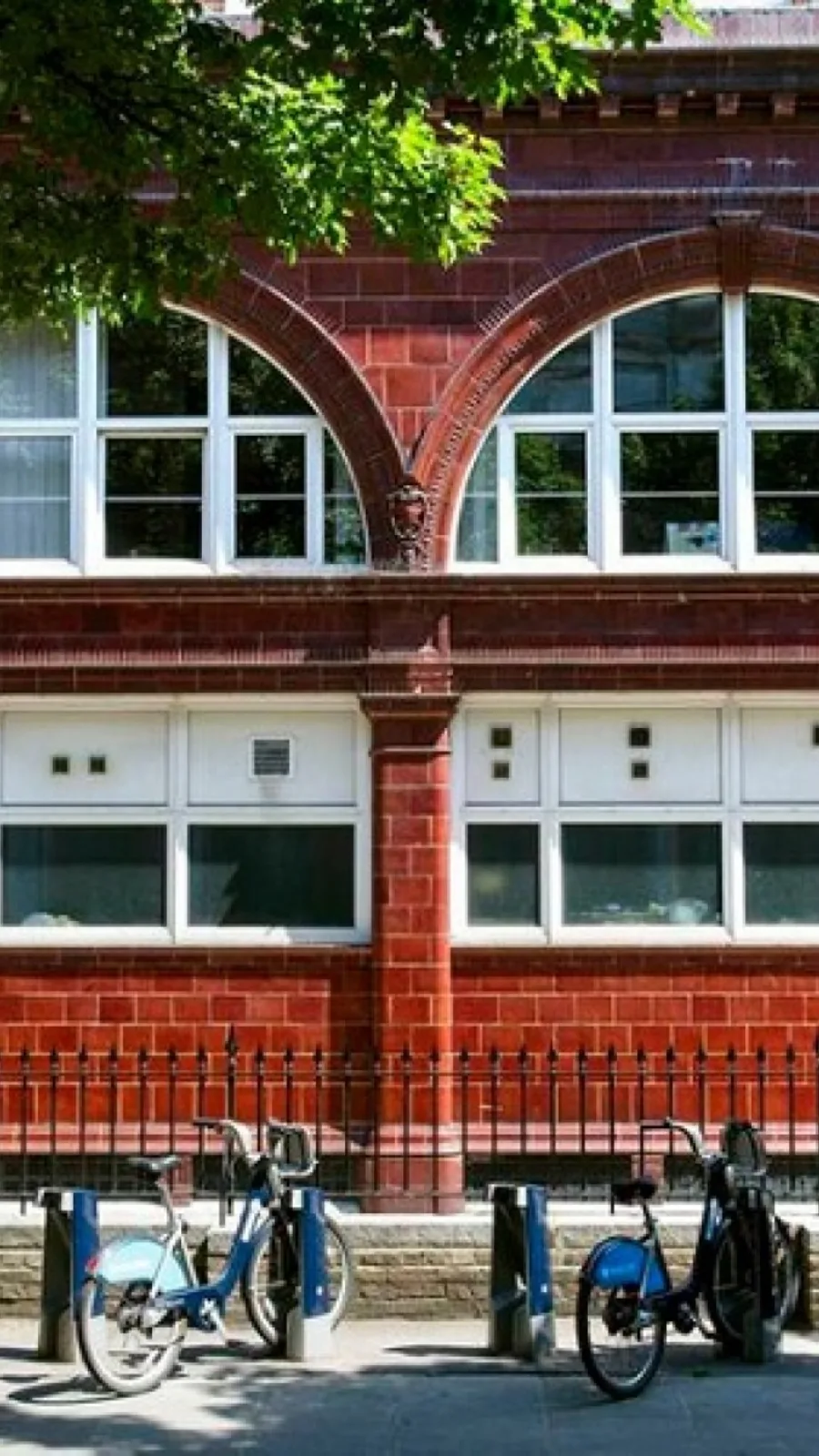
Like Down Street, Brompton Road in Knightsbridge was a low-use Piccadilly line station that found new purpose during the war.
Opened in December 1906, Brompton Road closed in 1934 but was taken over by the War Office as a military command centre.
You can still spot the distinctive Leslie Green facade on Brompton Road, near the junction with Cottage Place.
If you’re walking around Knightsbridge, aside from popping by Harrods and Elan Cafe, make sure you try to spot Brompton Road Station.
At times, it’s partly hidden behind construction barriers, but the tiled frontage remains visible and makes for another historical site to visit if you’re looking for traces of London’s past.
Old Disused Stations in London: York Road Station (King’s Cross)

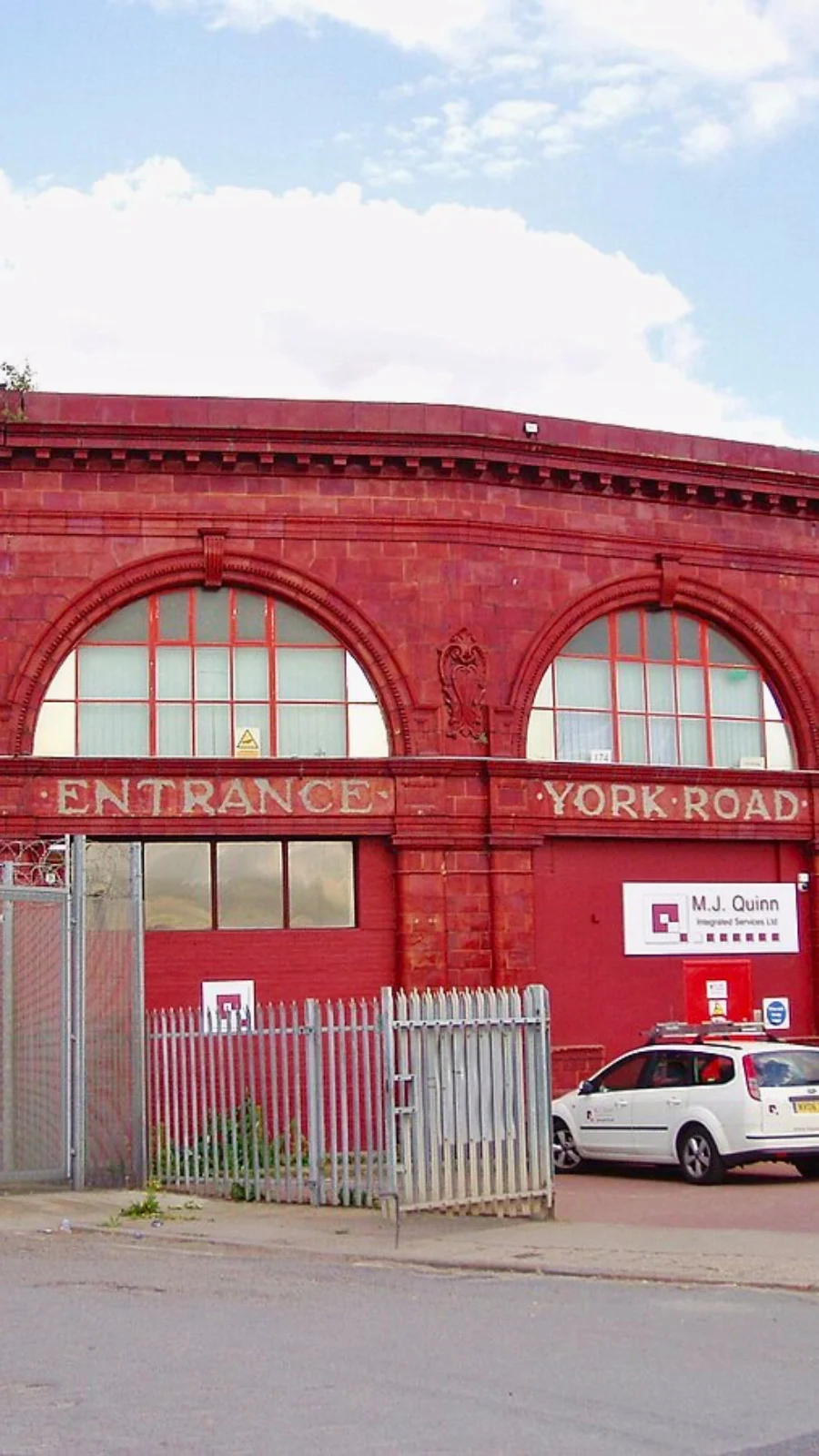
This one’s a blink-and-you-miss-it moment just north of King’s Cross station, and not that far from Coal Drops Yard and Granary Square.
York Road opened in 1906 and closed in 1932, coinciding with the Piccadilly Line extension to Arnos Grove and low footfall levels.
The glazed red tiles on York Way are a shell now, partially covered in graffiti, and it’s one of London’s quietest and most overlooked disused stations.
Old Disused Stations in London: South Kentish Town (Camden)

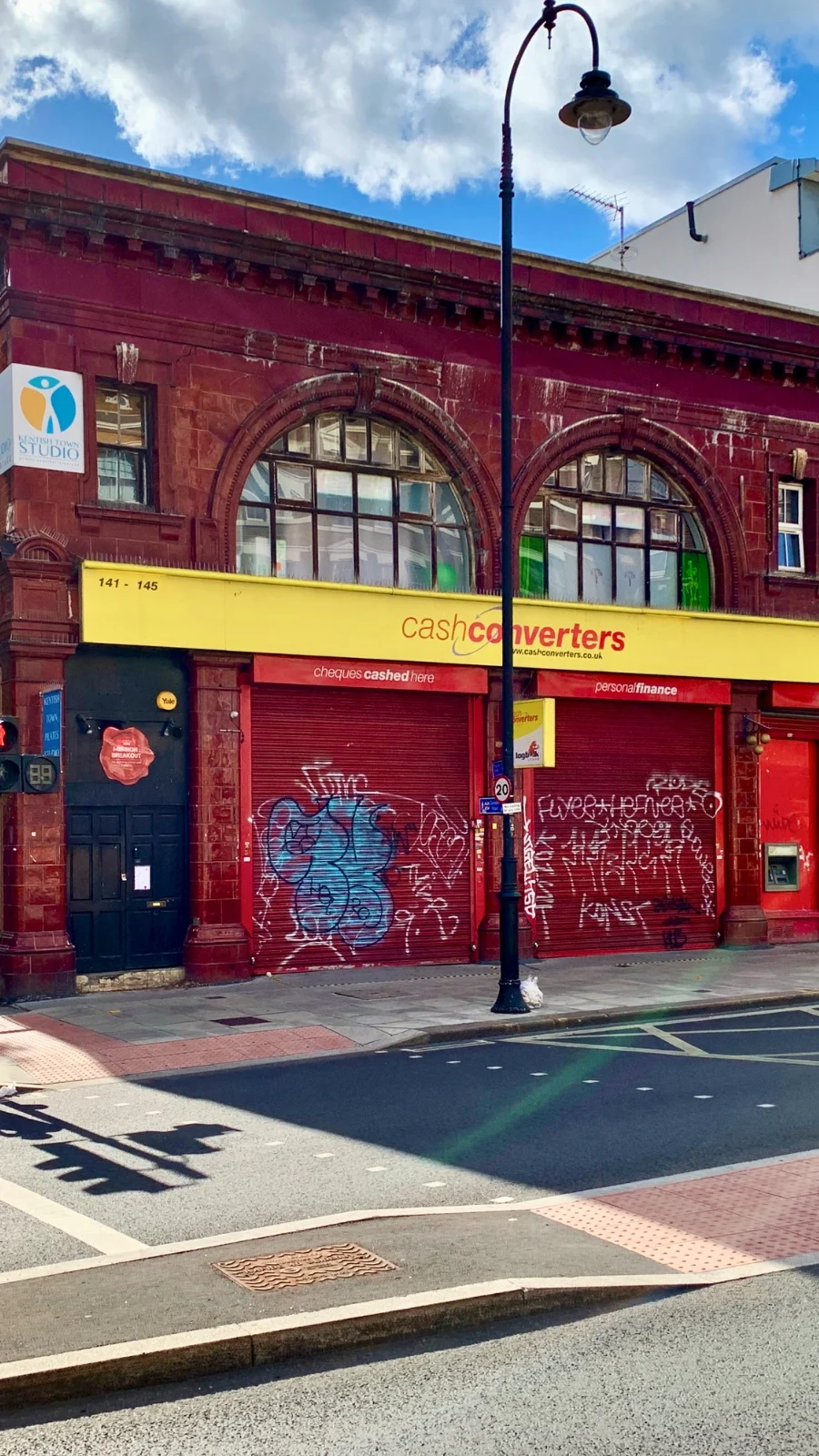
I have to admit that when I pop by Kentish Town, it’s mostly for its secret colorful houses, its cafes and the odd street art piece (like the Simpsons mural!).
Only open from 1907 to 1924, South Kentish Town Station was closed due to consistently low passenger numbers in a mostly residential area.
The station entrance survives on Kentish Town Road, and if the tiled frontage is now mostly boarded up, it’s still mostly intact.
A great spot to visit before (or after) spending some time in nearby Camden Town if you feel you’ve seen enough markets and shops for the day and would like to see quieter spots.
Ghost Stations in London: Southwark Park Station (Rotherhithe)

It’s no secret that the Rotherhithe area is one of my favorite to tread in London; how many times have I talked about it, here!
Not only is it gorgeous for maritime sights, but Rotherhithe is also one of London’s old industrial neighborhoods, where you can see former factories turned into apartments, and old signage decorating the entrances.
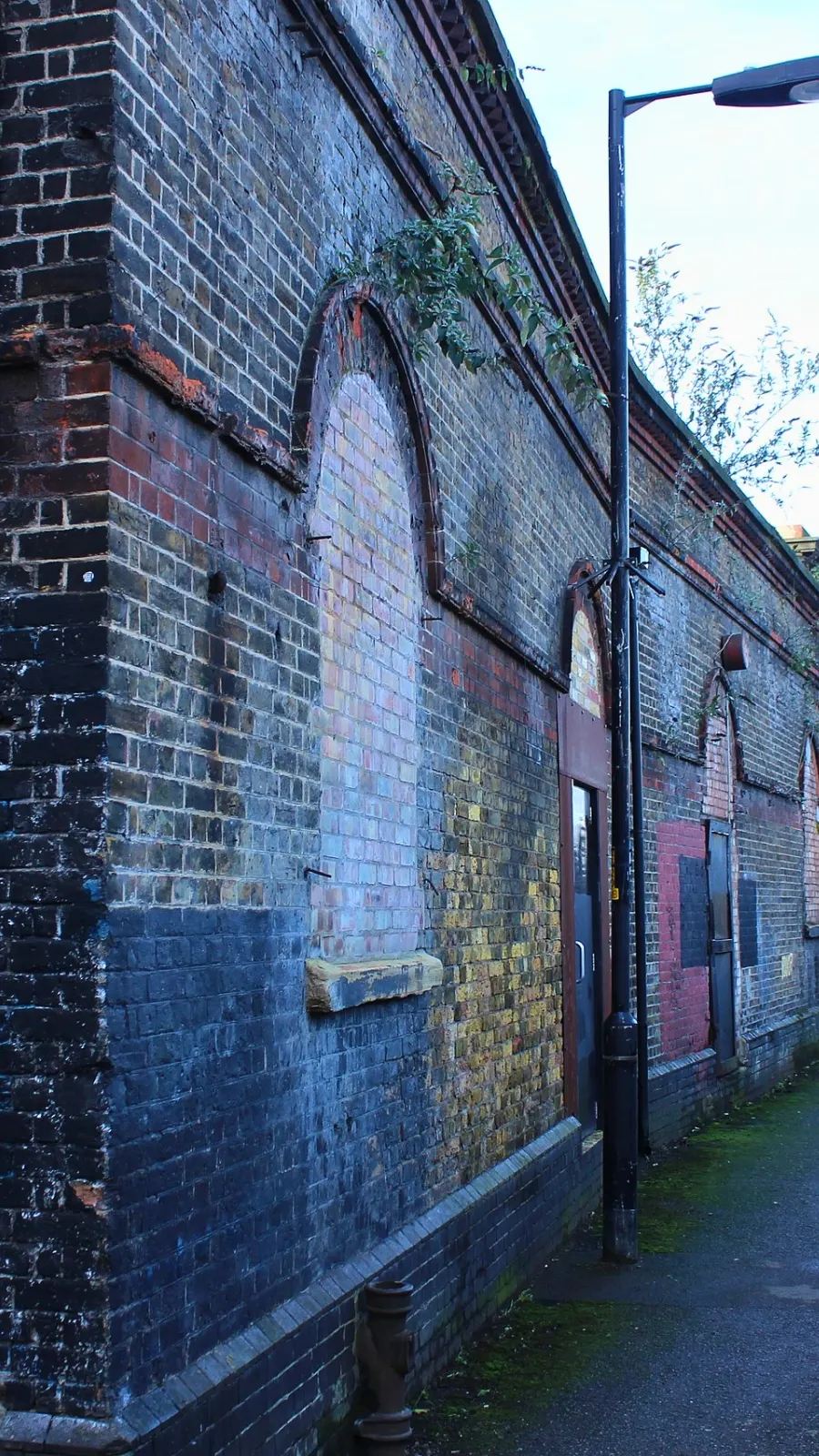
The Southwark Park Station in Rotherhithe was part of the London and Greenwich Railway, serving from 1902 until it was quietly closed in 1915 due to wartime economies and competition from trams.
Unlike others, the remains are integrated into the park itself.
If you enter via Corbett’s Lane, you’ll see bricked-up structures and platform remnants nestled in the trees.
One of London’s most secret spots, not grand or dramatic, but it’s a powerful feeling to walk through something half-returned to nature in that way!
Old Disused Stations in London: Mark Lane Station (Tower Hill)

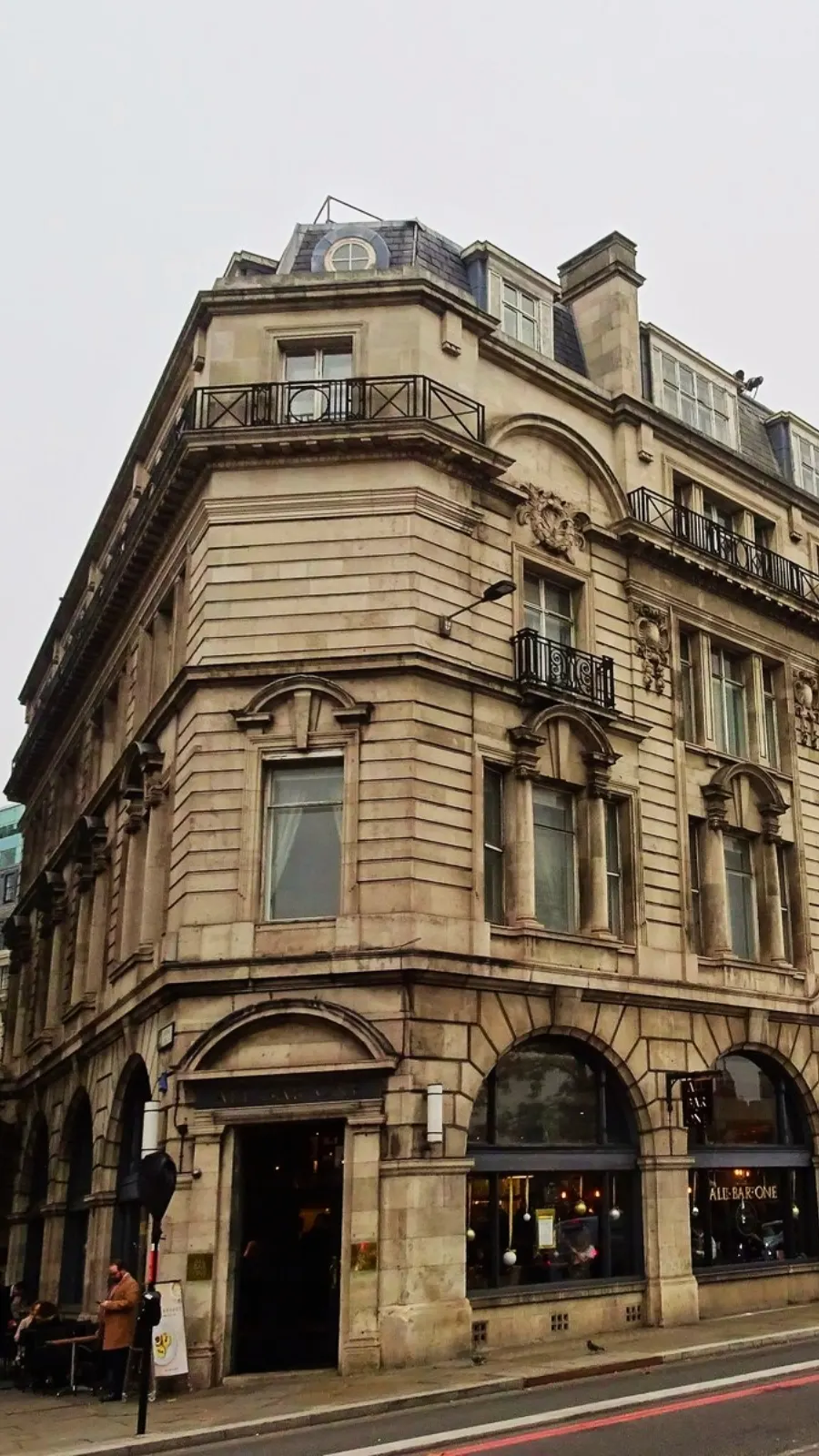
Most people walking through Tower Hill don’t know they’re stepping over a former station, Mark Lane Station.
Mark Lane served as the predecessor to the current Tower Hill stop; the original station dates back to 1868, and was renamed Tower Hill in 1884.
The earlier facilities remained until they were fully replaced in 1967, when a new station structure was built nearby.
Just a great spot if you’re looking for hidden gems near London Bridge, and are curious about sites that bear strong historical vibes!
Old Disused Stations in London: King William Street (Monument)

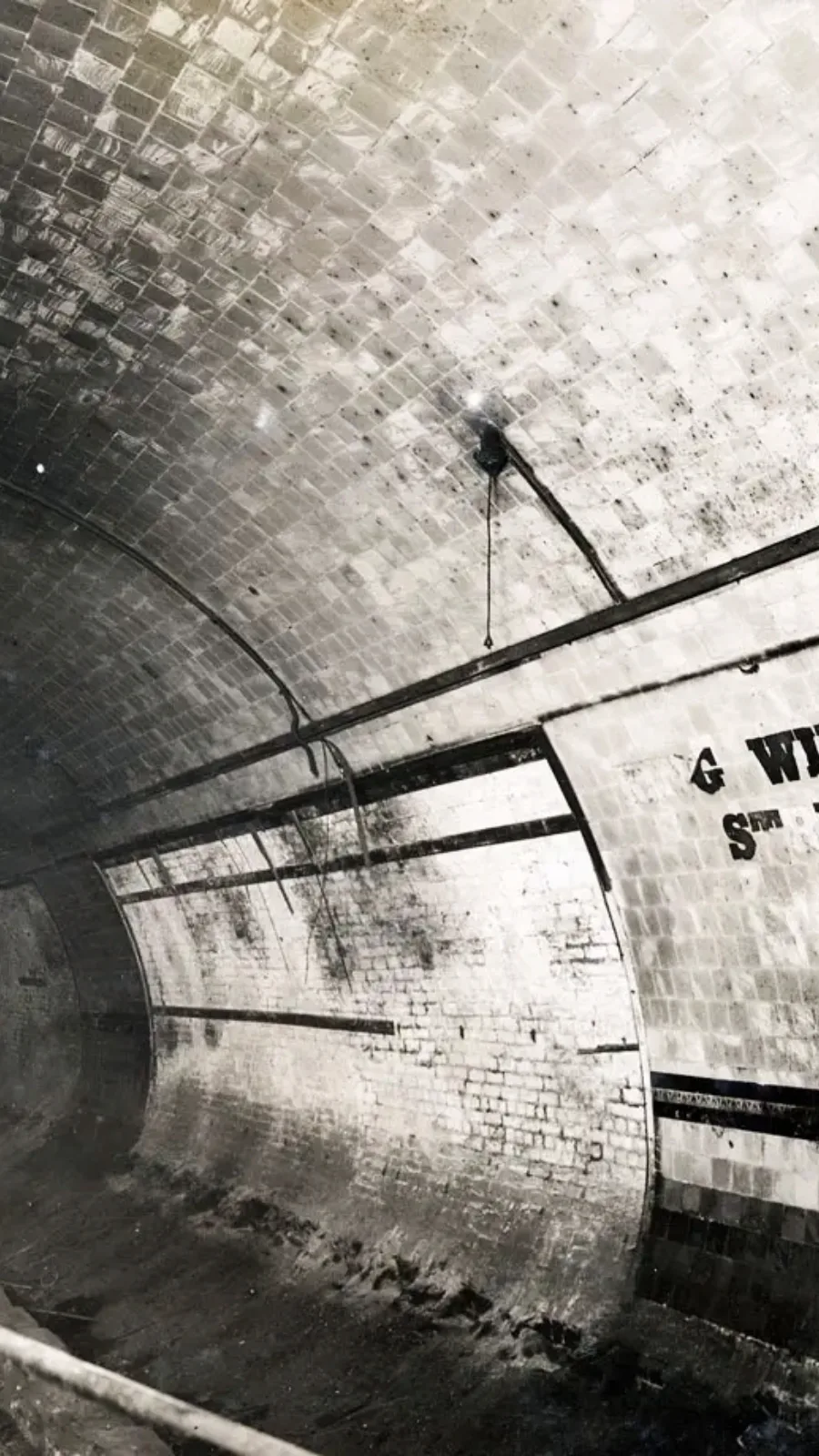
King William Street is one of London’s oldest disused stations.
It was the original terminus of the City and South London Railway, opening in November 1890 and closing in July 1900 due to the tunnel being too steep for continued use and engineering challenges.
We’re here in one of the oldest places in London, in the heart of the historic City of London, and if the entrance is no longer public, some remains of the building can be spotted around Monument, especially near King William Street itself.
We’re close to some of London’s most secret alleys, and across London Bridge, you can also see other ruins, historical sites and, of course, Borough Market and the start of the South Bank.
BONUS: City Road Station (Islington)
Now, Islington is a part of North London I love visiting to see Camden Passage (for the 874th time in my life) and the secret cafe basement at Redemption Roasters.
But City Road Station is another one of the disused stations you might like discovering when treading the Islington area.
Opened in 1901 and shut by 1922 due to low demand, City Road is barely a whisper now: the surface-level building, though repurposed and part-demolished, still exists on City Road.
It’s now a vent shaft/emergency access point, but you can see the faded signage and bricked-up entryway tucked between the modern office blocks close to Old Street Station.
When you’re done admiring the site, do make your way to Shoreditch to unravel the East London area’s hidden spots; from Shakespeare spots to street art, concept stores and coffee shops!
Read here my review of Redemption Roasters, Islington, to discover its secret sculpted basement, its atmosphere, and my thoughts about the coffee and cake.
11 London Disused Stations You Can Still Spot Today

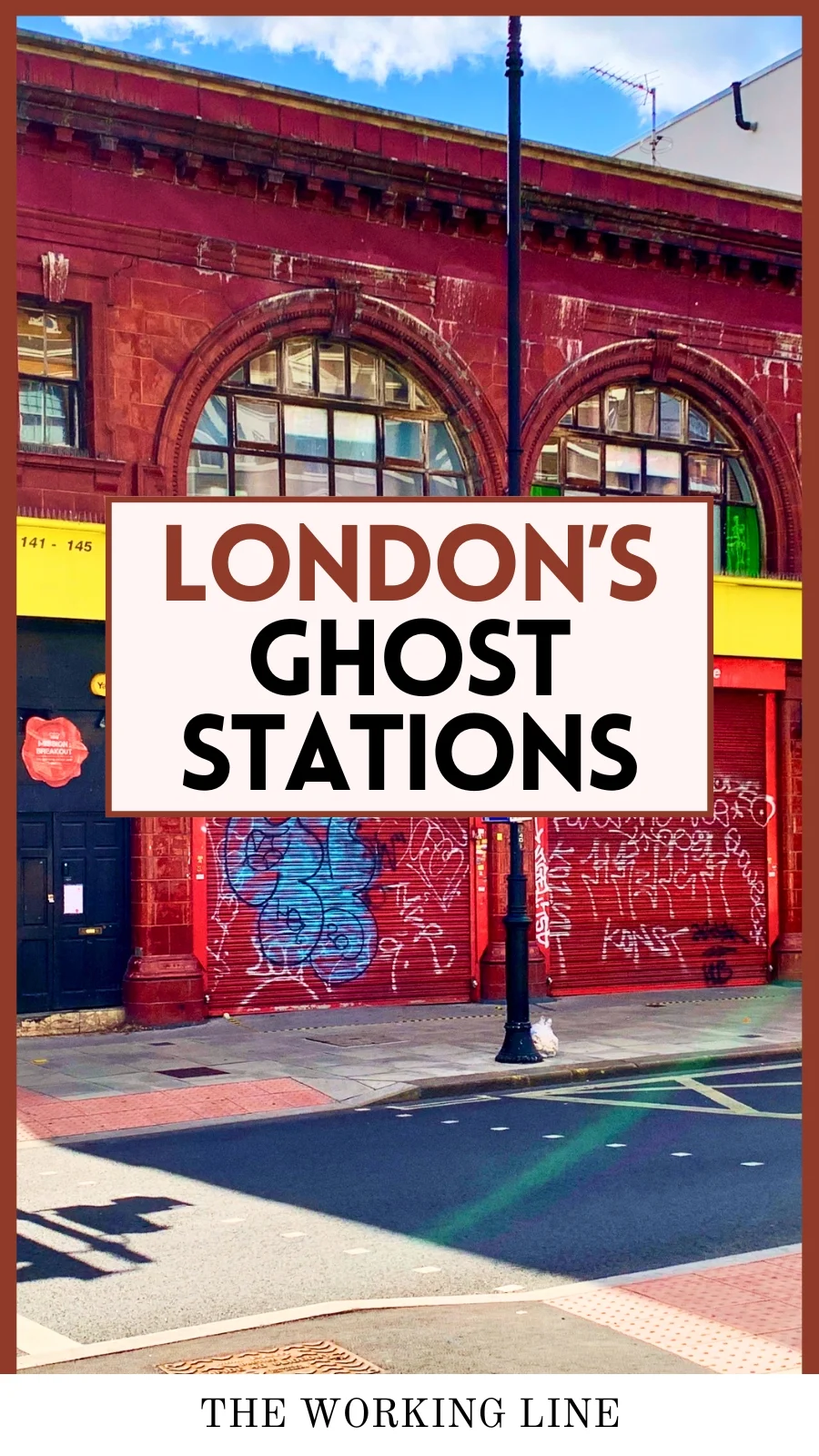
Some of London’s disused stations have been demolished, and others are inaccessible without trespassing.
Not every ghost station leaves behind a clear shell, but you can still find sealed arches, faint outline in brickwork, and other signs of London’s buried rail history.
Next time you’re walking through Mayfair or King’s Cross, look around and you might come across a red-tiled building, a forgotten portal to another time.
And, if you’d like to dive deeper into the history of the city, why not discover other old places and hidden gems you might not know of?: