


A local’s guide to the MAAM Museo dell’Altro e dell’Altrove in Rome, a former factory turned museum, a hidden gem where street art and activism come together!
I don’t remember exactly how I came across the MAAM museum in Rome in the first place; I must have been looking for hidden street art areas and found this one down, way down on the image search.
I’m very much into street art, which you may know if you’ve been here before; I’ve indeed shared with you quite a few lesser-known art spots of Rome.
The Museo dell’Altro e dell’Altrove, though, which occupies a former sausage factory in the Tor Sapienza neighborhood, is something completely different from anything you may have seen in Rome to this day.
Rome’s Strange Museum: MAAM Museo dell’Altro e dell’Altrove

Unlike the city’s classical museums and galleries, the MAAM Museo dell’Altro e dell’Altrove exists in a former industrial building at the city’s edge, blending art, activism, and social housing.
This living museum stands apart from the usual tourist routes dominated by Renaissance art and ancient ruins; if you’re usually the kind of person visiting Rome’s palaces, the MAAM Museum is very, so very different.
While Rome has an ever-increasing street art scene, with famous spots like Ostiense, Testaccio, Garbatella, Torpignattara and Pigneto offering colorful murals, MAAM takes this a step further.
It’s not just street art for decoration or tourism; the artworks at MAAM are embedded in the lives of its residents: they serve as social statements and tools of community defense.
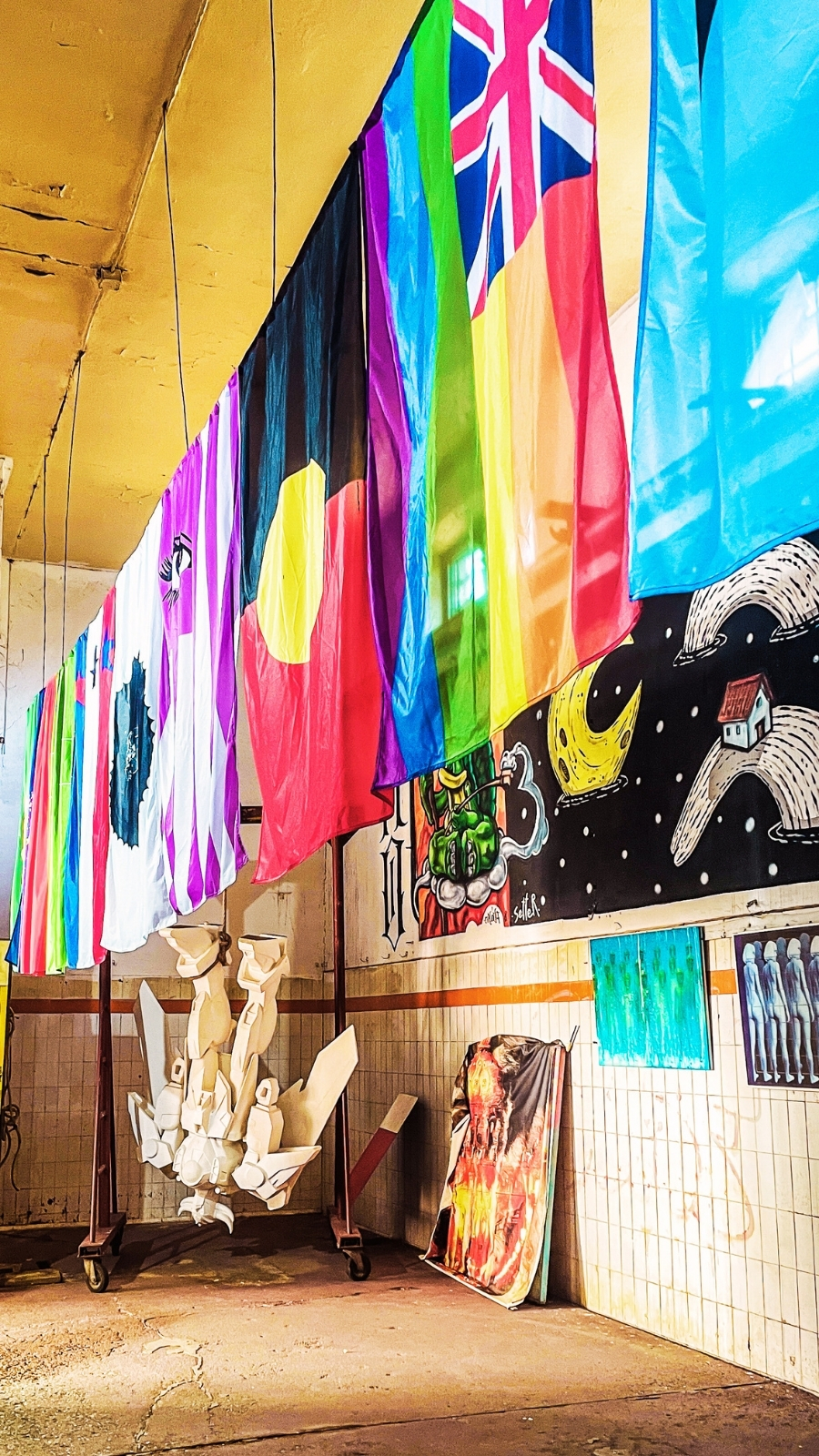
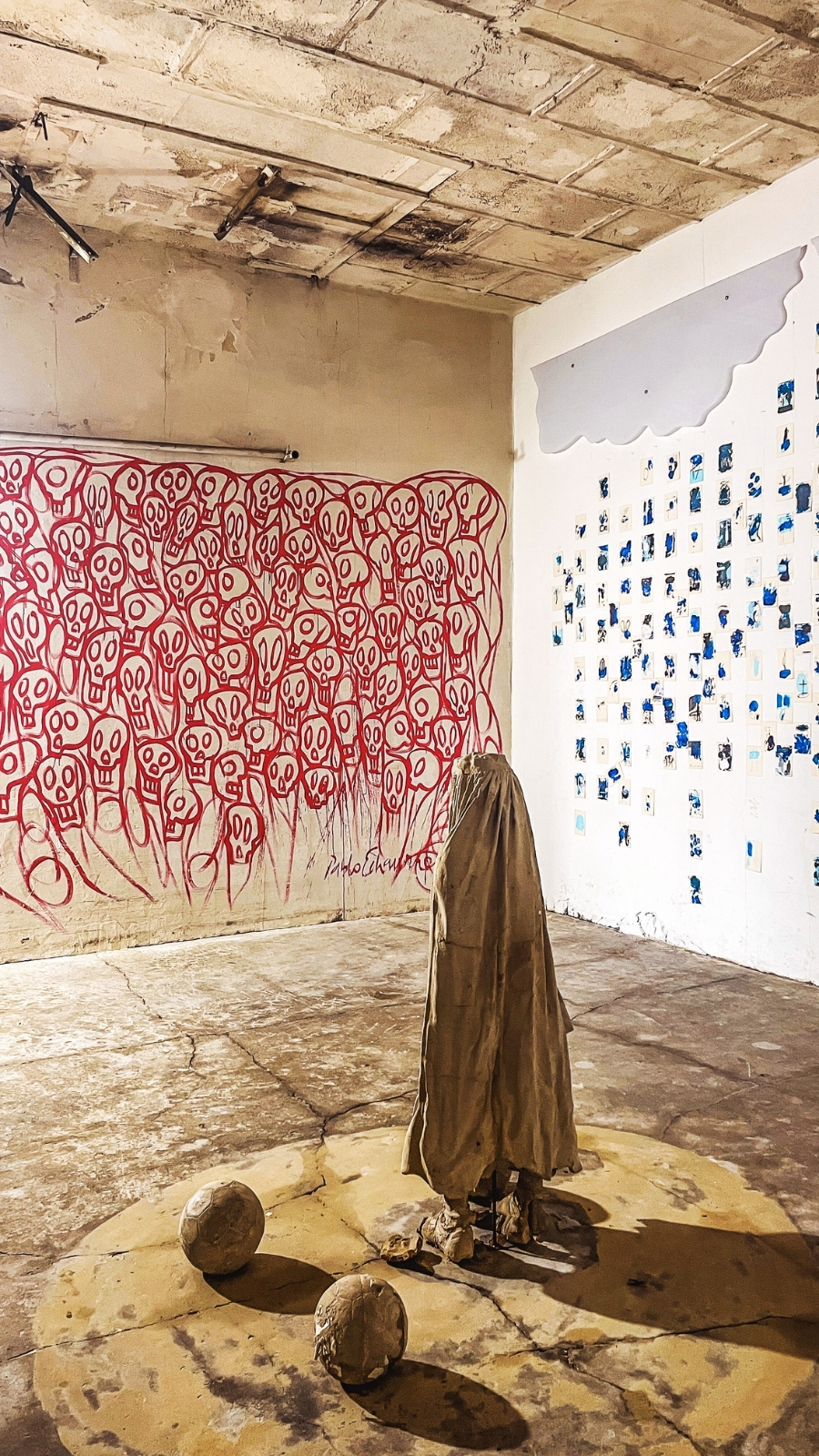
Here are the pictures I’ve taken when I visited the MAAM Museo dell’Altro e dell’Altrove; hopefully, you’ll discover a secret museum you really want to pop by when you finish reading!
Museo dell’Altro e dell’Altrove Rome: Origins and Community

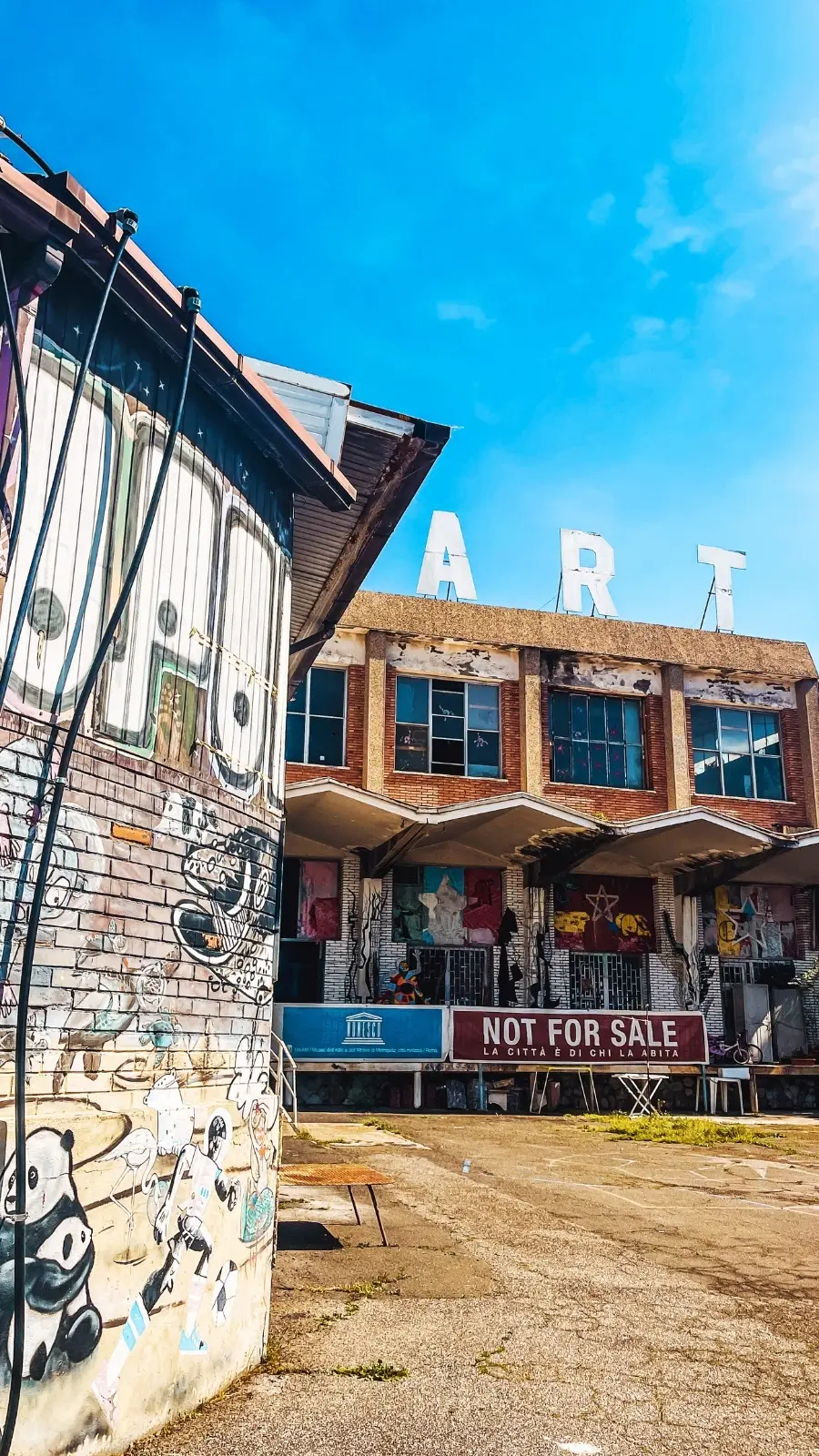
The building at Via Prenestina 913, on which a huge ‘FART’ word in white letters sits, was first occupied in 2009 by Blocchi Precari Metropolitani, a group working to provide homes for Italian and immigrant families facing eviction or homelessness.
Today, about 200 people live there, forming a lively but vulnerable community.

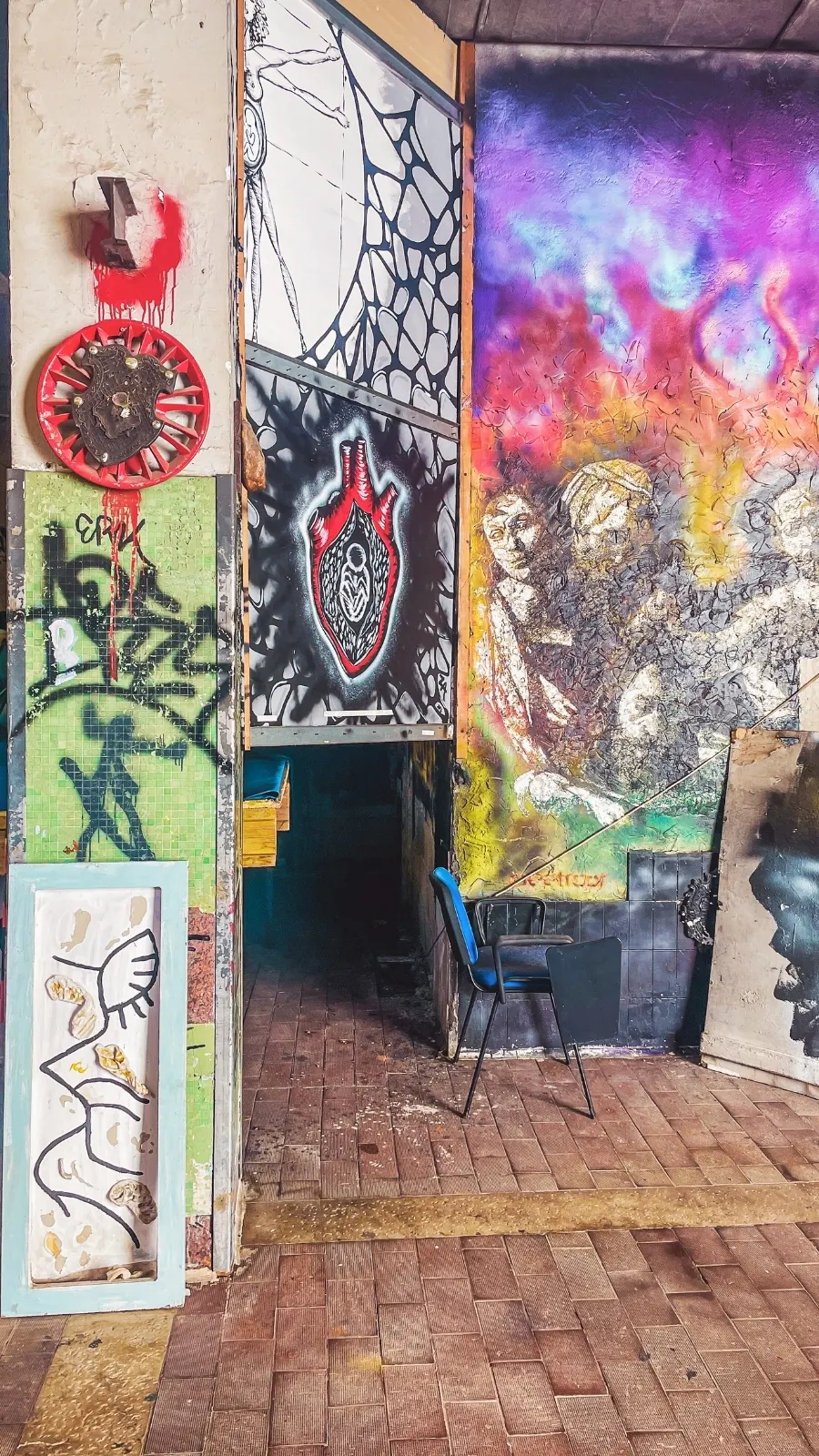

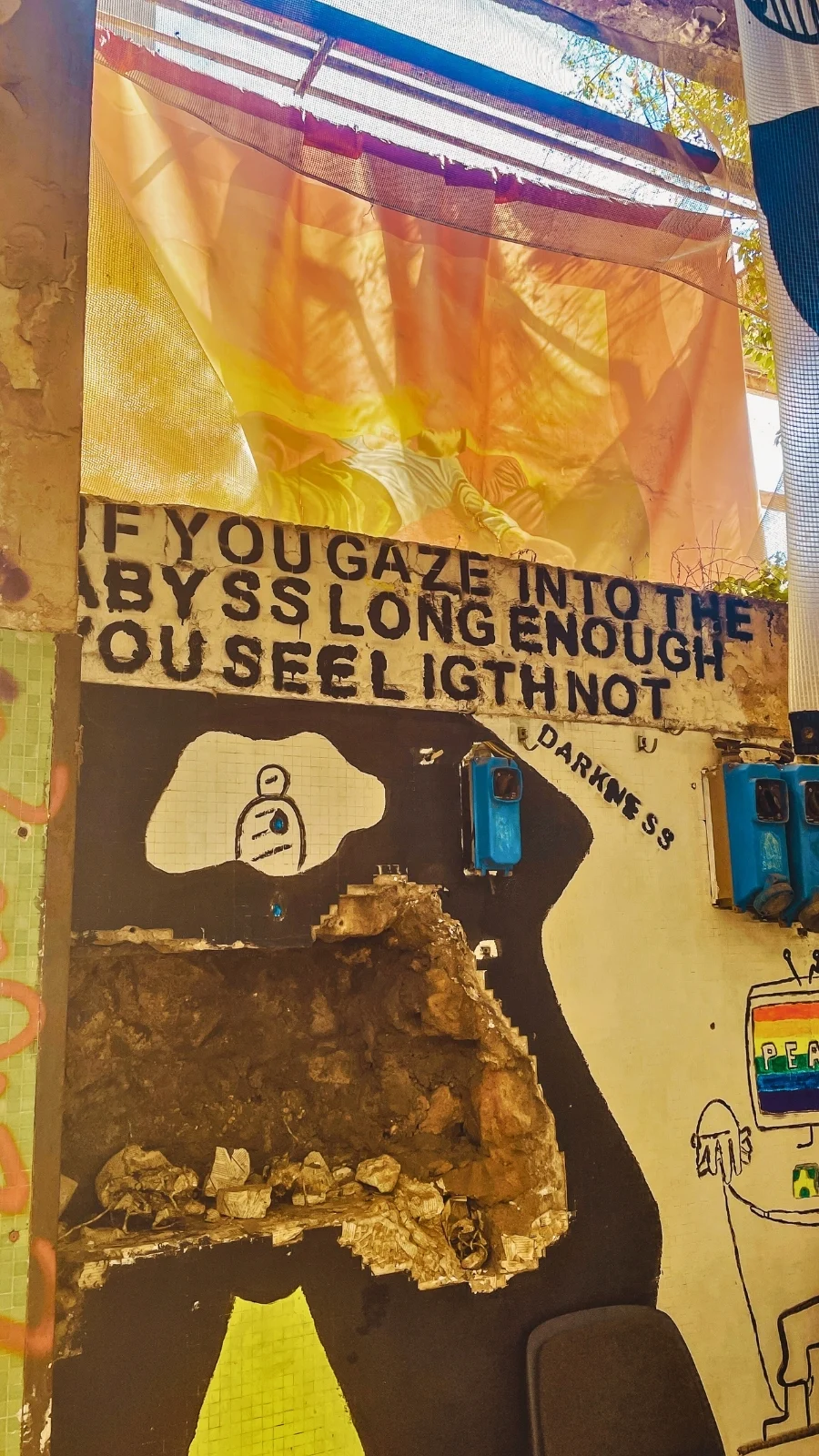
In 2012, anthropologist and curator Giorgio de Finis helped turn the space into what is now MAAM Museo dell’Altro e dell’Altrove di Metropoliz of its full name.

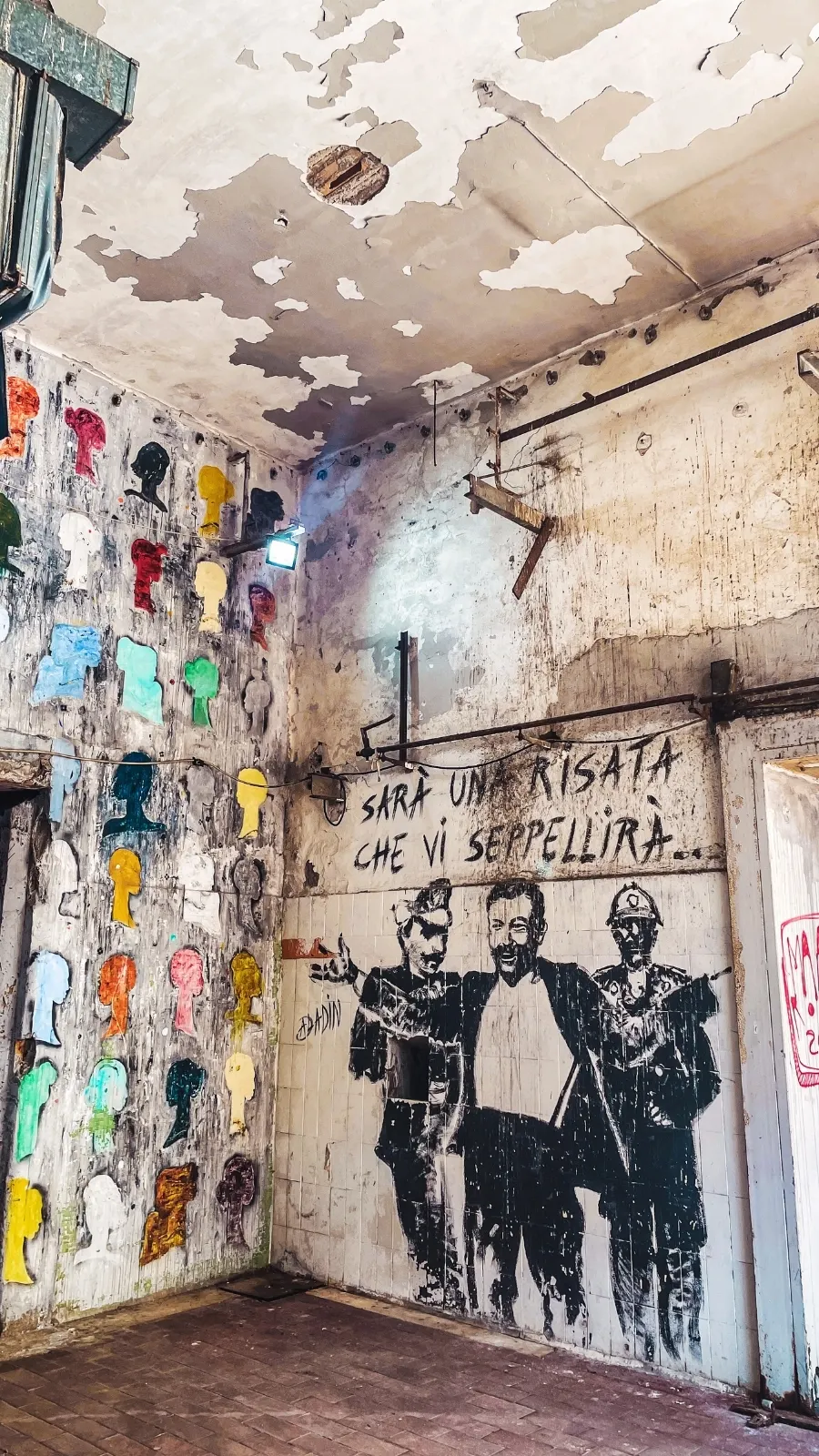
The name means “Museum of the Other and Elsewhere,” reflecting its mission to give a voice to those often marginalized through art; and boy, does it complete said mission with every room you walk through!
Museo dell’Altro e dell’Altrove Rome: The Transformation

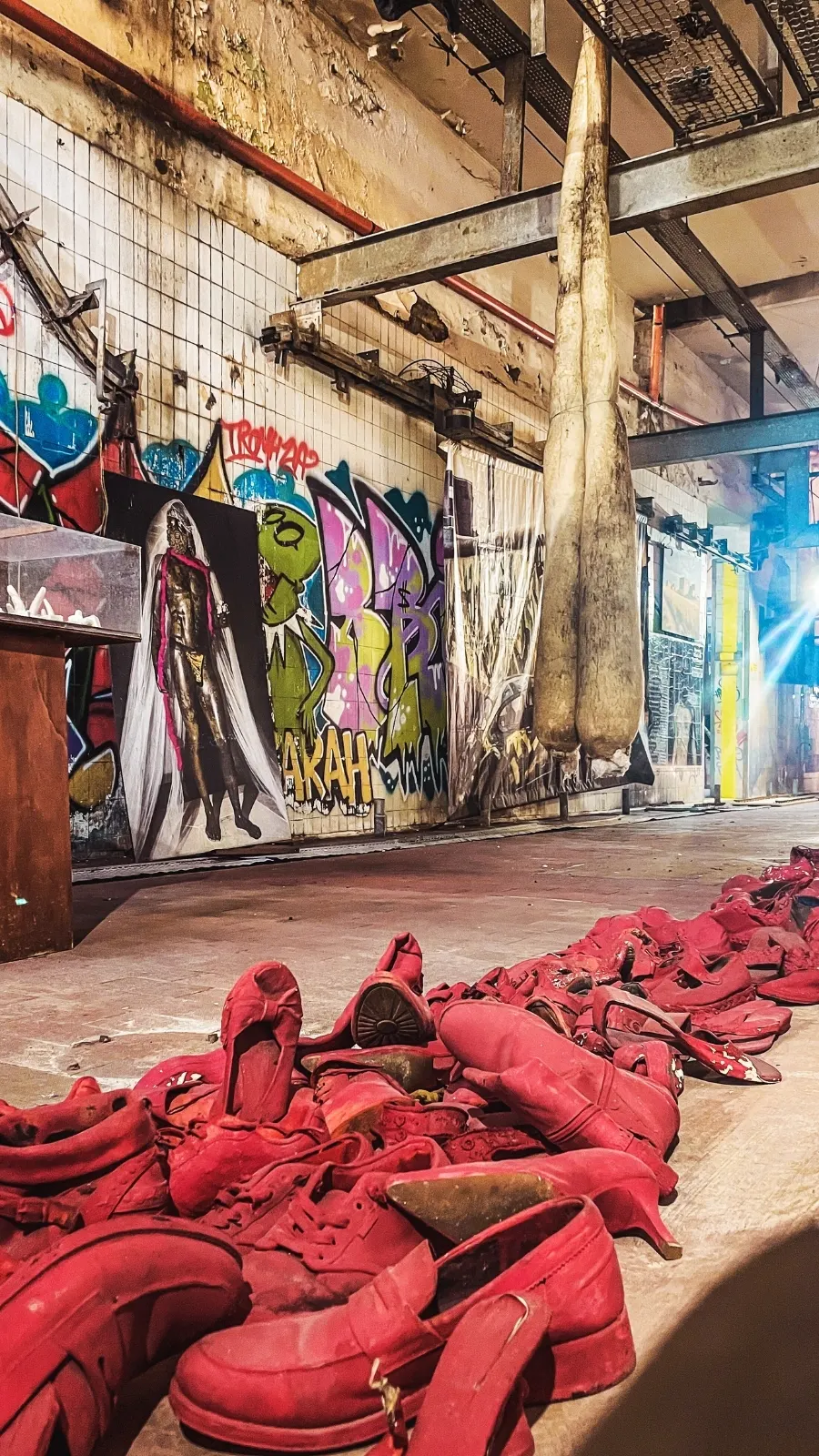
The project started with “Space Metropoliz,” imagining the building as a future space station where different communities coexist.
Artists painted murals and created sculptures directly on the factory’s walls and ceilings, turning it into a huge canvas. The artworks aren’t just decoration but acts of resistance.

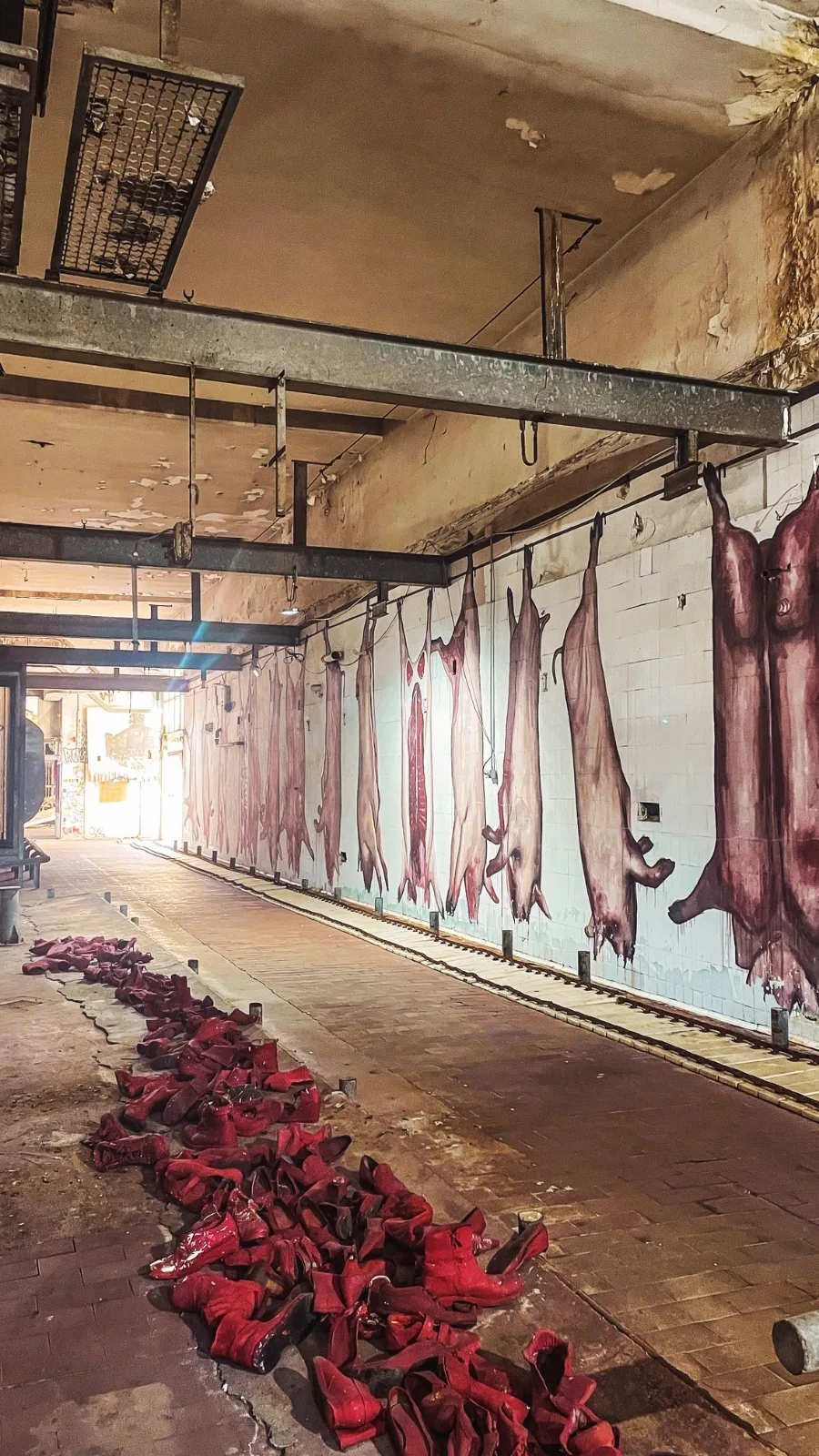
By declaring the social housing occupation a museum, the community challenged authorities and asked whether you can evict a museum.
The art became a protective barricade combining creativity and political activism.
Museo dell’Altro e dell’Altrove Rome: What You’ll See

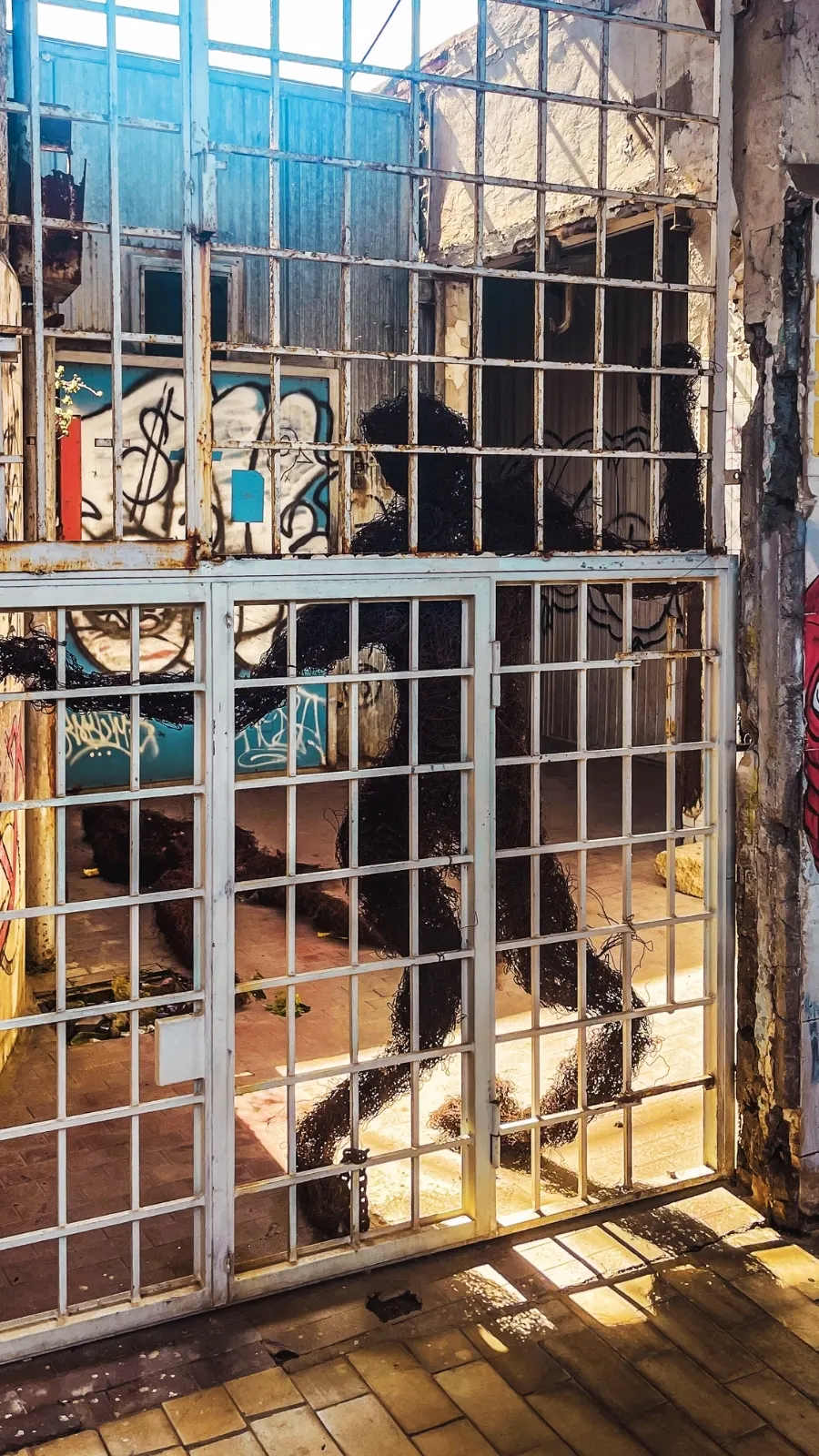
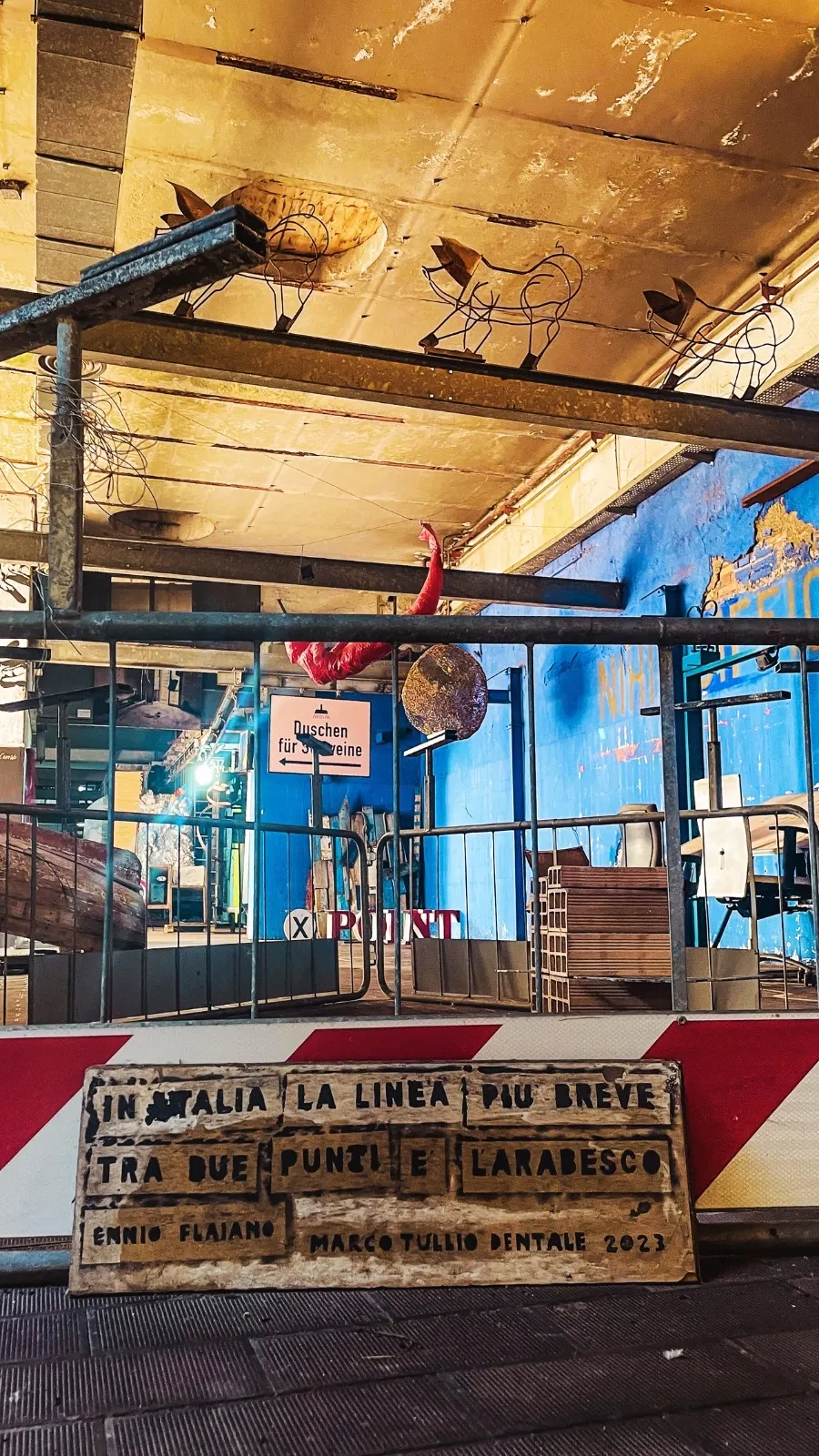
Inside, you’ll find more than 450 artworks, including murals, mosaics, stickers, sculptures, and full-room installations.
Some really are downright creepy, and it weirdly brings a breath of fresh air to the city’s classical art museums.
The pieces come from established artists as well as local creators and residents themselves, and because the works are site-specific and part of daily life, they tell the story of the community’s history.
There is no commercial hierarchy or sales pressure, no gift shop, no guide; the art stays to support the people who live here, and it feels unsettling and wonderful at the same time.
Museo dell’Altro e dell’Altrove Rome: Visiting MAAM

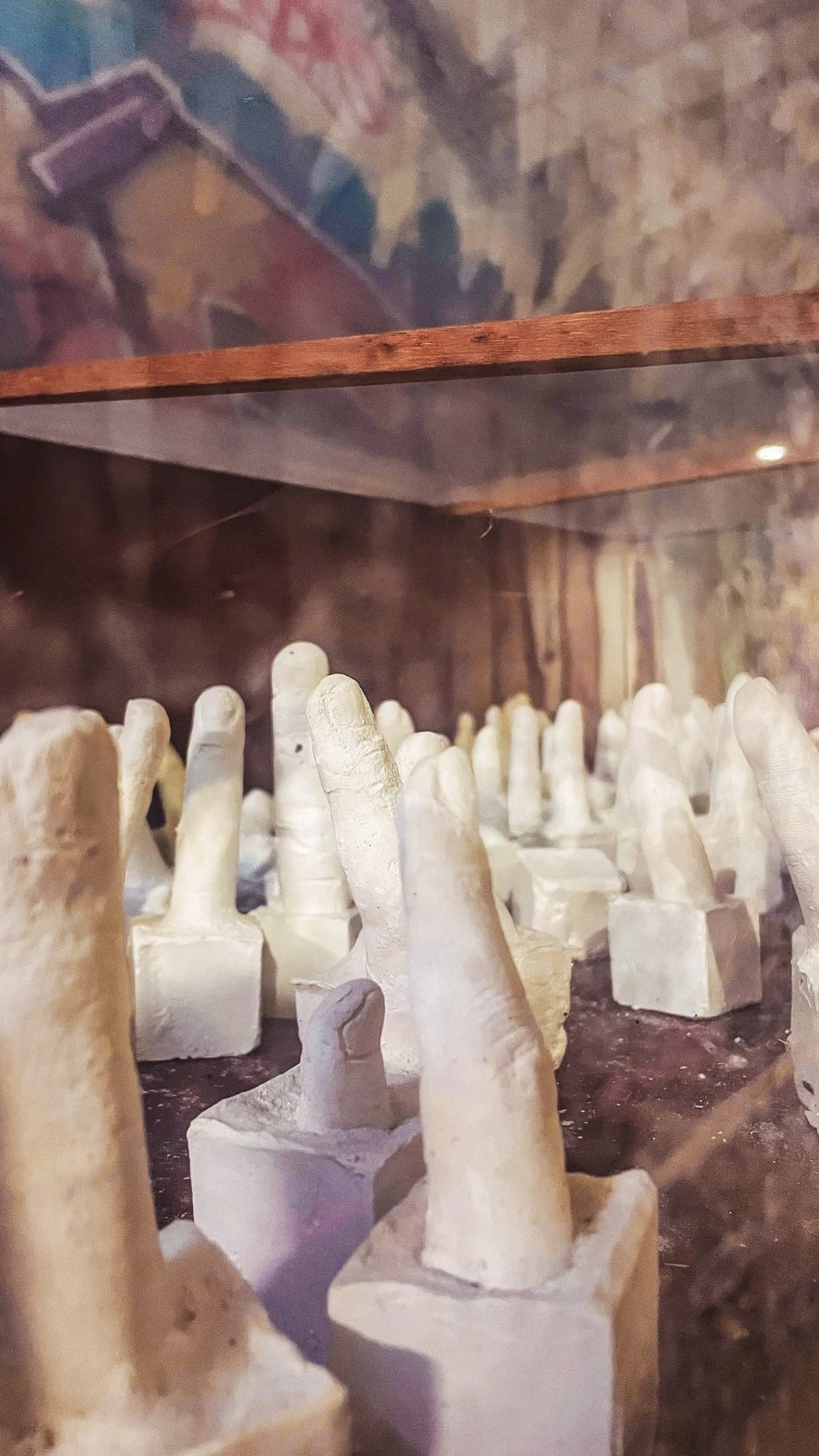
MAAM is open to visitors only on Saturdays, with doors opening exactly at 11 am.
There are no timed tours or group limits for solo visitors, so you can arrive any time after opening and enter as capacity allows.
The entrance fee is five euros, paid in cash at the door to one of the inhabitants in charge that day, and there’s no online booking or ticket system.

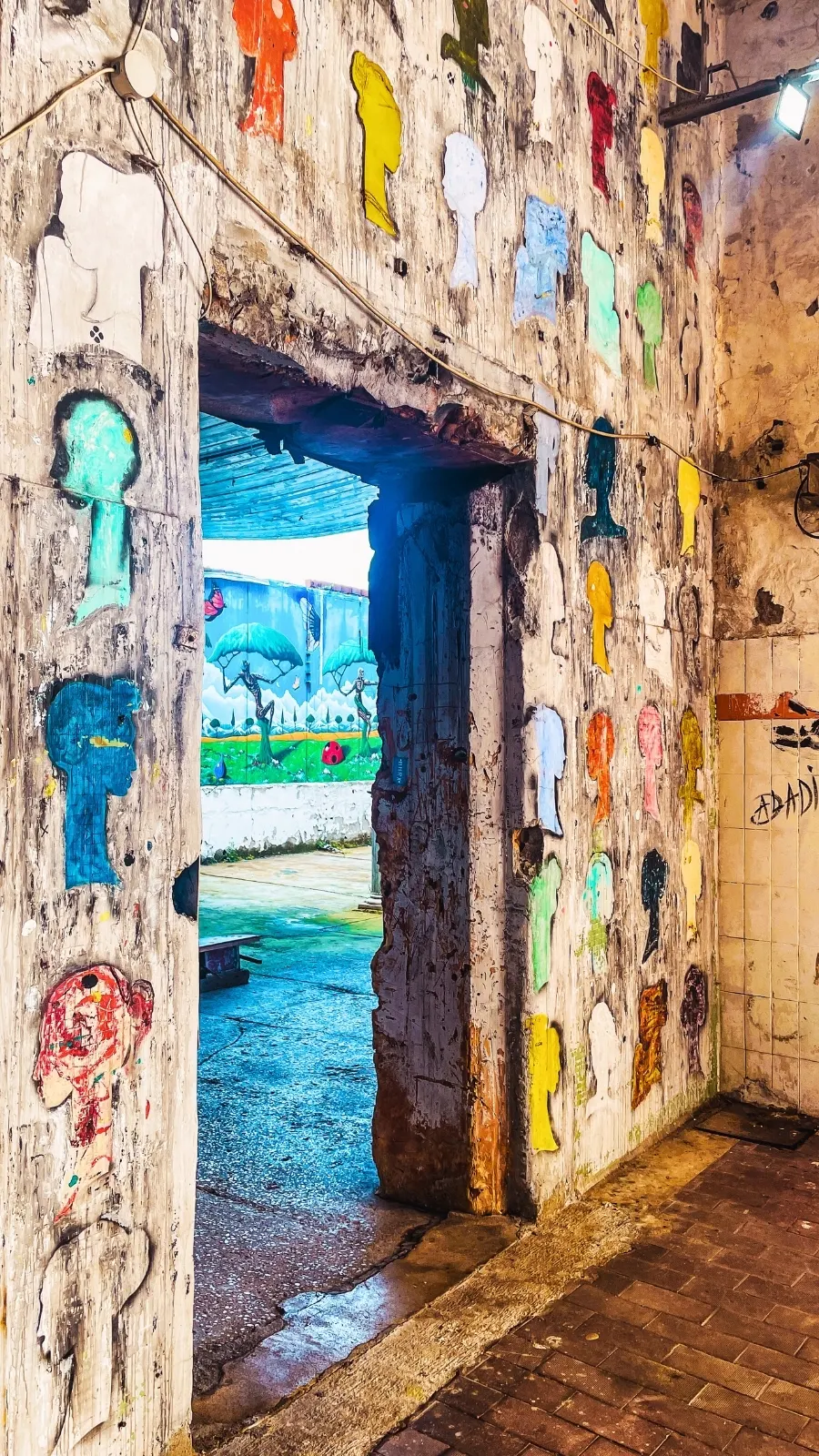
When there are tours, they are usually informal and led by residents or volunteers who share honest stories about the building’s occupation, the role of art, and daily life inside.
You’ll get to see the art up close, and get all the details about the establishment of the museum.
In my case, I even met some kids playing in the backyard of the MAAM Museum, close to the end of my little solo tour, and it felt so strange to really be confronted to the fact that this museum is indeed a home to people.
Museo dell’Altro e dell’Altrove Rome: A Place to Eat

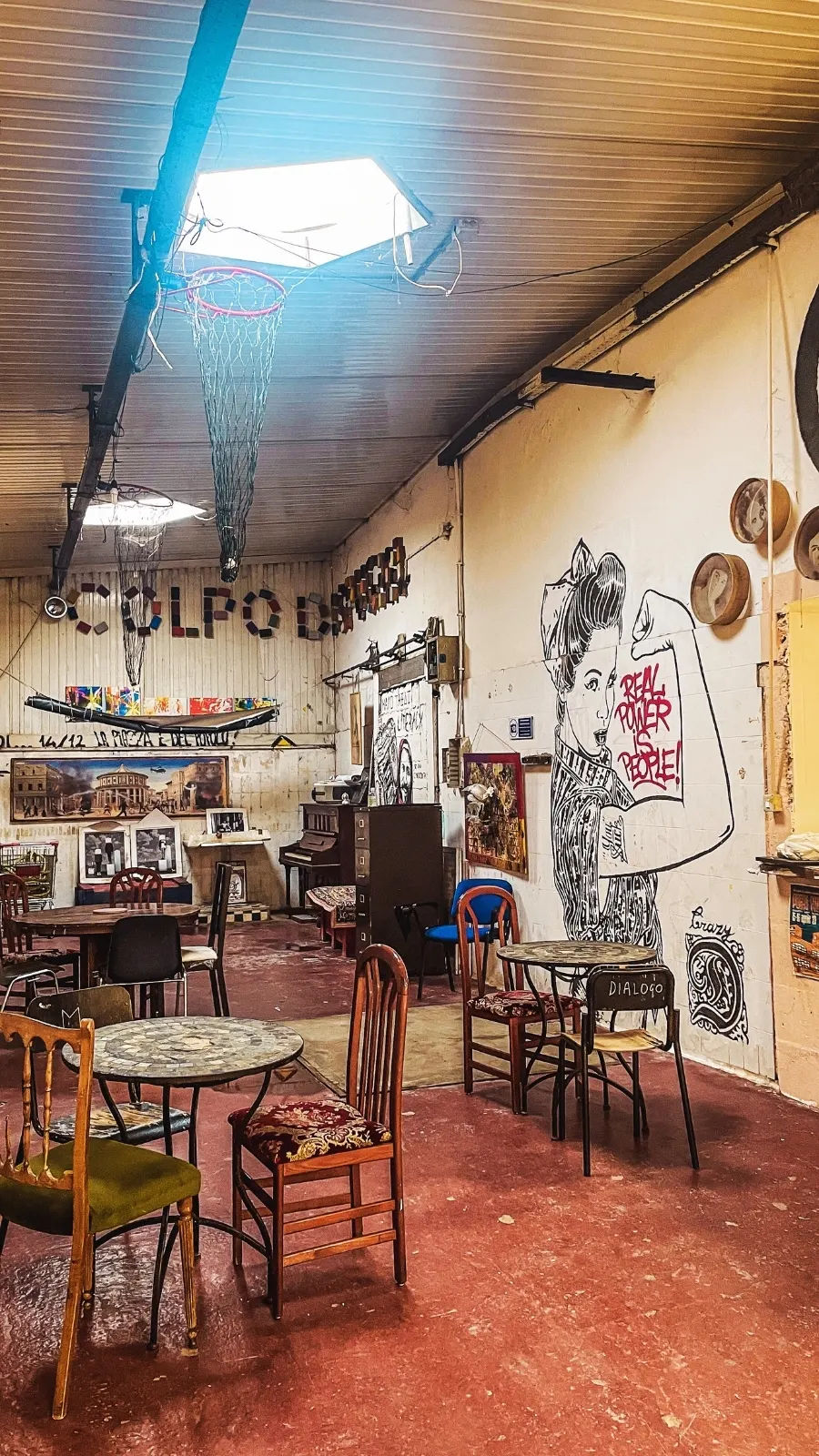
MAAM hosts a communal dining space where residents and visitors can share meals together.
This kitchen and dining area operates during the museum’s open days, reflecting the community’s values of solidarity and cultural exchange.

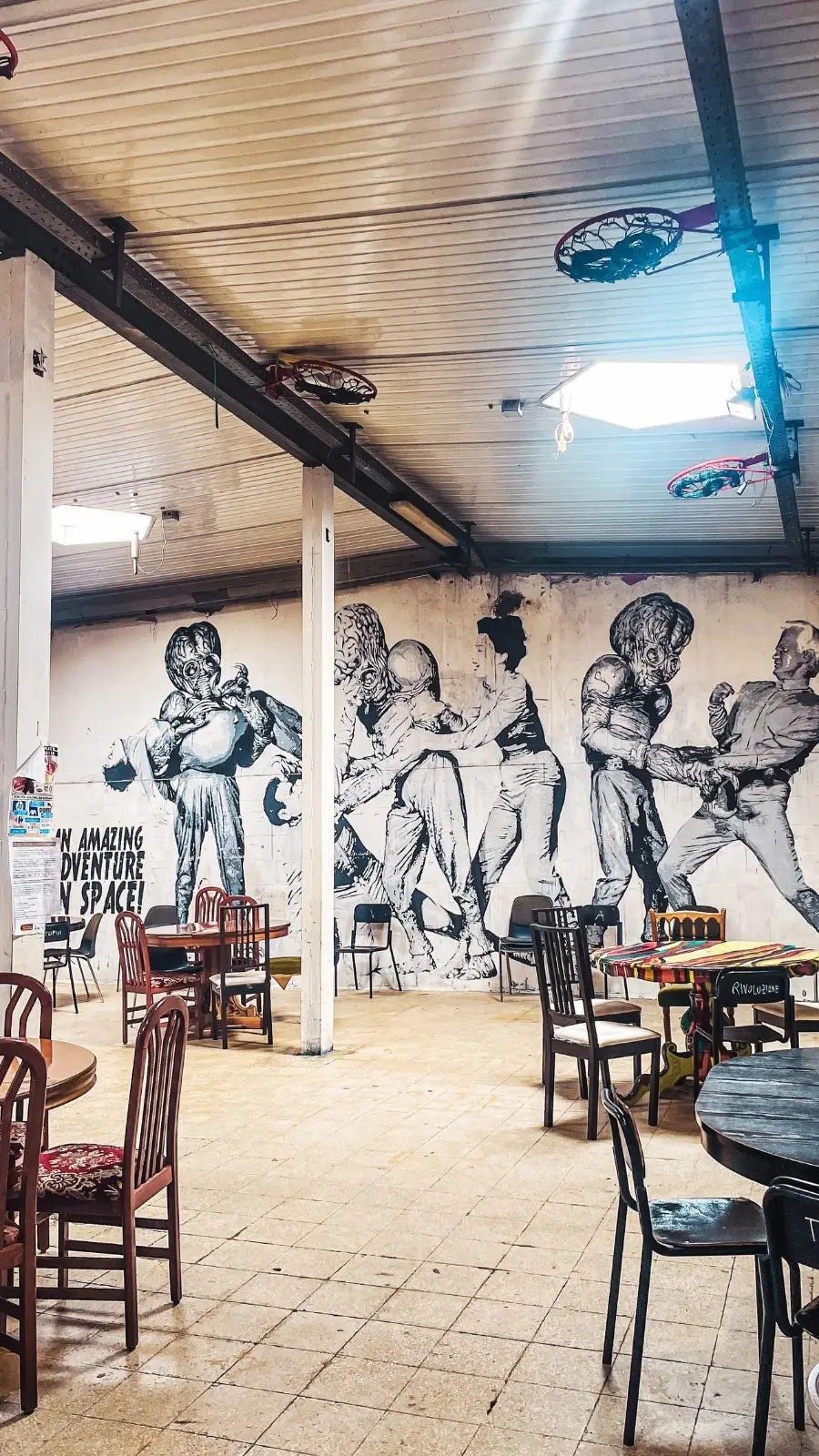
The meals represent the diverse culinary traditions of the inhabitants and serve as an opportunity for social connection beyond the art.
Contributions help sustain the communal activities and support the ongoing work of the MAAM community, but since it was too early and the restaurant was still closed when I popped by, I wasn’t able to try lunch there.
Unlike commercial restaurants, this dining experience is part of MAAM’s grassroots approach to fostering community through hospitality and shared culture; with really local food.
Museo dell’Altro e dell’Altrove Rome: How to Get There

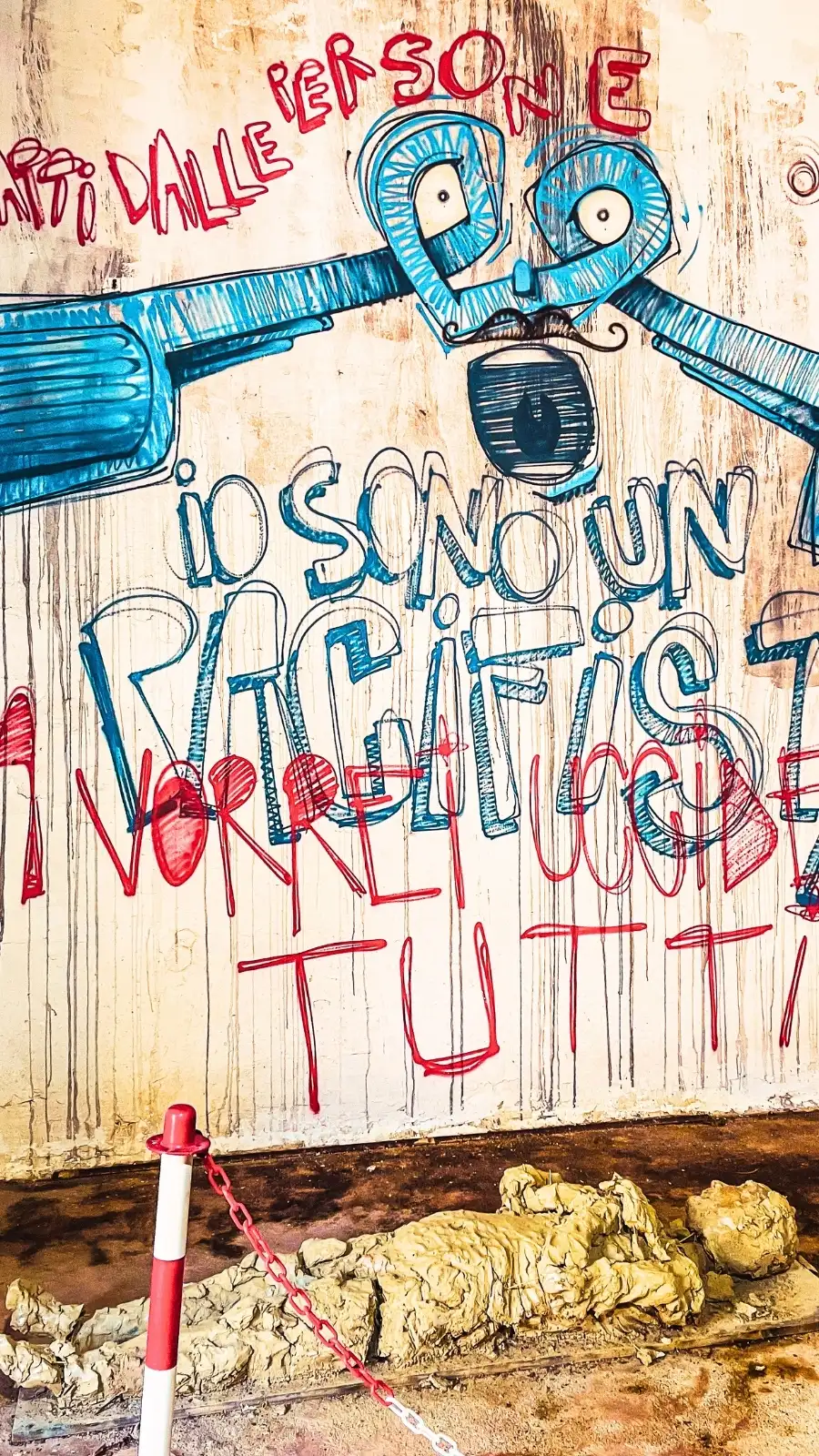
MAAM isn’t in central Rome, but on Via Prenestina. It’s located in Tor Sapienza, so you’ll need to take public transport, usually a bus or tram, and walk a few minutes from the main road.
Back when I lived in the Torpignattara neighborhood, it took me something like 40/50 minutes to arrive by bus (aren’t dysfunctional buses a true-blue Roman symbol?!).
There’s a Lidl shop about 10/15 minutes away from the museum, if you want to get a sandwich and a drink for later as well.
The building is covered in graffiti and murals but has no official signage, so look for the large factory-style structure on Via Prenestina.
It’s normal to find people waiting outside before the doors open, but there was absolutely no one when I visited.
Museo dell’Altro e dell’Altrove Rome: Why You Should Visit the MAAM Museum

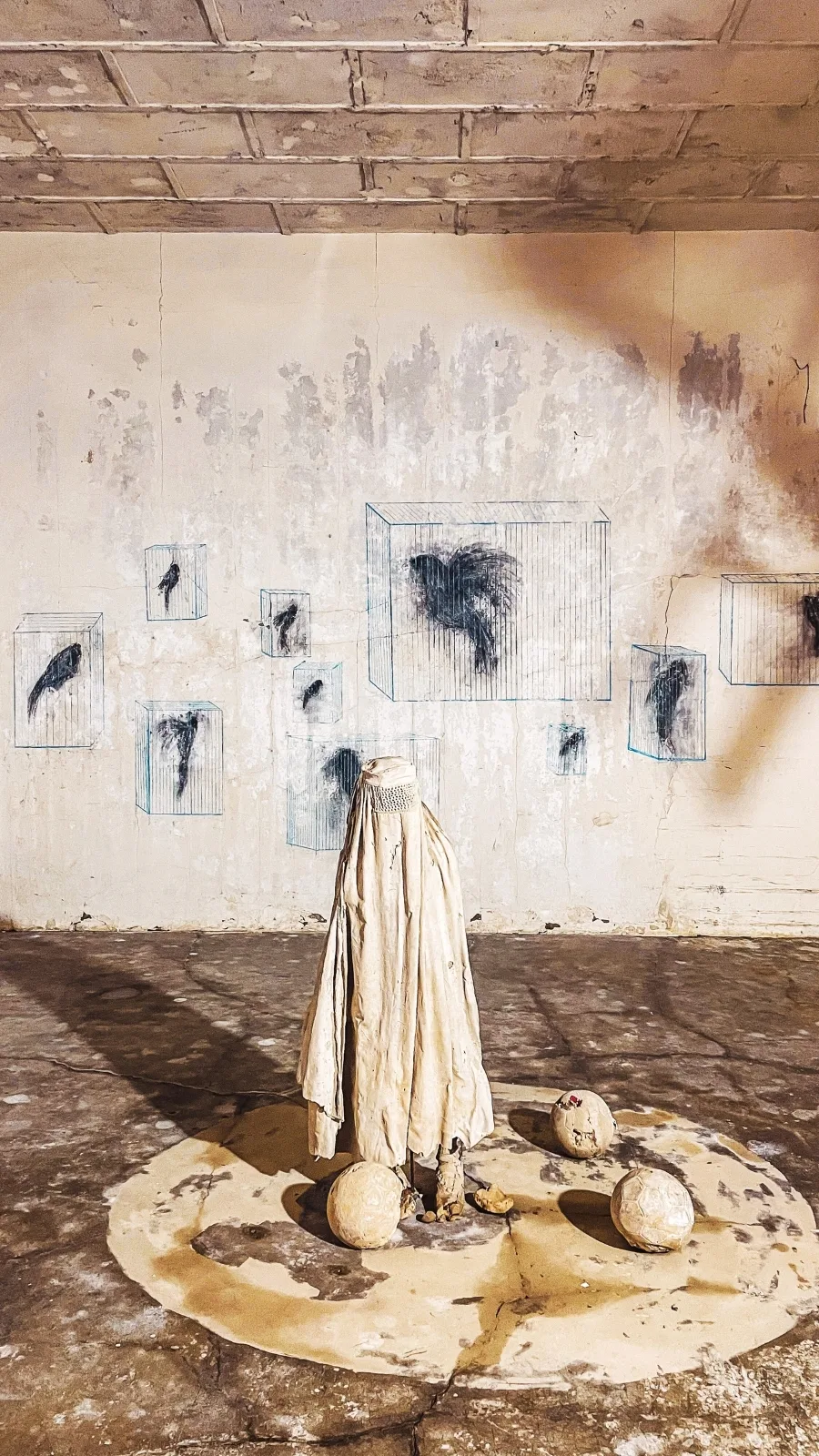
This museum is one of the very few places where contemporary art is deeply linked to social justice, by providing housing and dignity to vulnerable communities through creativity.
There may be other off-the-beaten-path street art areas in Rome like Il Miglio d’Arte or the Gasometro in Testaccio, but this is so different.
So different.
Visiting MAAM is a chance to see how art becomes activism and how grassroots efforts confront urban inequalities.
It breaks the traditional museum mold by being a space where people and art protect each other.
More Photos of the Museo dell’Altro e dell’Altrove, Rome
Entrance and First Room at the Museo dell’Altro e dell’Altrove, Roma

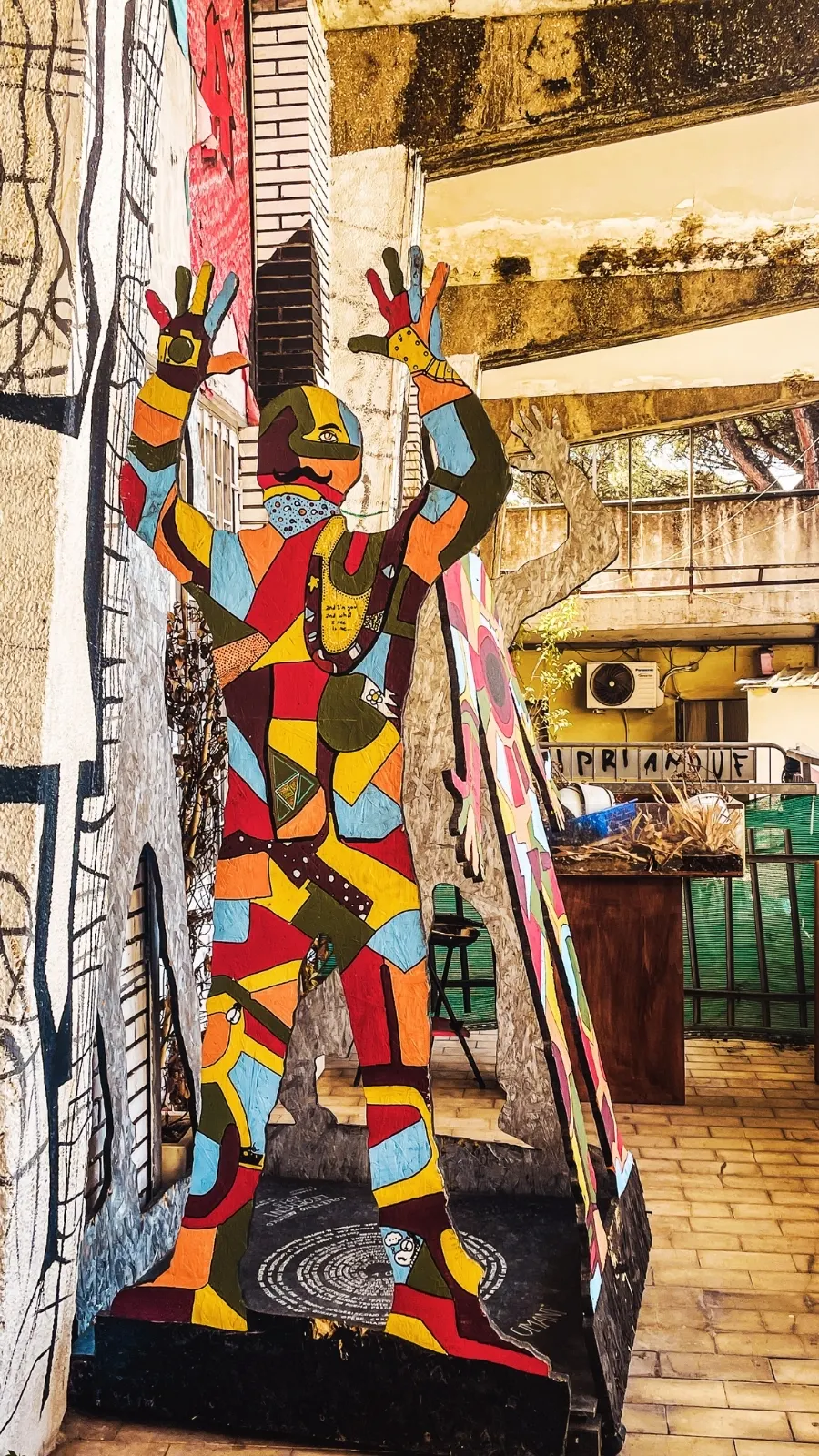

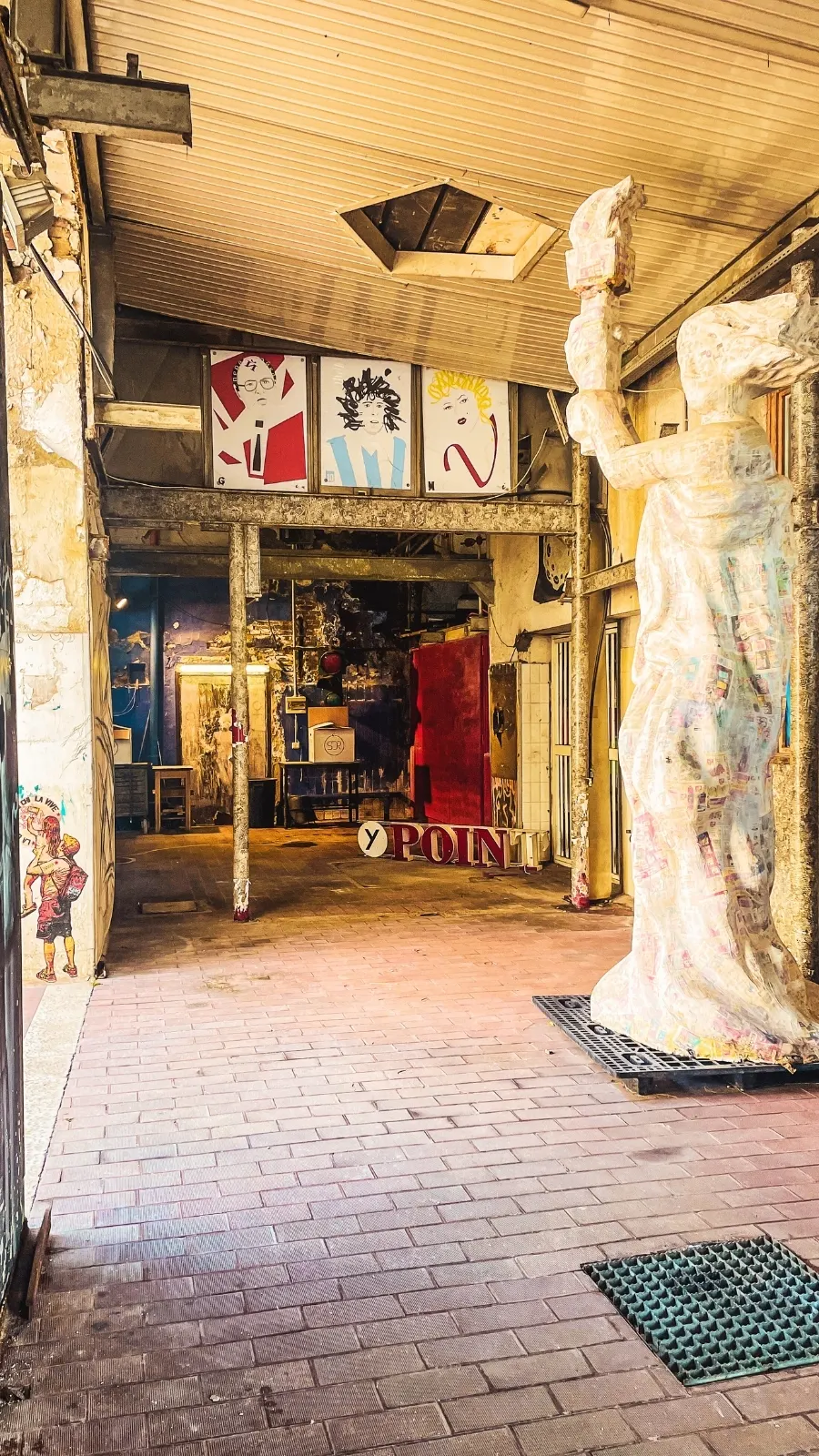

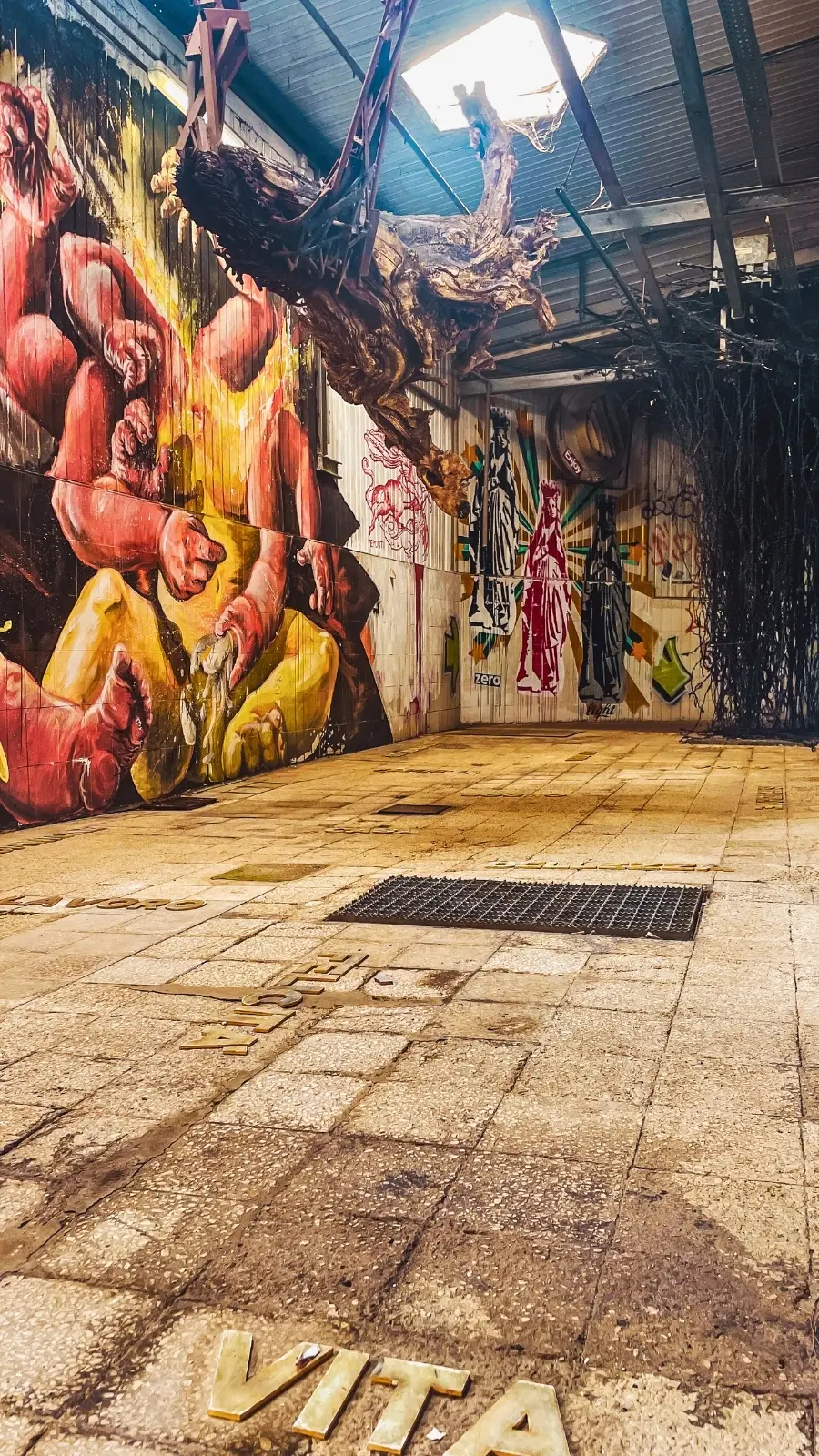

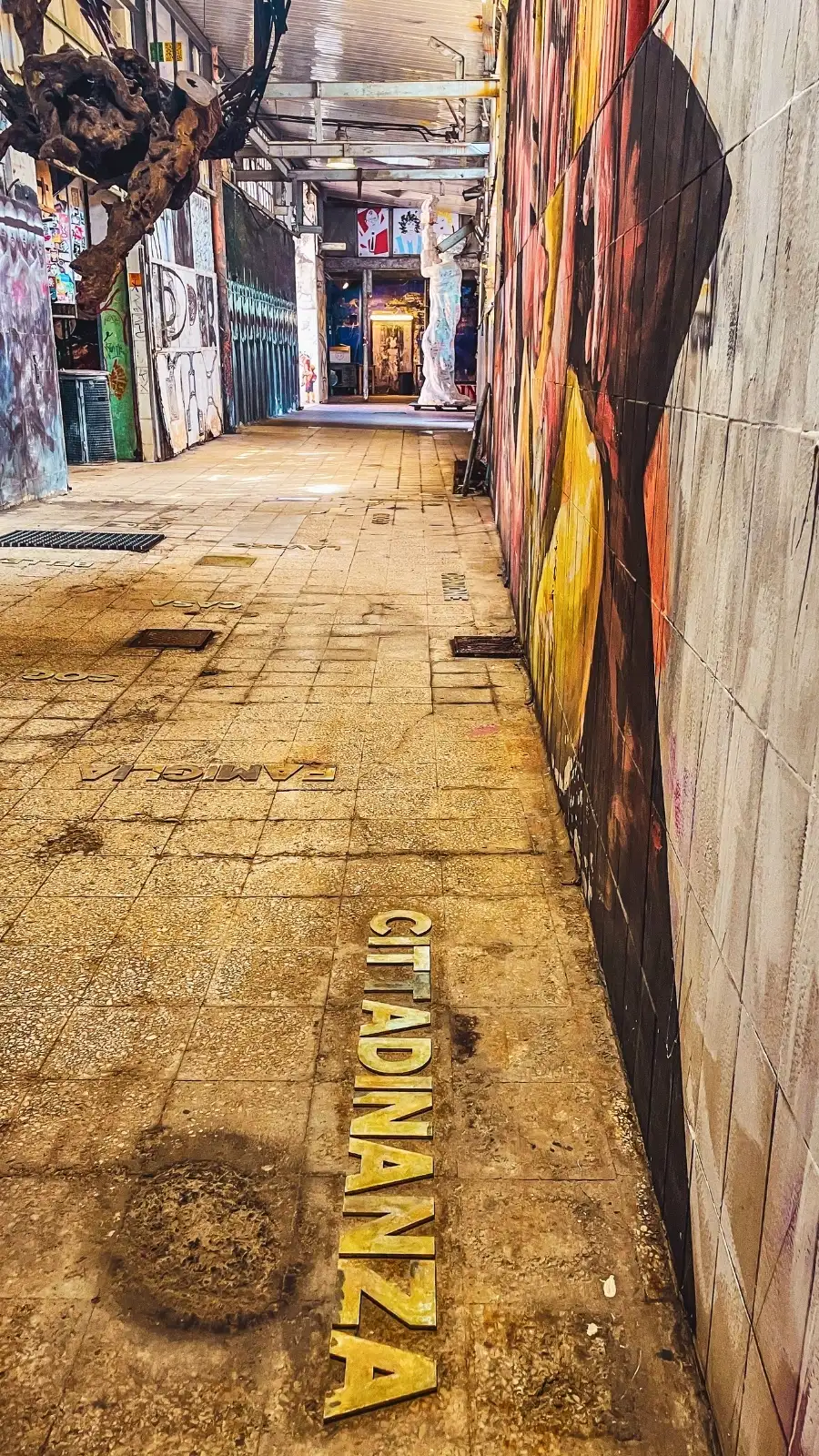
Continuation of the Visit of the MAAM Museum

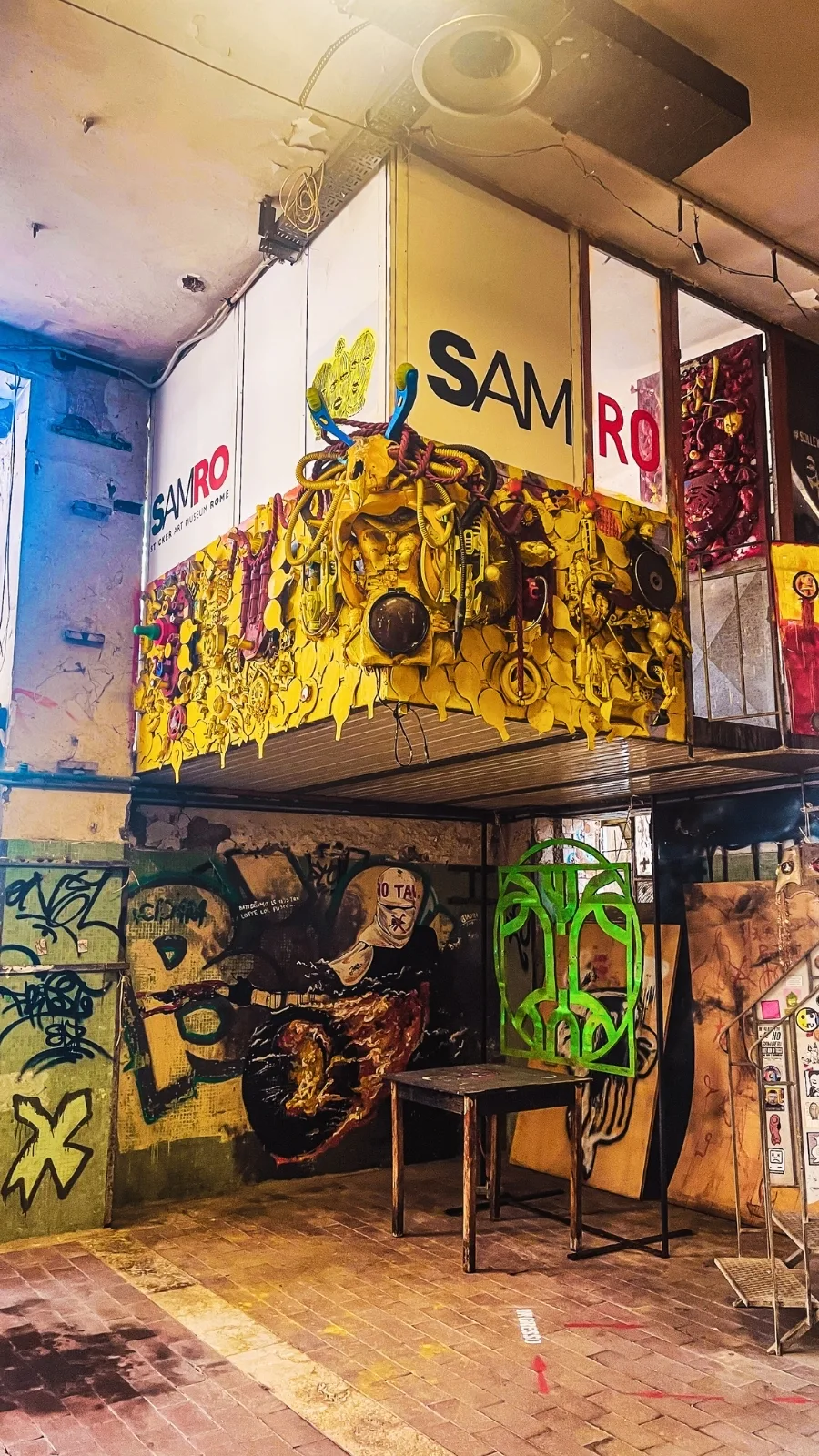

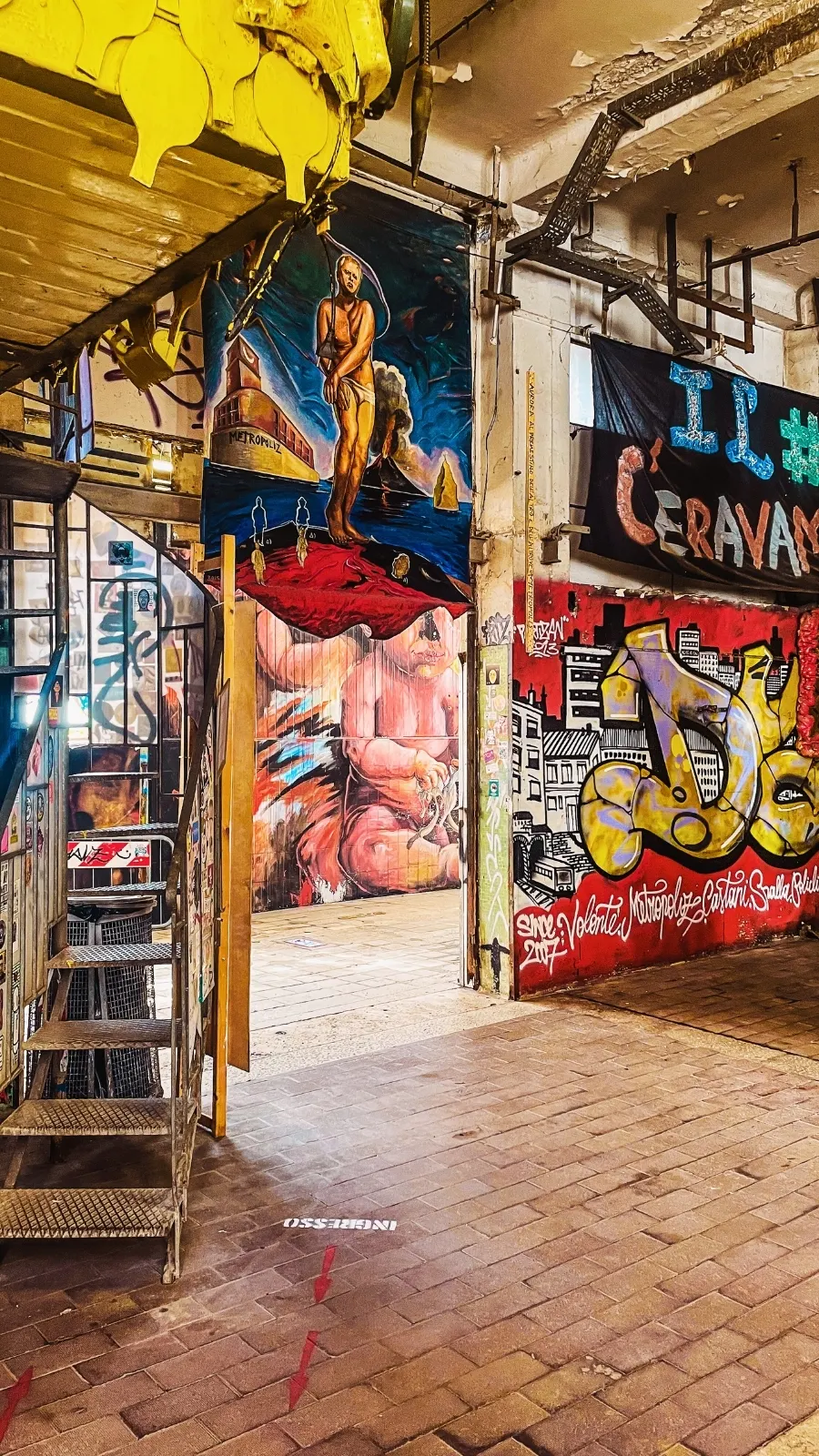

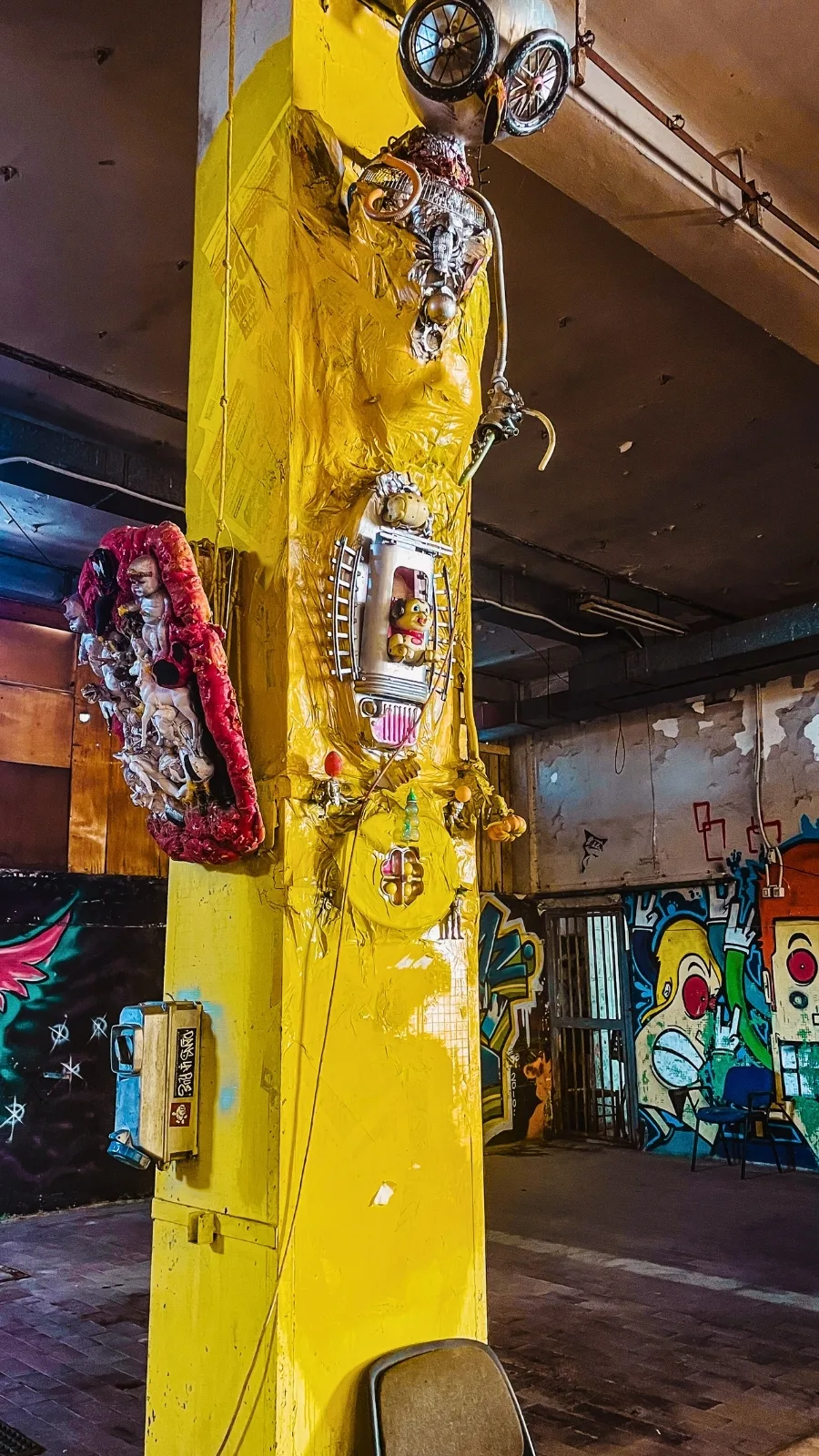

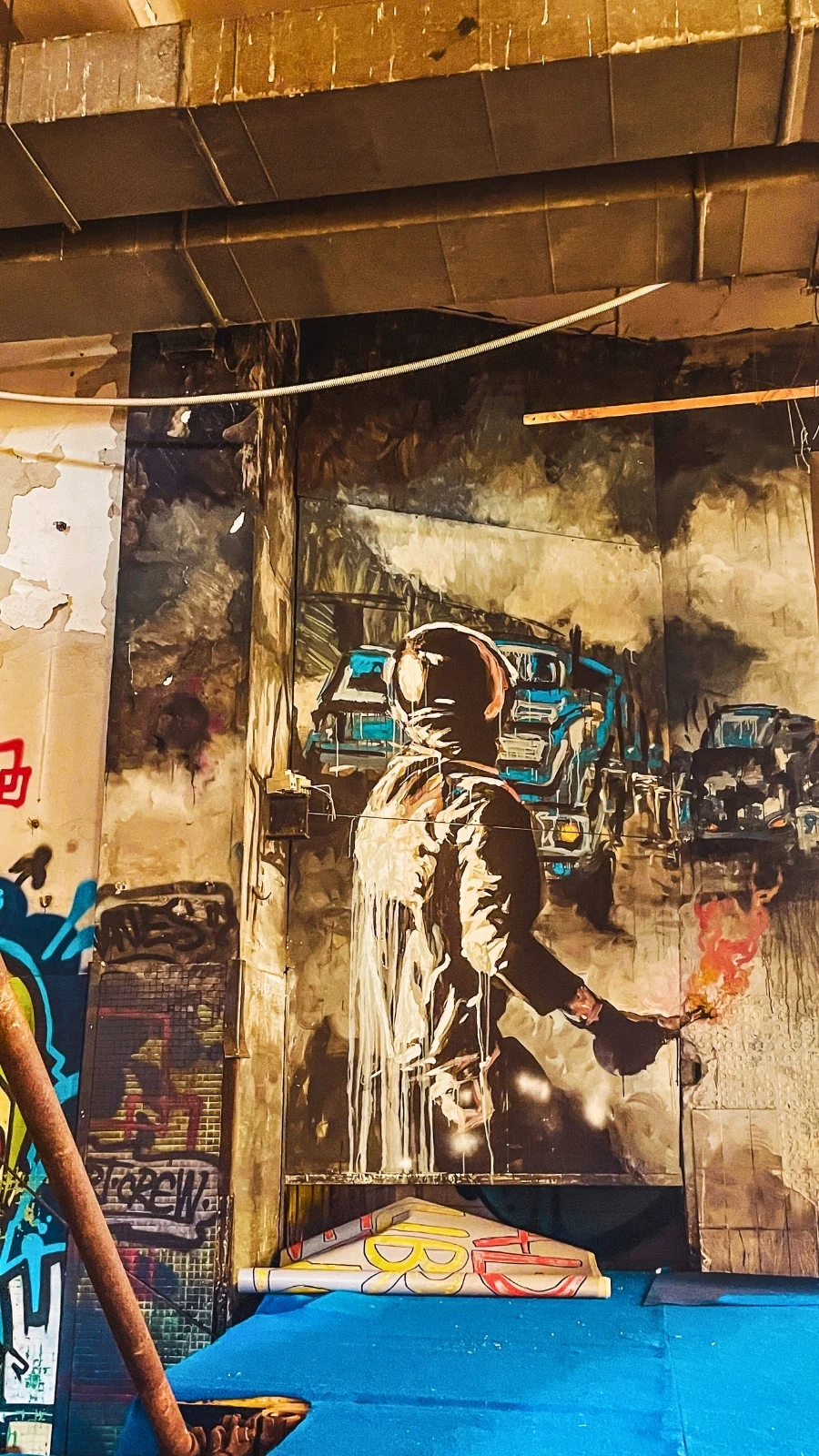

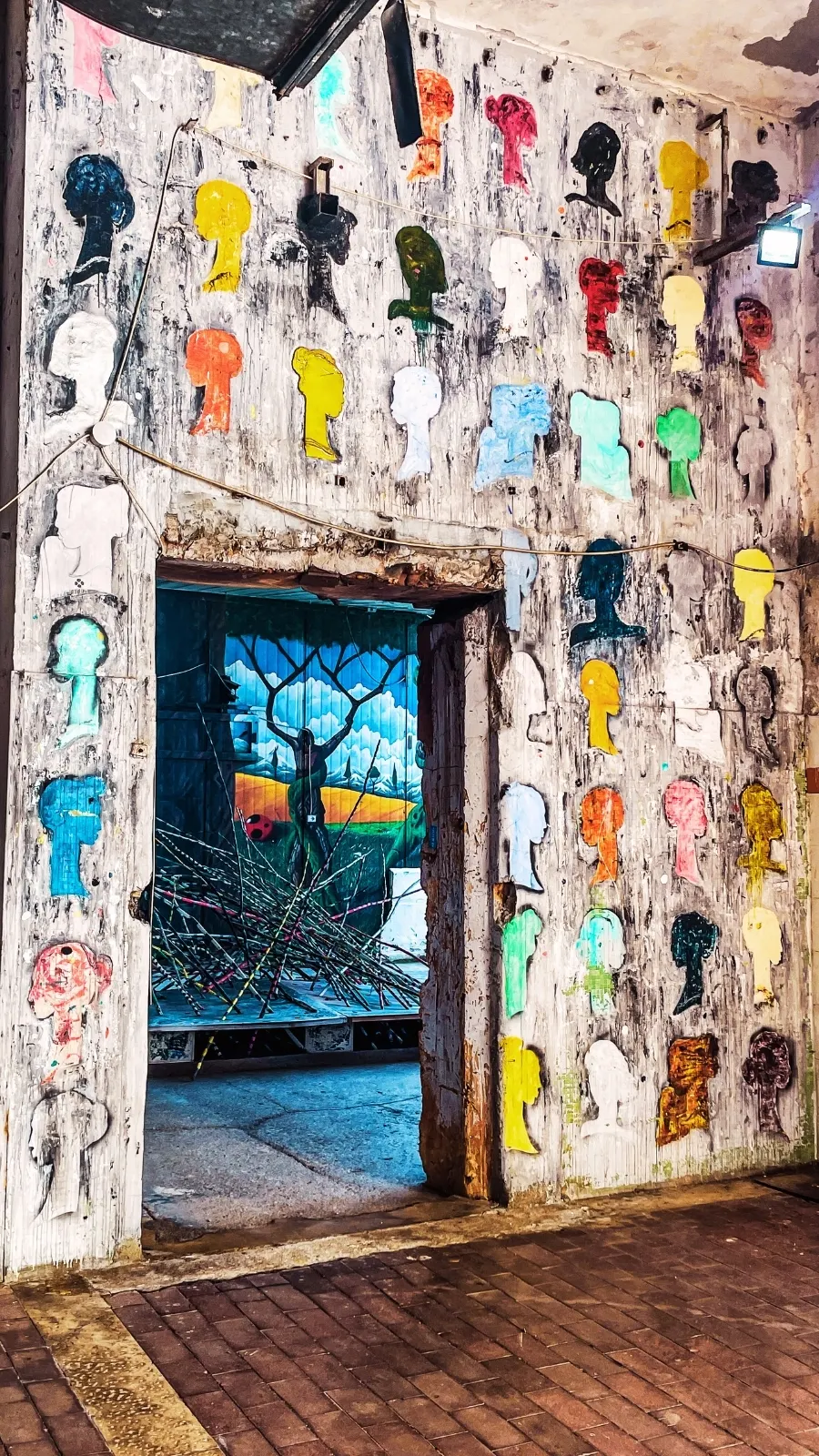
Inside-Outside Room at the MAAM Museum, Roma

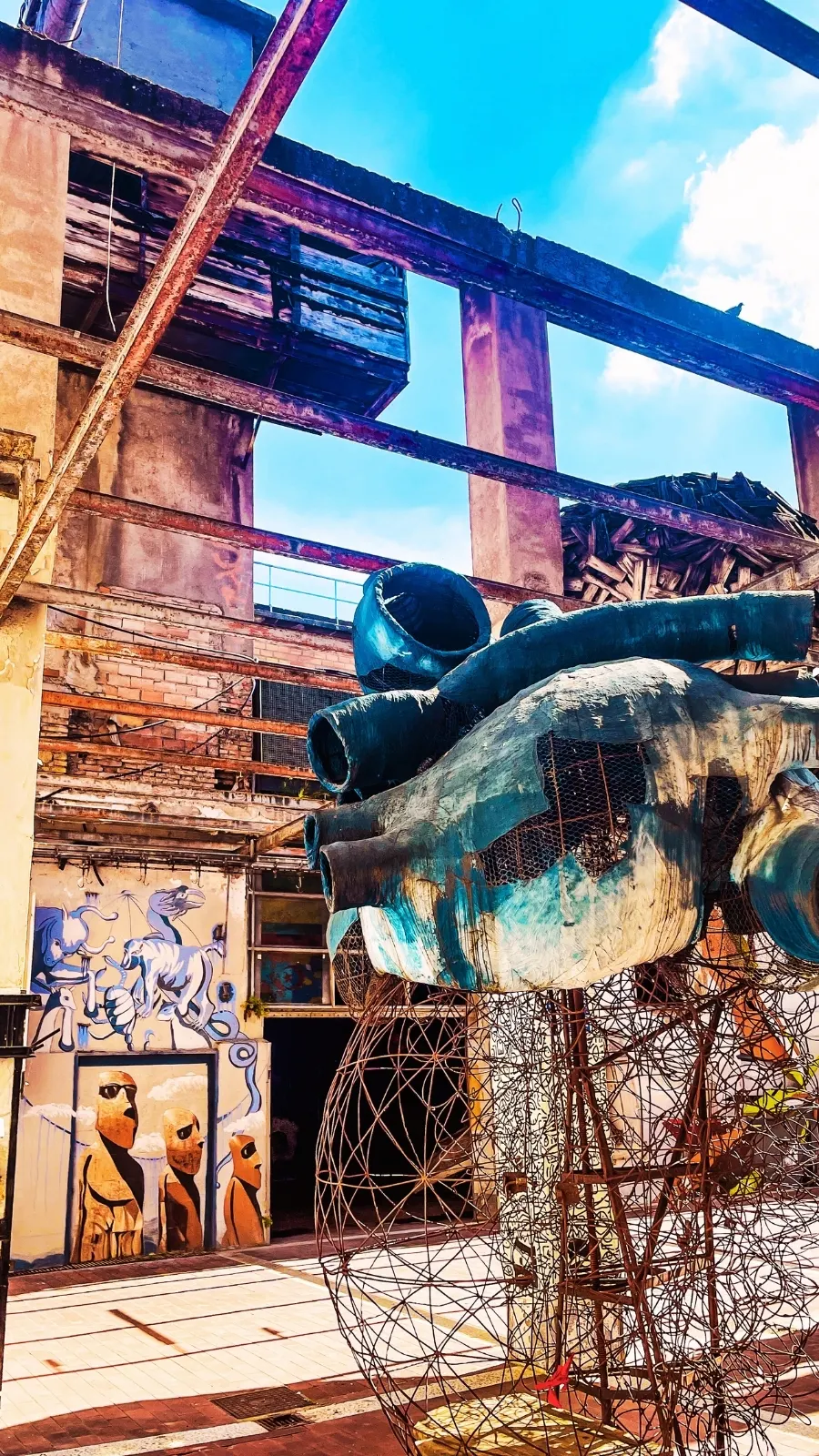

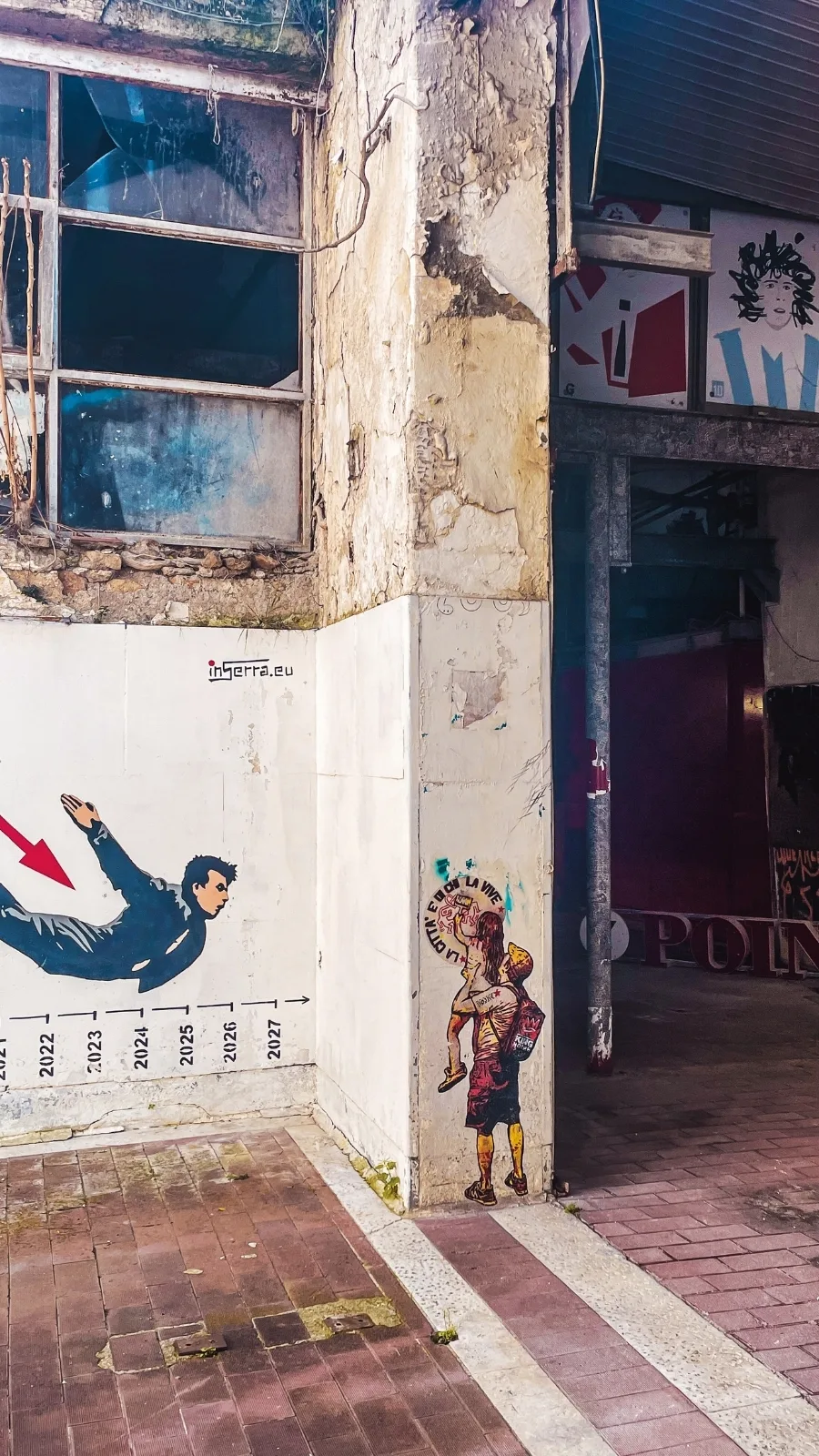

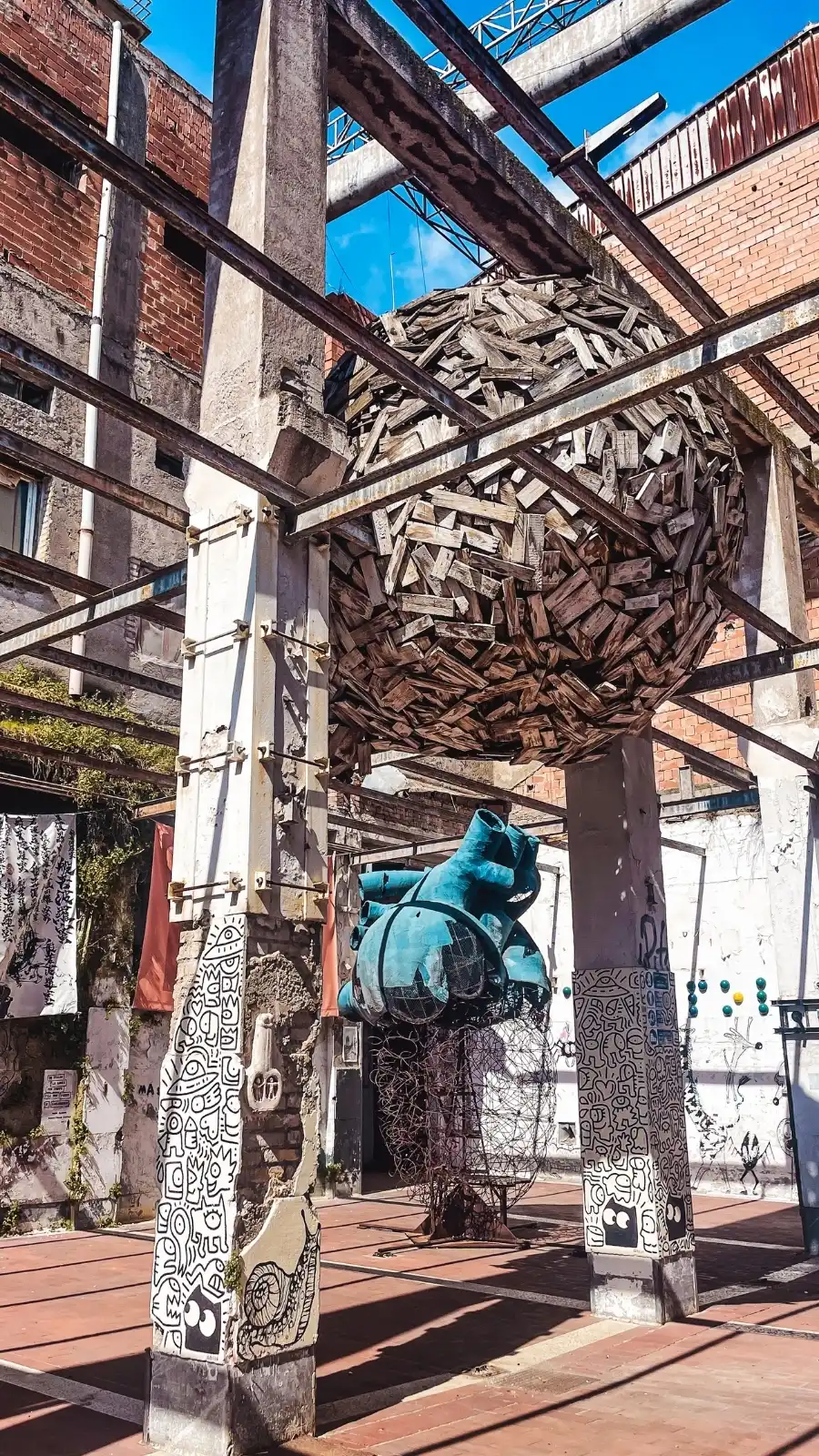

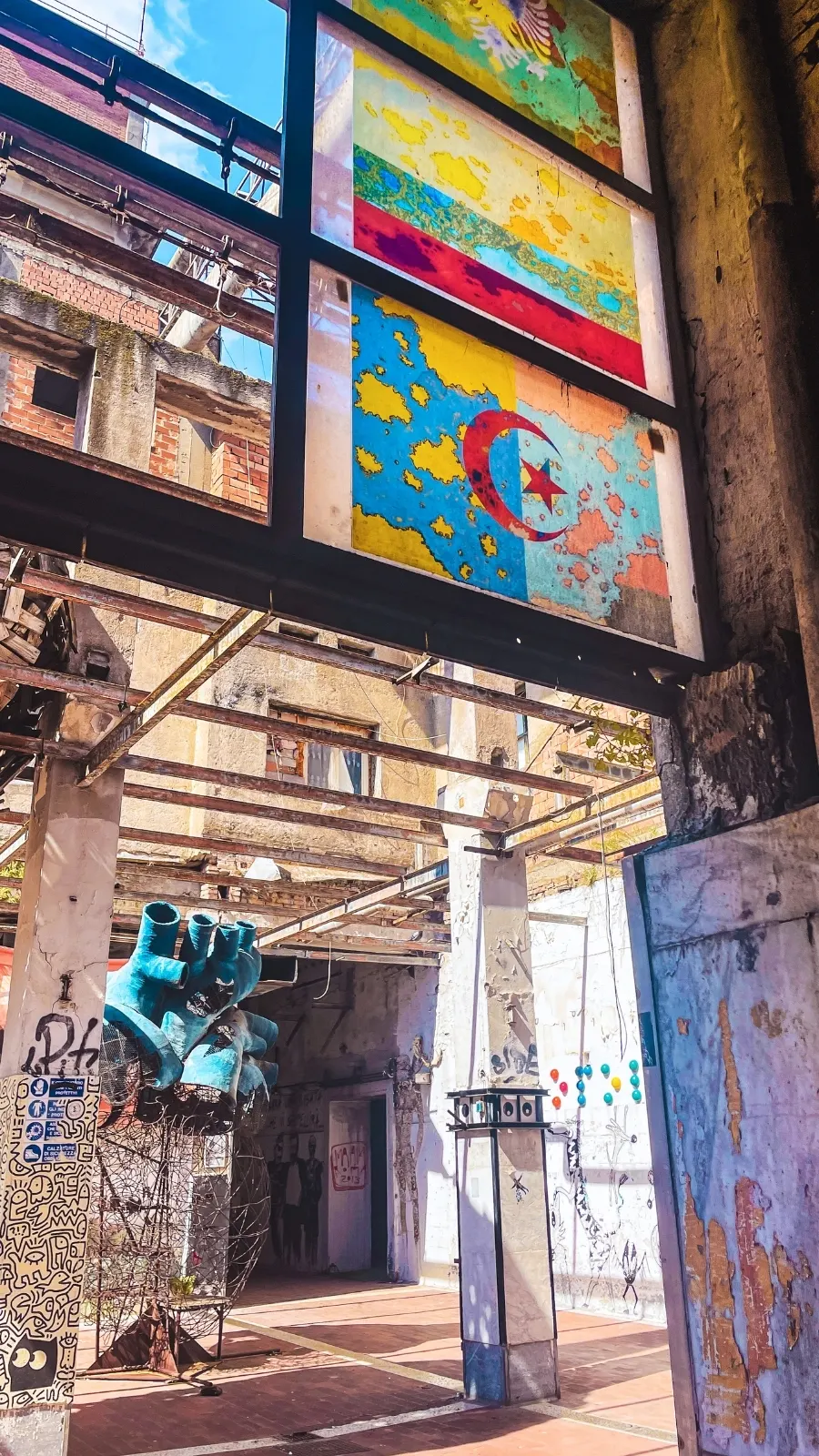
Following Rooms with Former Signs of Sausage Factory

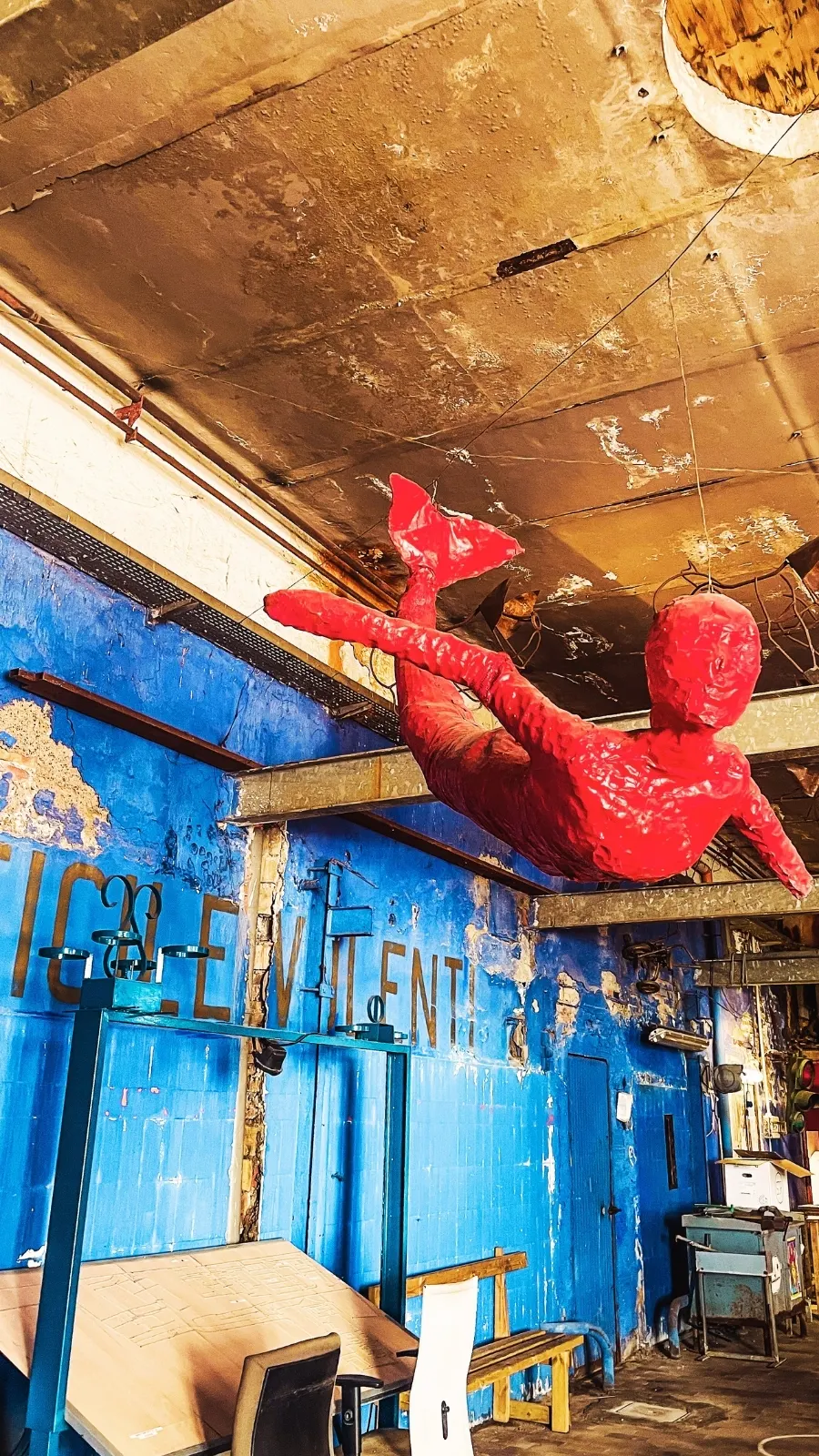


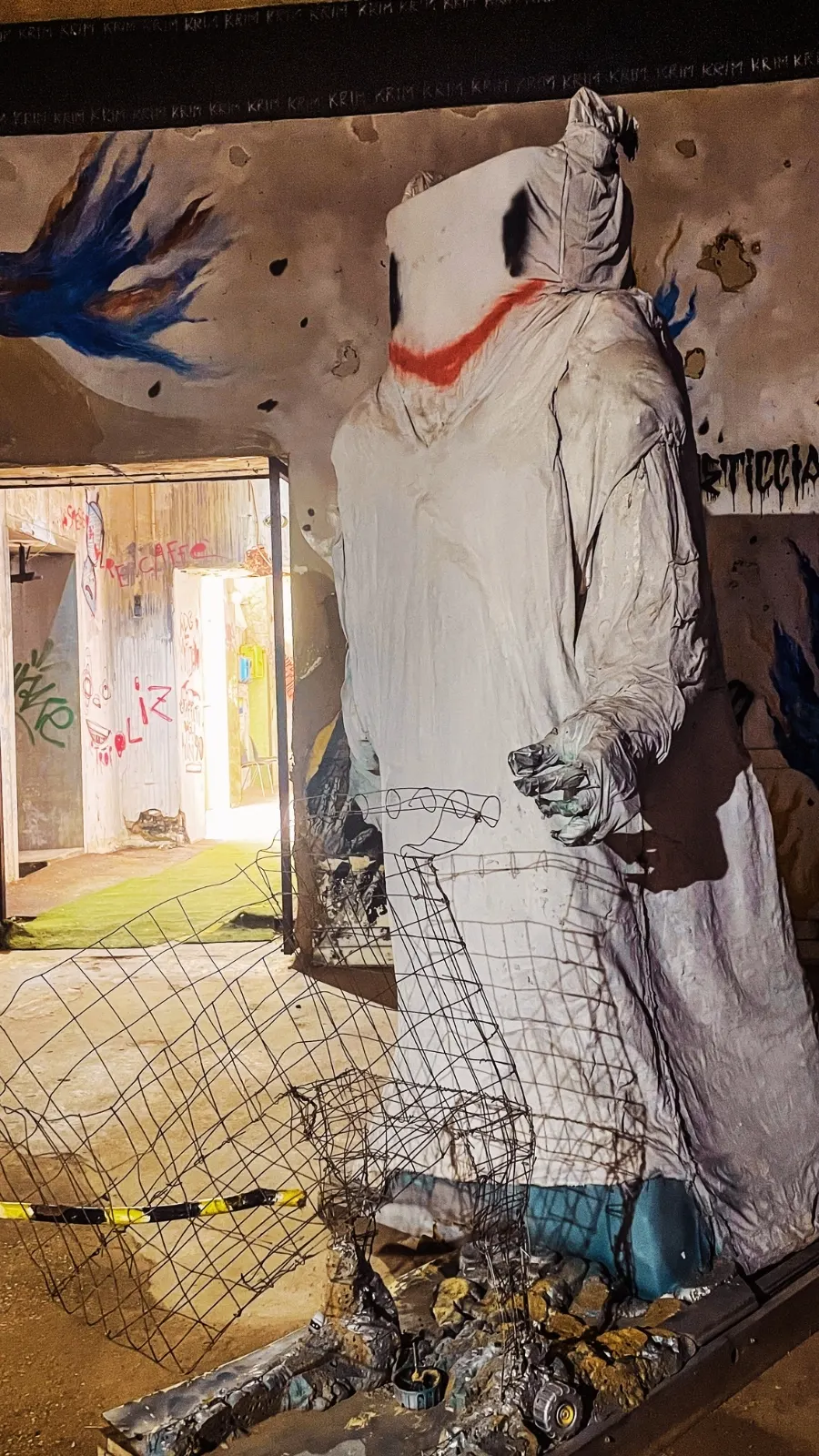

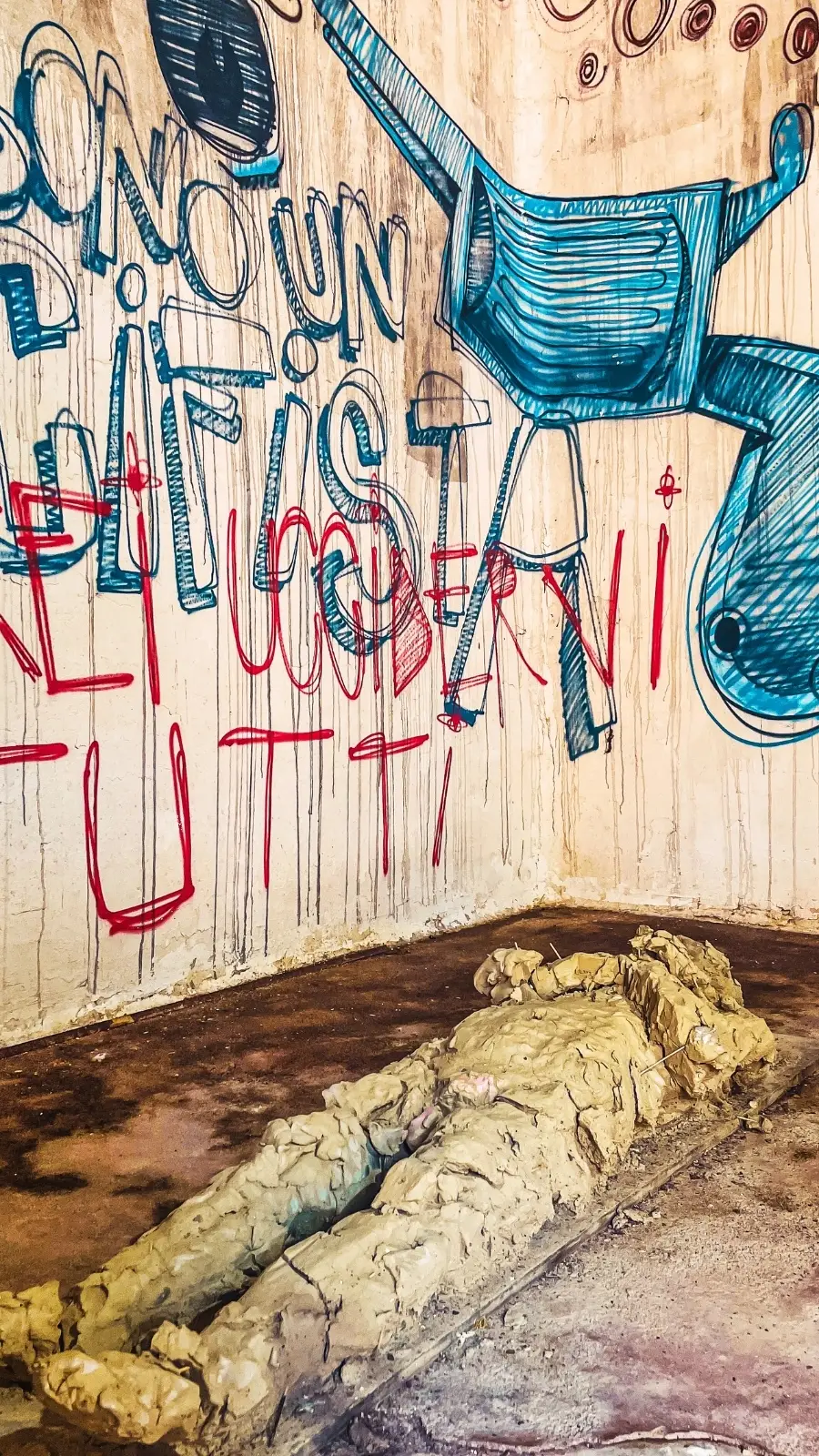
Outside Street Art and Sculpture at Museo dell’Altro e dell’Altrove

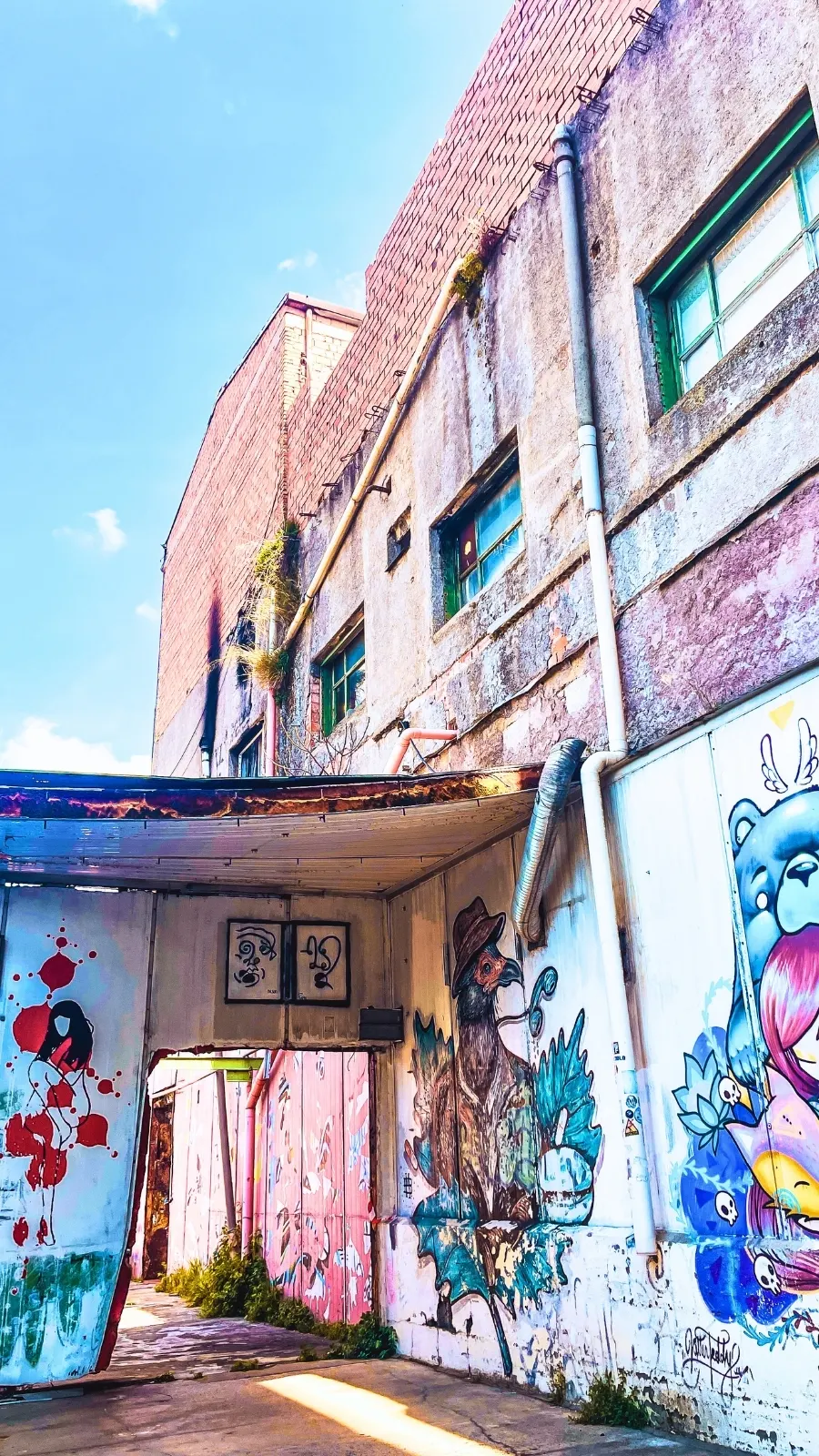

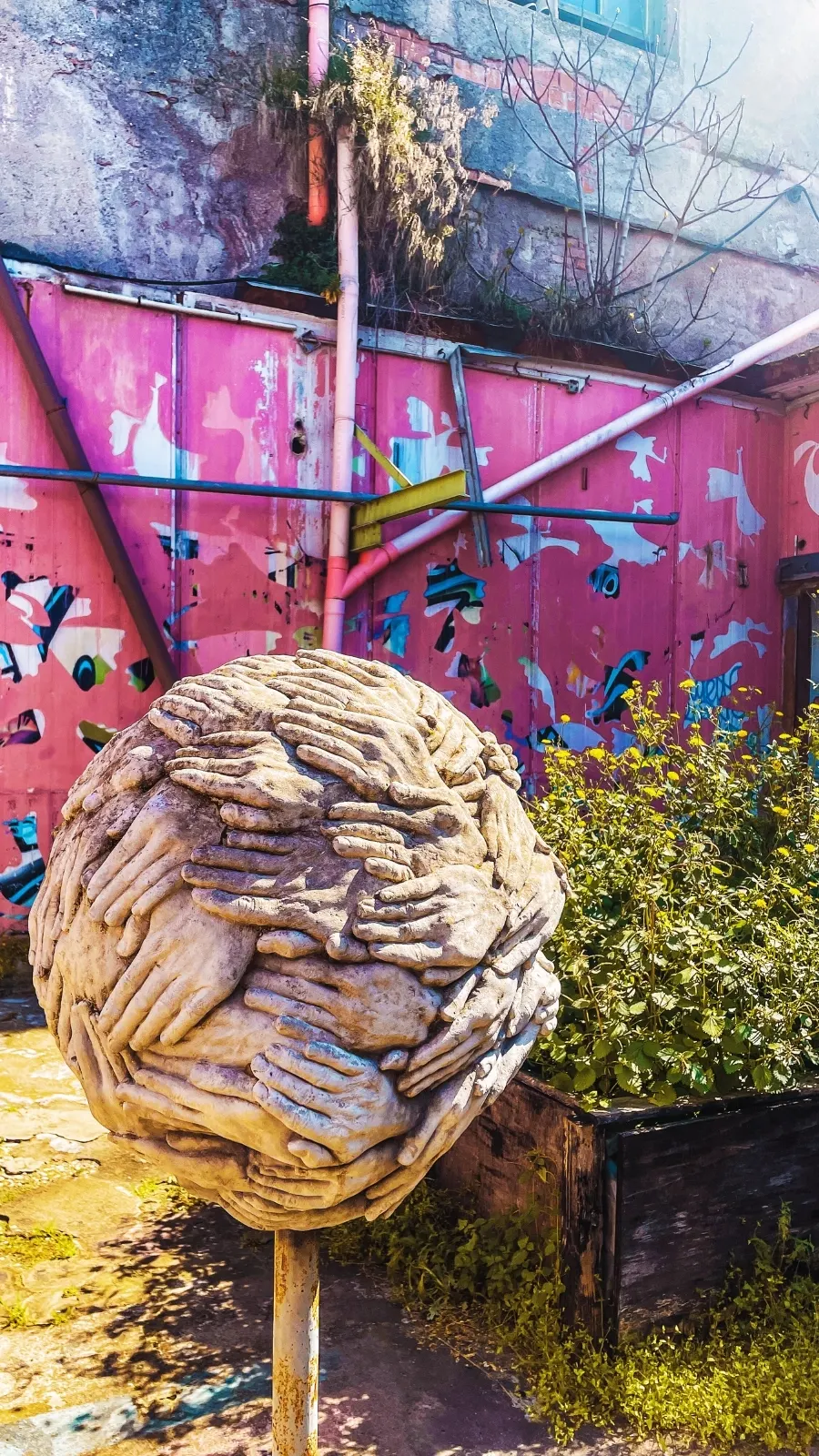
Following Room at MAAM Museum with Wonder Woman and Male Sculpture

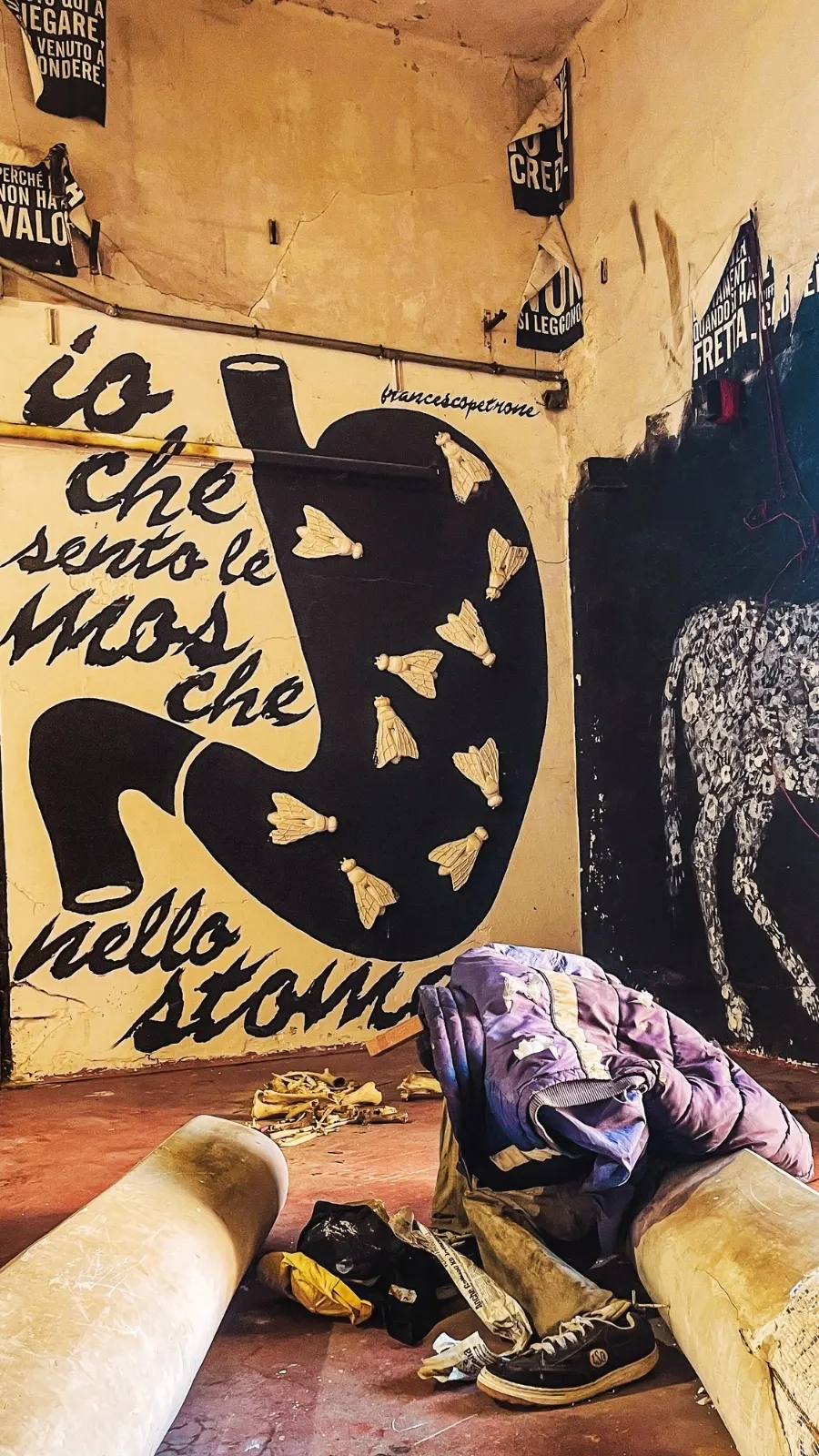

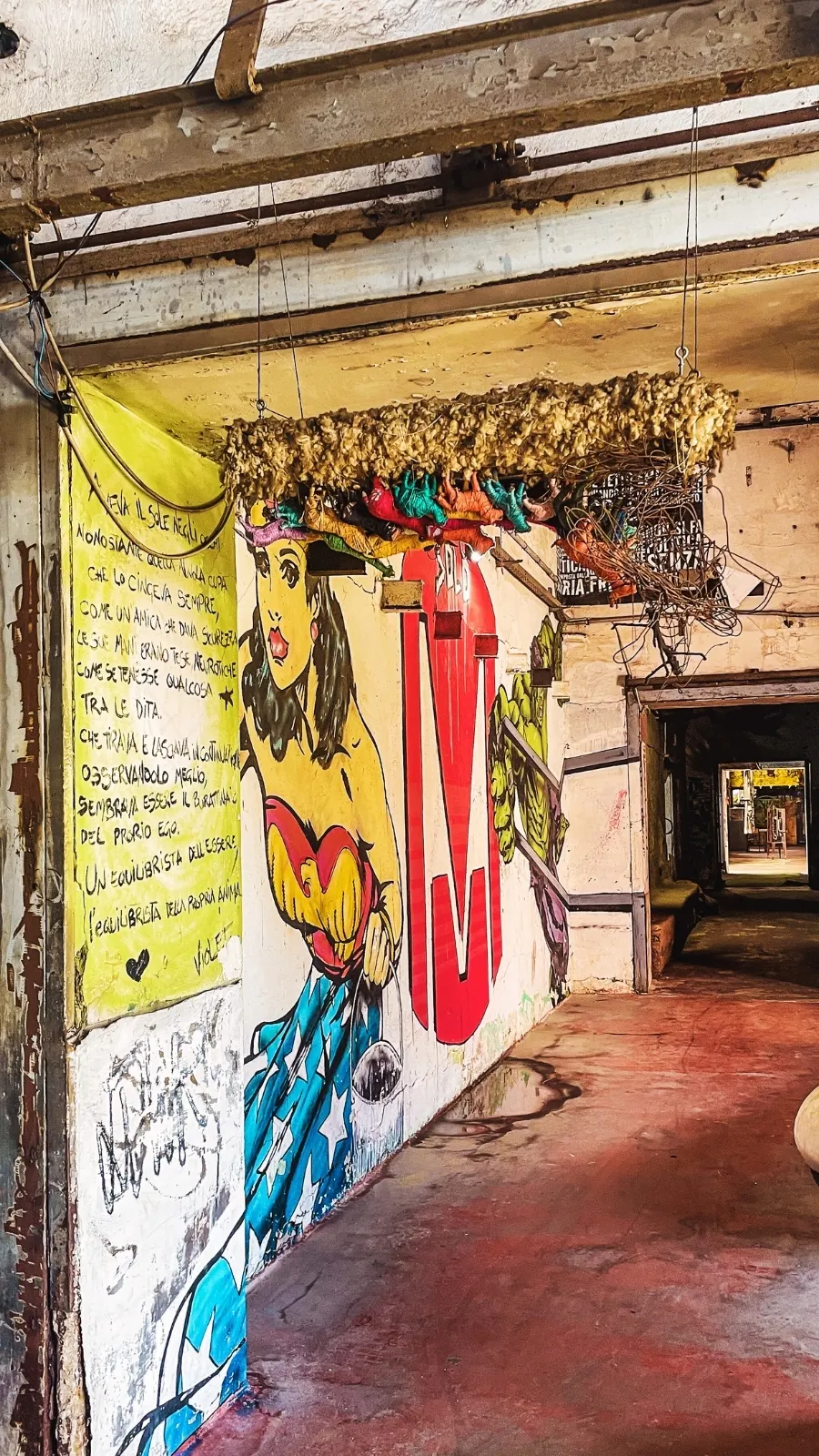
Street Art Corridor, MAAM Museum Roma

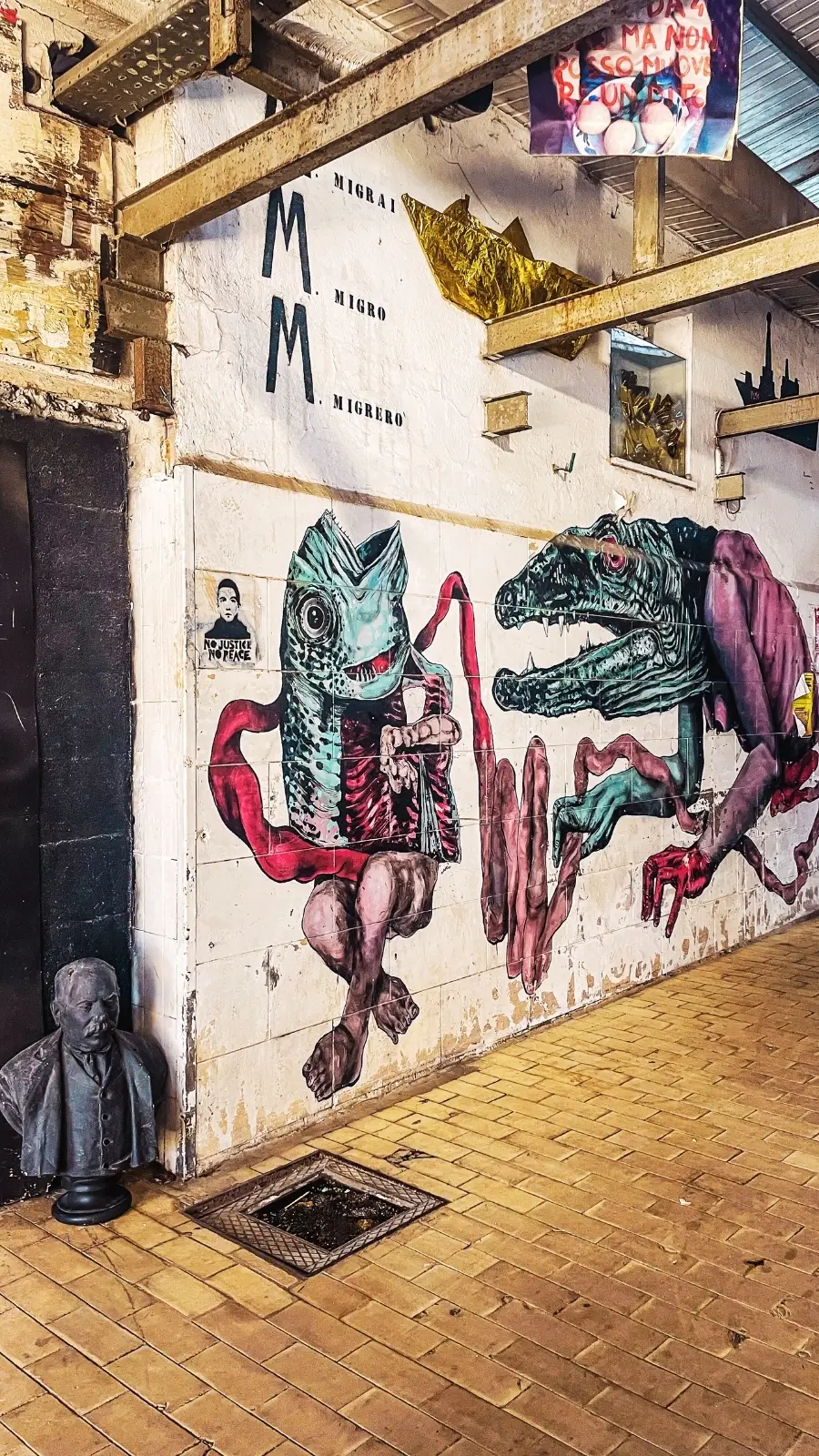

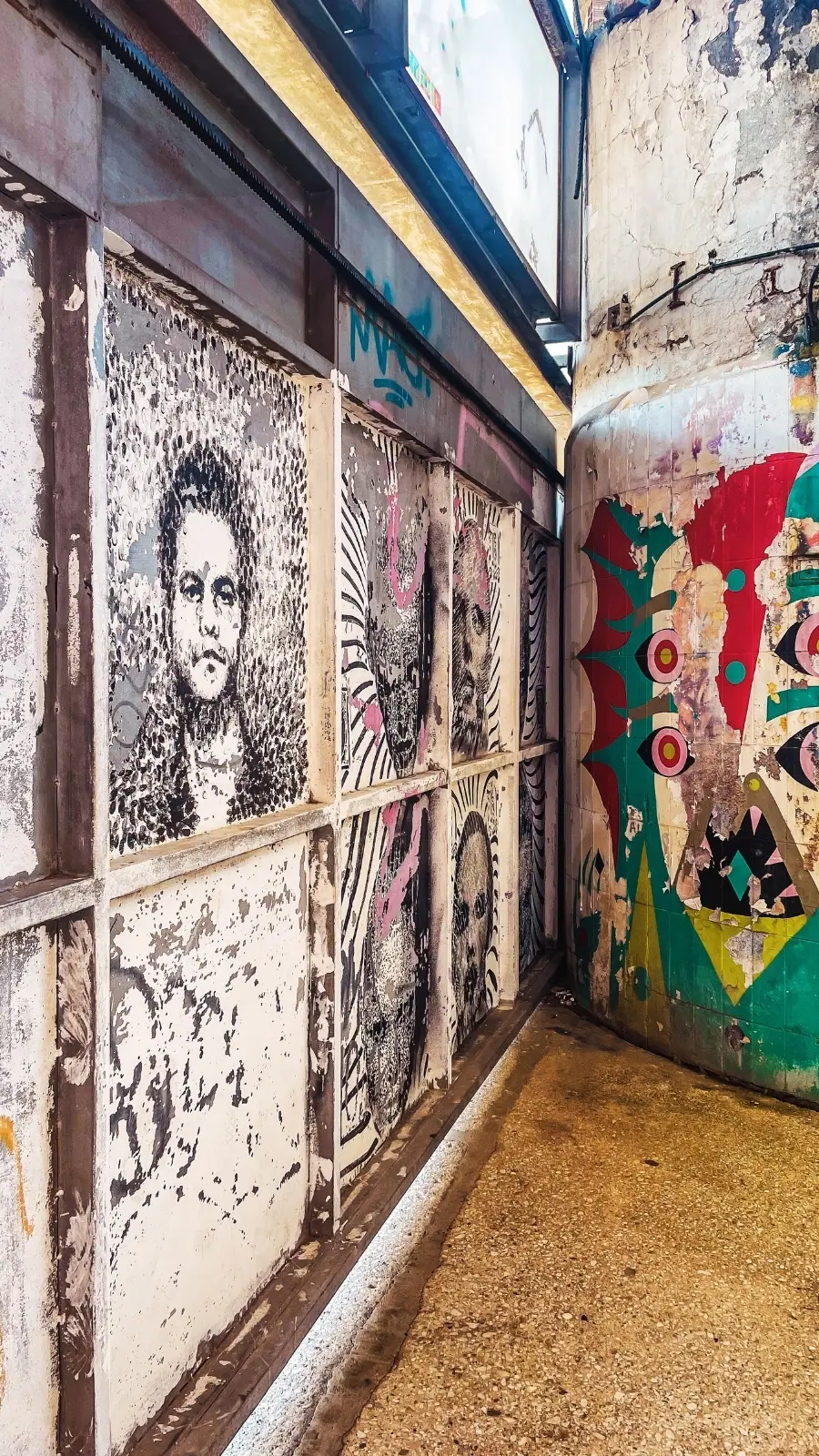

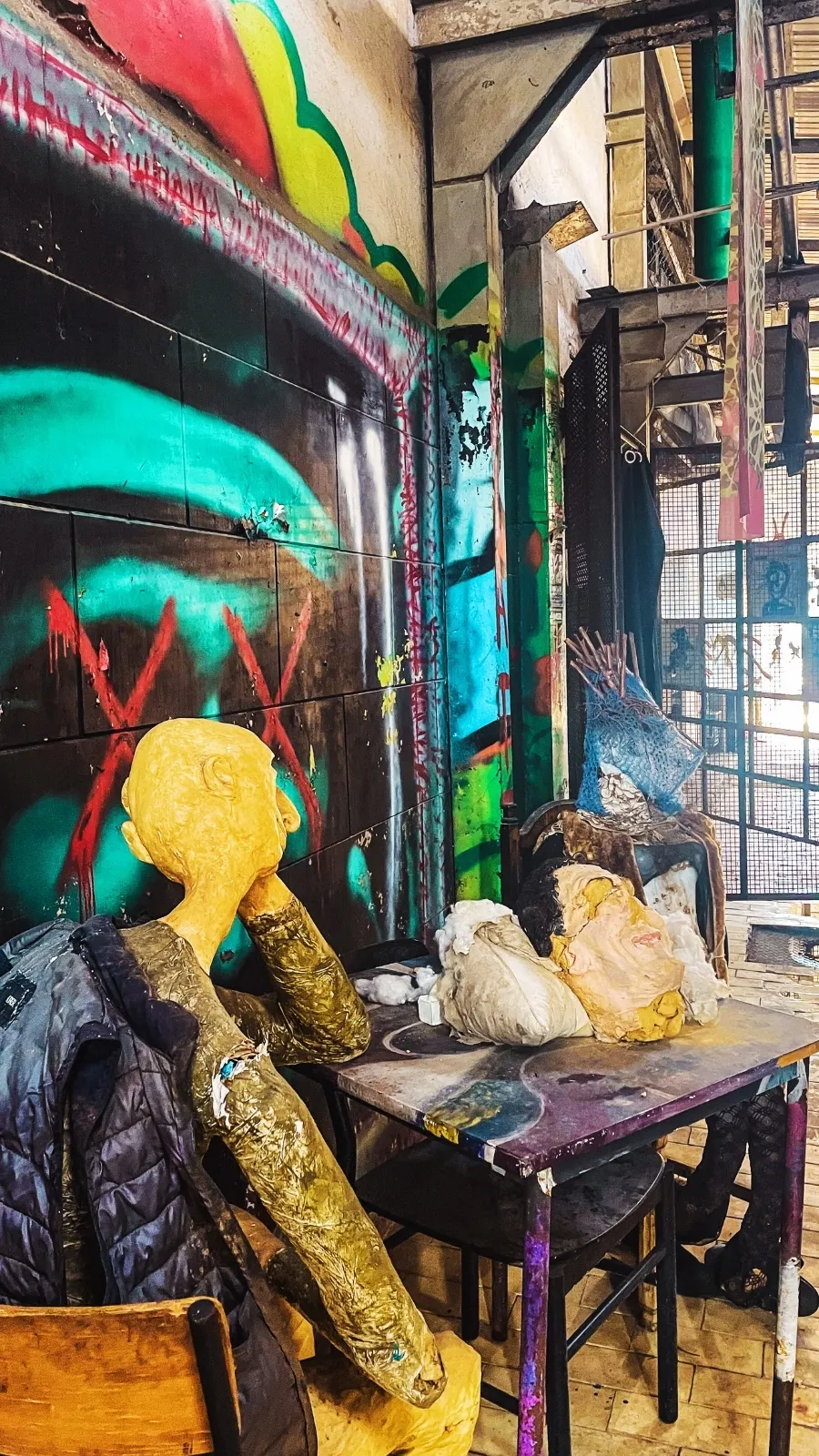

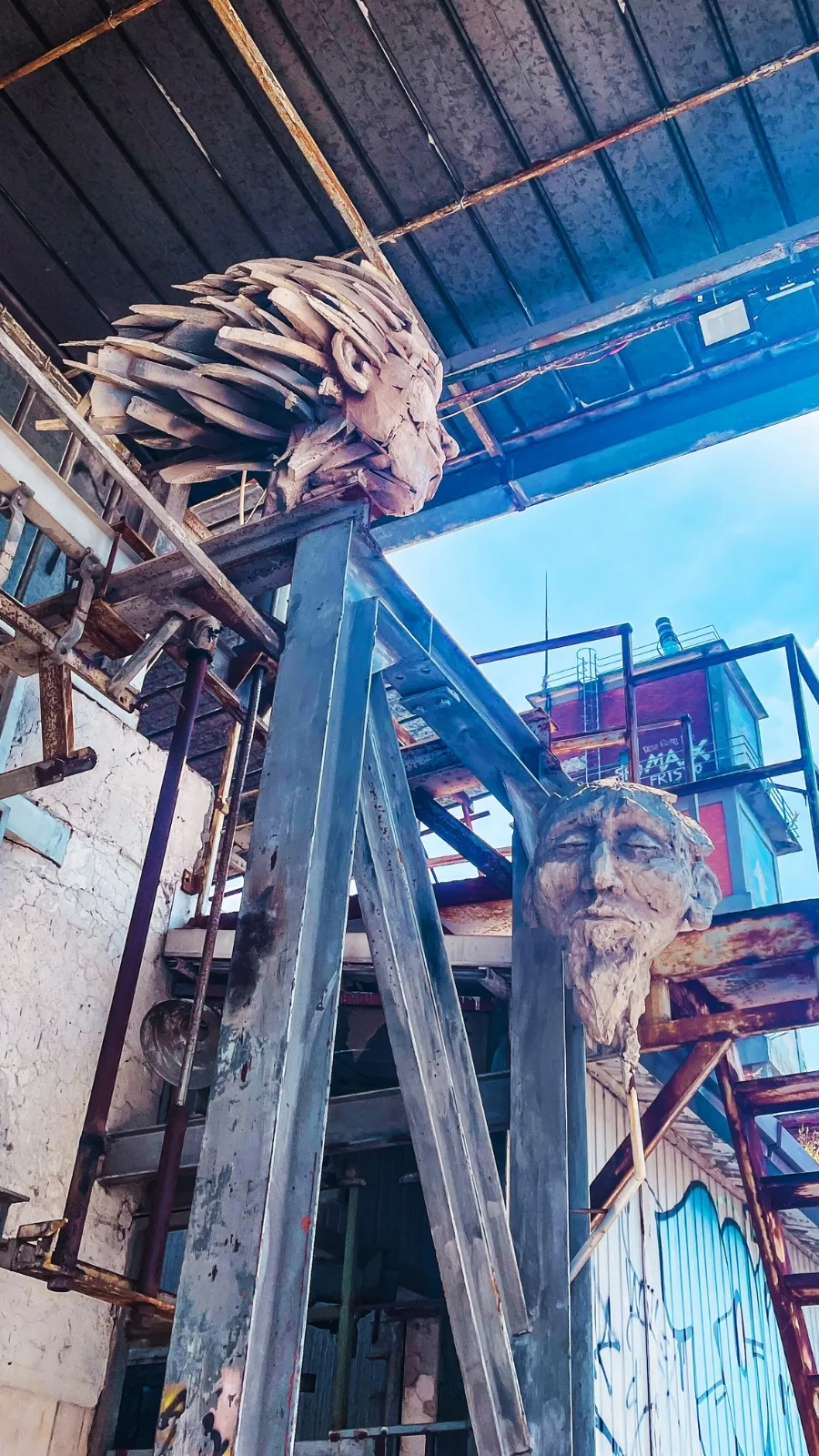

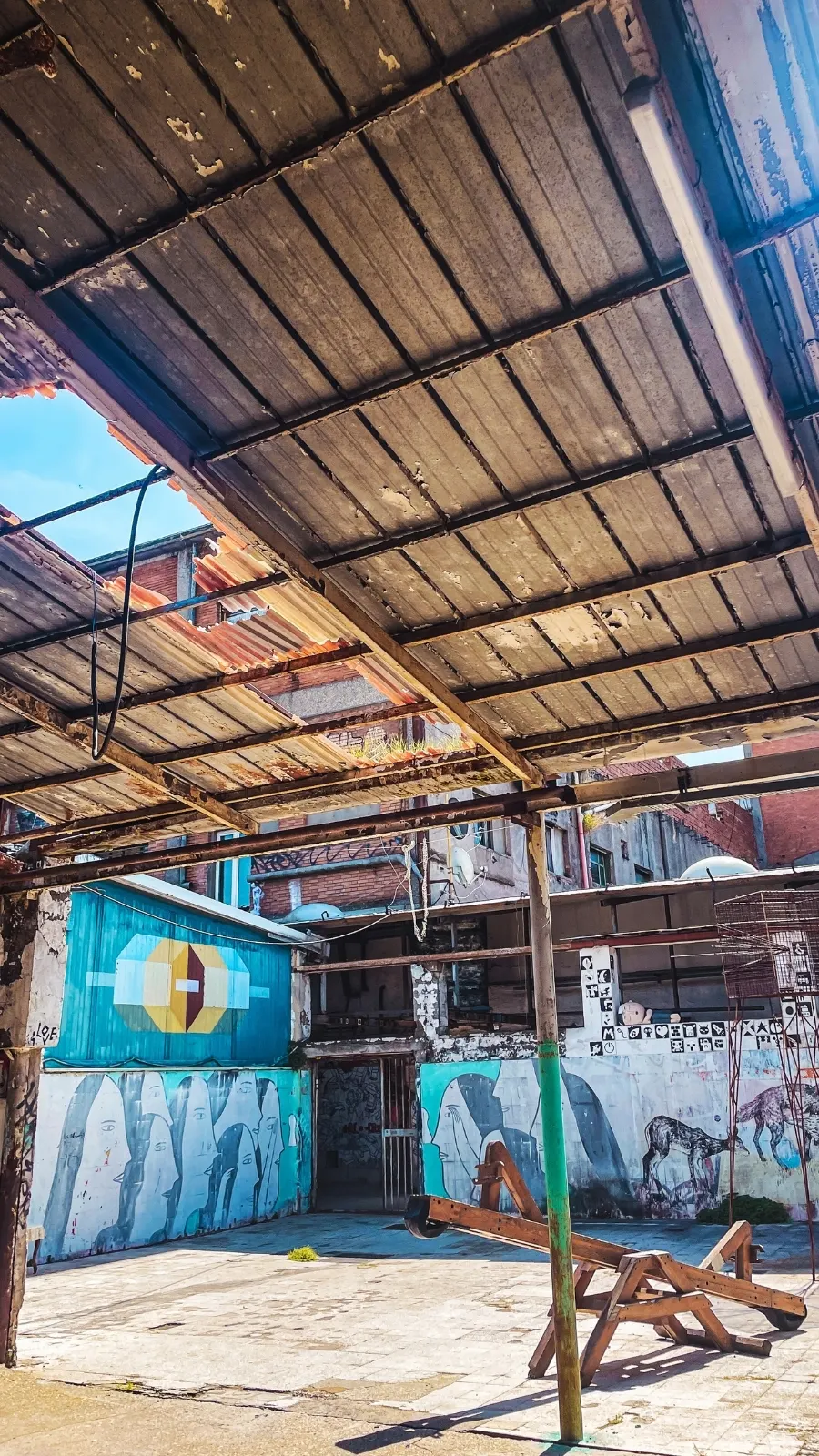
A Fully Black and White Room at the MAAM Museum, Rome

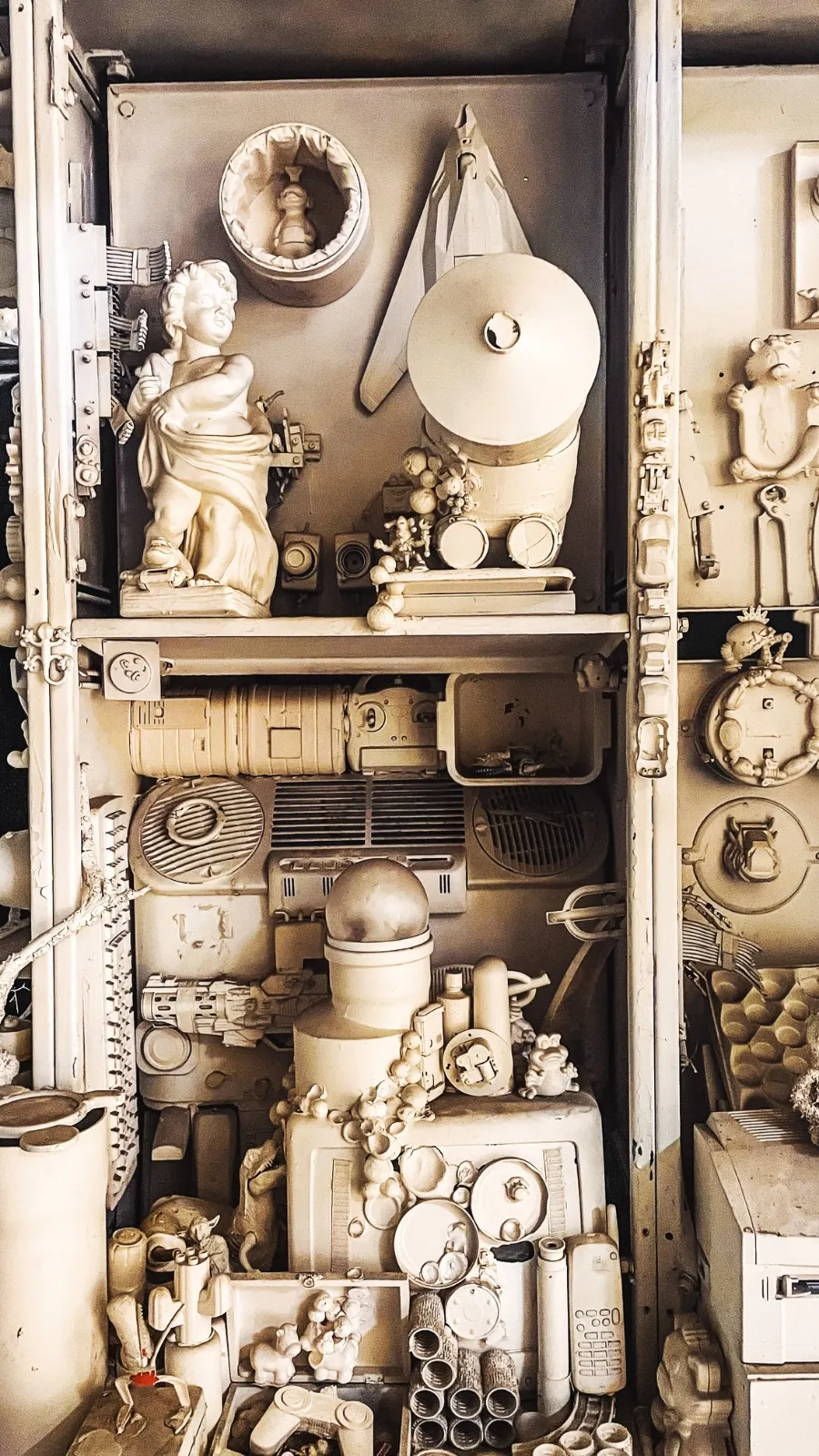
Final Rooms at Museo dell’Altro e dell’Altrove, Roma

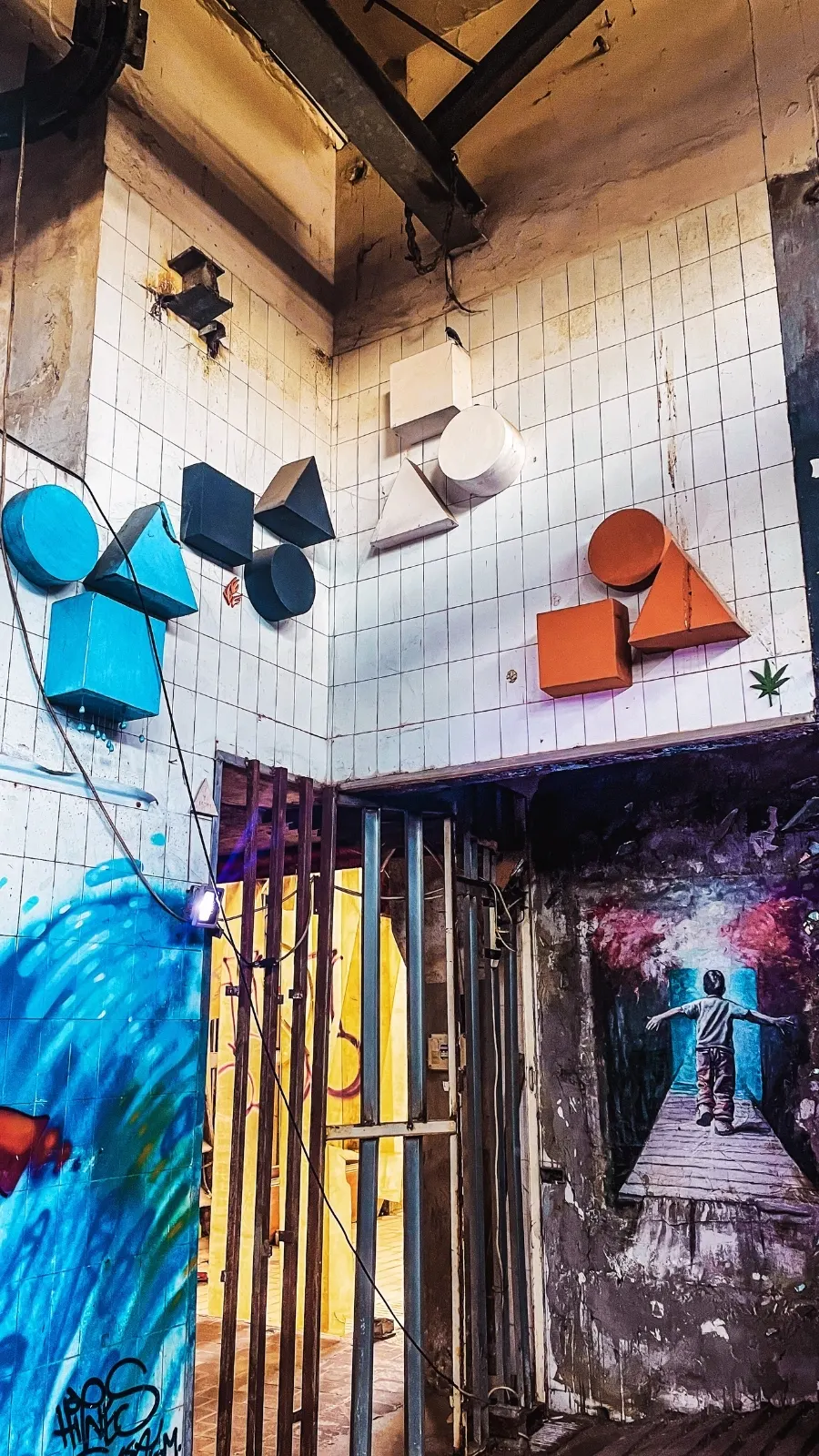

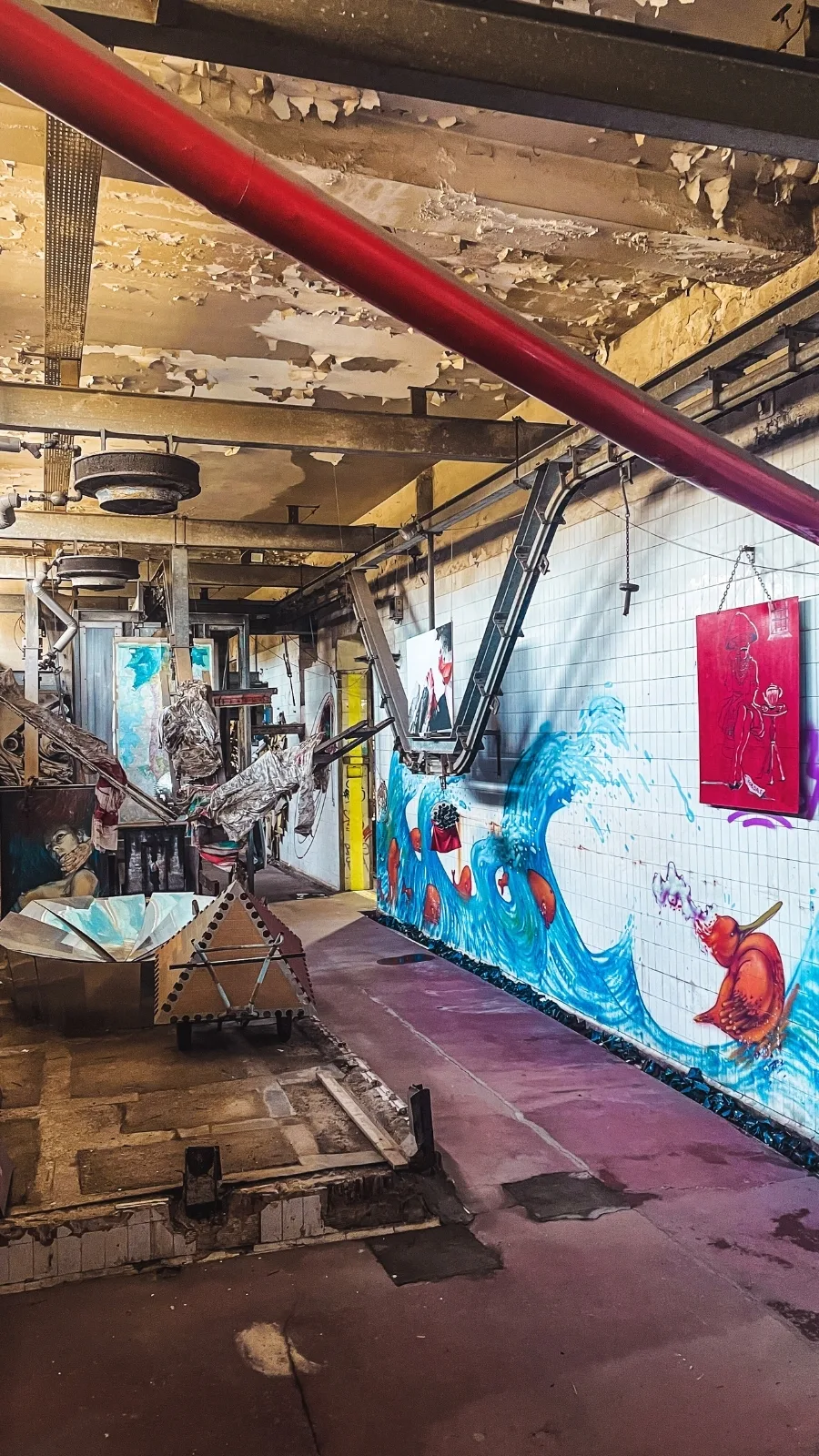

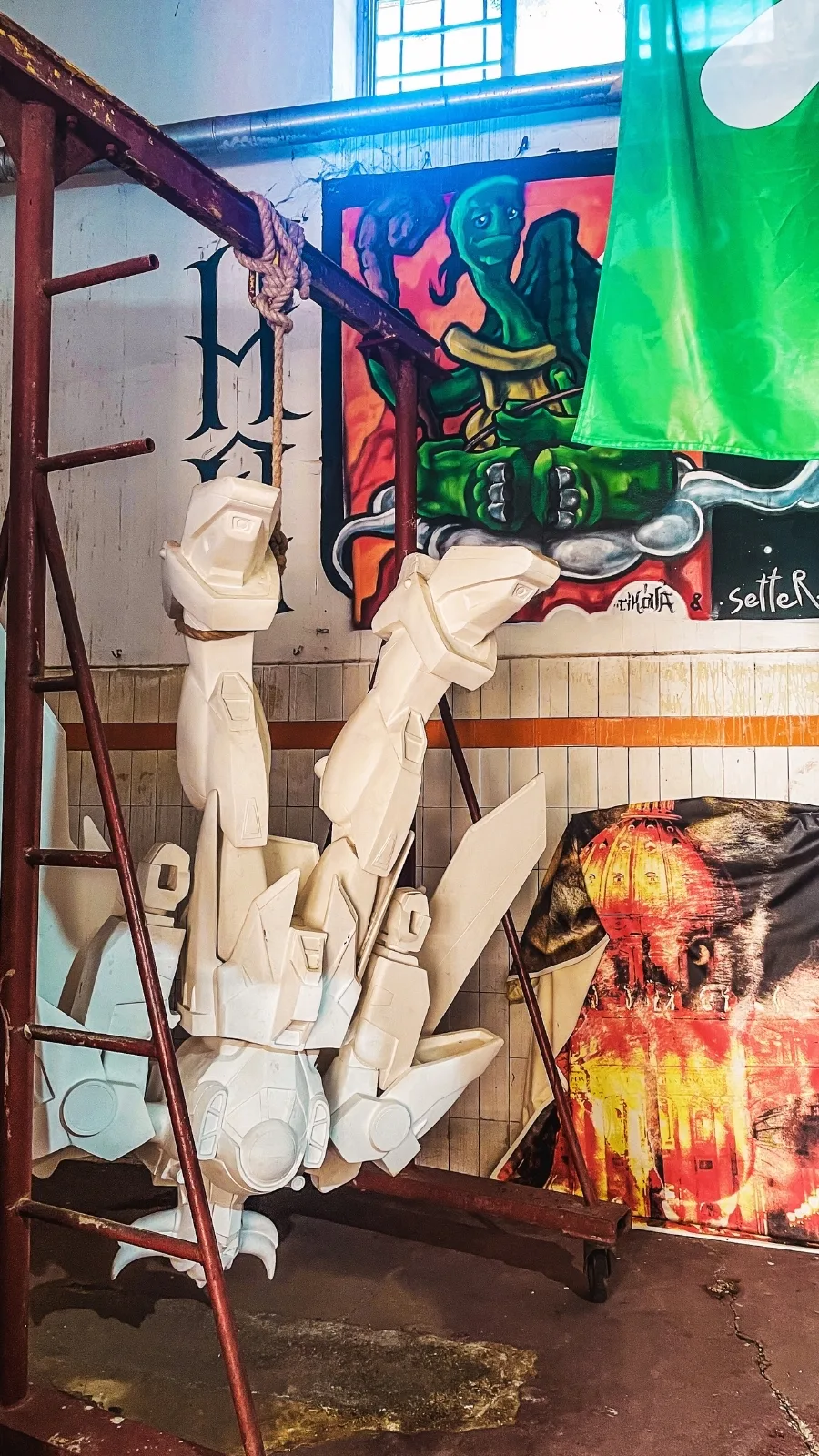
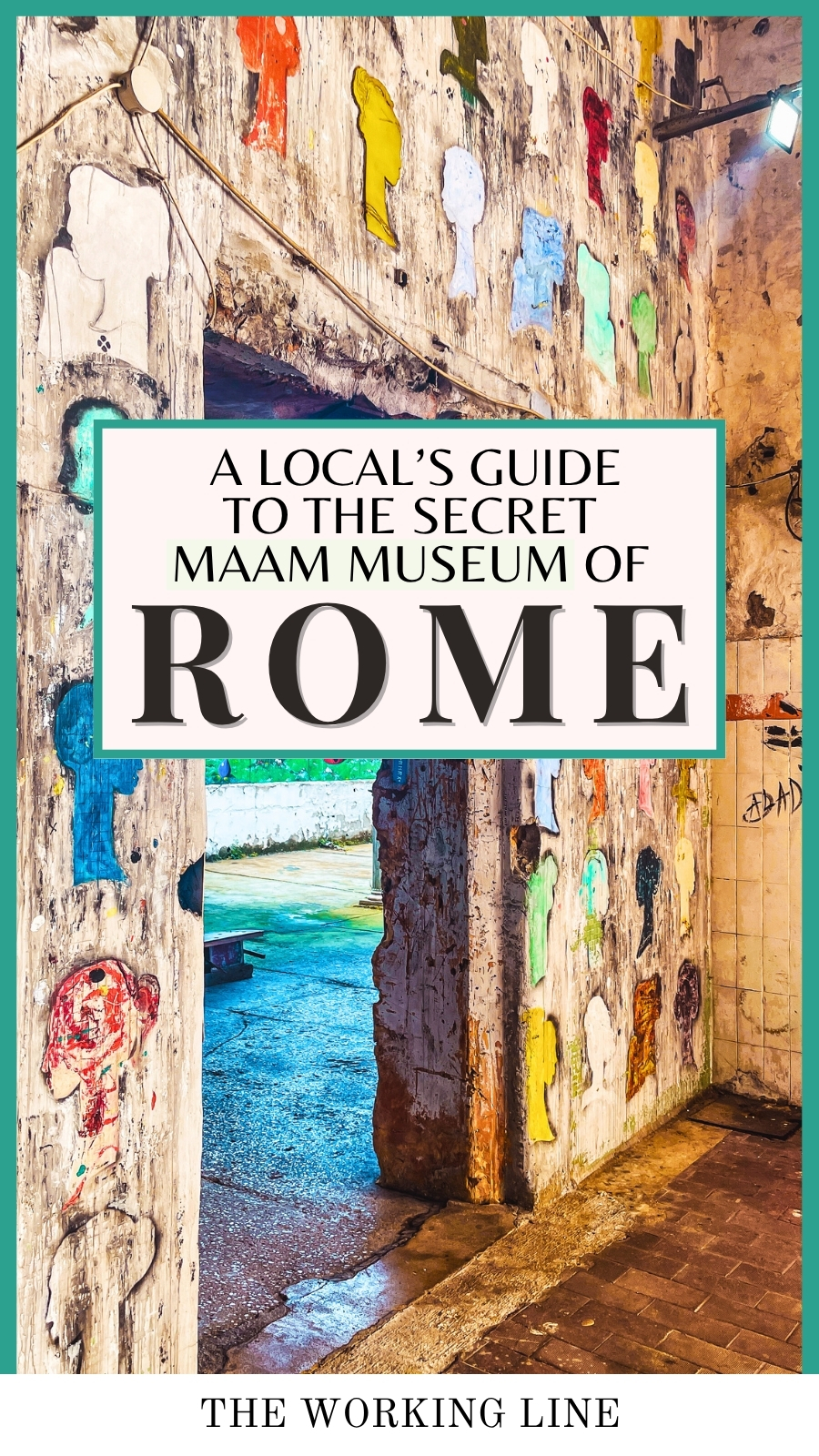
Rome’s Strange Museum: MAAM Museo dell’Altro e dell’Altrove
Unlike popular street art locations that often change or get commercialized, MAAM is a permanent space where over 450 site-specific works resist gentrification and marginalization.
I love finding new secret museums in Rome, like the Fondazione Venanzo Crocetti, which I discovered around the same time I did the MAAM Museum.
This here is amazing for whoever wants to learn more about Rome’s alternative art scene, or wants to see street art with a social purpose, a more political, immersive experience.